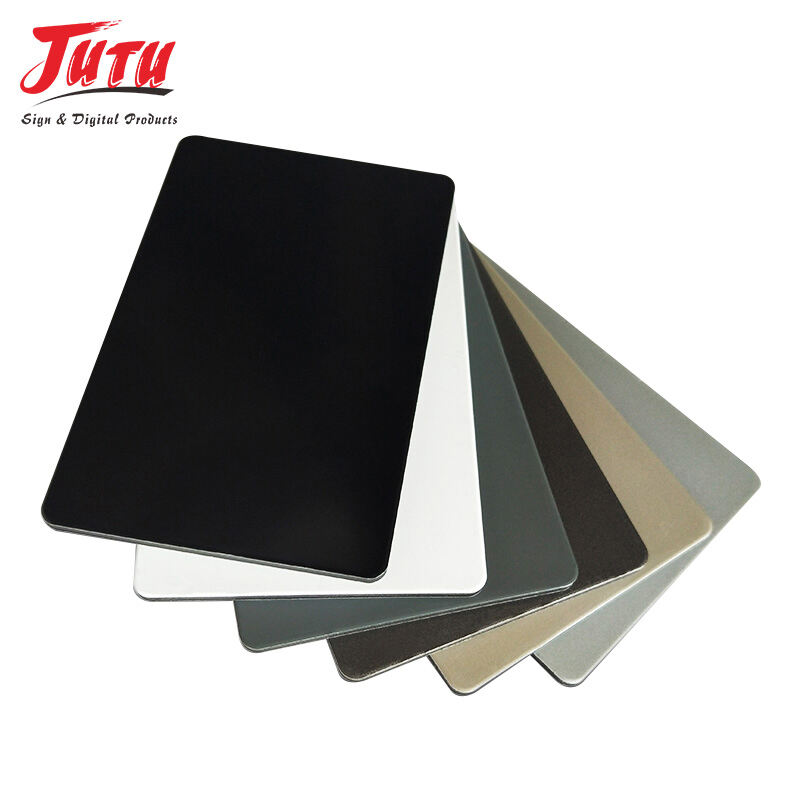
ACM Composite Panels - High-Performance Aluminum Cladding Solutions for Modern Architecture

Get a Free Quote

Our representative will contact you soon.
Email
Name
Company Name
Message
0/1000

acm composite panels

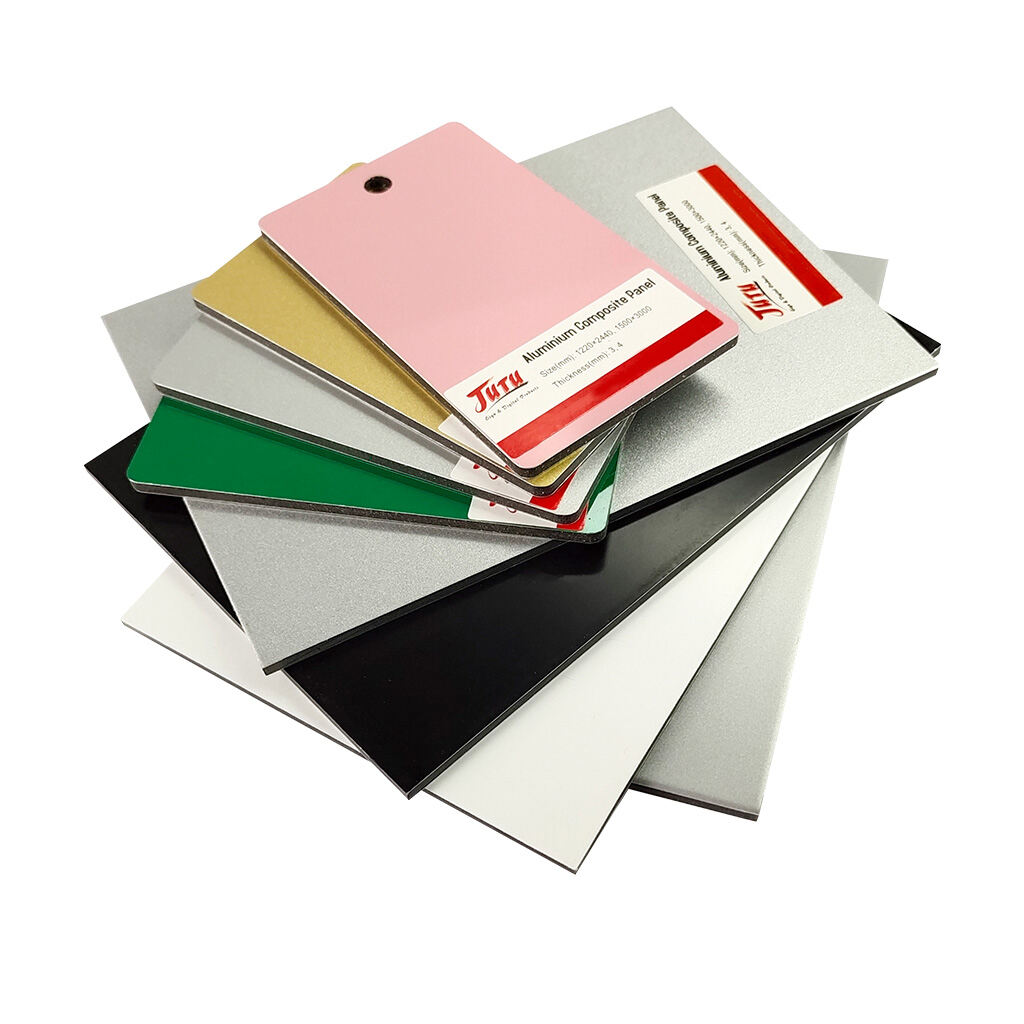
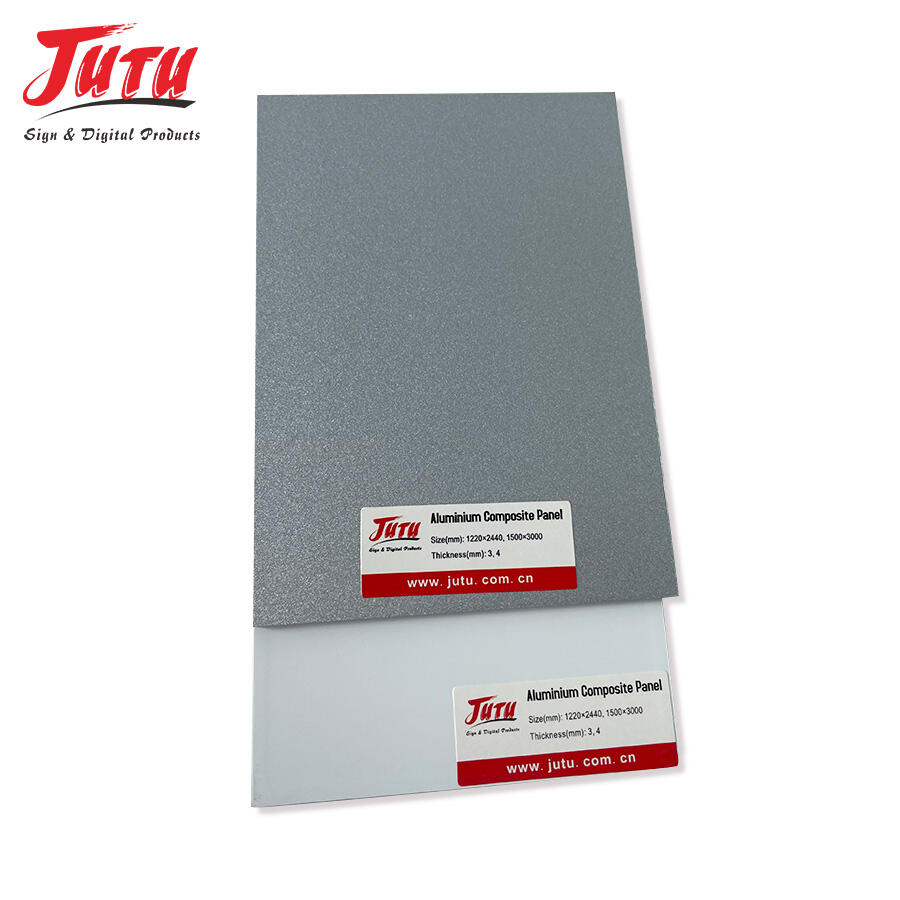
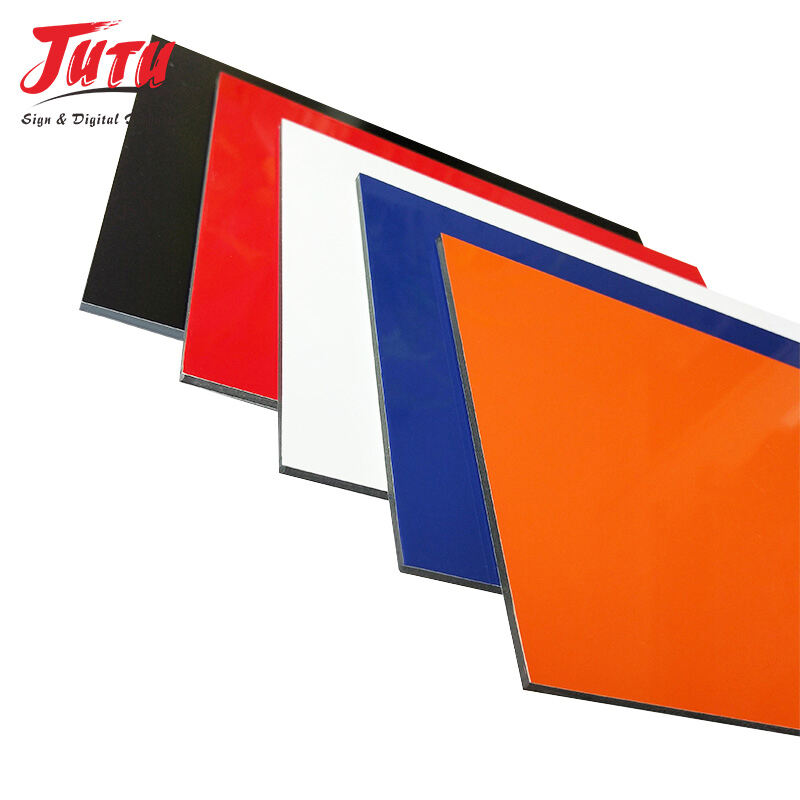
ACM composite panels represent a revolutionary advancement in modern construction and architectural design materials. These aluminum composite materials consist of two thin aluminum sheets bonded to a non-aluminum core, typically made of polyethylene or mineral-filled materials. The innovative sandwich construction of ACM composite panels delivers exceptional structural integrity while maintaining lightweight characteristics that make them ideal for various building applications. Manufacturing processes involve continuous lamination under controlled pressure and temperature conditions, ensuring consistent quality and performance across all panel dimensions. The outer aluminum layers provide weather resistance and aesthetic appeal, while the core material contributes to thermal insulation and sound dampening properties. ACM composite panels feature factory-applied coatings that offer superior color retention and protection against environmental factors including UV radiation, temperature fluctuations, and moisture exposure. These panels typically measure between 3-6mm in thickness, with standard sheet sizes accommodating diverse project requirements from small residential installations to large commercial developments. The technological sophistication of ACM composite panels extends to their fabrication capabilities, allowing for precise cutting, bending, and shaping using standard metalworking equipment. Surface treatments include PVDF fluoropolymer coatings that maintain vibrant colors and resist chalking, fading, and chemical degradation over extended periods. Installation systems for ACM composite panels incorporate mechanical fastening methods and structural glazing techniques that ensure secure attachment while accommodating thermal movement. Quality control measures during production involve rigorous testing for peel strength, weather resistance, fire performance, and dimensional stability. The versatility of ACM composite panels makes them suitable for exterior cladding, interior wall systems, signage applications, and decorative architectural elements. Modern ACM composite panels also incorporate sustainable manufacturing practices and recyclable materials, supporting green building initiatives and environmental responsibility in construction projects.

New Product Recommendations

ACM composite panels offer numerous practical benefits that make them an excellent choice for architects, contractors, and building owners seeking reliable and cost-effective cladding solutions. The lightweight nature of these panels significantly reduces structural loads on buildings, allowing for more economical foundation and framing designs while simplifying installation procedures. Installation teams can handle ACM composite panels easily, reducing labor costs and project timelines compared to heavier traditional materials like solid metal sheets or stone cladding systems. The flat, smooth surface of ACM composite panels provides an ideal substrate for various finishing options, enabling creative design possibilities while maintaining consistent appearance across large facade areas. Weather resistance stands as a major advantage, with ACM composite panels demonstrating excellent performance against rain, wind, temperature extremes, and UV exposure without warping, cracking, or significant color changes over time. Maintenance requirements remain minimal, requiring only periodic cleaning with standard detergents to maintain their attractive appearance, eliminating the need for frequent repainting or refinishing that other materials often demand. Cost-effectiveness becomes apparent through both initial material savings and long-term performance, as ACM composite panels typically cost less than solid aluminum or other premium cladding materials while delivering comparable or superior durability. The thermal insulation properties of ACM composite panels contribute to improved building energy efficiency by reducing heat transfer through exterior walls, potentially lowering heating and cooling expenses for building occupants. Fire safety features in modern ACM composite panels include mineral-filled cores and fire-retardant additives that meet stringent building codes and safety standards. Fabrication flexibility allows contractors to create complex architectural details, curves, and custom shapes that would be difficult or impossible to achieve with rigid materials. Color consistency across panels ensures uniform appearance in large installations, while the wide range of available colors and finishes provides designers with extensive creative options. Sound dampening qualities help reduce noise transmission, making ACM composite panels valuable for buildings in urban environments or near transportation corridors. Environmental benefits include recyclability and reduced material waste during installation, supporting sustainable construction practices and green building certifications.

Tips And Tricks

Acrylic Board Manufacturers: Shaping the Future of Plastics

07

Nov

Acrylic Board Manufacturers: Shaping the Future of Plastics

Acrylic boards have become indispensable in industries like construction, automotive, and healthcare. Their durability, transparency, and versatility make them a preferred material for diverse applications. Acrylic board manufacturers continue to inn...
View More
Honeycomb Board Furniture: A New Dimension in Comfort

07

Nov

Honeycomb Board Furniture: A New Dimension in Comfort

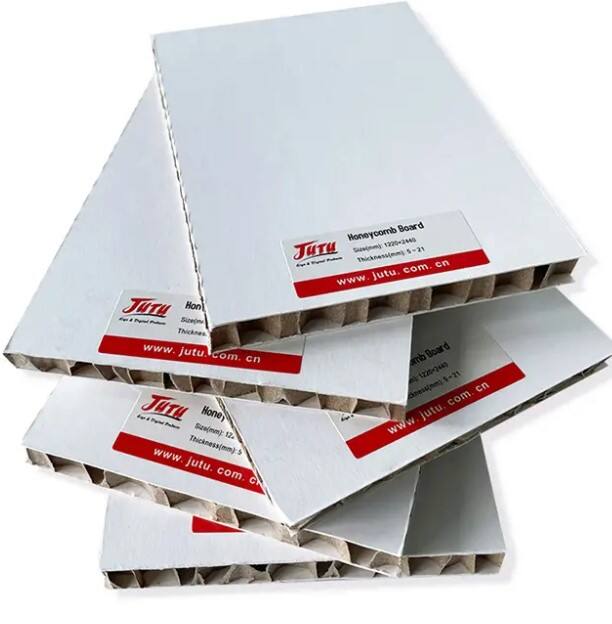
Imagine furniture that's lightweight, durable, and eco-friendly. Honeycomb Board Furniture is revolutionizing how you think about design and sustainability. Its unique structure offers endless possibilities for modern living. You’ll love how it...
View More
PVC Foam Sheet Applications in Industrial Fabrication and Prototyping

23

Dec

PVC Foam Sheet Applications in Industrial Fabrication and Prototyping

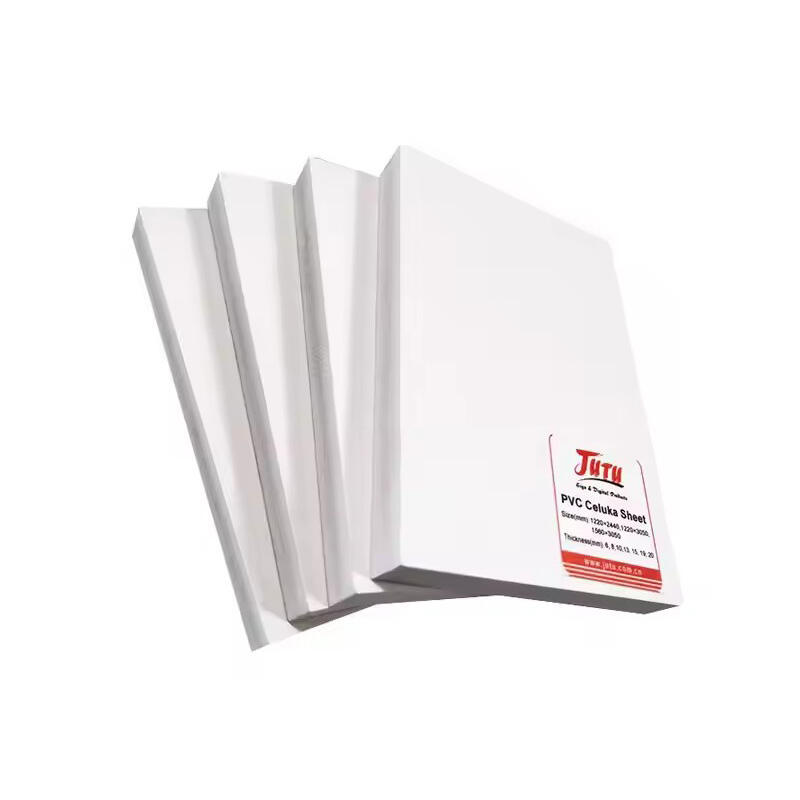
Modern industrial manufacturing and prototyping demands have created an increasing need for versatile, lightweight materials that can deliver exceptional performance across diverse applications. Among these materials, PVC foam sheet has emerged as a ...
View More
PP Corrugated Sheets for Temporary Structures and Event Signage

06

Jan

PP Corrugated Sheets for Temporary Structures and Event Signage

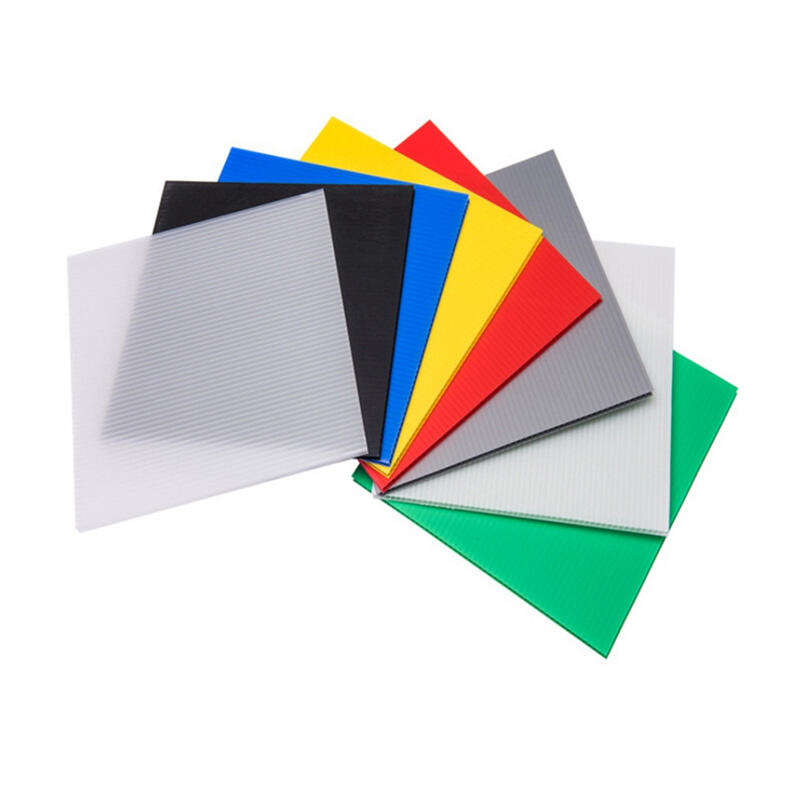
PP corrugated sheets have emerged as a revolutionary material in the construction and signage industries, offering unparalleled versatility for temporary structures and event displays. These lightweight yet durable plastic sheets provide an ideal sol...
View More

Get a Free Quote

Our representative will contact you soon.
Email
Name
Company Name
Message
0/1000

acm composite panels

Superior Weather Resistance and Longevity

Superior Weather Resistance and Longevity

ACM composite panels excel in providing exceptional weather resistance that protects buildings from diverse environmental challenges while maintaining their aesthetic appeal for decades. The advanced coating systems applied to these panels utilize fluoropolymer technology that creates an impermeable barrier against moisture, preventing water infiltration that could lead to structural damage or deterioration of building components. UV resistance represents a critical performance characteristic, as the specialized surface treatments prevent color fading, chalking, and polymer degradation that commonly affect other exterior materials when exposed to prolonged sunlight. Temperature cycling resistance ensures that ACM composite panels maintain their dimensional stability and structural integrity through repeated heating and cooling cycles, eliminating concerns about thermal stress cracking or panel warping that can compromise building envelopes. The corrosion resistance of the aluminum face sheets provides long-term protection against environmental pollutants, salt spray in coastal areas, and industrial chemicals that might otherwise cause material degradation. Wind load performance testing demonstrates that properly installed ACM composite panels can withstand significant wind pressures without failure, making them suitable for high-rise buildings and structures in hurricane-prone regions. Freeze-thaw cycle resistance prevents material failure in cold climates where repeated freezing and thawing of moisture could cause expansion and contraction damage. The hydrophobic properties of modern ACM composite panels promote rapid water shedding, reducing the likelihood of staining and biological growth while maintaining clean, attractive surfaces. Chemical resistance protects against acid rain, urban pollutants, and cleaning agents, ensuring that routine maintenance procedures do not compromise panel integrity or appearance. Impact resistance testing shows that ACM composite panels can absorb and distribute impact forces without permanent deformation, providing protection against hail, debris, and accidental contact. Quality assurance testing includes accelerated weathering protocols that simulate years of exposure in condensed timeframes, validating long-term performance expectations and warranty coverage for building owners and facility managers.
Exceptional Design Flexibility and Aesthetic Versatility

Exceptional Design Flexibility and Aesthetic Versatility

The design flexibility of ACM composite panels empowers architects and designers to realize complex architectural visions while maintaining practical installation and performance requirements. Fabrication capabilities allow for precise cutting, routing, and forming operations that create intricate details, curved surfaces, and three-dimensional architectural elements that enhance building aesthetics and visual impact. CNC machining compatibility enables the production of custom patterns, perforations, and decorative features directly into the panel surface, eliminating the need for secondary operations or additional materials to achieve desired design effects. Bendability characteristics permit the formation of smooth curves and complex geometries without compromising structural integrity, making ACM composite panels ideal for modern architectural styles that emphasize flowing lines and organic shapes. Color matching precision ensures consistent appearance across multiple panel installations, while custom color development services can create unique finishes that match specific design requirements or corporate branding elements. Texture options extend beyond smooth finishes to include wood grain patterns, metallic effects, and brushed surfaces that provide tactile interest and visual depth without sacrificing the practical benefits of aluminum composite construction. Dimensional stability during fabrication prevents warping or distortion during cutting and forming operations, ensuring that finished installations maintain precise alignment and professional appearance. Joint design flexibility accommodates various aesthetic preferences, from minimal reveal joints that create continuous surface effects to pronounced shadow lines that emphasize panel modularity and architectural rhythm. Integration capabilities with other building materials allow ACM composite panels to complement glass, stone, concrete, and other facade elements seamlessly, supporting mixed-material design approaches that create visual interest and architectural sophistication. Surface printing technologies enable the reproduction of photographic images, artistic designs, and complex patterns directly onto ACM composite panels, opening possibilities for feature walls, branding applications, and artistic installations. Panel sizing options accommodate both large-format installations that minimize joint lines and smaller modules that facilitate complex geometric arrangements, providing design teams with maximum creative freedom while maintaining practical installation considerations.

Cost-Effective Installation and Long-Term Value

Cost-Effective Installation and Long-Term Value

ACM composite panels deliver outstanding cost-effectiveness through streamlined installation processes and exceptional long-term value that benefits project budgets and building lifecycle economics. The lightweight characteristics of these panels reduce structural requirements, allowing for more economical building frame designs and foundation systems while simplifying transportation and handling logistics that can significantly impact project costs. Installation efficiency results from the manageable size and weight of ACM composite panels, enabling smaller installation crews to complete facade projects more quickly than would be possible with heavier materials, reducing labor expenses and project duration. Standard fabrication techniques eliminate the need for specialized equipment or extensive training, as conventional metalworking tools and methods can achieve professional results, making ACM composite panels accessible to a broad range of contractors and installation teams. Waste reduction during installation minimizes material costs, as the precise cutting and forming capabilities of ACM composite panels reduce off-cuts and unusable remnants compared to less predictable materials like natural stone or irregular metal products. Mechanical fastening systems provide secure attachment without requiring expensive structural modifications or specialized anchoring systems, simplifying building integration while maintaining reliable performance under service loads. Maintenance cost savings accumulate over building lifecycles, as ACM composite panels require minimal ongoing care beyond periodic cleaning, eliminating expenses associated with repainting, sealing, or major refinishing projects that other materials often demand. Energy efficiency contributions reduce operational costs through improved thermal performance that helps maintain comfortable interior temperatures while reducing heating and cooling system demands. Warranty coverage typically extends for substantial periods, providing building owners with confidence in long-term performance and protection against premature failure or degradation issues. Replacement accessibility ensures that individual panels can be removed and replaced if damage occurs, avoiding the need for extensive facade reconstruction that would be necessary with monolithic cladding systems. Insurance benefits may include reduced premiums for buildings clad with fire-resistant ACM composite panels that meet safety standards, providing additional long-term value for building owners and operators who prioritize risk management and safety compliance.