Premium Aluminium Sandwich Sheet Solutions - Lightweight, Durable & Energy Efficient Building Materials

Get a Free Quote

Our representative will contact you soon.
Email
Name
Company Name
Message
0/1000

aluminium sandwich sheet

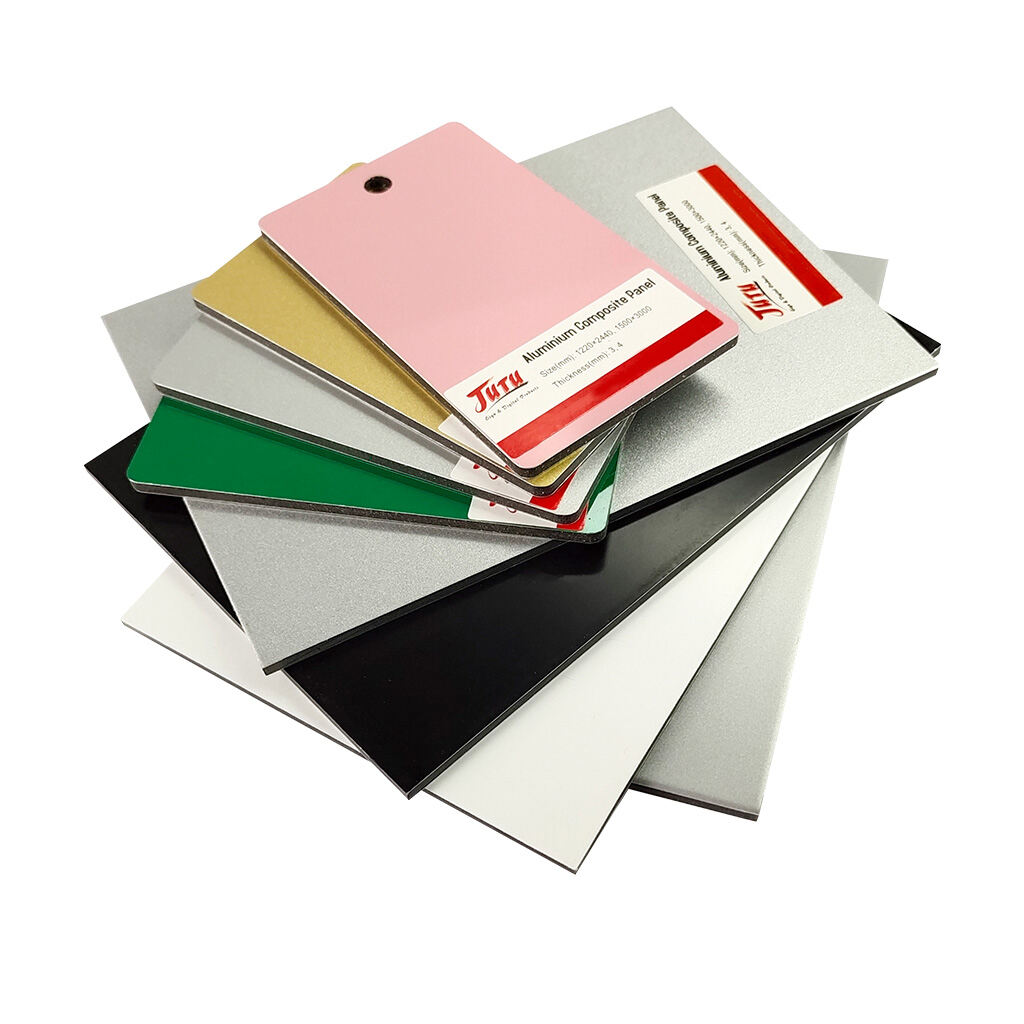
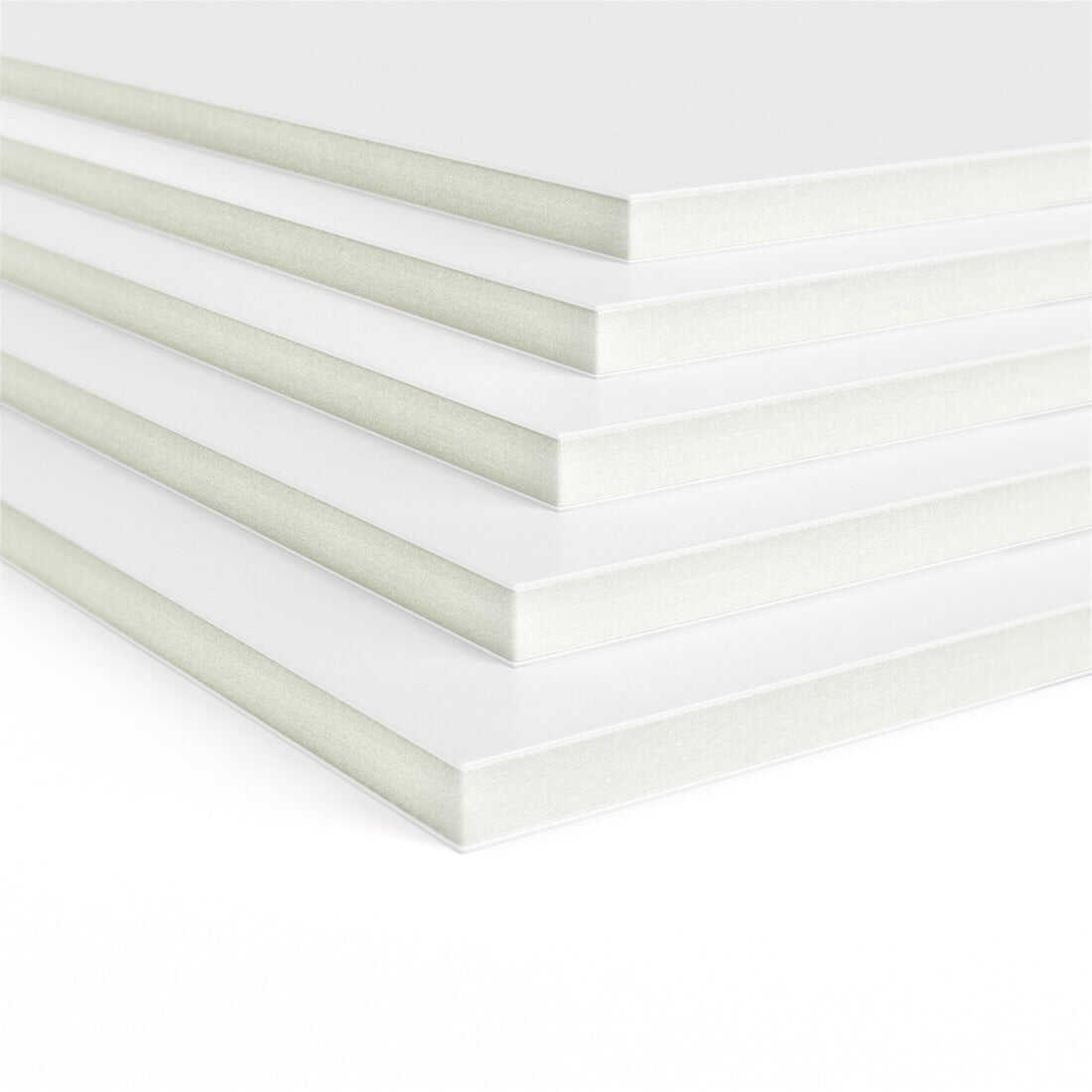
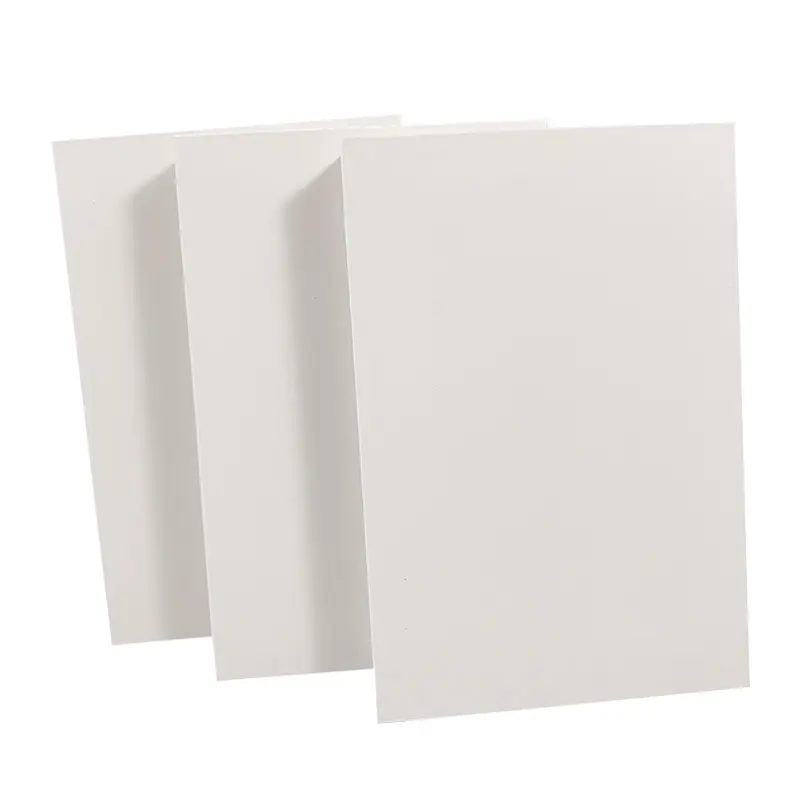
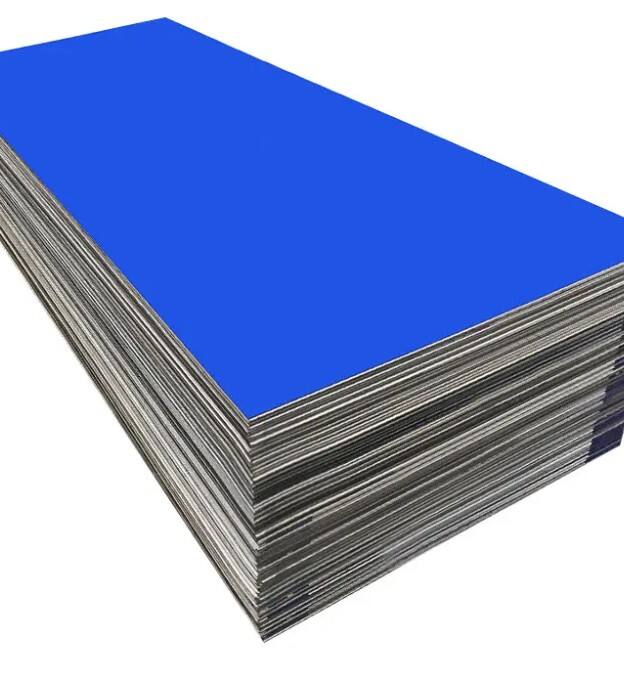
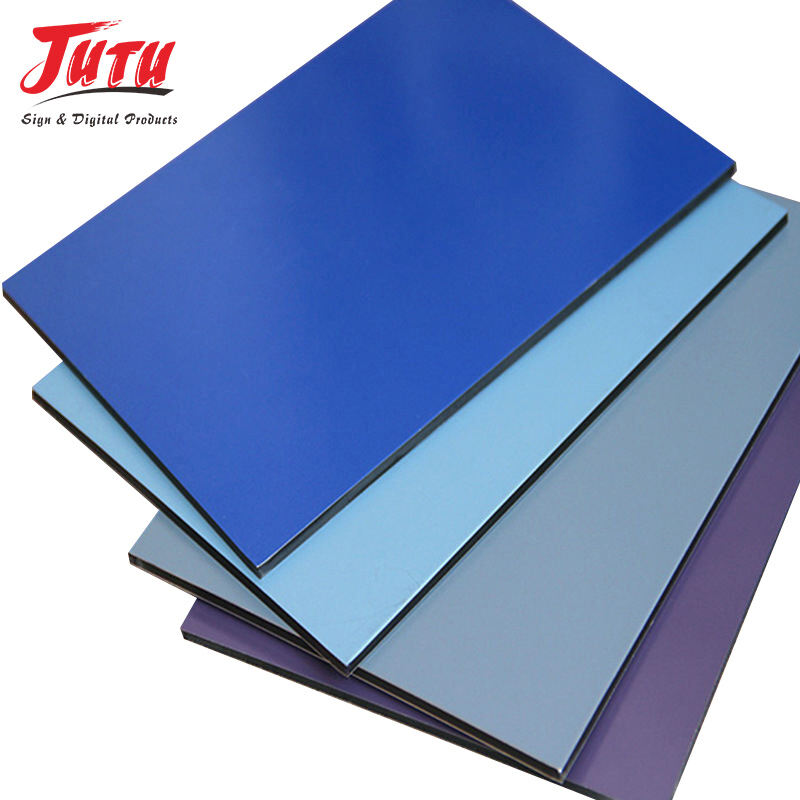
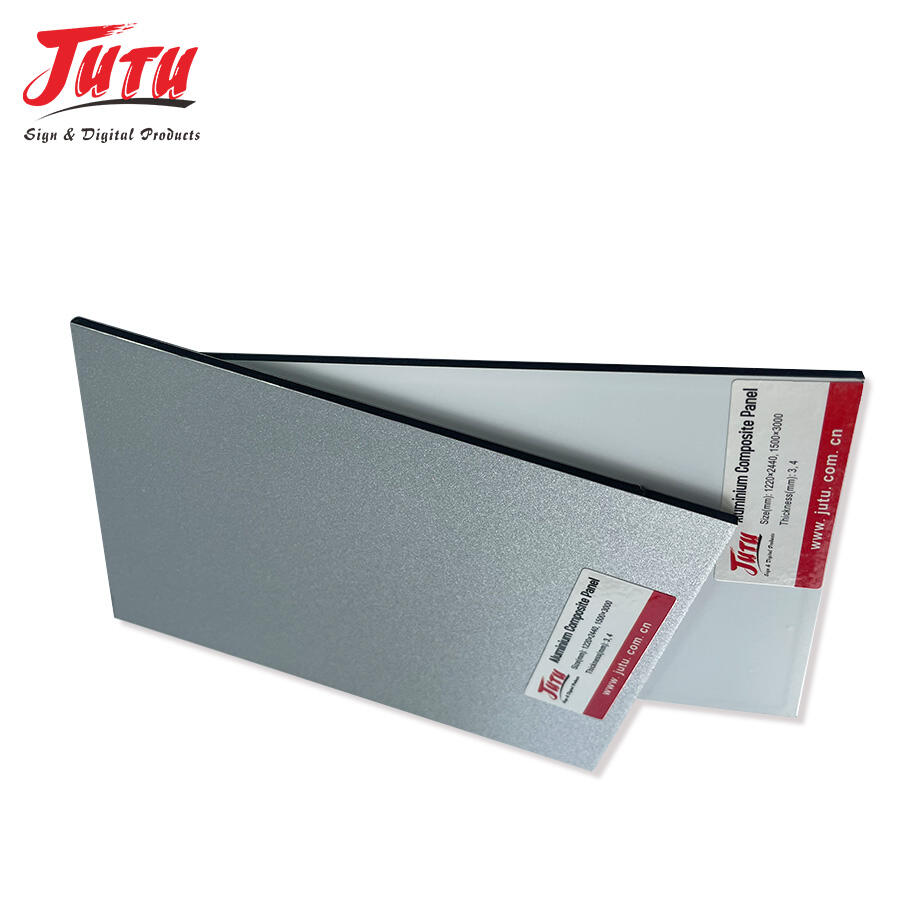
The aluminium sandwich sheet represents a revolutionary construction material that combines lightweight properties with exceptional structural integrity. This innovative building component consists of two thin aluminium sheets bonded to a lightweight core material, typically made from polyethylene, honeycomb, or foam materials. The aluminium sandwich sheet delivers outstanding performance across multiple construction and industrial applications, making it an increasingly popular choice for modern building projects. The core technology behind the aluminium sandwich sheet involves advanced lamination processes that create a composite structure significantly stronger than its individual components. The outer aluminium layers provide weather resistance, corrosion protection, and aesthetic appeal, while the inner core contributes insulation properties and structural stability. This unique configuration allows the aluminium sandwich sheet to maintain rigidity while remaining remarkably lightweight compared to solid metal alternatives. Manufacturing processes for the aluminium sandwich sheet utilize precision engineering to ensure consistent quality and performance standards. The bonding agents used in production create permanent adhesion between layers, eliminating delamination concerns that plague inferior composite materials. Quality control measures throughout production guarantee that each aluminium sandwich sheet meets strict industry specifications for flatness, thickness tolerance, and structural integrity. The versatility of the aluminium sandwich sheet extends across numerous sectors, from architectural cladding to transportation applications. Construction professionals value the material's ability to span large distances without intermediate support structures, reducing installation complexity and labor costs. The thermal properties of the aluminium sandwich sheet contribute to energy-efficient building designs, while its fire-resistant characteristics enhance safety compliance in commercial and residential projects.

New Product Recommendations

The aluminium sandwich sheet offers numerous practical benefits that make it superior to traditional building materials in many applications. Weight reduction stands as one of the most significant advantages, as the aluminium sandwich sheet weighs approximately sixty percent less than solid aluminium sheets of equivalent strength. This weight savings translates directly into reduced structural loads on buildings, lower transportation costs, and easier handling during installation procedures. Construction teams can manipulate larger panels with standard equipment, accelerating project timelines and reducing labor expenses. The structural performance of the aluminium sandwich sheet exceeds expectations for such a lightweight material. The composite design creates exceptional bending strength and rigidity that surpasses solid sheets of similar weight. This enhanced structural capacity allows architects and engineers to design longer spans and reduce supporting framework requirements. The aluminium sandwich sheet maintains dimensional stability under varying temperature conditions, preventing warping and distortion that can compromise building envelope integrity. Thermal insulation properties provide another compelling advantage of the aluminium sandwich sheet. The core material acts as a thermal barrier, significantly reducing heat transfer through the building envelope. This insulation capacity helps maintain comfortable interior temperatures while reducing heating and cooling energy consumption. Buildings utilizing the aluminium sandwich sheet often achieve better energy efficiency ratings and lower operational costs throughout their service life. Installation efficiency represents a major practical benefit for contractors and building owners. The large panel sizes and lightweight nature of the aluminium sandwich sheet enable faster installation compared to multiple smaller components. Fewer joints and connections reduce potential leak points and simplify weatherproofing requirements. The material's workability allows on-site cutting and shaping using standard tools, providing flexibility for complex architectural designs. Durability and maintenance advantages make the aluminium sandwich sheet an economical long-term investment. The aluminium surfaces resist corrosion, weathering, and UV degradation without requiring frequent maintenance or protective coatings. The non-combustible properties enhance fire safety while the smooth surfaces facilitate easy cleaning and maintenance procedures. These characteristics combine to provide excellent return on investment through reduced lifecycle costs and extended service life.

Practical Tips

Why Choose PVC Celuka Foam for Your Next Project

07

Nov

Why Choose PVC Celuka Foam for Your Next Project

Introduction to PVC Celuka Foam PVC Celuka foam is a high-performance material known for its durability, smooth finish, and versatile applications across multiple industries. Produced through the Celuka extrusion process, this material features a den...
View More
Durability and Aesthetics: The Advantages of Aluminum Composite Plates

07

Nov

Durability and Aesthetics: The Advantages of Aluminum Composite Plates

Aluminum composite plates deliver an exceptional balance of durability and aesthetics. Their advanced material composition ensures strength and resilience, while their design flexibility allows for creative applications. Industries such as architectu...
View More
How PVC Wall Panels Are Reshaping Modern Interior Design

23

Dec

How PVC Wall Panels Are Reshaping Modern Interior Design

The interior design landscape is experiencing a revolutionary transformation, with innovative materials taking center stage in modern construction and renovation projects. Among these game-changing solutions, PVC wall panels have emerged as a versati...
View More
Structural Properties of Paper Foam Board in Lightweight Designs

06

Jan

Structural Properties of Paper Foam Board in Lightweight Designs

Modern manufacturing industries continuously seek materials that offer exceptional strength-to-weight ratios while maintaining cost-effectiveness and environmental sustainability. Paper foam board has emerged as a revolutionary solution in lightweigh...
View More

Get a Free Quote

Our representative will contact you soon.
Email
Name
Company Name
Message
0/1000

aluminium sandwich sheet

Superior Strength-to-Weight Performance Revolution

Superior Strength-to-Weight Performance Revolution

The aluminium sandwich sheet delivers unprecedented strength-to-weight performance that transforms construction possibilities across multiple industries. This remarkable characteristic stems from the innovative composite structure that leverages engineering principles similar to those found in aerospace applications. The outer aluminium skins work in tension and compression while the lightweight core resists shear forces, creating a structural system that maximizes material efficiency. This design philosophy allows the aluminium sandwich sheet to achieve bending strength values that often exceed solid aluminium plates while using significantly less material. The engineering behind this performance involves careful selection of core materials and precise control of bonding processes. High-quality polyethylene or honeycomb cores provide optimal strength distribution while maintaining minimal weight. The aluminium skins, typically ranging from 0.3mm to 1.0mm thickness, contribute structural continuity and environmental protection. This combination enables the aluminium sandwich sheet to span greater distances with reduced deflection compared to conventional materials. Real-world applications demonstrate the practical benefits of this strength-to-weight ratio. In curtain wall systems, the aluminium sandwich sheet enables larger panel sizes that reduce the number of structural supports required. This reduction in framework not only decreases material costs but also creates more open interior spaces and improved aesthetic appeal. Transportation applications benefit similarly, as the lightweight nature of the aluminium sandwich sheet reduces vehicle weight while maintaining structural integrity for cargo protection. The manufacturing precision required to achieve consistent strength-to-weight performance sets quality aluminium sandwich sheet products apart from inferior alternatives. Advanced production techniques ensure uniform core distribution and optimal adhesion between layers. Quality control testing verifies that each panel meets specified performance criteria, providing confidence for structural applications. This reliability makes the aluminium sandwich sheet suitable for critical applications where performance consistency is essential.
Exceptional Thermal and Acoustic Insulation Properties

Exceptional Thermal and Acoustic Insulation Properties

The aluminium sandwich sheet provides outstanding thermal and acoustic insulation capabilities that significantly enhance building comfort and energy efficiency. The insulating core material creates an effective thermal barrier that dramatically reduces heat transfer through the building envelope. This thermal performance helps maintain consistent interior temperatures while reducing energy consumption for heating and cooling systems. The closed-cell structure of many core materials prevents convective heat transfer, while the low thermal conductivity of the core material minimizes conductive heat flow. Temperature differential testing demonstrates that the aluminium sandwich sheet can reduce heat transfer by up to seventy percent compared to solid metal panels of equivalent thickness. This thermal efficiency translates into substantial energy savings over the building's operational life. HVAC systems require less capacity to maintain comfortable conditions, reducing both initial equipment costs and ongoing operational expenses. The thermal mass of the aluminium sandwich sheet also helps stabilize interior temperatures by moderating rapid temperature fluctuations. Acoustic properties of the aluminium sandwich sheet contribute significantly to occupant comfort and productivity. The composite structure effectively dampens sound transmission, reducing noise levels between interior and exterior environments. The core material absorbs sound energy while the aluminium skins reflect certain frequencies, creating a multi-layered approach to noise control. Testing shows that properly designed aluminium sandwich sheet assemblies can achieve sound transmission class ratings suitable for commercial and residential applications. The combination of thermal and acoustic properties makes the aluminium sandwich sheet particularly valuable in urban environments where both energy efficiency and noise control are priorities. Office buildings benefit from reduced ambient noise levels that improve worker concentration and productivity. Residential applications enjoy quieter living spaces and lower energy bills. The dual functionality eliminates the need for separate insulation and sound-dampening materials, simplifying installation and reducing overall system costs. Quality control during manufacturing ensures consistent thermal and acoustic performance across production runs, providing reliable results for building designers and contractors.
Versatile Design Flexibility and Aesthetic Appeal

Versatile Design Flexibility and Aesthetic Appeal

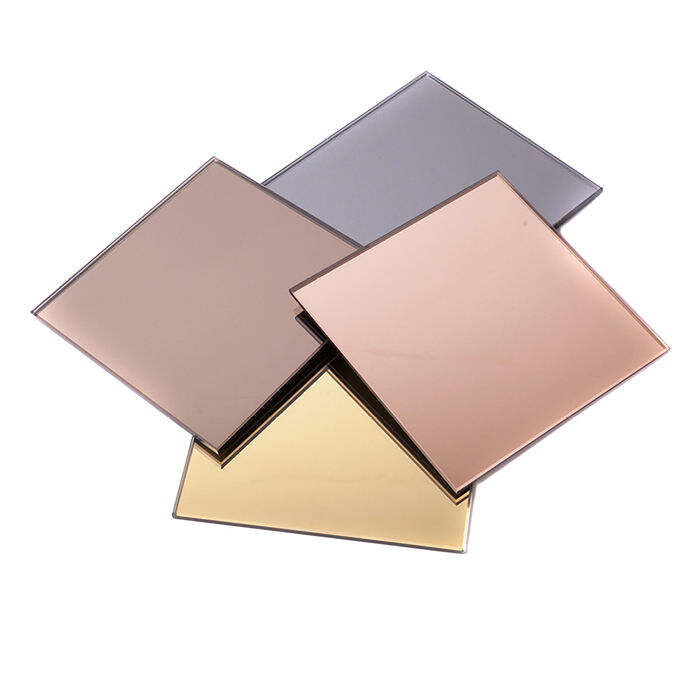
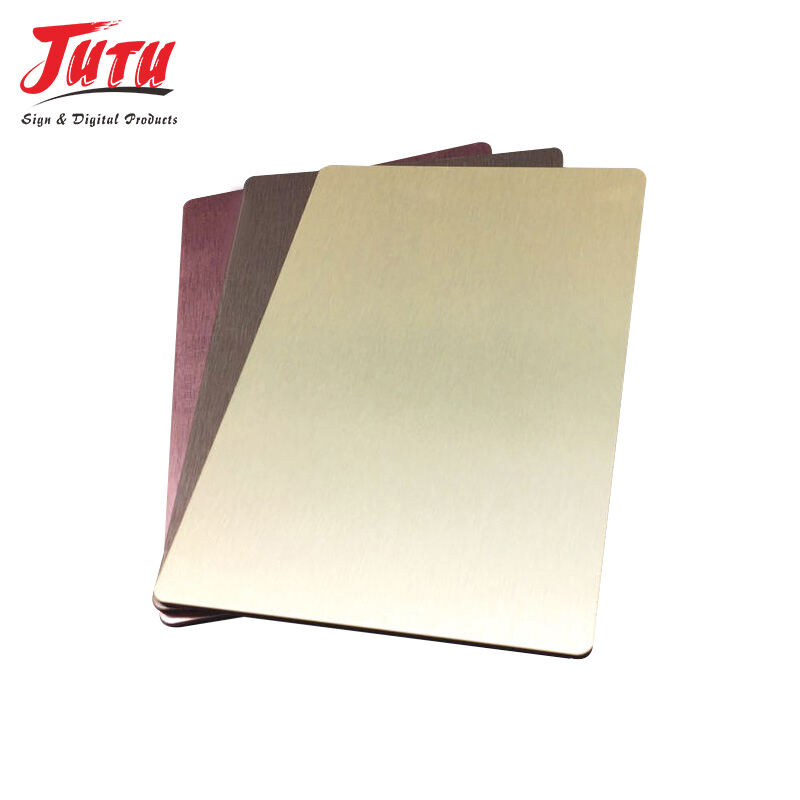
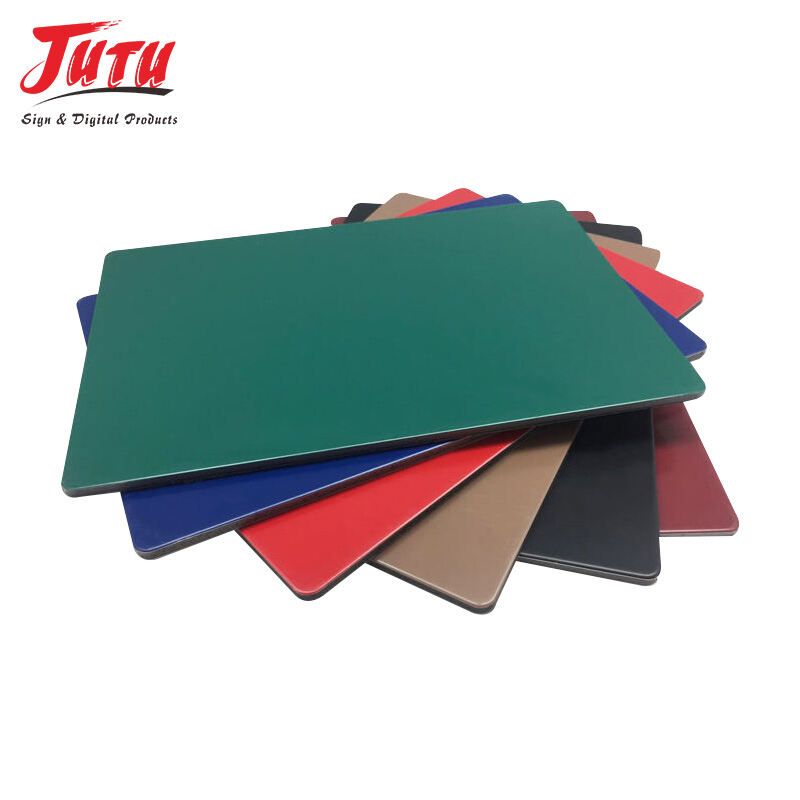
The aluminium sandwich sheet offers exceptional design flexibility that empowers architects and designers to create innovative and visually striking building facades. The material's workability allows for complex curved surfaces, geometric patterns, and custom shapes that would be difficult or impossible to achieve with traditional building materials. Modern fabrication techniques enable the aluminium sandwich sheet to be formed into three-dimensional shapes while maintaining structural integrity and weather resistance. This flexibility opens new possibilities for creative architectural expression without compromising functional performance. Surface finishing options for the aluminium sandwich sheet provide virtually unlimited aesthetic possibilities. Advanced coating technologies enable reproduction of natural materials like wood grain, stone textures, or metallic finishes. Digital printing capabilities allow custom graphics, patterns, or corporate branding to be incorporated directly into the panel surface. These finishing options maintain their appearance through years of weather exposure, thanks to the durability of modern coating systems. The colour stability and fade resistance of quality finishes ensure that the aluminium sandwich sheet maintains its intended appearance throughout its service life. The large panel sizes achievable with the aluminium sandwich sheet create opportunities for seamless architectural surfaces that enhance visual impact. Continuous runs of material eliminate the visual interruption of frequent joints while reducing potential maintenance issues. This capability is particularly valuable for contemporary architectural styles that emphasize clean lines and uninterrupted surfaces. The lightweight nature of the aluminium sandwich sheet enables these large panels without requiring excessive structural support, maintaining the economic advantages of the material. Installation versatility represents another aspect of the design flexibility offered by the aluminium sandwich sheet. The material can be installed as exterior cladding, interior partitions, or structural elements depending on the specific application requirements. Various attachment methods accommodate different structural systems and architectural details. The ability to cut and shape panels on-site provides contractors with flexibility to accommodate field conditions and design changes. This adaptability reduces waste and simplifies construction logistics while maintaining quality standards. The combination of aesthetic options and practical flexibility makes the aluminium sandwich sheet suitable for projects ranging from industrial facilities to high-end commercial developments, providing consistent performance across diverse applications.