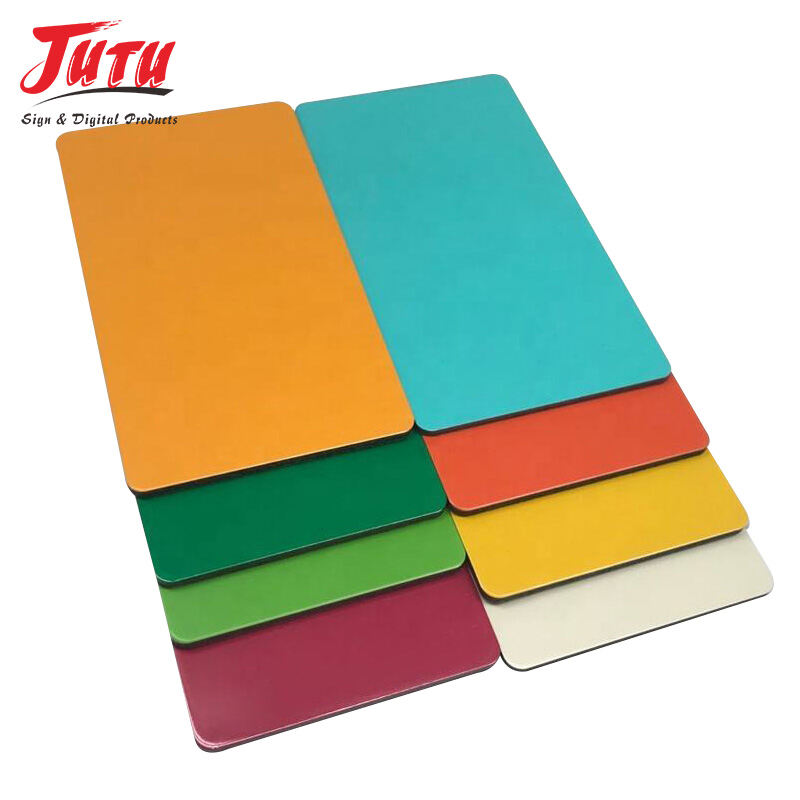
Premium Aluminum Composite Metal Panels - Durable Architectural Cladding Solutions

Get a Free Quote

Our representative will contact you soon.
Email
Name
Company Name
Message
0/1000

aluminum composite metal panels

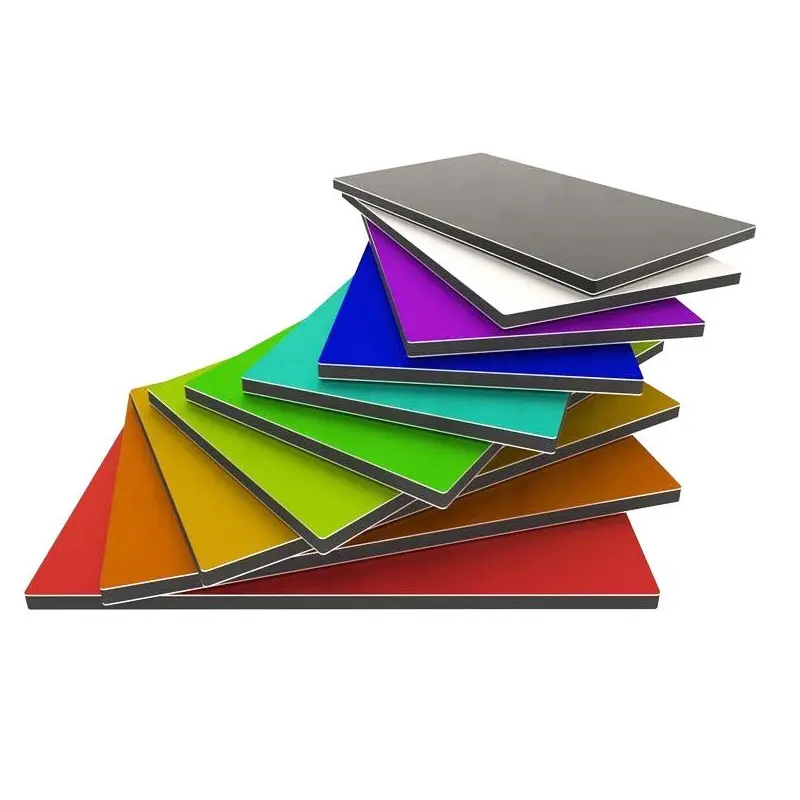
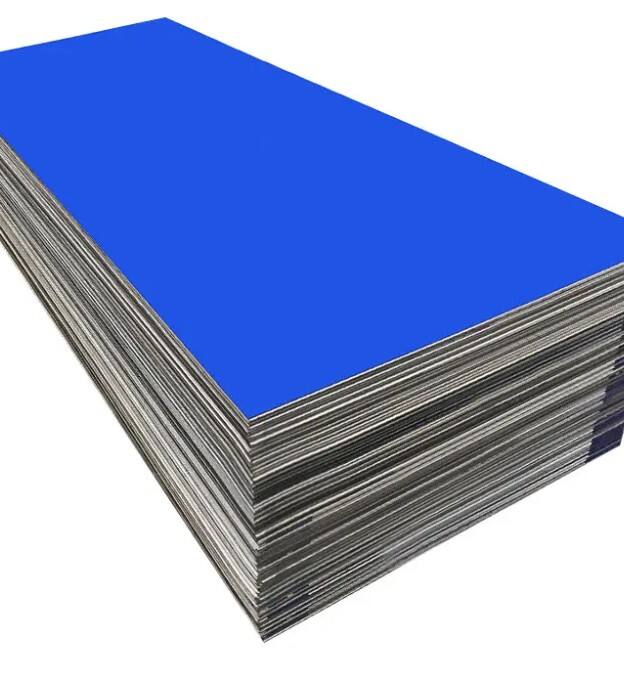
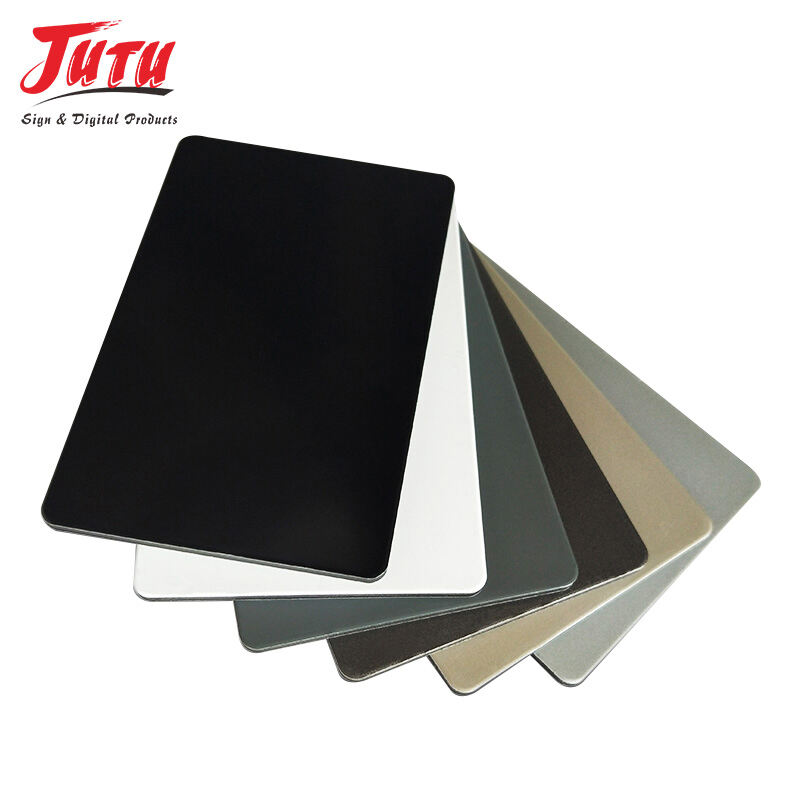
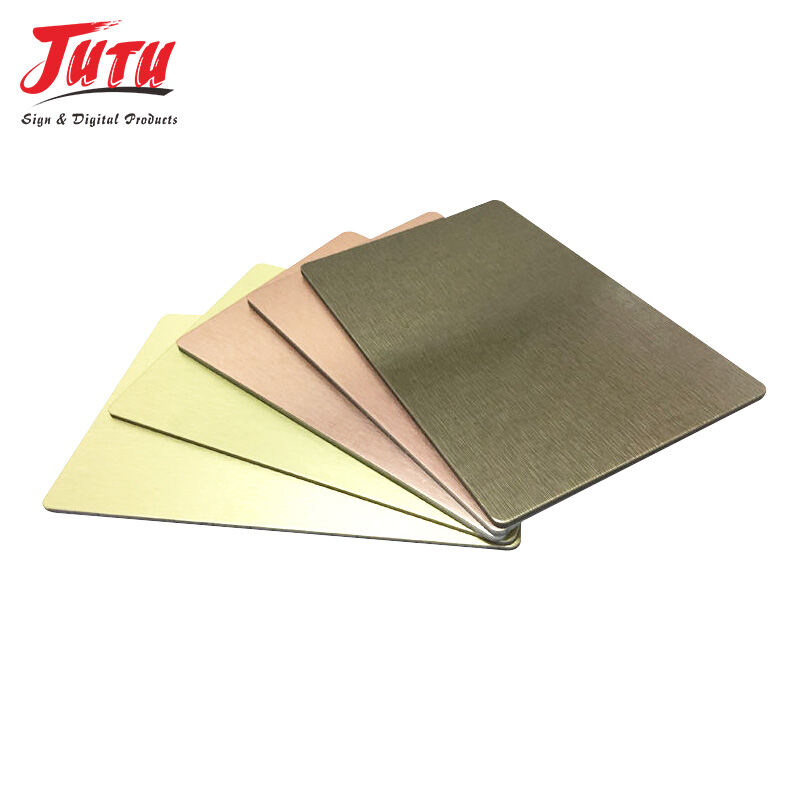
Aluminum composite metal panels represent a revolutionary building material that combines the lightweight properties of aluminum with enhanced structural integrity through advanced composite technology. These panels consist of two thin aluminum sheets bonded to a non-aluminum core, typically made from polyethylene or mineral-filled materials, creating a sandwich structure that delivers exceptional performance across multiple construction applications. The main functions of aluminum composite metal panels include providing superior weather protection, thermal insulation, and aesthetic enhancement for both interior and exterior architectural projects. These panels excel in moisture resistance, preventing water infiltration that could compromise building integrity over time. Their technological features encompass advanced surface treatments that resist corrosion, UV degradation, and environmental pollutants, ensuring long-lasting color retention and structural stability. The manufacturing process involves precision bonding techniques that create seamless integration between the aluminum faces and core materials, resulting in panels that maintain dimensional stability under varying temperature conditions. Applications for aluminum composite metal panels span across commercial construction, residential renovation projects, industrial facilities, and specialized architectural installations. These panels prove particularly valuable in curtain wall systems, building facades, interior partitions, and decorative cladding applications. The versatility of aluminum composite metal panels extends to signage applications, where their flat surface and paintability make them ideal for corporate branding and architectural signage solutions. Modern manufacturing techniques enable customization in terms of thickness, color, texture, and surface finishes, allowing architects and designers to achieve specific aesthetic goals while maintaining structural requirements. The panels demonstrate excellent workability, accepting standard metalworking tools for cutting, drilling, and forming operations, which simplifies installation processes and reduces labor costs. Fire-resistant variants of aluminum composite metal panels incorporate mineral-based cores that enhance safety performance in high-rise construction and public buildings where fire safety regulations demand superior materials.

New Product Recommendations

Aluminum composite metal panels deliver numerous practical benefits that make them an intelligent choice for modern construction projects. These panels provide exceptional durability that translates into long-term cost savings for building owners and contractors. Unlike traditional building materials that may deteriorate quickly under harsh weather conditions, aluminum composite metal panels maintain their structural integrity and appearance for decades with minimal maintenance requirements. The lightweight nature of these panels significantly reduces installation time and labor costs compared to heavier alternatives like solid metal sheets or concrete panels. Construction teams can handle and position aluminum composite metal panels more easily, leading to faster project completion and reduced risk of workplace injuries. The thermal performance of aluminum composite metal panels contributes to energy efficiency in buildings by providing effective insulation that helps regulate interior temperatures. This thermal barrier reduces heating and cooling costs throughout the building's operational life, delivering substantial utility savings that offset the initial material investment. Weather resistance stands out as another major advantage, as aluminum composite metal panels withstand extreme temperature fluctuations, heavy rainfall, high winds, and intense UV exposure without warping, cracking, or fading. The fire safety characteristics of specially formulated aluminum composite metal panels meet strict building codes and safety standards, providing peace of mind for property owners and occupants. These panels resist flame spread and produce minimal smoke during fire events, contributing to safer evacuation conditions. Maintenance requirements remain minimal due to the non-porous surface that resists dirt accumulation and allows for easy cleaning with standard washing techniques. The aesthetic versatility of aluminum composite metal panels enables architects to achieve sophisticated design goals while staying within budget constraints. Color consistency across large installations ensures uniform appearance that enhances property values and creates positive impressions for visitors and tenants. Installation flexibility allows aluminum composite metal panels to conform to curved surfaces and complex architectural geometries without compromising structural performance. The panels accept various fastening systems and mounting configurations, accommodating different construction methodologies and design preferences. Environmental sustainability benefits include recyclability at end-of-life and energy-efficient manufacturing processes that reduce carbon footprint compared to alternative materials.

Tips And Tricks

Aluminum Composite Plates: Versatility at Its Best

07

Nov

Aluminum Composite Plates: Versatility at Its Best

Exploring the Flexibility of Aluminum Composite Plates Aluminum Composite Plates have become a cornerstone material in modern architecture, advertising, and industrial design. Known for their strength, lightweight structure, and aesthetic flexibility...
View More
Durability and Aesthetics: The Advantages of Aluminum Composite Plates

07

Nov

Durability and Aesthetics: The Advantages of Aluminum Composite Plates

Aluminum composite plates deliver an exceptional balance of durability and aesthetics. Their advanced material composition ensures strength and resilience, while their design flexibility allows for creative applications. Industries such as architectu...
View More
Honeycomb Board Furniture: A New Dimension in Comfort

07

Nov

Honeycomb Board Furniture: A New Dimension in Comfort

Imagine furniture that's lightweight, durable, and eco-friendly. Honeycomb Board Furniture is revolutionizing how you think about design and sustainability. Its unique structure offers endless possibilities for modern living. You’ll love how it...
View More
Structural Analysis: Honeycomb Board Strength-to-Weight Ratios

06

Jan

Structural Analysis: Honeycomb Board Strength-to-Weight Ratios

The engineering world continuously seeks materials that deliver exceptional performance while maintaining minimal weight characteristics. Honeycomb board technology has emerged as a revolutionary solution, offering unprecedented strength-to-weight ra...
View More

Get a Free Quote

Our representative will contact you soon.
Email
Name
Company Name
Message
0/1000

aluminum composite metal panels

Superior Weather Protection and Longevity Performance

Superior Weather Protection and Longevity Performance

Aluminum composite metal panels excel in providing unmatched weather protection that ensures buildings maintain their structural integrity and visual appeal across decades of exposure to harsh environmental conditions. The advanced composite construction creates a barrier system that effectively blocks moisture penetration, prevents thermal bridging, and resists the damaging effects of UV radiation, salt spray, and industrial pollutants. The aluminum faces undergo specialized surface treatments that form protective oxide layers, enhancing corrosion resistance beyond what standard aluminum products can achieve. This superior protection becomes particularly valuable in coastal environments where salt-laden air accelerates corrosion in conventional materials, or in urban settings where acid rain and smog create challenging conditions for building exteriors. The core materials in aluminum composite metal panels contribute significantly to weather protection by maintaining dimensional stability under temperature cycling, preventing the expansion and contraction issues that plague solid metal panels. This stability eliminates the gap formation and joint failures that commonly occur with traditional cladding systems, maintaining the building envelope's integrity over time. The manufacturing process incorporates quality control measures that ensure consistent material properties throughout each panel, eliminating weak spots that could compromise weather protection performance. Advanced adhesive systems bond the aluminum faces to the core with strength that exceeds the mechanical properties of the individual components, creating a monolithic structure that distributes stress loads evenly across the panel surface. Testing protocols for aluminum composite metal panels include accelerated weathering studies that simulate decades of exposure in compressed timeframes, validating long-term performance predictions. These tests demonstrate that properly specified aluminum composite metal panels maintain their protective properties and aesthetic qualities far longer than conventional alternatives, justifying their selection for premium architectural applications. The longevity performance translates directly into reduced lifecycle costs, as building owners avoid frequent maintenance cycles, premature replacement expenses, and weather-related repairs that burden conventional cladding systems.
Exceptional Design Flexibility and Installation Efficiency

Exceptional Design Flexibility and Installation Efficiency

The design flexibility inherent in aluminum composite metal panels empowers architects and designers to realize complex architectural visions while maintaining practical installation considerations and cost-effectiveness. These panels accommodate sophisticated forming operations that enable curved surfaces, angular geometries, and seamless transitions between different building planes without compromising structural performance or aesthetic quality. The composite construction allows aluminum composite metal panels to bend and flex during installation without cracking or developing stress concentrations that could lead to premature failure. This formability proves essential for modern architectural designs that incorporate dramatic curves, folded surfaces, and dynamic geometric patterns that would be impossible or prohibitively expensive with rigid materials. Manufacturing capabilities include precision cutting, routing, and machining operations that create custom shapes, openings, and edge details tailored to specific project requirements. The panels accept standard fastening systems while also supporting innovative mounting configurations that enable floating appearances, shadow lines, and other sophisticated visual effects. Installation efficiency benefits from the lightweight characteristics of aluminum composite metal panels, which reduce crane requirements, minimize structural loading, and enable smaller installation crews to handle large panel sections safely. The panels arrive at construction sites pre-finished and ready for installation, eliminating on-site painting operations that introduce weather dependencies and quality control challenges. Joining systems for aluminum composite metal panels include mechanical fasteners, structural adhesives, and hybrid attachment methods that accommodate different structural conditions and architectural requirements. The panels integrate seamlessly with standard construction materials and building systems, simplifying coordination between trades and reducing potential conflicts during construction. Quality control during installation benefits from the dimensional accuracy and consistent material properties of aluminum composite metal panels, which eliminate the field adjustments and corrections commonly required with less precise materials. The panels provide immediate weather protection upon installation, allowing interior construction activities to proceed without waiting for additional weatherproofing operations.
Outstanding Cost-Performance Ratio and Value Engineering Benefits

Outstanding Cost-Performance Ratio and Value Engineering Benefits

Aluminum composite metal panels deliver exceptional value through their outstanding cost-performance ratio that encompasses initial material costs, installation efficiency, maintenance requirements, and long-term durability benefits. The economic advantages become apparent when evaluating total project costs rather than focusing solely on material unit prices, as aluminum composite metal panels reduce multiple cost categories simultaneously. Installation labor costs decrease significantly due to the lightweight nature and workability of these panels, which enable faster handling, positioning, and securing operations compared to heavier alternatives. The pre-finished surfaces eliminate costly field painting operations while ensuring color consistency and quality that surpasses site-applied finishes. Material waste reduction occurs naturally with aluminum composite metal panels due to their precise manufacturing tolerances and efficient nesting capabilities during cutting operations. The panels can be fabricated to exact dimensions, minimizing trim waste and reducing disposal costs that add up substantially on large projects. Energy performance benefits contribute to operational cost savings through improved thermal efficiency that reduces heating and cooling expenses throughout the building's service life. The insulating properties of aluminum composite metal panels create thermal barriers that complement building envelope systems, enhancing overall energy performance without requiring additional insulation materials. Maintenance cost advantages stem from the durability and cleanability of aluminum composite metal panels, which maintain their appearance with periodic washing rather than requiring repainting, sealing, or replacement cycles common with other materials. The non-porous surface resists staining and biological growth, reducing cleaning frequency and associated labor costs. Value engineering opportunities arise from the versatility of aluminum composite metal panels, which can fulfill multiple functions within building systems, potentially eliminating separate materials for weather barriers, aesthetic finishes, and thermal control. The panels contribute to faster project schedules by combining multiple construction activities into streamlined installation processes, reducing financing costs and enabling earlier occupancy dates. Lifecycle cost analysis consistently favors aluminum composite metal panels due to their extended service life, minimal maintenance requirements, and retained performance characteristics that avoid premature replacement expenses. Insurance benefits may apply due to the fire resistance and durability characteristics of aluminum composite metal panels, potentially reducing premium costs for commercial properties.