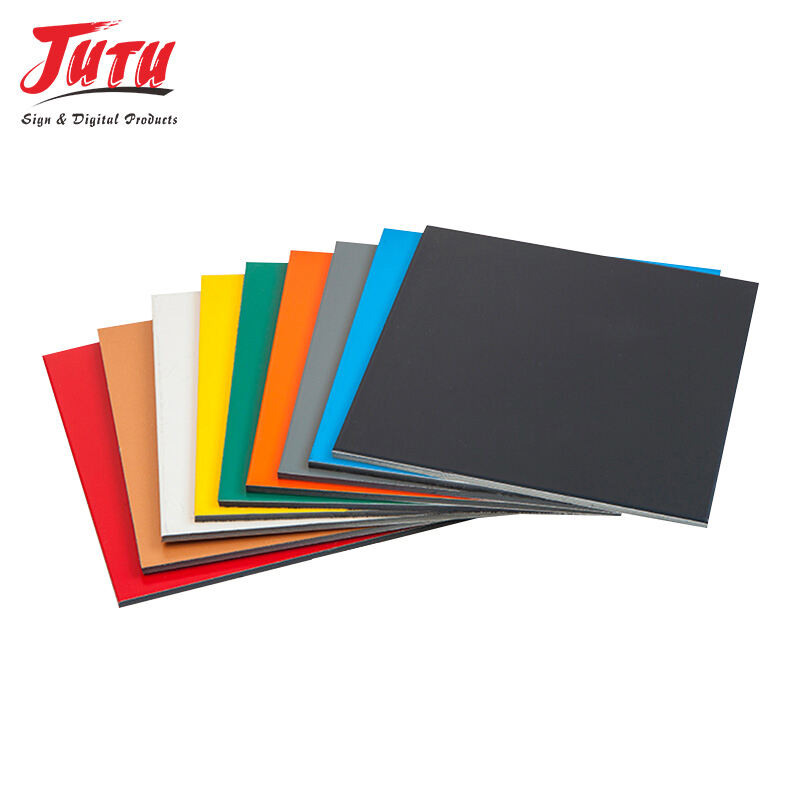
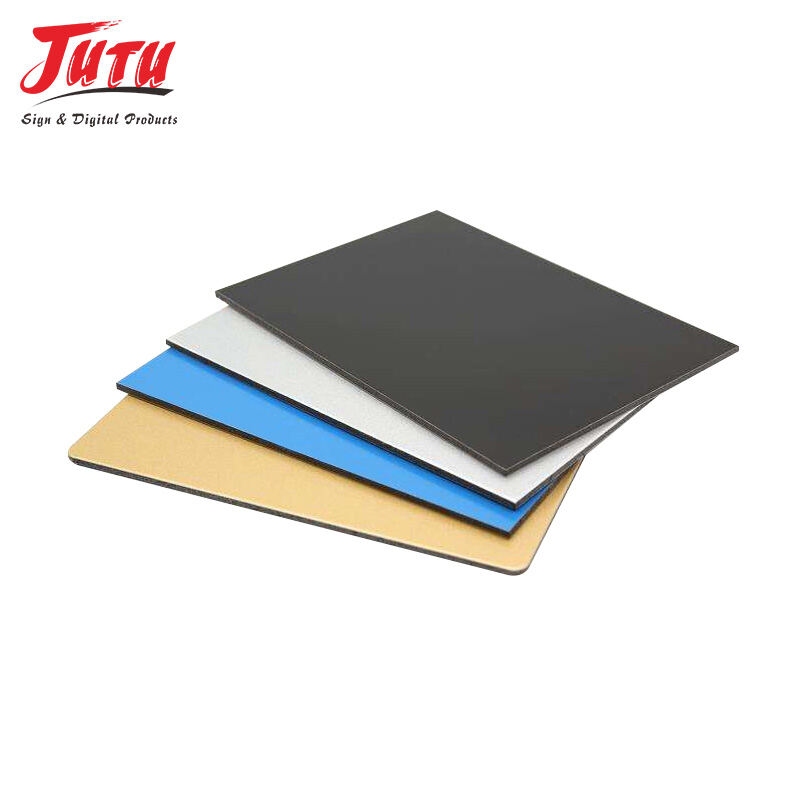
Premium Signage Aluminum Composite Panel - Durable, Versatile & Cost-Effective Signage Solutions

Get a Free Quote

Our representative will contact you soon.
Email
Name
Company Name
Message
0/1000

signage aluminum composite panel

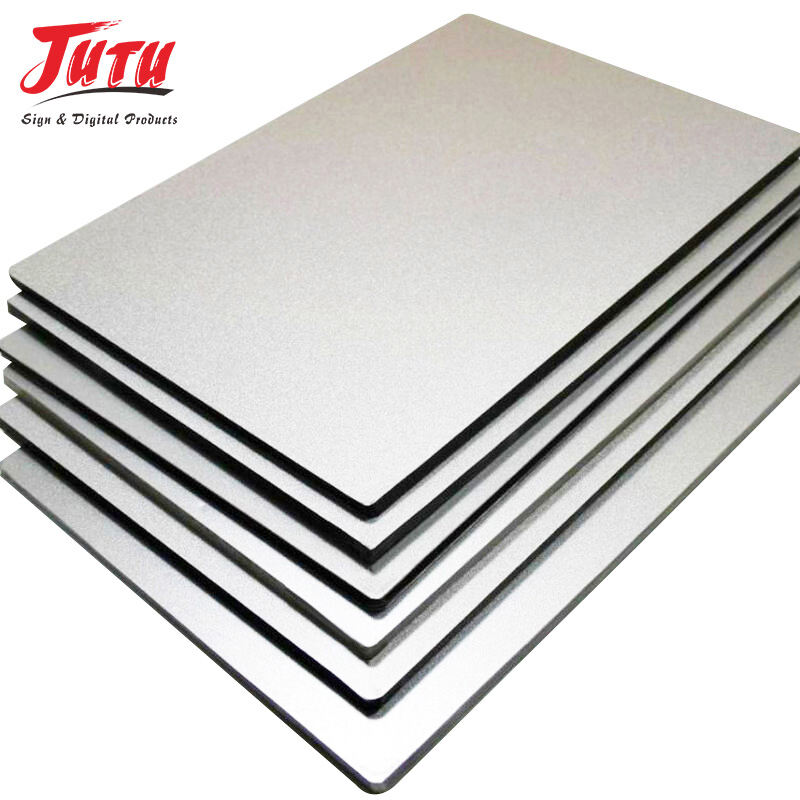
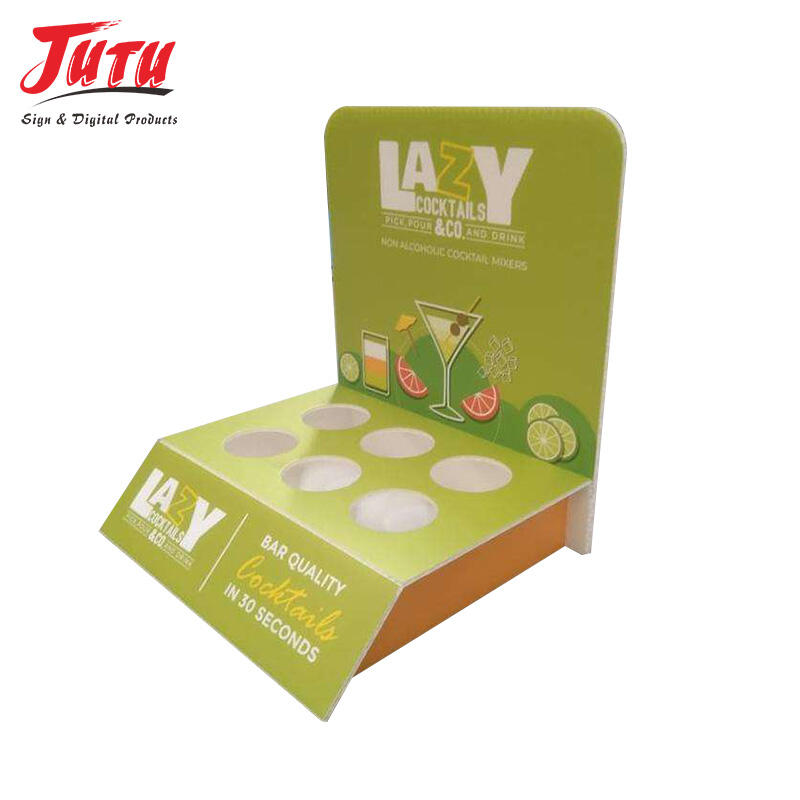
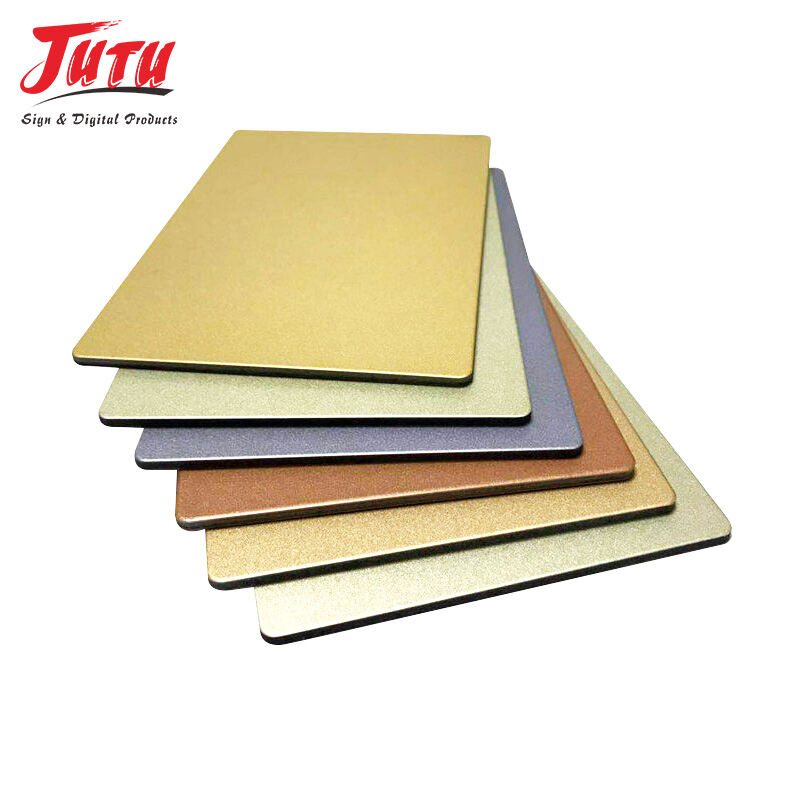
Signage aluminum composite panel represents a revolutionary building material specifically engineered for modern advertising and architectural applications. This innovative material consists of two thin aluminum sheets bonded to a non-aluminum core, typically made from polyethylene or mineral-filled materials. The signage aluminum composite panel delivers exceptional performance through its unique three-layer construction, providing businesses and architects with a versatile solution for exterior and interior signage projects. The primary functions of signage aluminum composite panel include weather resistance, structural stability, and aesthetic enhancement. These panels excel in outdoor environments where traditional materials often fail due to harsh weather conditions, UV exposure, and temperature fluctuations. The technological features of signage aluminum composite panel incorporate advanced bonding techniques that ensure long-term adhesion between layers, preventing delamination and maintaining structural integrity. The aluminum faces undergo specialized surface treatments, including anodizing or coating processes, which enhance corrosion resistance and provide superior paint adhesion. Manufacturing processes utilize precision rolling and laminating technologies to achieve consistent thickness and flatness across the entire panel surface. Quality control measures ensure that each signage aluminum composite panel meets strict dimensional tolerances and performance standards. Applications for signage aluminum composite panel span across multiple industries including retail, hospitality, healthcare, education, and commercial real estate. These panels serve as ideal substrates for channel letters, cabinet signs, monument signs, and large-format graphics. Interior applications include wall cladding, ceiling systems, and decorative elements where lightweight yet durable materials are essential. The versatility of signage aluminum composite panel extends to custom fabrication possibilities, allowing designers to create complex shapes, curves, and angular configurations that meet specific project requirements.

Popular Products

Signage aluminum composite panel offers remarkable durability that surpasses traditional signage materials by decades. This extended lifespan translates directly into cost savings for businesses, as replacement and maintenance expenses decrease significantly over time. The panels resist fading, chalking, and weathering effects that commonly plague other materials, ensuring your investment maintains its professional appearance year after year. Weather resistance stands as another compelling advantage of signage aluminum composite panel systems. These panels withstand extreme temperatures ranging from freezing conditions to intense heat without warping, cracking, or losing their structural properties. Rain, snow, hail, and wind pose minimal threats to properly installed signage aluminum composite panel installations, making them ideal for regions with challenging climates. The lightweight nature of signage aluminum composite panel reduces installation complexity and associated costs. Traditional materials often require extensive structural support systems, increasing both material and labor expenses. Signage aluminum composite panel installations require less structural reinforcement, allowing for faster installation times and reduced project costs. This weight advantage also enables creative mounting solutions that would be impossible with heavier alternatives. Fabrication flexibility represents a significant benefit for custom signage projects. Signage aluminum composite panel can be cut, routed, bent, and shaped using standard woodworking and metalworking tools, eliminating the need for specialized equipment or techniques. This versatility allows sign shops and fabricators to create complex designs, intricate cutouts, and three-dimensional elements that enhance visual impact. The smooth, flat surface of signage aluminum composite panel provides an excellent substrate for various graphic applications including vinyl lettering, direct printing, and painted finishes. Fire safety considerations make signage aluminum composite panel an intelligent choice for commercial applications. Many formulations meet strict building codes and fire ratings required for high-rise buildings and public spaces. The non-combustible aluminum faces and fire-retardant core materials contribute to overall building safety while maintaining aesthetic appeal. Maintenance requirements for signage aluminum composite panel remain minimal throughout the product lifecycle. Simple cleaning with mild detergents and water restores the original appearance, eliminating the need for specialized cleaning products or procedures. This low-maintenance characteristic reduces ongoing operational costs and ensures consistent brand presentation.

Tips And Tricks

Why Honeycomb Board Furniture is Taking the Market by Storm

07

Nov

Why Honeycomb Board Furniture is Taking the Market by Storm

Introduction to Honeycomb Board Furniture Honeycomb board furniture has rapidly gained popularity across the global furniture industry due to its combination of lightweight design, high strength, and sustainability. Made from paper, aluminum, or comp...
View More
Durability and Clarity: What to Expect from Acrylic Board Manufacturers

07

Nov

Durability and Clarity: What to Expect from Acrylic Board Manufacturers

Acrylic boards offer unmatched strength and transparency. You can rely on their unique material properties to withstand impacts and maintain clarity over time. Advanced manufacturing techniques enhance their durability and clarity, making them ideal ...
View More
Acrylic Board Manufacturers: Your Key to Vibrant Color Displays

07

Nov

Acrylic Board Manufacturers: Your Key to Vibrant Color Displays

The Role of Acrylic Board Manufacturers in Vibrant Displays Customization Capabilities for Brand-Specific Needs Manufacturers of acrylic boards really stand out when it comes to custom options. Brands can tweak almost anything from color schemes to ...
View More
Innovative Architectural Uses of Acrylic Sheets in Modern Buildings

23

Dec

Innovative Architectural Uses of Acrylic Sheets in Modern Buildings

Modern architecture continues to evolve with innovative materials that offer both aesthetic appeal and functional benefits. Among these cutting-edge materials, acrylic sheets have emerged as a versatile solution that transforms conventional design ap...
View More

Get a Free Quote

Our representative will contact you soon.
Email
Name
Company Name
Message
0/1000

signage aluminum composite panel

Superior Weather Resistance and Longevity

Superior Weather Resistance and Longevity

The exceptional weather resistance of signage aluminum composite panel stems from its advanced engineering and material composition, making it the preferred choice for demanding outdoor applications. The aluminum exterior sheets provide an impermeable barrier against moisture infiltration, preventing the core material from absorbing water that could lead to expansion, contraction, or degradation over time. This moisture resistance proves critical in preventing freeze-thaw cycles from compromising panel integrity, a common failure mode in traditional signage materials. The surface treatments applied to signage aluminum composite panel create additional protective layers that resist UV radiation, acid rain, and atmospheric pollutants that typically cause premature aging in other materials. Advanced coating technologies, including PVDF and polyester finishes, maintain color stability and gloss retention for decades, ensuring that your signage investment continues to project a professional image throughout its service life. Temperature stability represents another crucial aspect of signage aluminum composite panel performance. The coefficient of expansion for aluminum closely matches that of the core material, minimizing thermal stress that could cause warping or separation between layers. This thermal compatibility allows signage aluminum composite panel installations to maintain flat, smooth surfaces even when subjected to extreme temperature variations common in many geographic regions. The panel construction resists thermal cycling effects that cause other materials to fatigue and fail prematurely. Wind load resistance capabilities of signage aluminum composite panel exceed those of many traditional alternatives due to the high strength-to-weight ratio achieved through the composite construction. The aluminum faces distribute wind forces across the entire panel surface, while the core material provides stability and prevents localized buckling. This combination allows for larger sign faces with reduced structural support requirements, enabling more impactful designs while maintaining safety margins. Long-term durability testing demonstrates that properly installed signage aluminum composite panel systems maintain their structural and aesthetic properties for 20-30 years or more, far exceeding the typical lifespan of painted steel, wood, or plastic alternatives.
Exceptional Fabrication Versatility and Design Freedom

Exceptional Fabrication Versatility and Design Freedom

The remarkable fabrication versatility of signage aluminum composite panel empowers designers and fabricators to realize virtually any creative vision while maintaining structural integrity and professional finish quality. This material readily accepts standard fabrication techniques including sawing, routing, drilling, and punching using conventional woodworking and metalworking equipment, eliminating the need for specialized tools or extensive training. The consistent material properties throughout each sheet ensure predictable results during fabrication processes, reducing waste and improving project efficiency. Bending and forming capabilities of signage aluminum composite panel allow for the creation of complex three-dimensional shapes that would be impossible or prohibitively expensive with traditional materials. The composite construction prevents cracking or splitting along bend lines, while the aluminum faces maintain smooth, continuous surfaces around curves and angles. This flexibility enables the production of curved signs, cylindrical elements, and angular designs that create striking visual impact and differentiate brands from competitors using conventional flat signage. Cutting and machining operations produce clean, precise edges that require minimal finishing work before installation. The aluminum faces resist chipping or delamination during cutting operations, while the core material provides stability that prevents blade wandering or rough edges. Complex cutout patterns, including intricate logos and decorative elements, can be achieved with standard CNC routing equipment, allowing for cost-effective customization that enhances brand recognition. Surface preparation for graphics application proves straightforward with signage aluminum composite panel due to the smooth, uniform surface texture achieved during manufacturing. The panels accept various graphic media including pressure-sensitive vinyls, screen-printed graphics, and digitally printed materials without special primers or surface treatments. Direct printing capabilities using UV-curable inks provide permanent, fade-resistant graphics that integrate seamlessly with the panel surface. Welding and mechanical fastening options provide secure joining methods for multi-panel installations. The aluminum faces accept standard welding techniques for permanent connections, while mechanical fasteners can be used for removable or serviceable connections. These joining capabilities enable the construction of large-scale signage systems from multiple panels while maintaining weather-tight seals and professional appearance.
Cost-Effective Installation and Long-Term Value

Cost-Effective Installation and Long-Term Value

The cost-effectiveness of signage aluminum composite panel extends far beyond the initial material price, encompassing installation savings, reduced maintenance costs, and extended service life that combine to deliver exceptional long-term value for commercial signage investments. The lightweight characteristics of signage aluminum composite panel, typically 50-70 percent lighter than solid aluminum sheets of equivalent thickness, significantly reduce structural support requirements and associated installation costs. This weight advantage allows for the use of lighter-duty mounting systems, reduced foundation requirements, and simplified installation procedures that decrease labor time and equipment needs. Installation efficiency improves dramatically when using signage aluminum composite panel compared to traditional alternatives. The panels ship flat and lightweight, reducing transportation costs and handling requirements. Standard fastening methods work effectively with the composite construction, eliminating the need for specialized hardware or installation techniques. The dimensional stability of signage aluminum composite panel ensures consistent fit-up during installation, reducing field adjustments and callbacks that increase project costs. Pre-fabrication capabilities allow for complete shop assembly and finishing before delivery to the installation site, minimizing field work and weather-related delays. Maintenance cost advantages become apparent within the first few years of service as signage aluminum composite panel installations require minimal upkeep compared to painted steel or wood alternatives. The factory-applied finishes resist chalking, fading, and staining, eliminating the need for periodic repainting or refinishing that represents a major ongoing expense for traditional signage materials. Simple cleaning with standard detergents restores the original appearance, while the non-porous surface prevents the accumulation of dirt and pollutants that plague other materials. Energy efficiency benefits result from the reflective properties of aluminum-faced signage aluminum composite panel, which can reduce cooling costs for buildings with extensive signage installations. The panels do not absorb and retain heat like darker traditional materials, contributing to overall building energy performance. Return on investment calculations consistently favor signage aluminum composite panel when total lifecycle costs are considered. The combination of extended service life, reduced maintenance requirements, and lower installation costs typically results in payback periods of 3-5 years compared to traditional alternatives, after which the ongoing cost advantages continue to accrue throughout the remaining service life of the installation.