 EN
EN

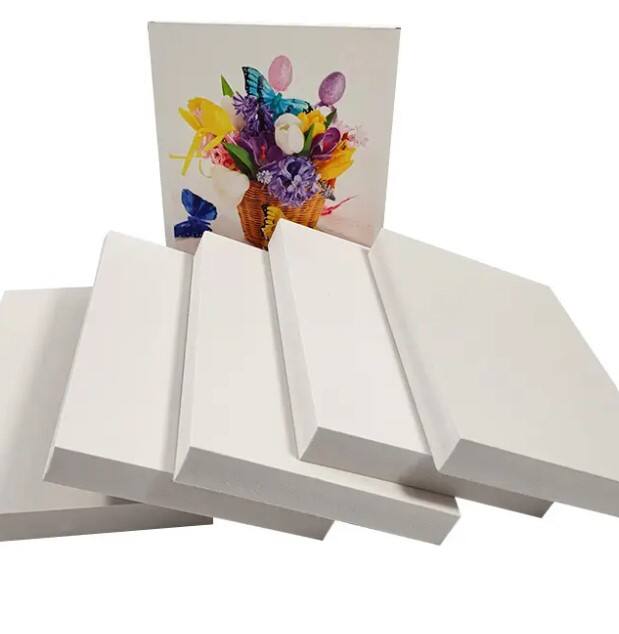
PP corrugated sheets have emerged as a revolutionary material in the construction and signage industries, offering unparalleled versatility for temporary structures and event displays. These lightweight yet durable plastic sheets provide an ideal solution for businesses and organizations seeking cost-effective, weather-resistant materials that can withstand various environmental conditions. The growing demand for PP corrugated sheets reflects their superior performance characteristics and adaptability across multiple applications, from construction hoarding to promotional signage.
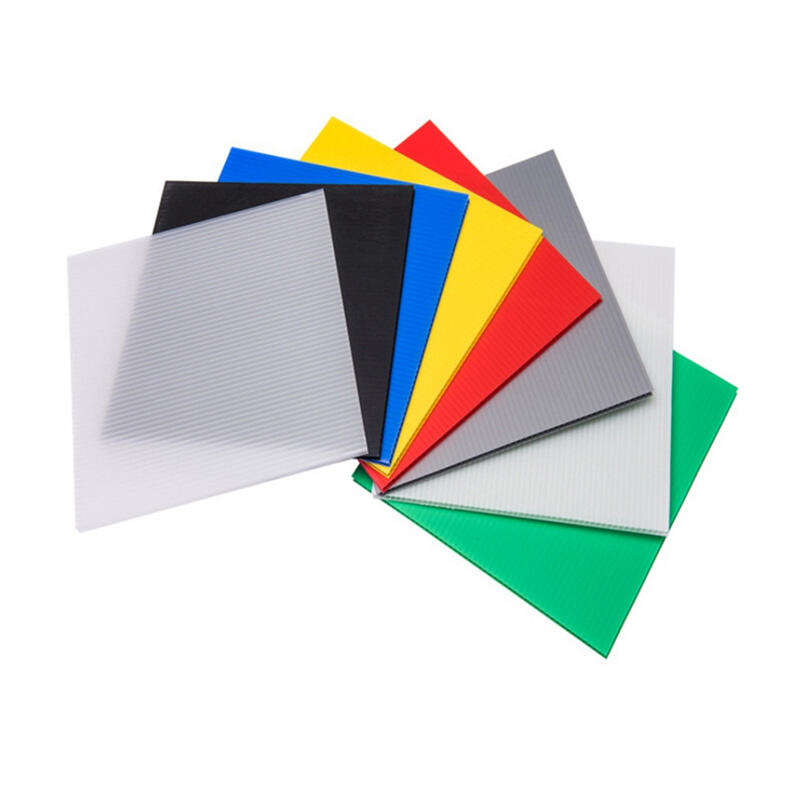
Understanding PP Corrugated Sheet Technology
Material Composition and Manufacturing Process
PP corrugated sheets are manufactured from high-grade polypropylene resin through an advanced extrusion process that creates a unique fluted core structure. This innovative design combines two flat outer surfaces with a corrugated inner layer, resulting in exceptional strength-to-weight ratio characteristics. The manufacturing process involves precise temperature control and specialized dies that form the distinctive corrugated pattern, ensuring consistent thickness and structural integrity throughout each sheet.
The polypropylene material used in these sheets undergoes careful selection and treatment to achieve optimal performance properties. Advanced additives enhance UV resistance, impact strength, and chemical stability, making PP corrugated sheets suitable for extended outdoor exposure. The manufacturing quality directly impacts the final product's durability and performance, with leading manufacturers implementing stringent quality control measures throughout the production cycle.
Physical Properties and Performance Characteristics
The unique corrugated structure of PP corrugated sheets delivers remarkable mechanical properties that surpass traditional flat plastic sheets. The fluted core design provides superior rigidity while maintaining lightweight characteristics, with typical densities ranging from 300 to 1200 grams per square meter. This optimal balance enables easy handling and installation while ensuring structural stability under various load conditions.
Temperature resistance represents another critical advantage of PP corrugated sheets, with operational ranges typically spanning from -20°C to +80°C. This thermal stability ensures consistent performance across diverse climate conditions, preventing warping, cracking, or dimensional changes that could compromise structural integrity. The material's inherent chemical resistance also provides protection against acids, alkalis, and organic solvents commonly encountered in industrial environments.
Applications in Temporary Structures
Construction Site Hoarding and Protection
Construction sites worldwide increasingly rely on PP corrugated sheets for temporary hoarding and protective barriers. These sheets offer superior durability compared to traditional materials while providing significant cost advantages over permanent solutions. The lightweight nature facilitates rapid installation and dismantling, reducing labor costs and project timelines while maintaining professional appearance standards.
Site protection applications benefit from the sheets' excellent weather resistance and impact tolerance. PP corrugated sheets effectively shield construction areas from wind, rain, and debris while providing clear visibility through optional transparent variants. The material's resistance to vandalism and graffiti makes it particularly valuable for urban construction projects where aesthetic considerations and security concerns intersect.
Temporary Roofing and Shelter Solutions
Emergency response scenarios and temporary facility construction frequently utilize PP corrugated sheets for rapid shelter deployment. These applications leverage the material's exceptional water resistance and structural stability to create effective temporary roofing systems. The sheets' ability to span considerable distances without intermediate support reduces framework requirements and accelerates construction timelines in critical situations.
Agricultural applications represent another significant market for temporary roofing solutions using PP corrugated sheets. Livestock shelters, equipment storage, and crop protection structures benefit from the material's corrosion resistance and low maintenance requirements. The sheets' translucent properties allow natural light transmission while providing weather protection, creating optimal conditions for various agricultural operations.
Event Signage and Display Applications
Trade Show and Exhibition Displays
Trade show environments demand materials that combine visual appeal with practical functionality, making PP corrugated sheets an ideal choice for exhibition displays. The smooth surface finish accepts various printing techniques, enabling high-quality graphics reproduction that maintains color vibrancy under artificial lighting conditions. Digital printing compatibility allows for complex designs and photographic images with exceptional detail resolution.
The modular nature of PP corrugated sheets facilitates creative display configurations that can be easily modified or reconfigured between events. Standard sheet dimensions align with common display frameworks, simplifying design and fabrication processes while reducing material waste. The sheets' durability ensures multiple-use capability, providing excellent return on investment for companies participating in regular trade show circuits.
Outdoor Event and Promotional Signage
Outdoor promotional campaigns require signage materials capable of withstanding environmental challenges while maintaining visual impact throughout extended exposure periods. PP corrugated sheets excel in these demanding applications, providing fade-resistant color retention and structural stability under varying weather conditions. The material's inherent waterproof properties eliminate concerns about moisture damage or delamination common with paper-based alternatives.
Real estate signage represents a particularly successful application area for PP corrugated sheets, where long-term outdoor exposure and professional appearance requirements converge. The sheets' resistance to UV degradation ensures that property information remains clearly visible and attractive throughout extended marketing periods. Easy replacement capabilities allow for quick updates when property details change or damage occurs.
Installation and Fabrication Techniques
Cutting and Shaping Methods
Professional fabrication of PP corrugated sheets requires understanding of optimal cutting techniques that preserve structural integrity while achieving precise dimensions. Standard utility knives work effectively for straight cuts, while circular saws with fine-tooth blades provide clean edges for complex shapes. The corrugated structure requires careful attention to cutting direction, with cuts parallel to the flutes typically producing cleaner results than perpendicular cuts.
Advanced fabrication techniques include thermal forming and welding capabilities that expand design possibilities beyond simple flat applications. Heat application allows for controlled bending and shaping, enabling curved surfaces and three-dimensional structures that maintain the material's protective properties. Ultrasonic welding creates strong, permanent joints between sheets, facilitating large-scale assembly projects with minimal visible seam lines.
Mounting and Support Systems
Effective mounting systems maximize the performance potential of PP corrugated sheets while ensuring long-term stability under operational loads. Standard hardware includes specialized clips and brackets designed specifically for corrugated profiles, providing secure attachment without penetrating the sheet surface. These clip systems distribute loads evenly across the corrugated structure, preventing stress concentrations that could lead to premature failure.
Framework design considerations must account for the sheets' thermal expansion characteristics and wind load requirements. Proper spacing between support points prevents sagging while allowing for natural material movement under temperature variations. Professional installation guides recommend specific fastener patterns and spacing requirements based on sheet dimensions and anticipated environmental conditions.
Cost-Effectiveness and Sustainability Benefits
Economic Advantages Over Traditional Materials
Financial analysis consistently demonstrates significant cost advantages when PP corrugated sheets replace traditional temporary structure materials. Initial material costs typically run 30-50% lower than equivalent metal or wood alternatives, while installation savings can double these advantages through reduced labor requirements. The lightweight characteristics of PP corrugated sheets eliminate heavy equipment needs for most applications, further reducing project costs.
Long-term economic benefits extend beyond initial procurement costs through reduced maintenance requirements and extended service life. PP corrugated sheets resist corrosion, rot, and insect damage that commonly affect traditional materials, eliminating ongoing repair and replacement expenses. Multi-use capability allows for material recovery and redeployment across multiple projects, maximizing return on investment throughout the product lifecycle.
Environmental Impact and Recycling Opportunities
Environmental consciousness drives increasing adoption of PP corrugated sheets as sustainable alternatives to disposable temporary structure materials. The polypropylene composition enables complete recycling at end-of-life, contributing to circular economy principles that minimize waste generation. Recycling processes convert used sheets into new polypropylene products, reducing demand for virgin plastic production and associated environmental impacts.
Manufacturing efficiency improvements continue to reduce the environmental footprint of PP corrugated sheets production. Advanced extrusion techniques minimize energy consumption while maximizing material utilization rates, reducing both production costs and environmental impact. The sheets' durability and reusability characteristics further enhance their environmental credentials by extending product lifecycles and reducing replacement frequency.
Quality Standards and Selection Criteria
Industry Specifications and Testing Protocols
Professional applications of PP corrugated sheets require adherence to established industry standards that ensure consistent quality and performance characteristics. International standards such as ISO and ASTM provide comprehensive testing protocols covering mechanical properties, environmental resistance, and safety requirements. These standardized tests enable objective comparison between different manufacturers and product grades.
Quality certification programs verify compliance with relevant standards while providing assurance of consistent manufacturing processes. Leading suppliers maintain comprehensive quality documentation that includes material certificates, test reports, and performance guarantees. This documentation proves essential for applications requiring specific performance criteria or regulatory compliance verification.
Supplier Evaluation and Product Selection
Successful PP corrugated sheets selection requires careful evaluation of supplier capabilities and product specifications relative to intended applications. Key evaluation criteria include manufacturing capacity, quality consistency, technical support availability, and delivery reliability. Established suppliers typically offer comprehensive product lines spanning various thicknesses, colors, and performance grades to meet diverse application requirements.
Technical support capabilities significantly impact project success, particularly for complex or specialized applications. Leading suppliers provide design assistance, fabrication guidance, and installation support that helps optimize material performance while minimizing potential problems. This technical expertise proves particularly valuable for first-time users or applications pushing the boundaries of conventional PP corrugated sheets usage.
Future Trends and Innovations
Advanced Material Formulations
Research and development efforts continue advancing PP corrugated sheets performance through innovative material formulations and manufacturing techniques. Enhanced UV stabilization systems extend outdoor service life while maintaining color stability and mechanical properties. Advanced impact modifiers improve damage resistance without compromising the lightweight advantages that make PP corrugated sheets attractive for temporary applications.
Smart material integration represents an emerging trend with potential to revolutionize PP corrugated sheets applications. Embedded sensors and monitoring capabilities could provide real-time feedback on structural loads, environmental conditions, and material condition. These smart features would enable predictive maintenance strategies and optimize replacement timing for critical applications.
Digital Integration and Customization
Digital printing advancement continues expanding the creative possibilities for PP corrugated sheets in signage and display applications. High-resolution capabilities now match traditional offset printing quality while offering variable data printing for personalized or location-specific messaging. Digital workflow integration streamlines the design-to-production process, reducing lead times and enabling rapid response to changing requirements.
Mass customization capabilities allow economic production of small quantities with unique specifications or graphics. This flexibility particularly benefits specialized applications where standard products may not meet specific requirements. Advanced manufacturing systems enable real-time specification adjustments and rapid prototyping for innovative applications.
FAQ
What is the typical lifespan of PP corrugated sheets in outdoor applications
PP corrugated sheets typically provide 3-5 years of reliable service in outdoor applications when properly selected and installed. UV-stabilized grades can extend this lifespan to 7-10 years in moderate climates. Factors affecting longevity include UV exposure intensity, temperature extremes, mechanical stress levels, and maintenance practices. Regular inspection and cleaning can significantly extend service life beyond manufacturer specifications.
How do PP corrugated sheets compare to aluminum sheets for temporary structures
PP corrugated sheets offer significant weight advantages over aluminum alternatives, typically weighing 60-70% less for equivalent structural performance. While aluminum provides superior fire resistance, PP corrugated sheets excel in corrosion resistance, impact tolerance, and installation simplicity. Cost analysis usually favors PP corrugated sheets for applications not requiring metallic properties or extreme temperature resistance.
Can PP corrugated sheets be painted or modified after installation
PP corrugated sheets can be successfully painted using appropriate primer systems designed for polypropylene surfaces. Flame treatment or chemical etching may be required to achieve adequate paint adhesion on smooth surfaces. Mechanical modifications such as drilling, cutting, or welding are easily accomplished with standard tools and techniques. However, modifications may affect warranty coverage and structural performance.
What safety considerations apply when using PP corrugated sheets in public areas
Public area installations require attention to fire safety regulations, wind load calculations, and pedestrian safety concerns. PP corrugated sheets meet most building codes for temporary structures but may require fire-retardant grades in certain applications. Proper anchoring systems must account for wind loads and potential impact from crowds or vehicles. Regular inspection ensures continued compliance with safety requirements throughout the installation period.
Table of Contents
- Understanding PP Corrugated Sheet Technology
- Applications in Temporary Structures
- Event Signage and Display Applications
- Installation and Fabrication Techniques
- Cost-Effectiveness and Sustainability Benefits
- Quality Standards and Selection Criteria
- Future Trends and Innovations
-
FAQ
- What is the typical lifespan of PP corrugated sheets in outdoor applications
- How do PP corrugated sheets compare to aluminum sheets for temporary structures
- Can PP corrugated sheets be painted or modified after installation
- What safety considerations apply when using PP corrugated sheets in public areas