Alucobond ACM Panels: Premium Aluminum Composite Cladding Solutions for Modern Architecture

Get a Free Quote

Our representative will contact you soon.
Email
Name
Company Name
Message
0/1000

alucobond acm panels

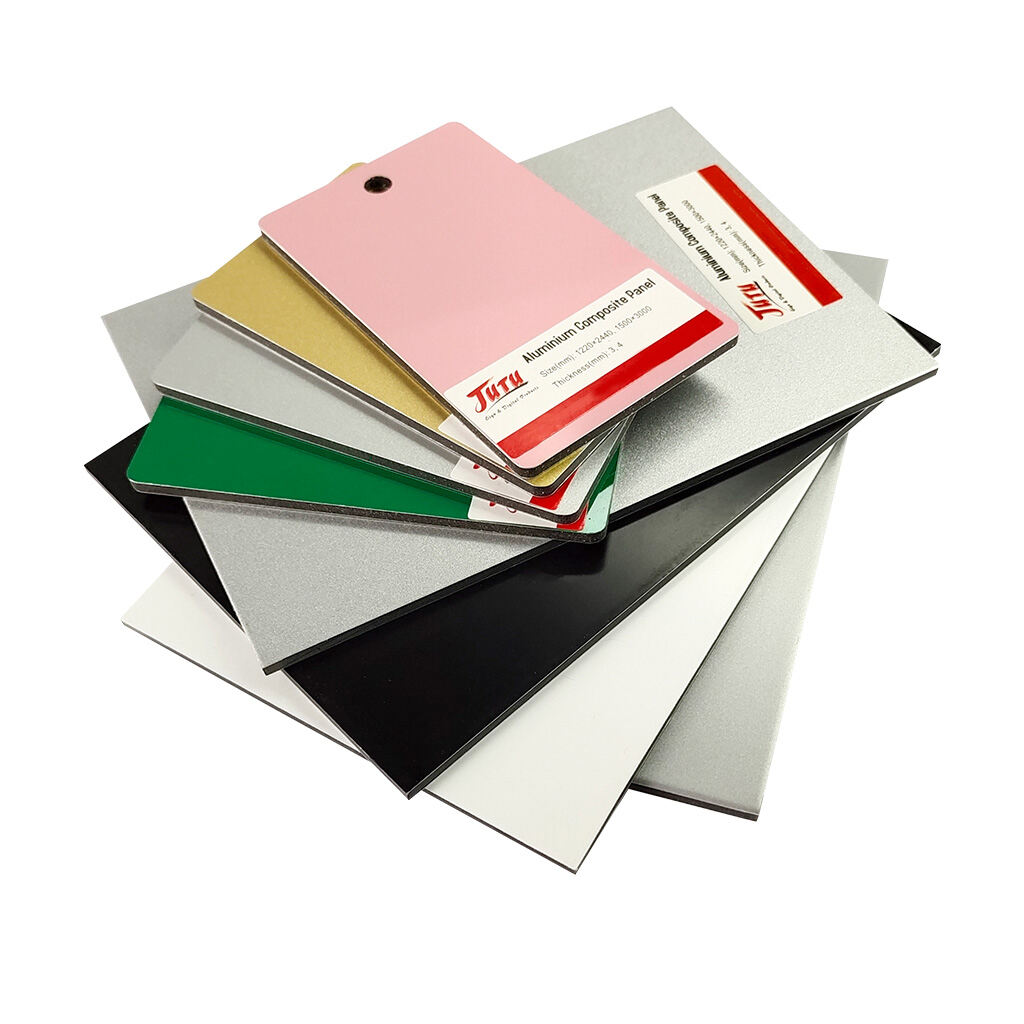
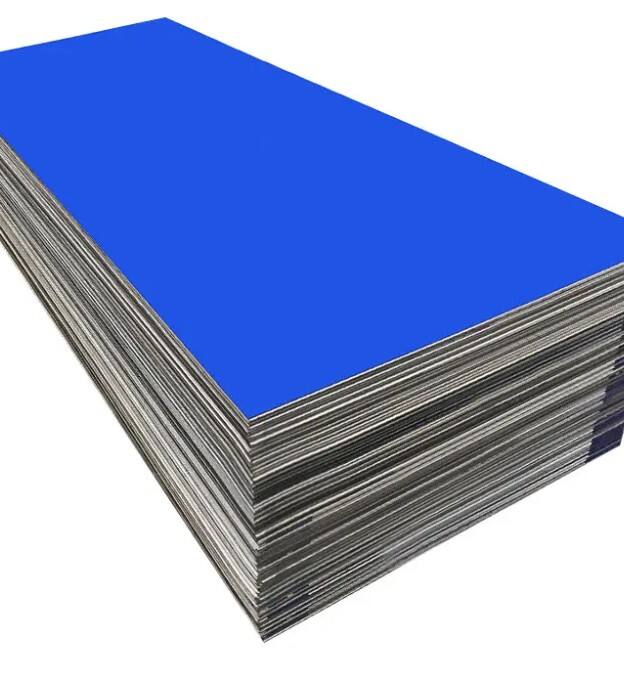
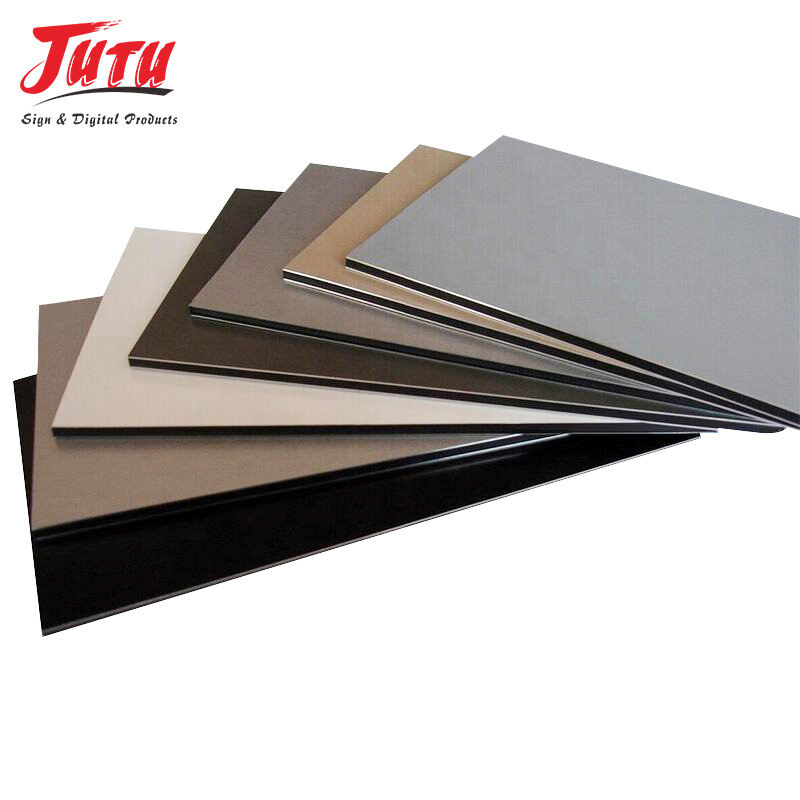
Alucobond ACM panels represent a revolutionary advancement in modern architectural cladding systems, combining superior performance with exceptional design versatility. These aluminum composite material panels consist of two thin aluminum sheets bonded to a thermoplastic core, creating a lightweight yet incredibly durable building material that has transformed contemporary construction practices. The sophisticated manufacturing process ensures consistent quality and dimensional stability, making alucobond ACM panels the preferred choice for architects and contractors worldwide. The core technology behind these panels utilizes advanced polymer chemistry to achieve optimal adhesion between the aluminum surfaces and the central core material. This innovative construction method results in panels that maintain structural integrity under extreme weather conditions while providing excellent thermal and acoustic insulation properties. The main functions of alucobond ACM panels extend beyond mere aesthetic enhancement, encompassing critical building performance aspects including weather protection, thermal regulation, and structural support. These panels serve as an effective barrier against moisture infiltration, wind loads, and temperature fluctuations, contributing significantly to building envelope efficiency. The technological features include a sophisticated coating system that provides exceptional resistance to UV radiation, chemical exposure, and atmospheric pollutants. The factory-applied finish ensures color consistency and longevity, eliminating the need for frequent maintenance or refinishing. Applications for alucobond ACM panels span across diverse sectors including commercial office buildings, retail centers, healthcare facilities, educational institutions, and residential developments. The panels excel in both new construction projects and renovation applications, offering designers unlimited creative possibilities. The modular installation system allows for complex geometric configurations while maintaining cost-effectiveness and installation efficiency. Advanced fabrication techniques enable the creation of curved surfaces, angled transitions, and intricate architectural details that would be challenging to achieve with traditional building materials.

Popular Products

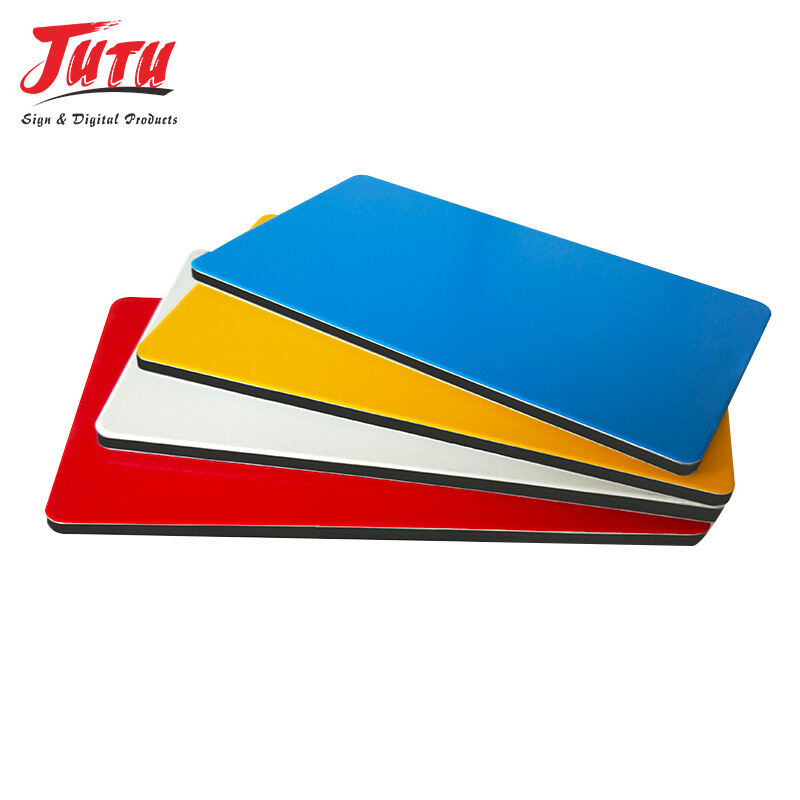
The advantages of alucobond ACM panels extend far beyond their visual appeal, delivering tangible benefits that directly impact project success and long-term building performance. These panels offer exceptional durability that significantly reduces maintenance costs over the building's lifecycle. Unlike traditional cladding materials that require regular painting or surface treatments, alucobond ACM panels maintain their appearance and structural properties for decades with minimal intervention. The lightweight nature of these panels reduces structural loading requirements, allowing architects to design more ambitious facades while keeping foundation and structural costs manageable. Installation teams appreciate the ease of handling and mounting, which translates to faster project completion times and reduced labor expenses. The thermal performance characteristics contribute to improved energy efficiency by creating an effective thermal barrier that helps regulate interior temperatures. This energy-saving capability leads to lower heating and cooling costs, making buildings more economically sustainable. Weather resistance stands as another compelling advantage, with alucobond ACM panels demonstrating superior performance against rain, snow, wind, and extreme temperature variations. The panels resist warping, cracking, and dimensional changes that commonly affect other cladding materials. Fire safety compliance meets stringent building codes through specially formulated core materials that provide appropriate fire ratings for various applications. The design flexibility allows architects to achieve complex geometric forms and smooth transitions between different building surfaces. Color options span an extensive palette, including metallic finishes, solid colors, and specialized textures that maintain vibrancy without fading. The panels accept various surface treatments including brushing, perforation, and custom printing, enabling unique architectural expressions. Fabrication capabilities include precise cutting, forming, and joining techniques that ensure tight tolerances and professional installation results. The cost-effectiveness becomes apparent when considering the total project lifecycle, including material costs, installation efficiency, maintenance requirements, and energy savings. Quality control measures during manufacturing ensure consistent panel properties and reliable performance across entire project installations. Environmental considerations include recyclability of aluminum components and contribution to green building certification programs through energy efficiency improvements.

Practical Tips

Why Acrylic Board Manufacturers are Essential for Your Business

07

Nov

Why Acrylic Board Manufacturers are Essential for Your Business

The Strategic Value of Acrylic Board Manufacturers in Business Growth Ensuring Material Quality & Consistency The folks who make acrylic boards really matter when it comes to keeping materials good quality and consistent throughout production runs. ...
View More
Structural Properties of Paper Foam Board in Lightweight Designs

06

Jan

Structural Properties of Paper Foam Board in Lightweight Designs

Modern manufacturing industries continuously seek materials that offer exceptional strength-to-weight ratios while maintaining cost-effectiveness and environmental sustainability. Paper foam board has emerged as a revolutionary solution in lightweigh...
View More
Structural Analysis: Honeycomb Board Strength-to-Weight Ratios

06

Jan

Structural Analysis: Honeycomb Board Strength-to-Weight Ratios

The engineering world continuously seeks materials that deliver exceptional performance while maintaining minimal weight characteristics. Honeycomb board technology has emerged as a revolutionary solution, offering unprecedented strength-to-weight ra...
View More
How Aluminum Composite Panels Are Revolutionizing Skyscraper Facades

06

Jan

How Aluminum Composite Panels Are Revolutionizing Skyscraper Facades

Modern skyscraper construction has undergone a remarkable transformation, with aluminum composite panels emerging as the cornerstone of contemporary facade design. These innovative building materials combine the strength of aluminum with advanced com...
View More

Get a Free Quote

Our representative will contact you soon.
Email
Name
Company Name
Message
0/1000

alucobond acm panels

Superior Weather Resistance and Longevity

Superior Weather Resistance and Longevity

Alucobond ACM panels demonstrate exceptional resistance to environmental challenges that commonly damage traditional building materials, making them an investment in long-term building performance and cost savings. The advanced aluminum skin provides a robust barrier against corrosive elements including acid rain, salt spray in coastal environments, and industrial pollutants that can rapidly deteriorate conventional cladding systems. The factory-applied coating system incorporates cutting-edge fluoropolymer technology that creates an impermeable surface resistant to moisture penetration and chemical attack. This protective barrier prevents the underlying core material from exposure to harmful elements while maintaining structural integrity under severe weather conditions. Temperature cycling, which causes expansion and contraction stress in building materials, poses no significant threat to alucobond ACM panels due to their engineered thermal expansion characteristics and flexible joint systems. The panels maintain dimensional stability across temperature ranges from arctic cold to desert heat, preventing the warping and buckling issues common with other cladding materials. UV radiation, a primary cause of material degradation and color fading, cannot penetrate the specialized surface treatment, ensuring that building facades maintain their original appearance for decades. Field performance data from installations worldwide demonstrates color retention rates exceeding industry standards, with minimal fading even after twenty years of continuous exposure to intense sunlight. The composite construction distributes stress loads evenly across the panel surface, preventing localized failure points that could compromise weather sealing. Wind load resistance exceeds standard building code requirements, providing additional safety margins during severe storm events. Thermal shock resistance allows the panels to withstand rapid temperature changes without developing stress fractures or delamination between layers. The seamless installation system creates continuous weather barriers that eliminate potential leak paths while accommodating normal building movement. Maintenance requirements remain minimal throughout the service life, requiring only periodic cleaning with standard detergents to maintain optimal appearance and performance characteristics.
Exceptional Design Flexibility and Aesthetic Versatility

Exceptional Design Flexibility and Aesthetic Versatility

The design capabilities of alucobond ACM panels surpass traditional cladding materials through advanced fabrication techniques that enable architects to realize complex geometric visions while maintaining structural performance and cost efficiency. The panels accept precise cutting, forming, and shaping operations that create smooth curves, sharp angles, and intricate architectural details impossible to achieve with conventional materials. Computer-controlled fabrication equipment ensures dimensional accuracy within tight tolerances, enabling seamless integration of panel elements regardless of design complexity. The lightweight construction allows for cantilever installations and dramatic overhangs that would require prohibitive structural support with heavier cladding systems. Surface treatment options include brushed finishes that create subtle texture variations, perforated patterns that provide controlled transparency effects, and embossed textures that add dimensional interest to facade surfaces. Color matching capabilities utilize advanced spectral analysis to ensure perfect coordination with existing building elements or corporate branding requirements. Custom printing processes can reproduce complex graphics, photographic images, or architectural patterns directly onto the panel surface, creating unique visual effects that transform buildings into artistic statements. The modular design system facilitates both regular grid patterns and irregular compositions, allowing designers to create rhythm and visual movement across large facade areas. Panel joining methods include concealed fastening systems that create smooth, uninterrupted surfaces, and reveal joint systems that emphasize panel geometry and create shadow effects. The ability to combine different finishes, colors, and textures within a single installation provides unlimited creative possibilities for architectural expression. Renovation applications benefit from the ability to apply alucobond ACM panels directly over existing facades, transforming dated buildings without extensive structural modifications. The panels integrate seamlessly with other building systems including glazing, louvers, and mechanical equipment, maintaining design continuity across diverse functional elements. Installation flexibility accommodates both vertical and horizontal orientations, curved transitions, and compound angles that follow complex building geometries while maintaining weather-tight performance.

Outstanding Thermal Performance and Energy Efficiency

Outstanding Thermal Performance and Energy Efficiency

Alucobond ACM panels deliver significant energy efficiency benefits through advanced thermal design characteristics that contribute to reduced building operating costs and improved interior comfort conditions throughout all seasons. The composite construction creates an effective thermal barrier that interrupts heat transfer pathways common in traditional cladding systems, reducing both heat gain during summer months and heat loss during winter periods. The insulating core material maintains consistent thermal resistance values that meet or exceed building energy code requirements while adding minimal weight to the building structure. Thermal bridging, a major cause of energy loss in building envelopes, becomes virtually eliminated through proper installation techniques that maintain continuous insulation coverage across the entire facade surface. The reflective properties of aluminum surfaces help reject solar heat gain, reducing air conditioning loads during peak summer conditions and contributing to overall building energy efficiency. Advanced coating technologies can be specified to optimize thermal performance for specific climate conditions, including high-reflectance options that maximize cooling benefits in hot climates and absorptive finishes that capture beneficial solar heating in cold regions. The continuous insulation approach possible with alucobond ACM panels eliminates the thermal short-circuiting that occurs at structural connections in conventional wall systems. Vapor barrier properties prevent moisture infiltration that could compromise insulation effectiveness and lead to mold growth or structural damage within wall cavities. The tight building envelope created by properly installed panels reduces air leakage that accounts for significant energy losses in conventional construction. Integration with high-performance window and door systems creates a comprehensive thermal barrier that maximizes energy efficiency across the entire building envelope. Long-term performance studies demonstrate sustained thermal properties throughout the service life, with no degradation of insulating characteristics due to moisture absorption or material aging. The energy savings achieved through improved thermal performance typically offset the initial material costs within the first several years of building operation, creating positive economic returns that continue throughout the building lifecycle. Green building certification programs recognize the energy efficiency contributions of alucobond ACM panels, helping projects achieve higher sustainability ratings and associated benefits including tax incentives and enhanced market value.