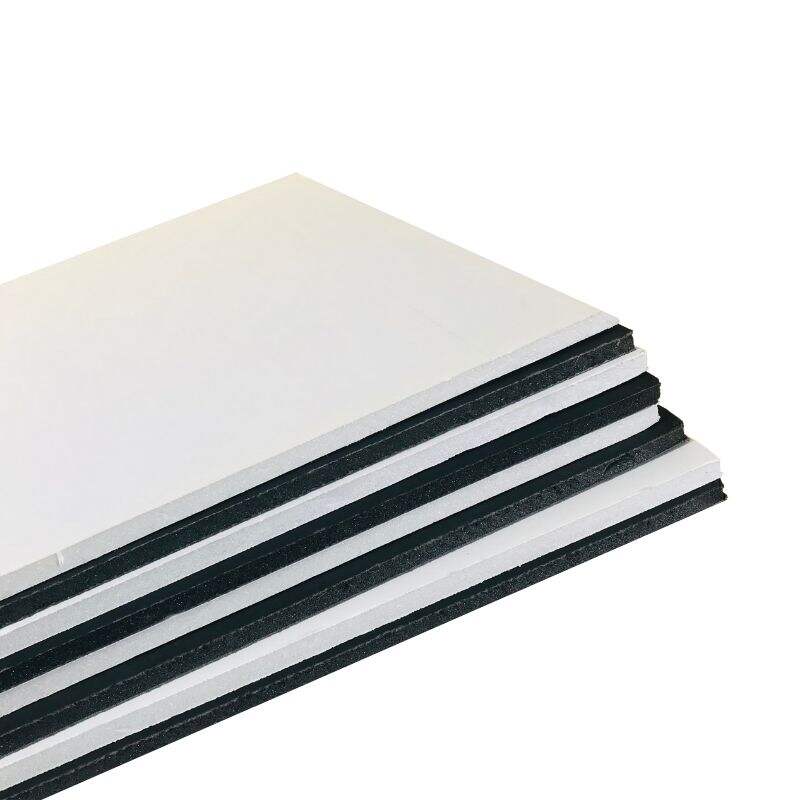
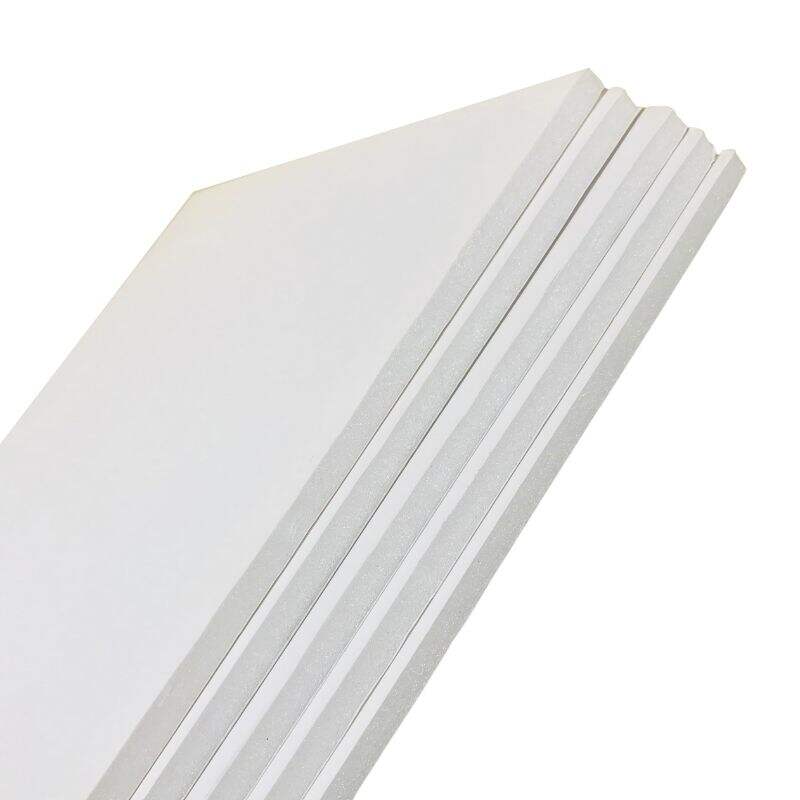
Professional Paper Foam Board Manufacturer - Custom Lightweight Composite Solutions

Get a Free Quote

Our representative will contact you soon.
Email
Name
Company Name
Message
0/1000

paper foam board manufacturer

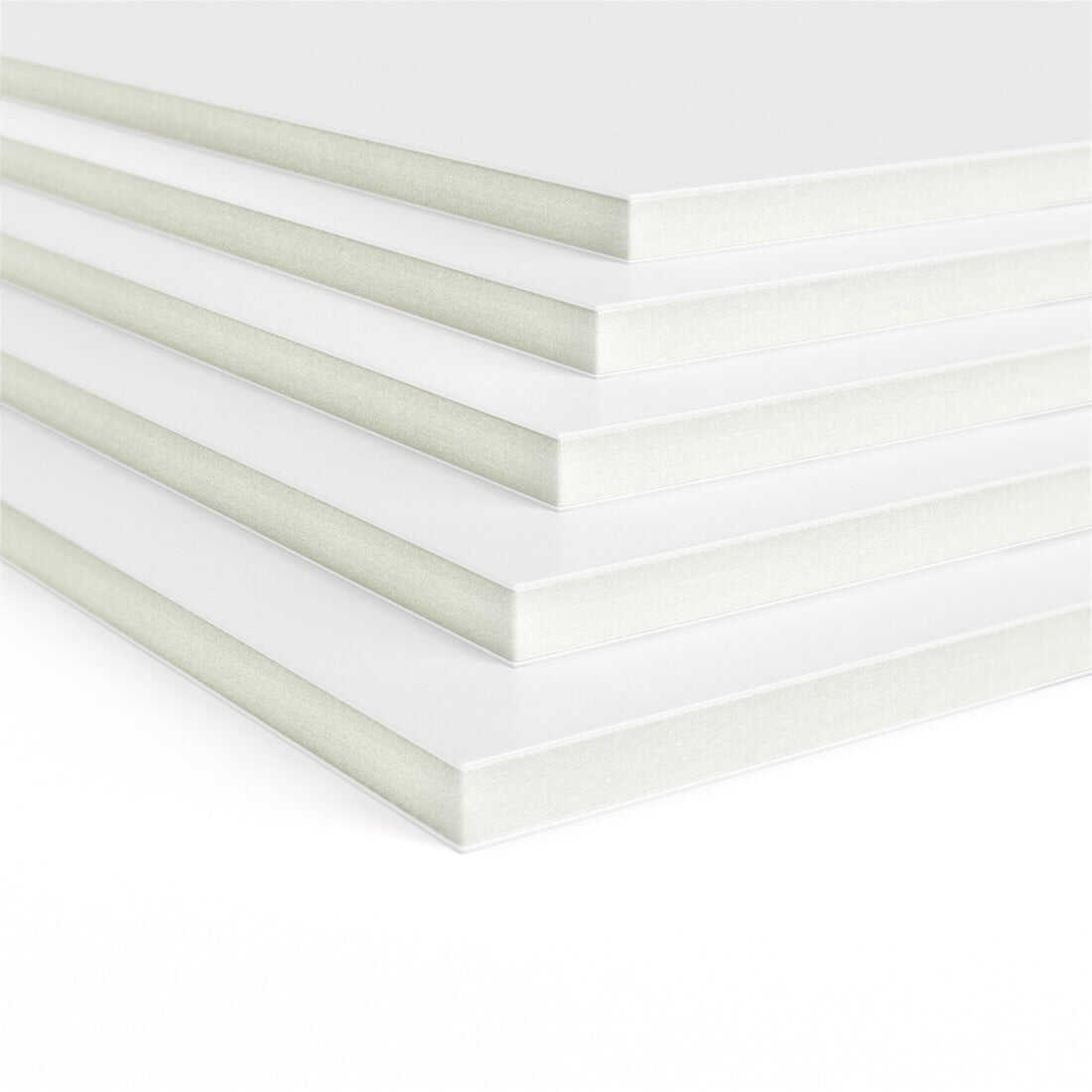
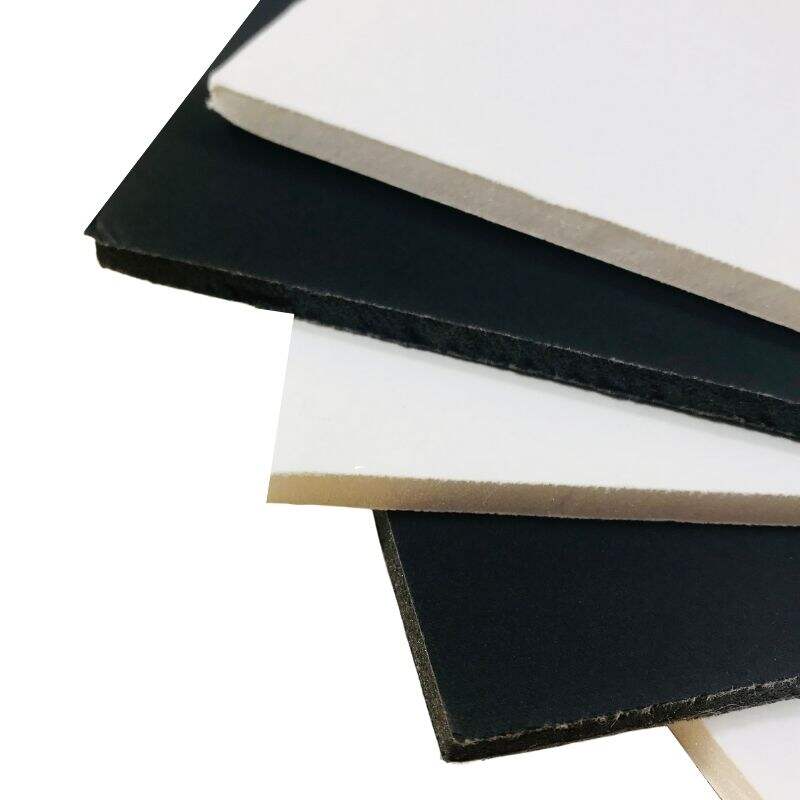
A paper foam board manufacturer represents a specialized industrial entity dedicated to producing lightweight, versatile composite materials that combine paper facing with foam cores. This type of manufacturer operates sophisticated production facilities equipped with advanced laminating systems, precision cutting equipment, and quality control mechanisms to create boards that serve multiple industries. The paper foam board manufacturer typically utilizes various foam core materials including polystyrene, polyurethane, or paper honeycomb structures, which are then bonded between paper layers using specialized adhesives and heat-press technology. These manufacturing operations require precise temperature control, consistent pressure application, and careful material handling to ensure optimal bonding between components. The technological infrastructure of a modern paper foam board manufacturer includes computerized cutting systems that can handle complex shapes and dimensions, automated feeding mechanisms for continuous production, and environmental controls that maintain optimal manufacturing conditions. Quality assurance protocols involve density testing, adhesion strength evaluation, and dimensional accuracy verification to meet industry standards. The production process begins with material preparation where foam cores are sized and paper facing materials are prepared for application. Advanced manufacturers employ multi-layer lamination processes that can incorporate different paper grades or specialized surface treatments. The paper foam board manufacturer must maintain inventory management systems for raw materials, implement waste reduction strategies, and ensure consistent product specifications across production runs. Modern facilities often integrate sustainable practices including recycling programs for production waste and energy-efficient manufacturing processes. The manufacturing capabilities extend to custom sizing, specialized surface treatments, and various thickness options to meet specific customer requirements across diverse market segments.

Popular Products

The paper foam board manufacturer offers numerous compelling benefits that make their products attractive to businesses across various sectors. Cost-effectiveness stands as a primary advantage, as these boards provide excellent performance characteristics at significantly lower prices compared to alternative materials like solid wood, metal sheets, or high-density plastics. This economic benefit allows companies to reduce material costs while maintaining product quality and functionality. The lightweight nature of paper foam boards creates substantial shipping and handling advantages, reducing transportation expenses and making installation processes more manageable for workers. A reputable paper foam board manufacturer ensures consistent quality control throughout production, delivering products with uniform density, reliable adhesion, and predictable performance characteristics that customers can depend upon for their applications. Environmental sustainability represents another crucial advantage, as these manufacturers often utilize recycled paper content and produce boards that are fully recyclable at end-of-life, supporting corporate environmental responsibility goals. The versatility offered by a professional paper foam board manufacturer includes customization options for thickness, size, surface treatments, and specialized coatings to meet specific application requirements. Manufacturing efficiency enables quick turnaround times for orders, allowing customers to maintain lean inventory levels and respond rapidly to market demands. Technical support services provided by experienced manufacturers include application guidance, material selection assistance, and troubleshooting help that adds value beyond the basic product supply. The paper foam board manufacturer typically maintains consistent supply chain reliability, ensuring customers receive materials when needed without disruption to their operations. Quality manufacturing processes result in boards with excellent dimensional stability, resistance to warping, and predictable machining characteristics that facilitate downstream processing. Innovation capabilities allow leading manufacturers to develop new formulations, surface treatments, and specialized products that address evolving market needs. The scalability of professional manufacturing operations means customers can order small prototype quantities or large production runs with consistent pricing and delivery schedules, supporting business growth and project flexibility.

Tips And Tricks

Why Acrylic Board Manufacturers are Essential for Your Business

07

Nov

Why Acrylic Board Manufacturers are Essential for Your Business

The Strategic Value of Acrylic Board Manufacturers in Business Growth Ensuring Material Quality & Consistency The folks who make acrylic boards really matter when it comes to keeping materials good quality and consistent throughout production runs. ...
View More
How PVC Wall Panels Are Reshaping Modern Interior Design

23

Dec

How PVC Wall Panels Are Reshaping Modern Interior Design

The interior design landscape is experiencing a revolutionary transformation, with innovative materials taking center stage in modern construction and renovation projects. Among these game-changing solutions, PVC wall panels have emerged as a versati...
View More
Structural Analysis: Honeycomb Board Strength-to-Weight Ratios

06

Jan

Structural Analysis: Honeycomb Board Strength-to-Weight Ratios

The engineering world continuously seeks materials that deliver exceptional performance while maintaining minimal weight characteristics. Honeycomb board technology has emerged as a revolutionary solution, offering unprecedented strength-to-weight ra...
View More
How Aluminum Composite Panels Are Revolutionizing Skyscraper Facades

06

Jan

How Aluminum Composite Panels Are Revolutionizing Skyscraper Facades

Modern skyscraper construction has undergone a remarkable transformation, with aluminum composite panels emerging as the cornerstone of contemporary facade design. These innovative building materials combine the strength of aluminum with advanced com...
View More

Get a Free Quote

Our representative will contact you soon.
Email
Name
Company Name
Message
0/1000

paper foam board manufacturer

Advanced Multi-Layer Lamination Technology

Advanced Multi-Layer Lamination Technology

The modern paper foam board manufacturer employs sophisticated multi-layer lamination technology that represents a significant advancement over traditional manufacturing methods. This cutting-edge process utilizes computer-controlled systems to precisely apply adhesives and manage temperature profiles throughout the bonding process, ensuring optimal adhesion between paper facing materials and foam cores. The technology enables manufacturers to create boards with superior structural integrity and consistent performance characteristics across entire production runs. Advanced lamination systems incorporate real-time monitoring capabilities that track pressure distribution, temperature variations, and adhesive application rates to maintain quality standards. This technological sophistication allows the paper foam board manufacturer to produce boards with enhanced dimensional stability, improved surface finish quality, and superior edge integrity that resists delamination during cutting and handling operations. The multi-layer approach enables integration of different paper grades or specialized surface treatments within a single board construction, creating products with enhanced functionality for specific applications. Temperature control systems maintain precise heat distribution throughout the lamination process, ensuring complete adhesive activation while preventing foam core degradation that could compromise board performance. Pressure application systems utilize hydraulic or pneumatic controls to deliver consistent force across the entire board surface, eliminating weak spots or areas of inadequate bonding. The technology supports various foam core materials including expanded polystyrene, extruded polystyrene, polyurethane, and paper honeycomb structures, allowing manufacturers to optimize board properties for different applications. Quality monitoring systems integrated into the lamination process provide real-time feedback on bond strength, enabling immediate adjustments to maintain specifications. This advanced manufacturing capability translates into superior product reliability for customers, reducing waste from defective materials and ensuring consistent performance in end-use applications. The investment in sophisticated lamination technology demonstrates the paper foam board manufacturer's commitment to quality excellence and positions them as leaders in the industry.
Comprehensive Customization Capabilities

Comprehensive Customization Capabilities

A professional paper foam board manufacturer distinguishes itself through extensive customization capabilities that address the diverse needs of customers across multiple industries and applications. This comprehensive approach to customization begins with thickness options ranging from lightweight thin boards suitable for graphic applications to heavy-duty thick boards designed for structural uses. The manufacturing flexibility extends to custom sizing capabilities, allowing production of boards in virtually any dimension required by customers, from small specialty pieces to large architectural panels. Surface treatment customization represents a crucial capability, enabling the paper foam board manufacturer to apply specialized coatings, textures, or finishes that enhance specific performance characteristics such as moisture resistance, fire retardancy, or improved printability. Color customization options include integration of colored paper facing materials or application of primer coatings that facilitate subsequent finishing operations. Edge treatment capabilities include beveling, profiling, or sealing options that prepare boards for specific assembly methods or environmental conditions. The paper foam board manufacturer can accommodate custom core materials or densities to optimize boards for particular load-bearing requirements, thermal properties, or weight specifications. Specialized adhesive systems can be selected to provide enhanced bond strength, temperature resistance, or compatibility with specific environmental conditions. Custom packaging and delivery options ensure that products arrive in optimal condition and ready for immediate use in customer applications. The manufacturing flexibility extends to production run sizes, accommodating both prototype quantities for product development and large volume orders for major projects. Technical consultation services support the customization process by providing expert guidance on material selection, design optimization, and application-specific requirements. Quality assurance protocols for custom products include enhanced testing procedures and documentation to verify that all specifications are met. This comprehensive customization capability enables the paper foam board manufacturer to serve as a true partner in customer product development, supporting innovation and helping customers achieve their specific performance objectives while maintaining cost-effectiveness and production efficiency.
Sustainable Manufacturing Practices and Environmental Benefits

Sustainable Manufacturing Practices and Environmental Benefits

Leading paper foam board manufacturer operations increasingly emphasize sustainable manufacturing practices that deliver significant environmental benefits while maintaining product quality and cost-effectiveness. This commitment to sustainability begins with responsible raw material sourcing, including the use of recycled paper content in facing materials and selection of foam core materials that minimize environmental impact. The manufacturing process itself incorporates energy-efficient equipment and operations that reduce overall carbon footprint while maintaining production capacity and quality standards. Waste reduction programs implemented by responsible manufacturers include comprehensive recycling of production waste, reuse of trim materials, and optimization of material utilization to minimize waste generation. Water-based adhesive systems replace solvent-based alternatives where possible, reducing volatile organic compound emissions and improving workplace safety while maintaining bond strength and durability. The paper foam board manufacturer often implements closed-loop manufacturing processes that capture and reuse process materials, further reducing waste and environmental impact. Energy management systems optimize power consumption throughout production operations, often incorporating renewable energy sources where feasible to reduce reliance on fossil fuels. The end-of-life recyclability of paper foam boards represents a significant environmental advantage, as both paper facing materials and many foam core materials can be processed through existing recycling infrastructure. This recyclability supports circular economy principles and helps customers meet their own sustainability objectives. Environmental management systems implemented by leading manufacturers include monitoring and reporting of environmental metrics, continuous improvement programs, and compliance with environmental regulations and standards. The lightweight nature of paper foam boards contributes to reduced transportation emissions compared to heavier alternative materials, creating environmental benefits throughout the supply chain. Packaging optimization reduces material usage and waste while ensuring product protection during shipping and storage. Many manufacturers pursue environmental certifications and participate in industry sustainability initiatives that demonstrate their commitment to environmental responsibility. These sustainable practices not only benefit the environment but also provide economic advantages through reduced material costs, improved efficiency, and enhanced market positioning that appeals to environmentally conscious customers seeking sustainable material solutions.