 EN
EN

Modern skyscraper construction has undergone a remarkable transformation, with aluminum composite panels emerging as the cornerstone of contemporary facade design. These innovative building materials combine the strength of aluminum with advanced composite technology, delivering unprecedented performance in high-rise applications. The construction industry has embraced aluminum composite panels for their exceptional durability, aesthetic versatility, and cost-effectiveness in large-scale projects. Today's architects and engineers rely on these revolutionary materials to create stunning facades that withstand environmental challenges while maintaining architectural integrity. The widespread adoption of aluminum composite panels represents a paradigm shift in how we approach modern building envelope design.
Understanding Aluminum Composite Panel Technology
Core Construction and Material Composition
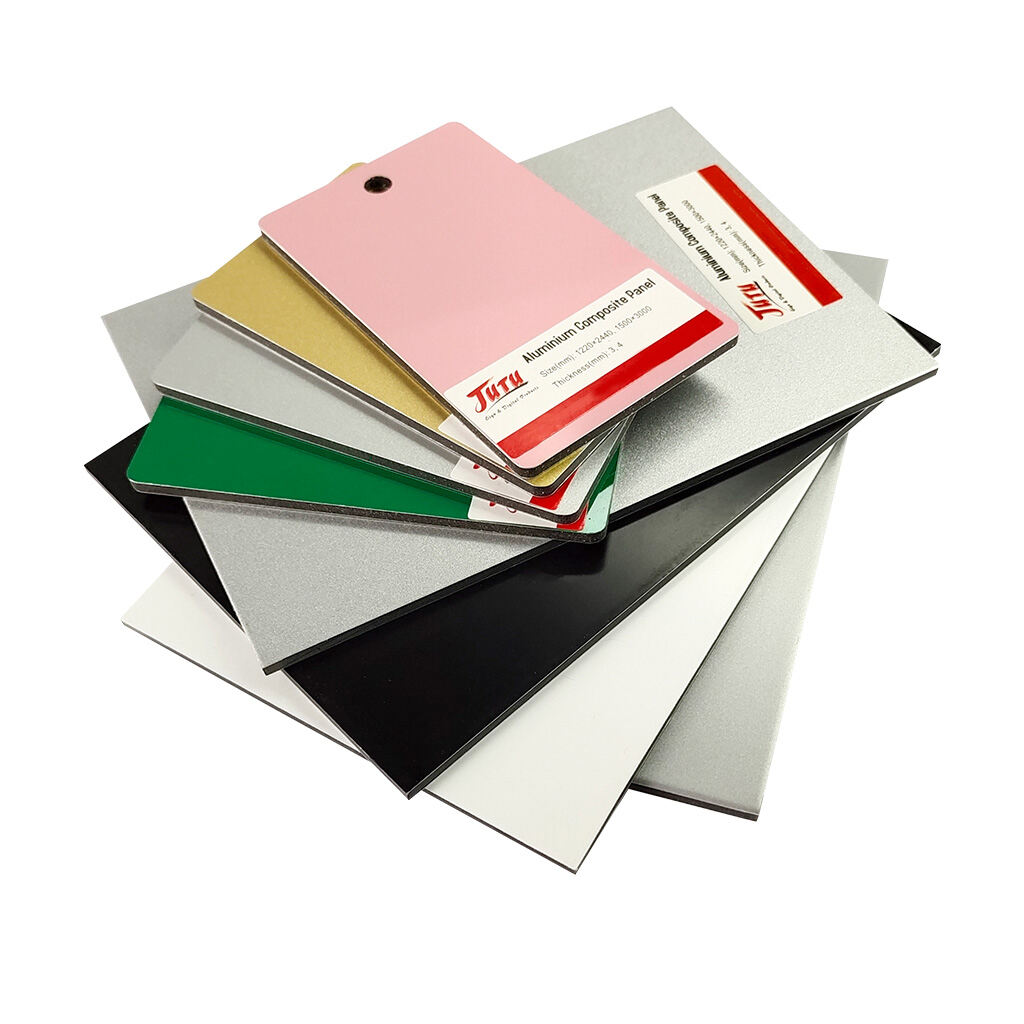
Aluminum composite panels feature a sophisticated three-layer construction that maximizes structural performance while minimizing weight. The outer aluminum skins provide exceptional weather resistance and durability, while the inner polyethylene core delivers superior insulation properties. This unique configuration allows aluminum composite panels to achieve remarkable strength-to-weight ratios that traditional building materials cannot match. The manufacturing process involves high-pressure lamination techniques that create permanent bonds between layers, ensuring long-term performance in demanding architectural applications.
The aluminum skins typically range from 0.2mm to 0.5mm in thickness, depending on specific application requirements and performance specifications. Quality aluminum composite panels utilize premium-grade aluminum alloys that resist corrosion, thermal expansion, and UV degradation. The polyethylene core varies in density and composition, with fire-resistant variants available for high-rise applications where safety regulations demand enhanced fire performance characteristics.
Advanced Manufacturing Processes
Contemporary aluminum composite panels undergo precision manufacturing processes that ensure consistent quality and performance across large production runs. Computer-controlled fabrication equipment maintains exact tolerances while specialized coating applications provide superior finish durability. The continuous lamination process creates uniform panel characteristics that meet stringent architectural specifications for flatness, dimensional stability, and surface quality.
Quality control measures throughout manufacturing include thermal cycling tests, adhesion strength evaluations, and weathering simulations that validate long-term performance. Advanced aluminum composite panels incorporate specialized primers and topcoats that enhance corrosion resistance while providing exceptional color retention over extended service periods. These manufacturing innovations have elevated aluminum composite panels to premium building material status in commercial construction markets.
Architectural Design Applications
Facade System Integration
Modern skyscrapers utilize aluminum composite panels in sophisticated curtain wall systems that provide complete building envelope solutions. These panels integrate seamlessly with glazing systems, structural supports, and mechanical building components to create unified facades that meet performance requirements while achieving architectural design objectives. The lightweight nature of aluminum composite panels reduces structural loading while enabling larger panel dimensions that minimize joint lines and create cleaner aesthetic presentations.
Installation systems for aluminum composite panels have evolved to include advanced anchoring methods that accommodate thermal movement while maintaining structural integrity. Rainscreen configurations utilize aluminum composite panels as exterior cladding elements that provide weather protection while allowing moisture management through designed ventilation pathways. These systems optimize building performance while reducing maintenance requirements over the structure's service life.
Aesthetic Versatility and Design Freedom
Contemporary aluminum composite panels offer unprecedented design flexibility through extensive color palettes, texture options, and finishing techniques. Architects can specify custom colors, metallic finishes, wood grain textures, and specialized coatings that achieve specific aesthetic objectives while maintaining performance characteristics. The ability to curve, fold, and shape aluminum composite panels enables complex geometric facades that would be impossible with traditional rigid materials.
Digital printing technologies now allow aluminum composite panels to feature photographic images, patterns, and artistic designs that transform building facades into architectural statements. These advanced finishing capabilities enable architects to create landmark structures that stand out in urban skylines while meeting functional performance requirements for weather resistance and durability.
Performance Advantages in High-Rise Construction
Structural Performance Benefits
Aluminum composite panels deliver exceptional structural performance characteristics that make them ideal for high-rise applications where wind loads, seismic forces, and thermal stresses challenge building envelope systems. The composite construction provides superior stiffness compared to single-layer materials while maintaining significantly lower weight that reduces foundation and structural framework requirements. These weight savings translate directly into construction cost reductions and enable taller buildings within structural capacity limits.
Wind load resistance represents a critical performance factor for skyscraper facades, and aluminum composite panels excel in this demanding application. Laboratory testing and field performance data demonstrate that properly installed aluminum composite panels withstand extreme wind pressures while maintaining structural integrity and weathertightness. The panels' ability to flex under load without permanent deformation ensures long-term performance in dynamic loading conditions.
Thermal and Moisture Management
Effective thermal management becomes increasingly important as building heights increase and exposure to temperature extremes intensifies. Aluminum composite panels provide excellent thermal barrier properties through their insulated core construction, reducing heat transfer and improving building energy efficiency. The low thermal conductivity of the polyethylene core minimizes thermal bridging while the aluminum skins reflect radiant heat to maintain comfortable interior conditions.
Moisture management systems integrated with aluminum composite panels prevent water infiltration while allowing vapor transmission that prevents condensation buildup within wall assemblies. Advanced gasket systems and drainage pathways ensure that any moisture that penetrates the outer weather barrier is effectively channeled away from structural components and interior spaces.
Installation and Maintenance Considerations
Professional Installation Requirements
Successful aluminum composite panels installations require specialized knowledge of curtain wall systems, structural attachments, and building envelope principles. Professional installers must understand thermal movement calculations, wind load distributions, and sealing system requirements to achieve optimal performance. The precision required for large-scale aluminum composite panels installations demands experienced crews with appropriate equipment and quality control procedures.
Installation sequencing for aluminum composite panels typically involves careful coordination with other building trades to ensure proper integration with structural, mechanical, and electrical systems. Temporary protection measures during construction prevent damage to finished panel surfaces while allowing continued construction activities. Quality installation practices include comprehensive testing of weathertightness, structural connections, and thermal performance before building occupancy.
Long-Term Maintenance Programs
Aluminum composite panels require minimal maintenance compared to traditional facade materials, contributing to reduced lifecycle costs for building owners. Routine maintenance typically involves periodic cleaning with appropriate methods that preserve finish integrity while removing environmental contaminants. Professional maintenance programs include inspection of gaskets, fasteners, and drainage systems to ensure continued performance throughout the building's service life.
The durability of quality aluminum composite panels enables maintenance intervals that span multiple years between major service requirements. Panel replacement procedures, when necessary, can often be accomplished without disrupting building operations or adjacent panel installations. This serviceability advantage makes aluminum composite panels particularly attractive for high-rise applications where maintenance access presents logistical challenges.
Economic and Environmental Impact
Cost-Effectiveness Analysis
Economic analysis of aluminum composite panels demonstrates significant cost advantages over alternative facade materials when considering initial installation costs, maintenance requirements, and service life expectations. The lightweight construction reduces structural requirements while the large panel sizes minimize installation time and labor costs. These factors combine to deliver attractive project economics that make aluminum composite panels competitive in commercial construction markets.
Lifecycle cost studies show that aluminum composite panels typically provide superior economic performance through reduced maintenance costs, extended service intervals, and potential energy savings from improved thermal performance. The panels' resistance to weathering, corrosion, and mechanical damage ensures consistent appearance and performance over extended periods without major renovation requirements.
Sustainability and Environmental Benefits
Environmental considerations increasingly influence material selection decisions in commercial construction, and aluminum composite panels offer several sustainability advantages. The aluminum components are fully recyclable at the end of service life, contributing to circular economy principles in construction materials. Manufacturing processes for quality aluminum composite panels incorporate recycled content while optimizing energy efficiency to minimize environmental impact.
Building energy performance improvements achieved through aluminum composite panels contribute to reduced operational carbon footprints over building lifespans. The thermal barrier properties and airtightness capabilities of properly installed aluminum composite panels reduce HVAC energy requirements while maintaining occupant comfort levels. These performance benefits support green building certification programs and sustainability objectives for commercial developments.
Future Innovations and Market Trends
Emerging Technologies
Research and development initiatives continue advancing aluminum composite panels technology through innovative core materials, surface treatments, and manufacturing processes. Smart building integration possibilities include aluminum composite panels with embedded sensors for structural monitoring, environmental data collection, and building system optimization. These technological advances position aluminum composite panels at the forefront of intelligent building envelope development.
Nanotechnology applications in aluminum composite panels coatings promise enhanced self-cleaning properties, improved weather resistance, and advanced aesthetic possibilities. These emerging technologies will further expand the performance capabilities and application possibilities for aluminum composite panels in future construction projects.
Market Growth Projections
Industry analysis indicates continued strong growth in aluminum composite panels markets driven by urbanization trends, commercial construction activity, and renovation projects worldwide. The proven performance advantages and cost-effectiveness of aluminum composite panels position this material category for sustained market expansion across diverse geographic regions and application segments.
Emerging markets present significant opportunities for aluminum composite panels adoption as developing economies invest in modern infrastructure and commercial buildings. The combination of performance benefits, aesthetic versatility, and economic advantages makes aluminum composite panels particularly attractive for large-scale urban development projects in growth markets.
FAQ
What makes aluminum composite panels suitable for skyscraper applications
Aluminum composite panels excel in skyscraper applications due to their exceptional strength-to-weight ratio, wind load resistance, and thermal performance characteristics. The lightweight construction reduces structural requirements while the composite design provides superior stiffness and durability compared to traditional materials. These panels withstand extreme weather conditions and thermal cycling while maintaining structural integrity over extended service periods.
How do aluminum composite panels contribute to building energy efficiency
Aluminum composite panels improve building energy efficiency through their thermal barrier properties and airtightness capabilities. The insulated core construction minimizes heat transfer while the reflective aluminum surfaces reduce radiant heat gain. Properly installed aluminum composite panels systems achieve excellent weathertightness that reduces HVAC loads and improves occupant comfort while lowering operational energy costs.
What maintenance requirements do aluminum composite panels have in high-rise buildings
Aluminum composite panels require minimal maintenance compared to alternative facade materials, typically involving periodic cleaning and routine inspection of gaskets and fasteners. The durable aluminum surfaces resist weathering and corrosion while the composite construction maintains structural performance without significant degradation. Professional maintenance programs can extend service intervals and ensure optimal performance throughout the building's lifecycle.
How do aluminum composite panels compare economically to other facade materials
Economic analysis shows aluminum composite panels provide superior lifecycle value through reduced installation costs, minimal maintenance requirements, and extended service life compared to traditional facade materials. The lightweight construction reduces structural costs while large panel sizes minimize installation time and labor expenses. Combined with excellent durability and low maintenance needs, aluminum composite panels deliver attractive project economics for commercial construction applications.
Table of Contents
- Understanding Aluminum Composite Panel Technology
- Architectural Design Applications
- Performance Advantages in High-Rise Construction
- Installation and Maintenance Considerations
- Economic and Environmental Impact
- Future Innovations and Market Trends
-
FAQ
- What makes aluminum composite panels suitable for skyscraper applications
- How do aluminum composite panels contribute to building energy efficiency
- What maintenance requirements do aluminum composite panels have in high-rise buildings
- How do aluminum composite panels compare economically to other facade materials