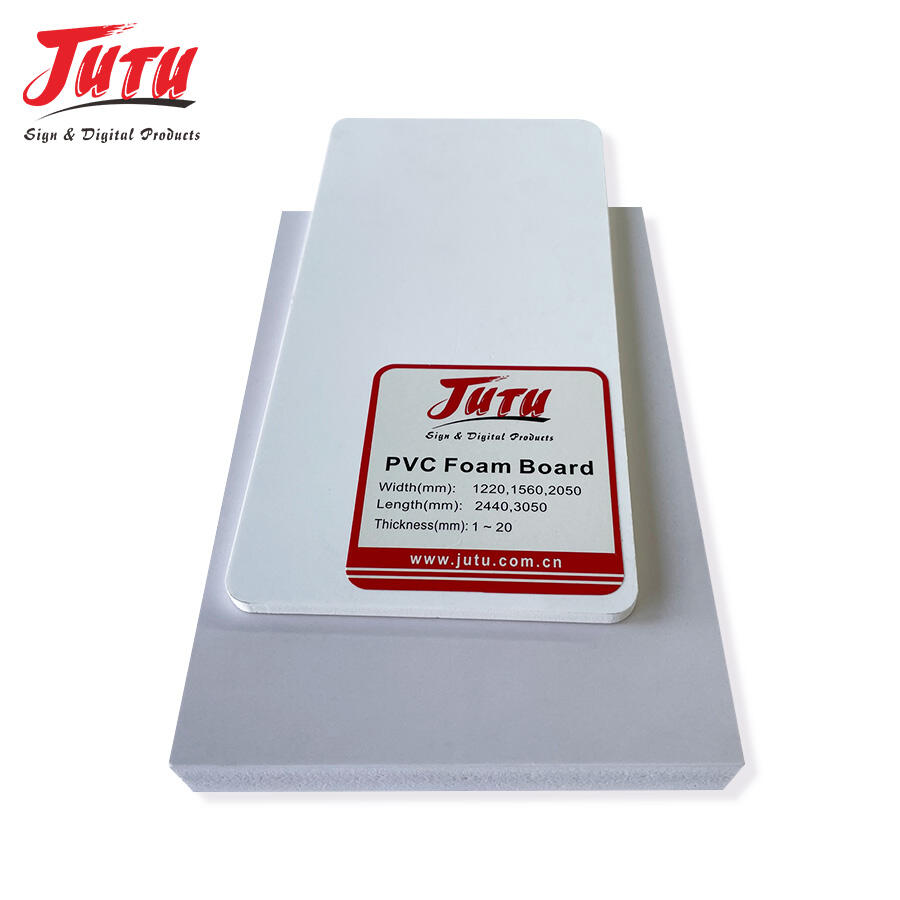
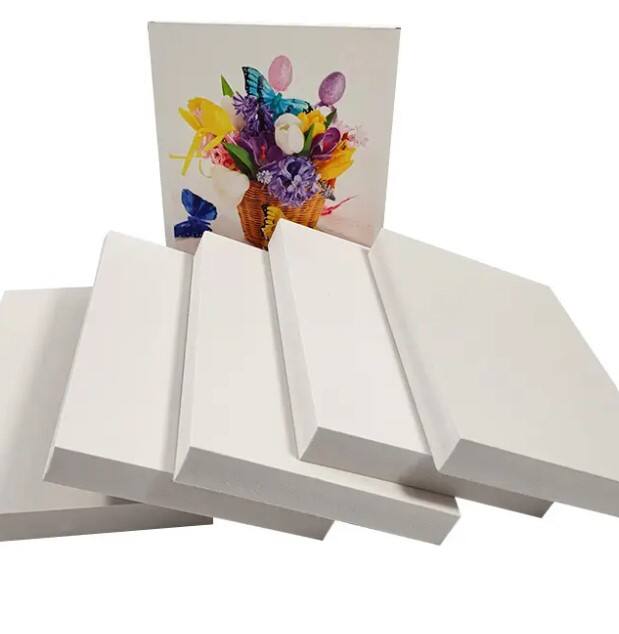
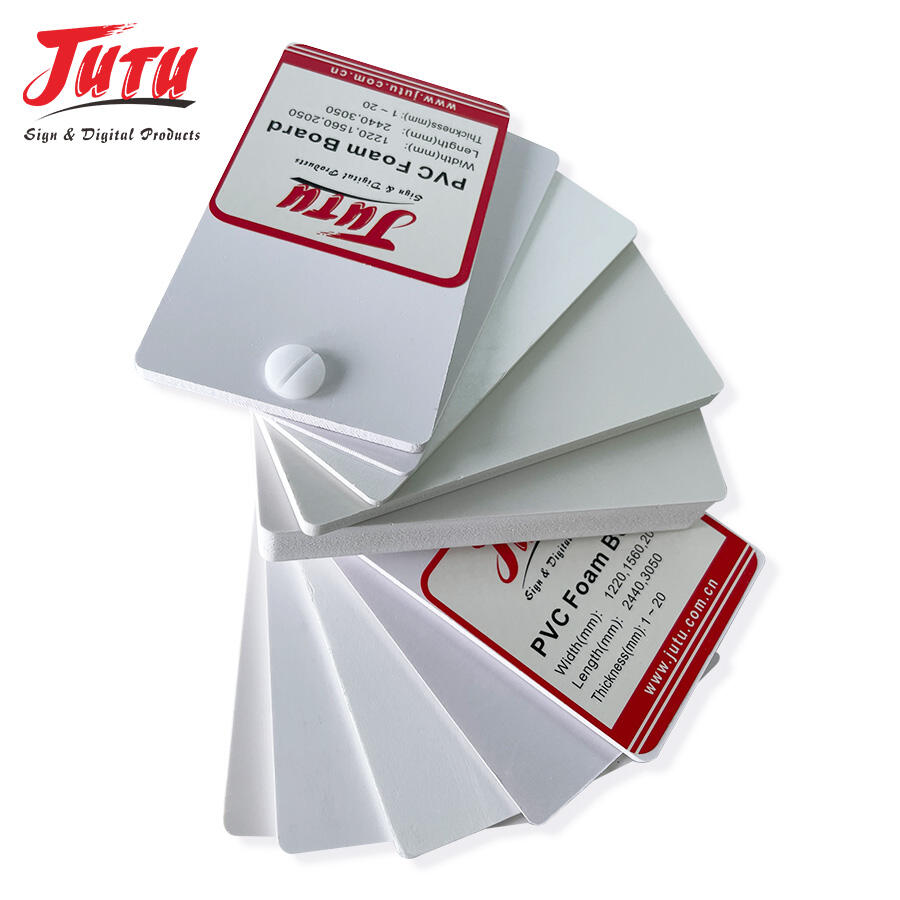
Premium PVC Foam Board Plastic - Lightweight, Durable Building Material Solutions

Get a Free Quote

Our representative will contact you soon.
Email
Name
Company Name
Message
0/1000

pvc foam board plastic

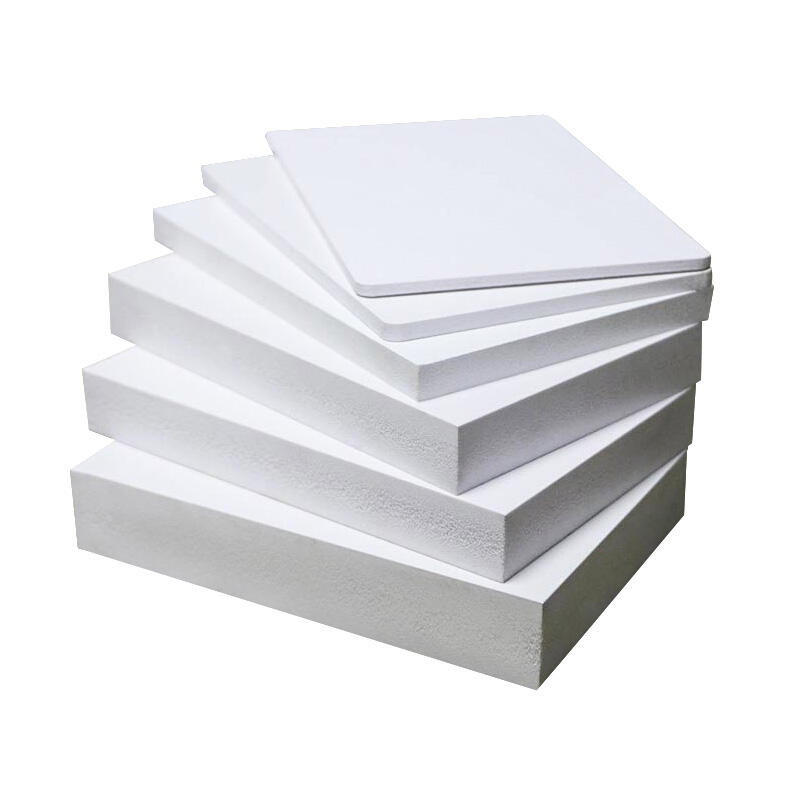
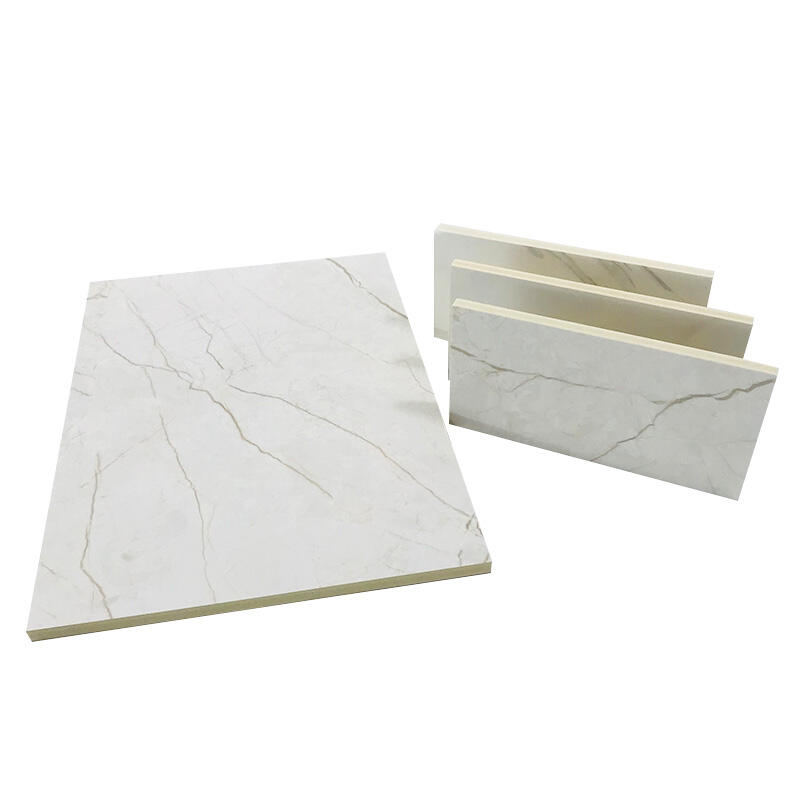
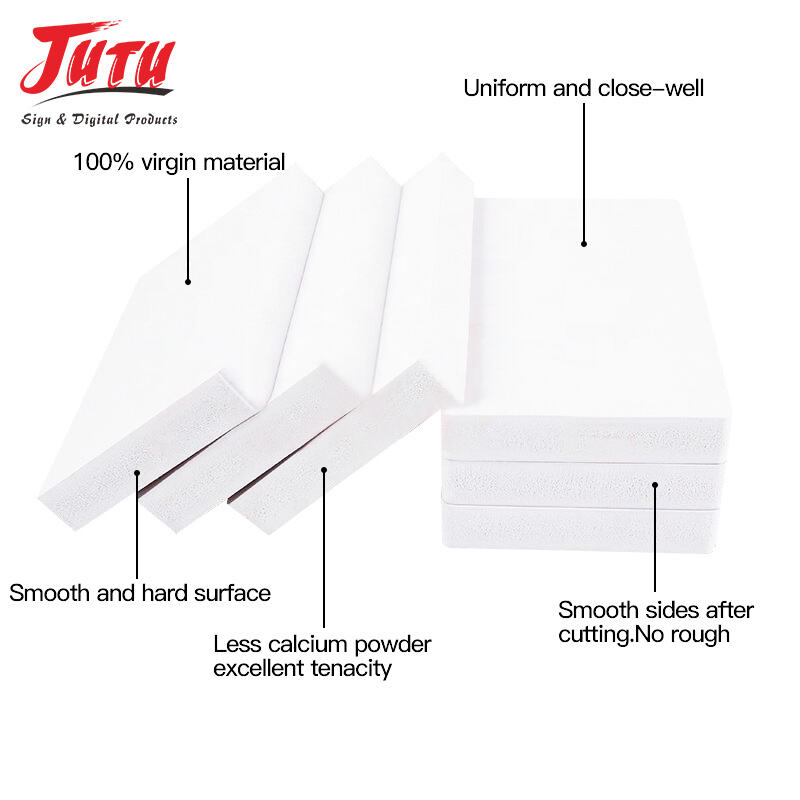
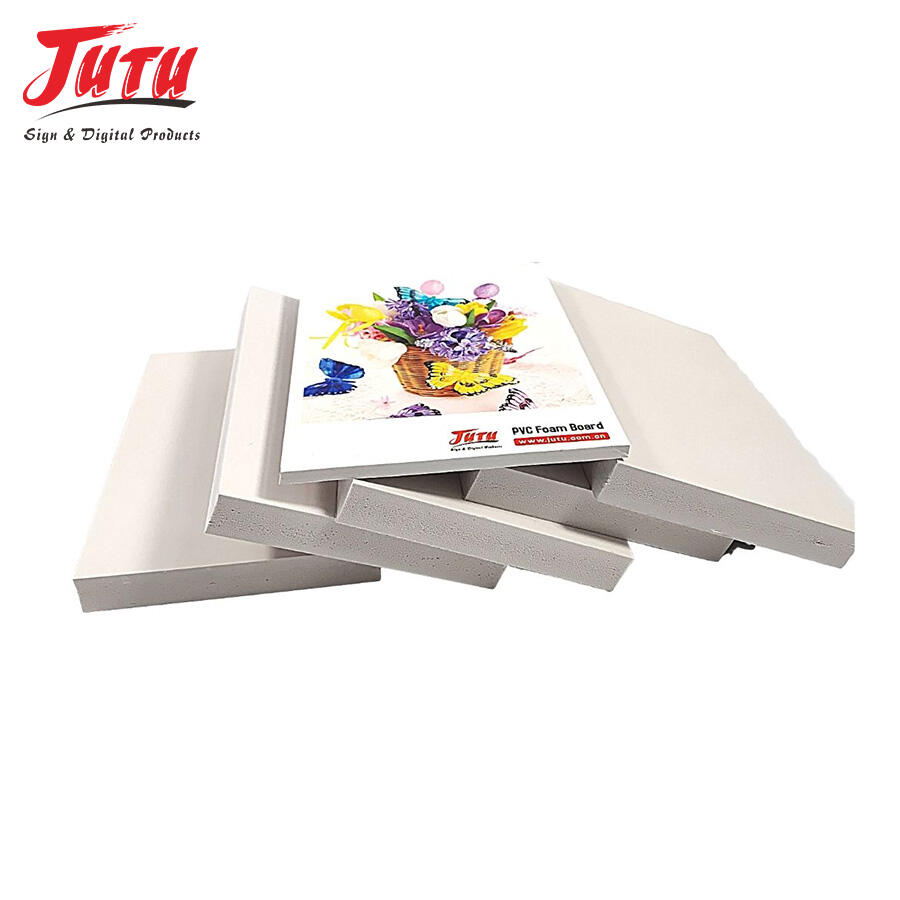
PVC foam board plastic represents a revolutionary building material that combines lightweight properties with exceptional durability and versatility. This innovative material is manufactured through an advanced extrusion process that creates a closed-cell foam core sandwiched between smooth, dense outer skins. The result is a rigid, lightweight panel that maintains structural integrity while offering superior insulation properties. PVC foam board plastic has become increasingly popular across multiple industries due to its unique combination of strength, workability, and cost-effectiveness. The main functions of this material include structural support, thermal insulation, sound dampening, and weather resistance. Its cellular structure provides excellent buoyancy, making it ideal for marine applications, while its chemical resistance ensures longevity in harsh environments. The technological features of PVC foam board plastic include consistent density throughout the panel, smooth surfaces that accept various finishes, and dimensional stability across temperature fluctuations. The material can be easily cut, shaped, drilled, and machined using standard woodworking tools, eliminating the need for specialized equipment. Applications for PVC foam board plastic span numerous sectors including construction, marine, automotive, aerospace, signage, and furniture manufacturing. In construction, it serves as insulation panels, wall cladding, and roofing substrates. Marine applications utilize its buoyancy and moisture resistance for boat hulls, decking, and interior components. The signage industry values its smooth surface and ability to hold vibrant graphics. Furniture manufacturers appreciate its lightweight nature and ability to create complex shapes. The automotive sector employs PVC foam board plastic for interior panels and structural components where weight reduction is crucial. This versatile material continues to find new applications as industries recognize its potential to replace traditional materials while offering improved performance characteristics and environmental benefits.

Popular Products

PVC foam board plastic delivers numerous practical advantages that make it an superior choice for diverse applications across multiple industries. The lightweight nature of this material significantly reduces transportation costs and handling requirements, allowing workers to manage larger panels with minimal effort while maintaining project efficiency. This weight advantage translates directly into cost savings during installation and reduces structural load requirements in building applications. The exceptional moisture resistance of PVC foam board plastic eliminates concerns about rot, decay, or warping that plague traditional wood-based materials, ensuring long-term performance and reducing maintenance costs over the product lifecycle. Chemical resistance properties protect against acids, alkalis, and most solvents, making this material ideal for industrial environments where exposure to harsh substances is common. The closed-cell structure prevents water absorption, maintaining dimensional stability and preventing freeze-thaw damage in outdoor applications. PVC foam board plastic offers excellent thermal insulation properties that contribute to energy efficiency in buildings and reduce heating and cooling costs for property owners. The material maintains consistent performance across wide temperature ranges without becoming brittle in cold conditions or softening in heat. Fabrication advantages include easy cutting with standard tools, clean edges that require minimal finishing, and the ability to thermoform complex shapes when heated. The smooth surface accepts paints, adhesives, and laminates readily, providing design flexibility for aesthetic applications. Fire retardant grades are available for applications requiring enhanced safety standards, meeting building codes and insurance requirements. The material demonstrates excellent impact resistance and recovers from minor deformations, reducing replacement costs in high-traffic environments. Dimensional stability prevents warping, twisting, or shrinking that can compromise structural integrity in traditional materials. Environmental advantages include recyclability and the absence of harmful substances like formaldehyde or asbestos. The long service life reduces replacement frequency, contributing to sustainability goals while providing economic benefits. UV resistance in formulated grades prevents degradation from sunlight exposure, maintaining appearance and performance in outdoor applications. Cost-effectiveness emerges from the combination of material price, reduced labor costs, minimal maintenance requirements, and extended service life, making PVC foam board plastic an economically sound investment for both commercial and residential projects.

Practical Tips

How PVC Foam Board Is Transforming Modern Signage Design

23

Dec

How PVC Foam Board Is Transforming Modern Signage Design

The signage industry has witnessed remarkable evolution in recent years, with PVC foam board emerging as a revolutionary material that's reshaping how businesses approach visual communication. This lightweight yet durable material has become the corn...
View More
PVC Celuka Board Advantages in Moisture-Controlled Environments

23

Dec

PVC Celuka Board Advantages in Moisture-Controlled Environments

In moisture-controlled environments where humidity and water exposure present constant challenges, selecting the right building materials becomes critical for long-term performance and cost-effectiveness. PVC Celuka Board emerges as a superior soluti...
View More
Structural Properties of Paper Foam Board in Lightweight Designs

06

Jan

Structural Properties of Paper Foam Board in Lightweight Designs

Modern manufacturing industries continuously seek materials that offer exceptional strength-to-weight ratios while maintaining cost-effectiveness and environmental sustainability. Paper foam board has emerged as a revolutionary solution in lightweigh...
View More
PP Corrugated Sheets for Temporary Structures and Event Signage

06

Jan

PP Corrugated Sheets for Temporary Structures and Event Signage

PP corrugated sheets have emerged as a revolutionary material in the construction and signage industries, offering unparalleled versatility for temporary structures and event displays. These lightweight yet durable plastic sheets provide an ideal sol...
View More

Get a Free Quote

Our representative will contact you soon.
Email
Name
Company Name
Message
0/1000

pvc foam board plastic

Superior Moisture and Chemical Resistance

Superior Moisture and Chemical Resistance

The exceptional moisture and chemical resistance of PVC foam board plastic sets it apart from conventional building materials and establishes it as the preferred choice for demanding environments. This remarkable resistance stems from the closed-cell structure and the inherent properties of PVC resin, creating an impermeable barrier that prevents water infiltration and chemical penetration. Unlike wood-based products that absorb moisture and subsequently swell, warp, or decay, PVC foam board plastic maintains its dimensional stability and structural integrity regardless of humidity levels or direct water contact. This characteristic proves invaluable in marine applications where constant exposure to saltwater would quickly deteriorate traditional materials. Boat builders and marine contractors rely on PVC foam board plastic for hull construction, decking, and interior components because it resists the corrosive effects of salt spray and maintains buoyancy without waterlogging. In industrial settings, the chemical resistance protects against acids, bases, and organic solvents that would attack conventional materials. Manufacturing facilities handling chemicals, food processing plants requiring frequent washdowns, and laboratories needing inert surfaces all benefit from this resistance. The material withstands cleaning with harsh disinfectants and maintains its surface integrity after repeated exposure to industrial cleaning protocols. Pool and spa applications showcase another dimension of this resistance, as PVC foam board plastic endures continuous exposure to chlorinated water and pool chemicals without degradation. This eliminates the maintenance headaches associated with wood decking and provides a long-lasting solution that maintains its appearance and structural properties. The freeze-thaw resistance prevents damage in cold climates where absorbed moisture in traditional materials expands and contracts, causing cracking and deterioration. PVC foam board plastic remains stable through temperature cycling, making it ideal for outdoor applications in harsh climates. Agricultural applications benefit from this resistance when constructing livestock housing, feed storage, and processing facilities where moisture and chemical exposure are constant concerns. The non-porous surface prevents bacterial growth and contamination, contributing to food safety and hygiene standards. This comprehensive resistance profile translates into reduced maintenance costs, extended service life, and reliable performance in applications where material failure could result in costly downtime or safety hazards.
Exceptional Workability and Fabrication Ease

Exceptional Workability and Fabrication Ease

The outstanding workability and fabrication ease of PVC foam board plastic revolutionizes construction and manufacturing processes by enabling rapid, precise, and cost-effective material processing using standard tools and techniques. This exceptional workability stems from the material's uniform density and cellular structure, which cuts cleanly without splintering, chips, or rough edges that require extensive finishing work. Carpenters and fabricators can use conventional woodworking tools including circular saws, table saws, router, and drill bits to achieve professional results without investing in specialized equipment or training. The material machines beautifully, producing smooth edges that often require no additional finishing, saving time and labor costs throughout the fabrication process. Drilling operations create clean holes without the burring or cracking common with brittle materials, ensuring precise fitting of fasteners and hardware. The consistent density throughout the panel eliminates the density variations found in natural wood that can cause tool binding or uneven cuts. Routing operations produce crisp profiles and decorative edges, enabling architectural details and custom profiles that enhance aesthetic appeal. The thermal forming capabilities of PVC foam board plastic open additional fabrication possibilities, as controlled heating allows the creation of curved surfaces, angles, and complex three-dimensional shapes impossible with rigid materials. This thermoforming ability proves particularly valuable in automotive applications, furniture manufacturing, and architectural elements requiring curved surfaces. Adhesive bonding provides strong joints without mechanical fasteners, creating seamless assemblies with excellent weather sealing properties. The material accepts various adhesive types including structural acrylics, polyurethanes, and contact cements, providing flexibility in assembly methods. Welding techniques using hot air or heated tools create permanent joints stronger than the base material, enabling large panel construction and waterproof seams. Surface preparation for painting or laminating requires minimal effort as the smooth surface readily accepts primers and topcoats without extensive sanding or texturing. The consistent surface eliminates the grain filling and sanding required with wood products, reducing finishing time and material costs. Cutting operations produce minimal waste due to the clean cuts and ability to utilize offcuts for smaller components, improving material utilization and reducing disposal costs. This exceptional workability enables faster project completion, reduced labor costs, and higher quality results while maintaining design flexibility across diverse applications.

Outstanding Structural Performance and Longevity

Outstanding Structural Performance and Longevity

The remarkable structural performance and longevity of PVC foam board plastic deliver exceptional value through decades of reliable service while maintaining dimensional stability and load-bearing capacity under diverse operating conditions. The engineered cellular structure provides an optimal strength-to-weight ratio that rivals traditional materials while offering significant weight savings that reduce structural loads and simplify handling requirements. This cellular architecture distributes stresses uniformly throughout the panel, preventing localized failure points and ensuring consistent performance across the entire surface area. The compressive strength of PVC foam board plastic supports substantial loads without permanent deformation, making it suitable for structural applications including flooring substrates, wall systems, and roof decking where load distribution is critical. The flexural properties allow the material to absorb impact forces and return to its original shape, providing resilience in applications subject to dynamic loads or accidental impacts. Unlike materials that become brittle with age, PVC foam board plastic maintains its mechanical properties throughout its service life, ensuring reliable performance for decades. The dimensional stability prevents the warping, twisting, and shrinking that compromise the integrity of wood-based materials, maintaining tight joints and precise fits over time. Temperature cycling from extreme cold to high heat produces minimal dimensional change, preserving structural alignment in applications spanning climatic extremes. UV-stabilized grades resist degradation from solar radiation, maintaining both structural integrity and appearance in outdoor applications without the brittleness or chalking associated with unstabilized plastics. The fatigue resistance enables the material to withstand repeated loading cycles without failure, making it ideal for applications involving vibration or cyclic stresses. Creep resistance maintains dimensional stability under sustained loads, preventing sagging or deformation that would compromise structural performance. The closed-cell structure provides inherent buoyancy for marine applications while maintaining structural integrity under hydrostatic pressure. Fire-retardant formulations meet building code requirements while preserving mechanical properties, ensuring safety without compromising structural performance. The chemical inertness prevents degradation from environmental pollutants, industrial chemicals, or biological agents that attack conventional materials, ensuring consistent performance regardless of exposure conditions. This combination of structural reliability and environmental resistance eliminates the need for protective treatments or frequent replacements, reducing lifecycle costs and providing long-term value. Quality control during manufacturing ensures consistent properties batch after batch, enabling engineers to design with confidence and contractors to install with predictable results.