 EN
EN

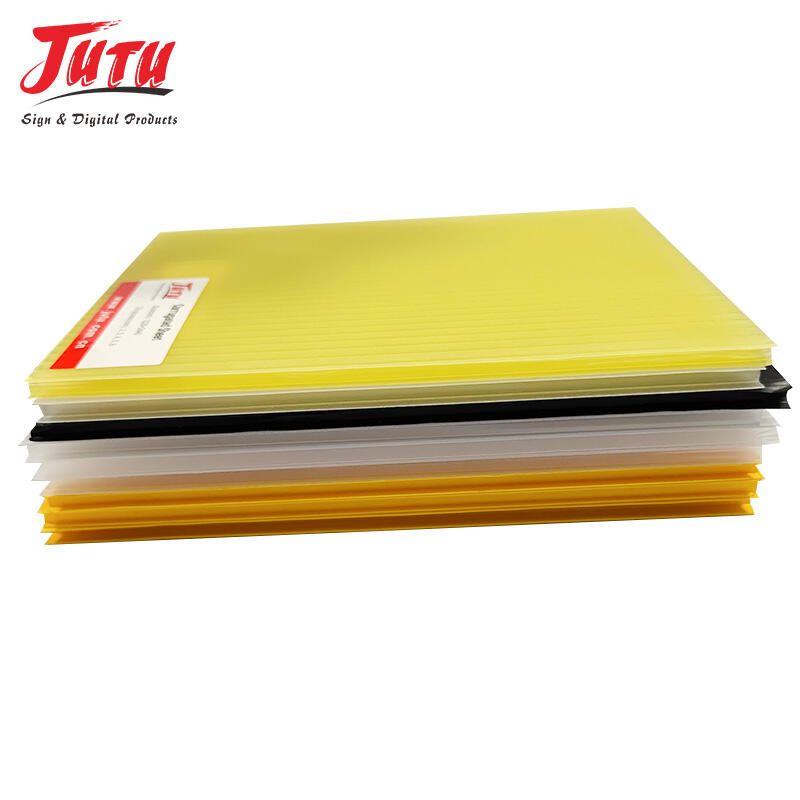
The signage industry has witnessed remarkable evolution in recent years, with PVC foam board emerging as a revolutionary material that's reshaping how businesses approach visual communication. This lightweight yet durable material has become the cornerstone of modern signage design, offering unprecedented versatility and cost-effectiveness. From retail displays to architectural applications, PVC foam board continues to set new standards in the industry, providing designers and manufacturers with innovative solutions that were previously unimaginable.
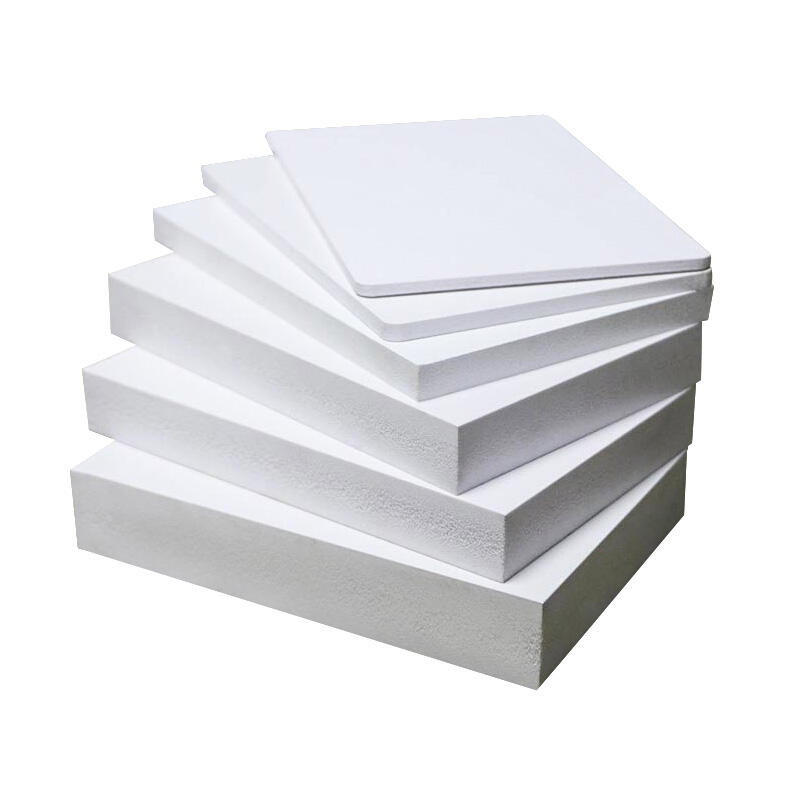
The transformation extends beyond mere aesthetics, encompassing improved functionality, enhanced durability, and streamlined production processes. Modern businesses demand signage solutions that can withstand diverse environmental conditions while maintaining visual appeal and structural integrity. PVC foam board delivers on all these fronts, establishing itself as the preferred choice for professionals across various industries.
Revolutionary Material Properties Driving Industry Change
Exceptional Durability and Weather Resistance
The cellular structure of PVC foam board provides exceptional resistance to moisture, UV radiation, and temperature fluctuations, making it ideal for both indoor and outdoor applications. Unlike traditional materials that may warp, crack, or fade over time, this innovative substrate maintains its structural integrity and visual quality across diverse environmental conditions. The closed-cell foam construction prevents water absorption, eliminating common issues such as delamination and material degradation that plague conventional signage materials.
This remarkable durability translates into significant cost savings for businesses, as signage installations require less frequent replacement and maintenance. The material's inherent stability ensures that graphics remain vibrant and text stays crisp even after prolonged exposure to harsh weather conditions. Professional sign manufacturers increasingly rely on these properties to deliver long-lasting solutions that protect their clients' investments while maintaining brand visibility.
Lightweight Design Advantages
The foam core construction significantly reduces weight compared to solid plastic or wood alternatives, simplifying installation procedures and reducing structural load requirements. This weight advantage enables larger format signage without the need for extensive support systems, opening new possibilities for architectural integration and creative design applications. Installation teams benefit from easier handling and reduced labor costs, while building structures experience minimal additional stress from mounted signage elements.
Transportation and logistics also benefit from the reduced weight characteristics, allowing for more efficient shipping and handling throughout the supply chain. Distribution companies can optimize their cargo loads, reducing shipping costs and environmental impact while maintaining product quality during transit. This efficiency extends to end-users who can handle and position signage elements with minimal equipment and personnel.
Advanced Manufacturing Capabilities and Design Flexibility
Precision Cutting and Fabrication Options
Modern CNC routing and laser cutting technologies work exceptionally well with PVC foam board, enabling precise fabrication of complex shapes and intricate details. The material's consistent density and smooth cutting characteristics allow for clean edges and accurate dimensional control, essential for professional-grade signage applications. Advanced manufacturing processes can achieve tight tolerances and smooth finishes that enhance the overall appearance and functionality of finished products.
Digital fabrication techniques unlock new creative possibilities, allowing designers to incorporate complex geometries, channel letters, and three-dimensional elements that would be challenging or impossible with traditional materials. The PVC foam board responds predictably to various cutting methods, ensuring consistent results across production runs and enabling cost-effective customization for specific project requirements.
Superior Print Quality and Adhesion
The smooth, uniform surface of PVC foam board provides an excellent substrate for various printing technologies, including digital UV printing, screen printing, and vinyl application. The material's surface energy characteristics promote strong adhesion of inks and adhesives, resulting in vibrant colors and sharp image reproduction that maintains quality over extended periods. Professional print service providers appreciate the consistent surface texture that eliminates variations in print quality across large production runs.
Advanced coating technologies further enhance print adhesion and durability, creating surfaces optimized for specific printing methods and environmental conditions. These specialized treatments expand application possibilities and improve long-term performance, making PVC foam board suitable for demanding applications such as vehicle graphics, outdoor advertising, and architectural elements where appearance retention is critical.
Environmental Sustainability and Economic Benefits
Recyclability and Environmental Impact
Modern PVC foam board manufacturing incorporates sustainable practices and recyclable formulations that align with growing environmental awareness in the signage industry. Advanced recycling technologies can process post-consumer PVC materials into new products, reducing waste streams and supporting circular economy principles. Manufacturers increasingly offer recycling programs that allow end-users to return used materials for proper processing and reuse in new applications.
The longevity of PVC foam board installations contributes to environmental sustainability by reducing replacement frequency and associated waste generation. Extended service life means fewer materials consumed over time, while the lightweight properties reduce transportation energy requirements throughout the product lifecycle. These environmental advantages make PVC foam board an attractive choice for organizations committed to sustainable business practices.
Cost-Effectiveness and Return on Investment
The combination of material efficiency, processing advantages, and durability creates compelling economic benefits for signage manufacturers and end-users alike. Lower material and labor costs during fabrication, combined with reduced maintenance requirements and extended service life, result in superior return on investment compared to alternative materials. Businesses can allocate marketing budgets more effectively when signage investments provide lasting value and consistent performance.
Volume purchasing advantages and efficient supply chain management further enhance cost-effectiveness, enabling competitive pricing for large-scale projects and standard applications. The material's versatility allows consolidation of inventory and tooling requirements, simplifying procurement processes and reducing overall operational complexity for sign manufacturers and installation companies.
Innovative Applications Across Multiple Industries
Retail and Commercial Signage Evolution
Retail environments benefit significantly from PVC foam board's versatility in creating engaging point-of-purchase displays, directional signage, and brand communication elements. The material's ability to support complex shapes and detailed graphics enables retailers to create immersive shopping experiences that drive customer engagement and sales conversion. Modern retail design increasingly incorporates dimensional elements and interactive components that leverage the fabrication advantages of this innovative substrate.
Commercial office environments utilize PVC foam board for wayfinding systems, corporate branding elements, and informational displays that require professional appearance and long-term reliability. The material's fire-retardant properties and low-emission characteristics make it suitable for interior applications where building codes and indoor air quality standards must be maintained. Professional architects and interior designers appreciate the design flexibility and performance consistency that support their creative visions.
Architectural Integration and Building Applications
Architectural applications of PVC foam board extend beyond traditional signage into building components, decorative elements, and functional installations that require weather resistance and dimensional stability. The material's thermal properties and moisture resistance make it suitable for exterior cladding applications, accent panels, and architectural trim elements that enhance building aesthetics while providing long-term performance.
Integration with building information modeling systems and parametric design tools enables architects to incorporate PVC foam board elements into comprehensive building designs with accurate performance predictions and cost modeling. This technological integration streamlines the design process and improves project outcomes by ensuring material selections align with performance requirements and budget constraints from the earliest design phases.
Future Trends and Technology Integration
Smart Technology Integration Possibilities
Emerging technologies such as embedded LED lighting, interactive sensors, and digital display integration create new possibilities for PVC foam board applications in smart signage systems. The material's electrical properties and fabrication flexibility enable incorporation of electronic components and wiring systems that transform static displays into dynamic, responsive communication platforms. These smart signage solutions provide enhanced functionality while maintaining the durability and cost advantages of traditional applications.
Internet of Things connectivity and data analytics capabilities can be integrated with PVC foam board installations to create intelligent signage networks that adapt to environmental conditions, user interactions, and business requirements. This technology convergence opens new revenue opportunities for sign manufacturers and provides enhanced value propositions for end-users seeking competitive advantages through innovative communication solutions.
Advanced Material Formulations and Performance Enhancements
Research and development efforts continue to improve PVC foam board formulations with enhanced properties such as increased fire resistance, improved thermal performance, and specialized surface treatments for specific applications. These advanced materials expand the range of suitable applications and enable compliance with evolving building codes and industry standards. Innovation in polymer chemistry and processing technologies drives continuous improvement in material performance and cost-effectiveness.
Nanotechnology integration and advanced additives create possibilities for self-cleaning surfaces, antimicrobial properties, and enhanced UV resistance that extend material lifespan and reduce maintenance requirements. These technological advances position PVC foam board as a future-ready material platform capable of meeting evolving market demands and supporting next-generation signage applications.
FAQ
What makes PVC foam board superior to traditional signage materials
PVC foam board offers several key advantages over traditional materials including superior weather resistance, lightweight construction, excellent printability, and cost-effectiveness. The closed-cell foam structure provides moisture resistance and dimensional stability that outperforms wood, cardboard, and many solid plastic alternatives. Additionally, the material's consistent surface texture and chemical compatibility with various inks and adhesives result in superior print quality and durability compared to conventional substrates.
How does PVC foam board perform in extreme weather conditions
PVC foam board demonstrates excellent performance across a wide range of environmental conditions, with UV stabilizers preventing degradation from sun exposure and the closed-cell structure resisting moisture absorption and freeze-thaw cycles. The material maintains structural integrity in temperature ranges from -40°F to 140°F, making it suitable for diverse climates and applications. Wind load resistance and impact tolerance exceed requirements for most standard signage installations, ensuring reliable performance in challenging environments.
What are the environmental benefits of choosing PVC foam board for signage projects
PVC foam board contributes to environmental sustainability through several mechanisms including extended service life that reduces replacement frequency, recyclability through specialized programs, and lightweight properties that reduce transportation energy consumption. The material's durability minimizes waste generation over time, while efficient manufacturing processes and improving recycling technologies support circular economy principles. Many manufacturers now offer carbon-neutral production options and take-back programs for end-of-life materials.
Can PVC foam board be used for both indoor and outdoor applications
Yes, PVC foam board is engineered for versatile use in both indoor and outdoor environments, with formulations available for specific application requirements. Outdoor grades include enhanced UV stabilizers and weather-resistant additives, while indoor formulations may emphasize fire retardancy and low-emission properties. The material's inherent moisture resistance and chemical stability make it suitable for diverse environments including high-humidity locations, temperature-controlled spaces, and direct weather exposure applications.