 EN
EN

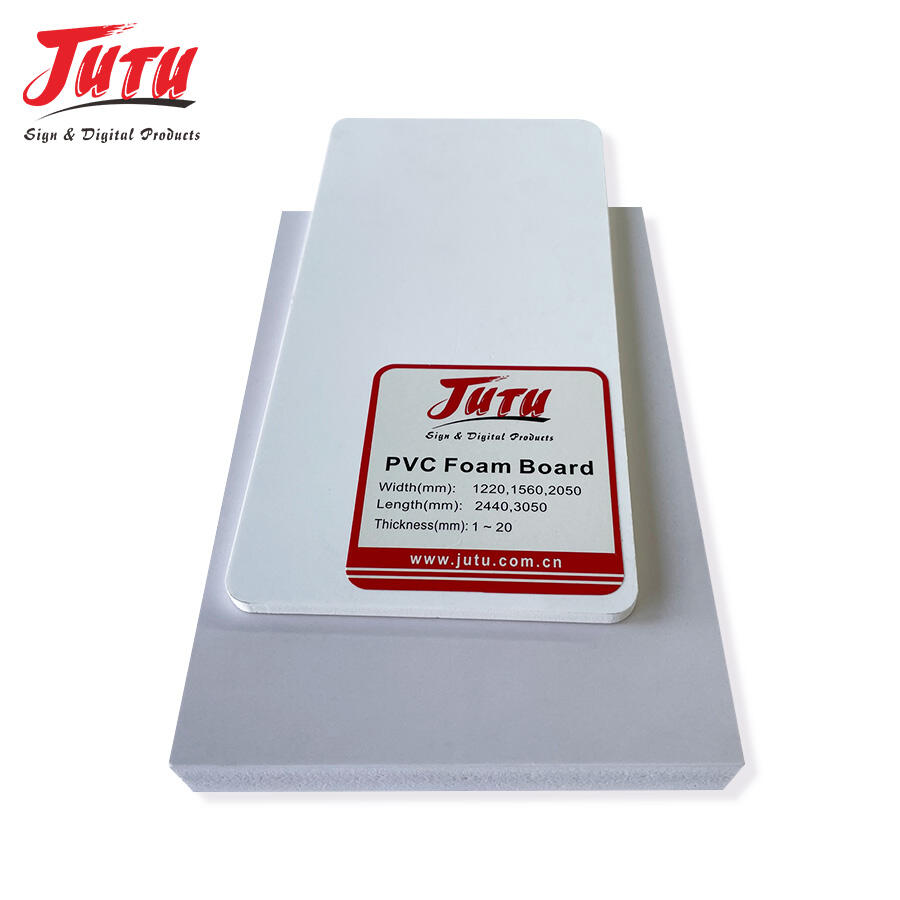
In moisture-controlled environments where humidity and water exposure present constant challenges, selecting the right building materials becomes critical for long-term performance and cost-effectiveness. PVC Celuka Board emerges as a superior solution for applications requiring exceptional moisture resistance, dimensional stability, and durability. This advanced cellular PVC material combines the lightweight properties of foam core construction with the protective benefits of solid PVC skin layers, creating an ideal substrate for environments where traditional materials often fail due to water damage, warping, or degradation.
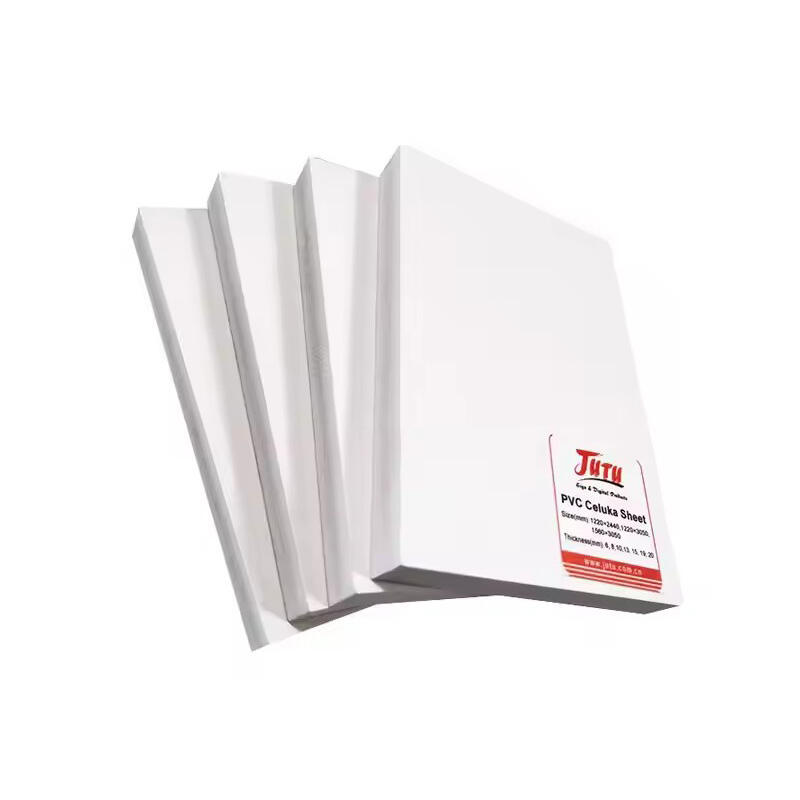
Understanding PVC Celuka Board Construction and Properties
Cellular Structure and Material Composition
The unique construction of PVC Celuka Board features a closed-cell foam core sandwiched between two dense PVC skin layers. This tri-layer design provides exceptional strength-to-weight ratios while maintaining complete water impermeability. The cellular core reduces material weight by approximately 30-40% compared to solid PVC sheets of equivalent thickness, making installation easier and reducing structural load requirements. The dense outer skins provide superior impact resistance and surface hardness, ensuring the material maintains its appearance and performance over extended periods.
Manufacturing processes for PVC Celuka Board involve precise temperature and pressure control to achieve optimal cell structure uniformity. The closed-cell configuration prevents water infiltration into the core material, eliminating concerns about internal moisture accumulation that could lead to material degradation or dimensional changes. This construction method results in consistent density distribution throughout the sheet, providing predictable performance characteristics across all applications.
Moisture Resistance Mechanisms
The inherent moisture resistance of PVC Celuka Board stems from both material properties and structural design elements. Polyvinyl chloride naturally exhibits hydrophobic characteristics, meaning water molecules cannot penetrate the polymer matrix at the molecular level. This fundamental property ensures that even prolonged exposure to high humidity or direct water contact will not compromise the material's integrity or performance.
Beyond material properties, the manufacturing process creates seamless integration between the foam core and skin layers, eliminating potential moisture entry points. Edge sealing and proper installation techniques further enhance moisture protection, creating complete barrier systems that prevent water infiltration from any direction. This comprehensive moisture resistance makes PVC Celuka Board ideal for applications in swimming pool areas, commercial kitchens, pharmaceutical facilities, and other high-humidity environments.
Performance Advantages in High-Humidity Applications
Dimensional Stability Under Varying Conditions
One of the most significant advantages of PVC Celuka Board in moisture-controlled environments is its exceptional dimensional stability across varying temperature and humidity conditions. Unlike wood-based materials that expand and contract with moisture changes, PVC Celuka Board maintains consistent dimensions regardless of environmental fluctuations. This stability prevents common problems such as warping, cupping, or gap formation that can compromise both aesthetics and functionality.
Laboratory testing demonstrates that PVC Celuka Board exhibits less than 0.1% dimensional change when exposed to humidity variations from 30% to 90% relative humidity. This minimal expansion coefficient ensures that installed panels maintain proper fit and finish over time, reducing maintenance requirements and extending service life. The material's thermal expansion properties are also well-characterized, allowing for proper expansion joint design in large installations.
Resistance to Mold and Microbial Growth
Moisture-controlled environments often struggle with mold, mildew, and bacterial growth, particularly when organic materials are present. PVC Celuka Board provides an inherent advantage in these applications due to its inorganic composition and non-porous surface characteristics. The material does not provide nutrients that support microbial growth, creating surfaces that remain hygienic even under challenging conditions.
Surface treatments and cleaning protocols for PVC Celuka Board are straightforward and effective, utilizing standard disinfectants and cleaning agents without risk of material damage. The smooth, non-porous surface prevents dirt and contaminant accumulation in microscopic crevices, making thorough cleaning achievable with conventional methods. This ease of maintenance is particularly valuable in healthcare, food processing, and laboratory environments where stringent hygiene standards must be maintained.
Installation and Processing Advantages
Fabrication and Machining Properties
The cellular structure of PVC Celuka Board provides excellent fabrication characteristics that simplify installation and customization processes. The material cuts cleanly with standard woodworking tools, producing smooth edges without chipping or delamination. Routing, drilling, and shaping operations can be performed using conventional equipment, making it accessible to standard construction and fabrication workflows.
Welding and bonding techniques for PVC Celuka Board enable seamless joint creation that maintains moisture barrier integrity. Solvent welding creates chemical bonds that are stronger than the base material, ensuring long-term joint reliability. Mechanical fastening options include screws, rivets, and specialized clips that accommodate thermal movement while maintaining secure attachment to structural substrates.
Surface Finishing and Aesthetic Options
Surface preparation and finishing options for PVC Celuka Board support diverse aesthetic requirements while maintaining moisture resistance properties. The material accepts paint, vinyl wraps, and laminate applications when proper surface preparation techniques are employed. Primer selection and application methods are critical for achieving durable finishes that withstand moisture exposure and cleaning cycles.
Textured surface options provide enhanced grip characteristics for safety applications while maintaining easy cleaning properties. Embossed patterns and surface treatments can simulate wood grain, stone, or other natural materials while retaining the performance advantages of PVC construction. Color stability under UV exposure and chemical cleaning ensures that aesthetic qualities are maintained throughout the service life.
Cost-Effectiveness and Lifecycle Considerations
Initial Investment and Installation Costs
While the initial material cost of PVC Celuka Board may exceed that of traditional alternatives like plywood or MDF, the total project cost often proves more economical when installation factors are considered. The lightweight nature reduces handling costs and structural requirements, while the ease of fabrication minimizes labor time and specialized tool requirements.
Installation efficiency gains result from the material's dimensional consistency and pre-finished surface options. Unlike wood products that require on-site sealing and finishing, PVC Celuka Board can often be installed as a finished product, reducing project timelines and eliminating multiple trade coordination requirements. These efficiency gains translate to reduced labor costs and faster project completion.
Long-Term Maintenance and Replacement Costs
The lifecycle cost advantages of PVC Celuka Board become apparent through reduced maintenance requirements and extended service life in moisture-controlled environments. Traditional materials often require regular sealing, painting, or replacement due to moisture damage, while PVC Celuka Board maintains performance with minimal intervention for decades.
Warranty coverage for PVC Celuka Board typically extends 10-25 years depending on application and manufacturer, providing cost predictability for facility management budgets. The material's resistance to common failure modes such as rot, delamination, and insect damage eliminates many routine maintenance tasks required with organic alternatives. This reliability reduces both scheduled maintenance costs and emergency repair expenses.
Application-Specific Benefits Across Industries
Healthcare and Laboratory Environments
Healthcare facilities require materials that maintain sterile conditions while withstanding frequent cleaning with aggressive disinfectants. PVC Celuka Board meets these demanding requirements through its non-porous surface, chemical resistance, and dimensional stability. The material's ability to maintain smooth, gap-free surfaces prevents contamination accumulation and enables effective sterilization protocols.
Laboratory applications benefit from the material's chemical inertness and ease of decontamination. The non-absorbent surface prevents cross-contamination between experiments or procedures, while the smooth finish enables complete removal of hazardous substances. Fire retardant grades are available for applications requiring enhanced safety characteristics.
Commercial Kitchen and Food Service
Food service environments present unique challenges combining high humidity, temperature fluctuations, grease exposure, and strict sanitation requirements. PVC Celuka Board addresses these challenges through its moisture impermeability, grease resistance, and compatibility with food-grade cleaning chemicals. The material maintains performance in temperature ranges typical of commercial kitchens while providing easy cleaning surfaces.
Installation in walk-in coolers, prep areas, and dining spaces benefits from the material's thermal properties and condensation resistance. Unlike traditional materials that may harbor bacteria in joints or damaged surfaces, properly installed PVC Celuka Board systems create seamless, hygienic environments that support food safety protocols and regulatory compliance.
FAQ
How does PVC Celuka Board compare to solid PVC sheets in moisture applications
PVC Celuka Board offers similar moisture resistance to solid PVC but with significant weight reduction and improved thermal insulation properties. The cellular core structure provides better screw holding power and impact resistance while maintaining the chemical resistance and dimensional stability of solid PVC. For most moisture-controlled applications, the performance advantages and cost savings of celuka construction make it preferable to solid sheets.
What thickness options are available for different moisture exposure levels
Standard thickness ranges from 3mm to 30mm, with selection depending on structural requirements and moisture exposure intensity. Light-duty applications like wall coverings typically use 6-10mm thickness, while structural applications in high-moisture environments may require 15-20mm boards. Thicker boards provide enhanced insulation properties and greater impact resistance for demanding applications.
Can PVC Celuka Board be used in exterior moisture applications
Yes, PVC Celuka Board is suitable for exterior applications when proper UV protection is provided through surface treatments or paint systems. The material's moisture resistance makes it ideal for soffits, trim, and other exterior applications where water exposure is common. UV-stabilized grades are available for direct sunlight exposure, though surface finishing is recommended for optimal appearance retention.
What are the temperature limitations in moisture-controlled environments
PVC Celuka Board maintains structural integrity from -40°F to 140°F, covering most HVAC-controlled environment requirements. Continuous exposure above 120°F may affect surface hardness and dimensional stability, so applications like industrial ovens or steam rooms require careful engineering evaluation. The material's low thermal conductivity helps maintain comfortable surface temperatures even in challenging thermal conditions.