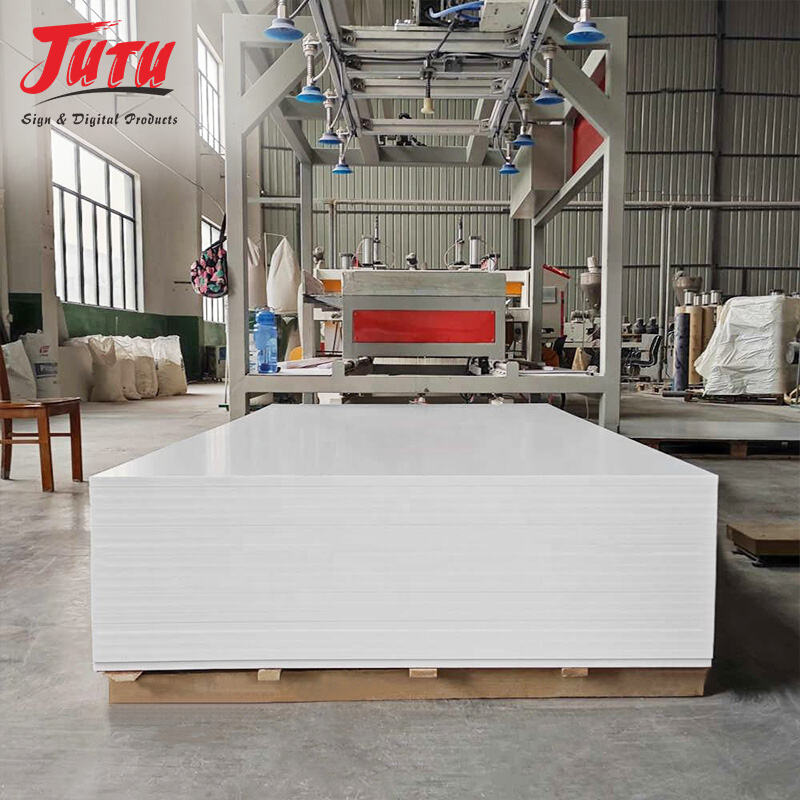
PVC Coated Foam Board: Premium Lightweight Construction Material with Superior Weather Resistance

Get a Free Quote

Our representative will contact you soon.
Email
Name
Company Name
Message
0/1000

pvc coated foam board

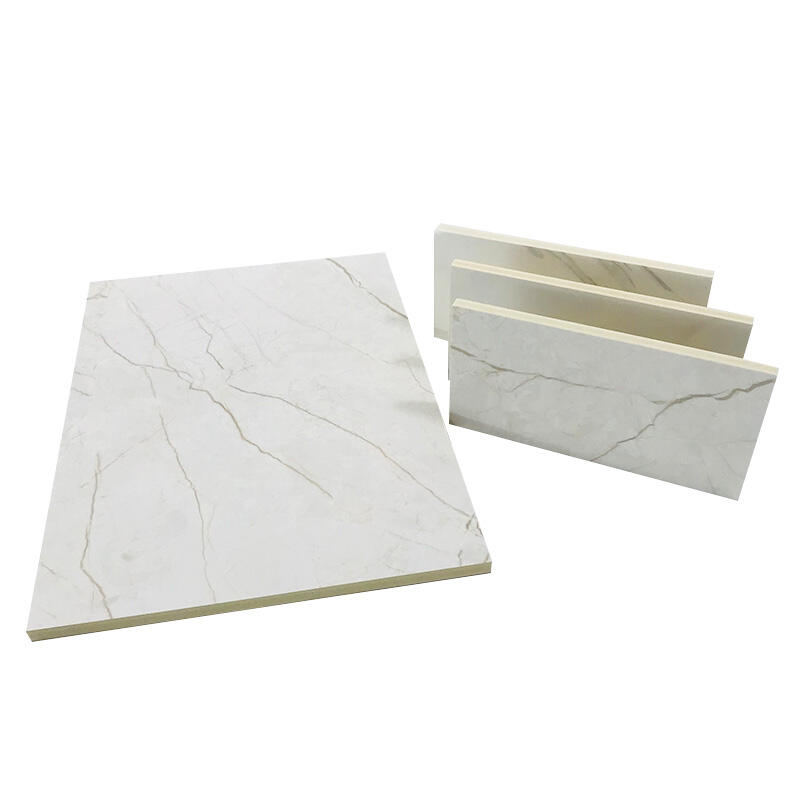
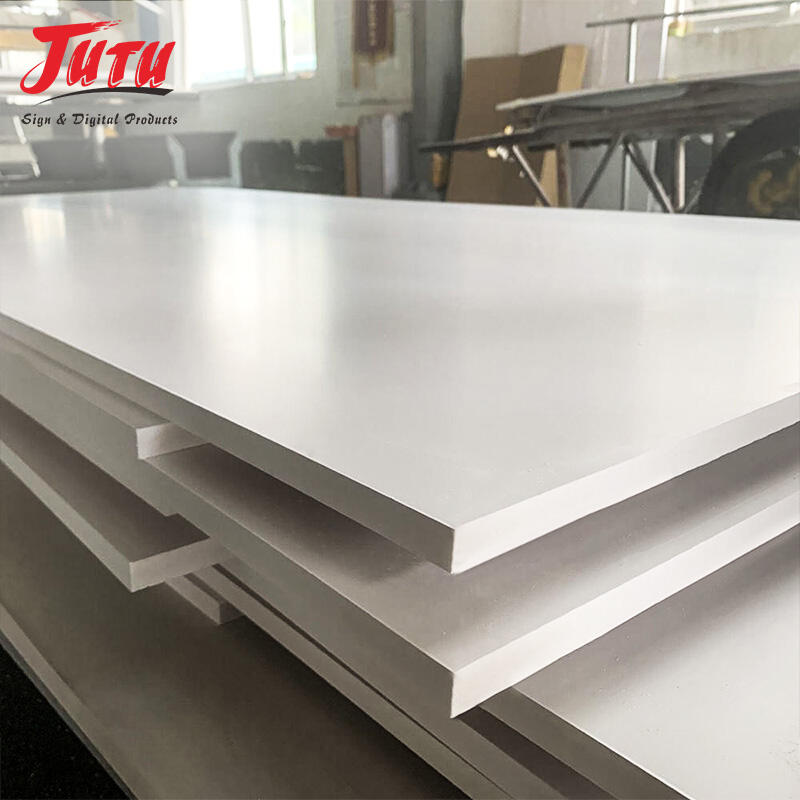
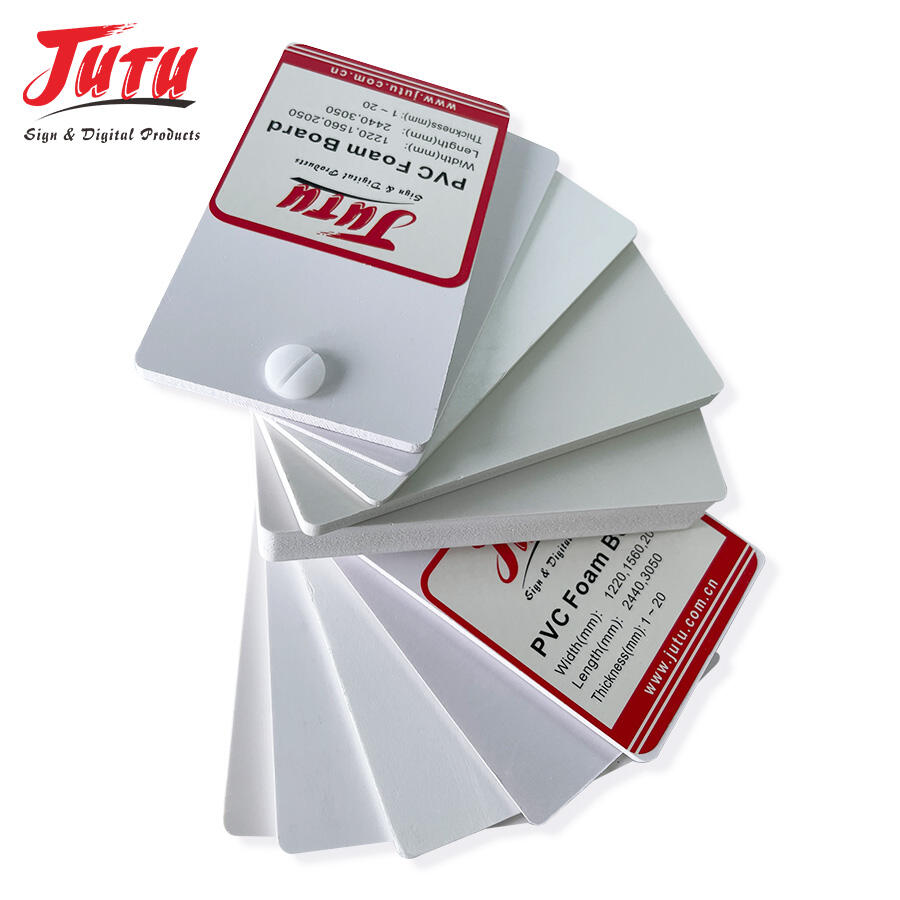
PVC coated foam board represents a revolutionary advancement in modern construction and display materials, combining the lightweight properties of foam core with the durability and weather resistance of polyvinyl chloride coating. This innovative composite material features a closed-cell foam interior, typically made from expanded polystyrene or polyurethane, which is then encapsulated with a smooth, protective PVC skin on both surfaces. The manufacturing process involves laminating high-quality PVC sheets onto the foam substrate under controlled temperature and pressure conditions, creating a seamless bond that ensures long-term performance and reliability. The technological sophistication of pvc coated foam board lies in its multi-layer construction, where the foam core provides exceptional thermal insulation and structural integrity while maintaining minimal weight. The PVC coating serves multiple functions, acting as a moisture barrier, UV protectant, and providing a smooth surface suitable for various finishing applications. Modern production techniques allow for precise thickness control, ranging from 3mm to 30mm, accommodating diverse project requirements. The surface treatment of pvc coated foam board can be customized with different textures, colors, and finishes, making it versatile for both functional and aesthetic applications. Key technological features include excellent dimensional stability, resistance to chemical corrosion, and superior fire-retardant properties when manufactured with appropriate additives. The material demonstrates remarkable versatility across multiple industries, finding extensive use in architectural cladding, interior partitioning, exhibition displays, marine applications, and refrigeration systems. In construction, pvc coated foam board serves as an effective insulation material for walls, roofs, and floors, contributing to energy efficiency and climate control. The signage industry relies heavily on this material for outdoor advertising boards, point-of-sale displays, and architectural graphics due to its weather resistance and printability. Manufacturing facilities utilize pvc coated foam board for cleanroom partitions, equipment housings, and protective barriers where hygiene and chemical resistance are paramount.

Popular Products

PVC coated foam board delivers exceptional value through its unique combination of lightweight construction and superior durability, making it an ideal choice for projects where weight reduction without compromising strength is essential. The material weighs significantly less than traditional alternatives like solid plastic sheets or metal panels, reducing transportation costs and simplifying installation procedures. This weight advantage translates directly into labor savings and reduced structural load requirements for mounting systems. The weather resistance properties of pvc coated foam board surpass many conventional materials, as the PVC coating creates an impermeable barrier against moisture, preventing water absorption that could lead to dimensional changes, mold growth, or structural degradation. This moisture resistance makes the material particularly valuable in humid environments, outdoor applications, and areas subject to frequent cleaning or sanitization. The smooth, non-porous surface of pvc coated foam board facilitates easy cleaning and maintenance, requiring only basic cleaning agents to maintain its appearance and hygienic properties. Unlike porous materials that can harbor bacteria or absorb odors, the sealed surface remains sanitary and fresh over extended periods. Cost-effectiveness represents another significant advantage, as pvc coated foam board typically costs less than solid plastic alternatives while providing comparable performance characteristics. The material processes easily with standard woodworking tools, eliminating the need for specialized equipment and reducing fabrication time. This machinability extends to cutting, drilling, routing, and edge finishing operations, allowing for precise customization without specialized training or equipment. The thermal insulation properties of pvc coated foam board contribute to energy savings in building applications, helping maintain consistent interior temperatures and reducing heating and cooling costs. Fire safety features, when manufactured with appropriate additives, ensure compliance with building codes and safety regulations. The material demonstrates excellent impact resistance, maintaining structural integrity under normal handling and use conditions. Chemical resistance properties protect against common cleaning agents, oils, and mild acids, ensuring long-term performance in industrial environments. Installation flexibility allows for various mounting methods, including mechanical fasteners, adhesive bonding, and clip systems, accommodating different project requirements and substrate conditions.

Latest News

Acrylic Board Manufacturers: Shaping the Future of Plastics

07

Nov

Acrylic Board Manufacturers: Shaping the Future of Plastics

Acrylic boards have become indispensable in industries like construction, automotive, and healthcare. Their durability, transparency, and versatility make them a preferred material for diverse applications. Acrylic board manufacturers continue to inn...
View More
Durability and Aesthetics: The Advantages of Aluminum Composite Plates

07

Nov

Durability and Aesthetics: The Advantages of Aluminum Composite Plates

Aluminum composite plates deliver an exceptional balance of durability and aesthetics. Their advanced material composition ensures strength and resilience, while their design flexibility allows for creative applications. Industries such as architectu...
View More
How Paper Foam Board Supports Eco-Friendly Packaging Solutions

06

Jan

How Paper Foam Board Supports Eco-Friendly Packaging Solutions

The packaging industry is undergoing a significant transformation as businesses increasingly prioritize sustainable alternatives to traditional materials. In this shift toward environmental responsibility, paper foam board has emerged as a revolution...
View More
How Aluminum Composite Panels Are Revolutionizing Skyscraper Facades

06

Jan

How Aluminum Composite Panels Are Revolutionizing Skyscraper Facades

Modern skyscraper construction has undergone a remarkable transformation, with aluminum composite panels emerging as the cornerstone of contemporary facade design. These innovative building materials combine the strength of aluminum with advanced com...
View More

Get a Free Quote

Our representative will contact you soon.
Email
Name
Company Name
Message
0/1000

pvc coated foam board

Superior Weather Protection and Longevity

Superior Weather Protection and Longevity

The exceptional weather resistance of pvc coated foam board stems from its advanced multi-layer construction that provides comprehensive protection against environmental challenges. The outer PVC coating forms a continuous protective barrier that effectively repels water, prevents UV degradation, and resists temperature fluctuations that typically cause expansion and contraction in other materials. This protective system ensures that pvc coated foam board maintains its structural integrity and aesthetic appearance even under prolonged exposure to harsh outdoor conditions, including direct sunlight, rain, snow, and temperature extremes. The UV-resistant properties are particularly significant, as many conventional foam materials suffer from degradation when exposed to sunlight, leading to brittleness, color fading, and eventual failure. The PVC coating incorporates specialized UV stabilizers that maintain color consistency and prevent surface chalking or cracking over time. This longevity translates into substantial cost savings for customers, as the extended service life reduces replacement frequency and associated labor costs. The weather resistance also extends to chemical exposure, as the sealed surface resists common environmental pollutants, salt spray in coastal applications, and industrial atmospheric contaminants. For marine applications, pvc coated foam board demonstrates exceptional resistance to saltwater corrosion, making it valuable for boat construction, dock installations, and coastal infrastructure projects. The material's ability to maintain dimensional stability under varying humidity conditions prevents warping, swelling, or shrinkage that could compromise fit and finish in precision applications. Temperature resistance allows pvc coated foam board to perform reliably across a wide range of climatic conditions, from freezing temperatures to high heat exposure, without losing its mechanical properties or protective characteristics. This comprehensive weather protection makes pvc coated foam board an excellent long-term investment for outdoor signage, building cladding, recreational vehicle construction, and any application where durability and appearance retention are critical factors.
Exceptional Versatility and Easy Processing

Exceptional Versatility and Easy Processing

The remarkable versatility of pvc coated foam board makes it suitable for an extensive range of applications across diverse industries, from architectural construction to specialized manufacturing requirements. This adaptability stems from the material's unique combination of properties that can be customized to meet specific performance criteria. The foam core density can be adjusted to optimize weight, insulation properties, and structural strength for particular applications. Surface treatments can be modified to enhance printability, adhesion characteristics, or aesthetic appeal. Thickness variations allow designers to balance weight considerations with structural requirements, while the uniform cell structure ensures consistent performance across all dimensions. Processing flexibility represents one of the most significant advantages of pvc coated foam board, as it can be fabricated using conventional woodworking tools and techniques. Standard circular saws, routers, and drill bits work effectively with the material, eliminating the need for specialized equipment or extensive operator training. The cutting process produces clean, smooth edges that can be finished with various techniques, including flame polishing, edge banding, or protective sealing. Thermoforming capabilities allow pvc coated foam board to be shaped into curved or complex geometries when heated, expanding design possibilities for architectural features, display elements, and custom enclosures. Bonding options include mechanical fasteners, structural adhesives, welding techniques, and hybrid attachment methods, providing flexibility in assembly and installation procedures. The material accepts a wide variety of surface treatments, including digital printing, vinyl graphics, painted finishes, and laminated coverings, making it suitable for both functional and decorative applications. CNC machining capabilities enable precise cutting, routing, and drilling operations for complex shapes and tight tolerances. The versatility extends to compatibility with other building materials, as pvc coated foam board integrates effectively with metal framing systems, wood structures, and composite assemblies. This compatibility simplifies specification and reduces the need for special interface details or transition components.

Outstanding Thermal Performance and Energy Efficiency

Outstanding Thermal Performance and Energy Efficiency

The thermal performance characteristics of pvc coated foam board deliver significant energy efficiency benefits that translate directly into operational cost savings and improved comfort conditions. The closed-cell foam core provides excellent thermal insulation properties, with R-values that typically range from R-3 to R-8 per inch depending on the specific foam formulation and density. This insulation capability significantly reduces heat transfer through building envelopes, helping maintain consistent interior temperatures and reducing the workload on heating and cooling systems. The continuous PVC coating eliminates thermal bridging that can occur with other insulation systems, creating a more effective thermal barrier. For building applications, pvc coated foam board contributes to meeting increasingly stringent energy codes and green building standards, supporting LEED certification and other sustainability initiatives. The material's thermal properties remain stable over time, unlike some insulation materials that can settle, compress, or lose effectiveness due to moisture absorption. In refrigeration applications, pvc coated foam board provides superior thermal protection while maintaining easy-to-clean surfaces that meet food safety requirements. The thermal stability of the material allows it to maintain its insulating properties across a wide temperature range without dimensional changes or performance degradation. Thermal expansion characteristics are minimal and predictable, reducing stress on mounting systems and maintaining tight seals in assembly applications. The vapor barrier properties of the PVC coating prevent moisture infiltration that could compromise thermal performance or lead to condensation problems within wall assemblies. For industrial applications, pvc coated foam board helps maintain process temperatures, reducing energy consumption and improving operational efficiency. The combination of thermal insulation and structural properties makes it valuable for insulated panels in cold storage facilities, where maintaining consistent temperatures is critical for product quality and energy costs. Fire-resistant formulations provide additional safety benefits while maintaining thermal performance characteristics. The material's ability to maintain thermal properties under varying environmental conditions ensures consistent performance throughout seasonal temperature changes and long-term service life.