 EN
EN

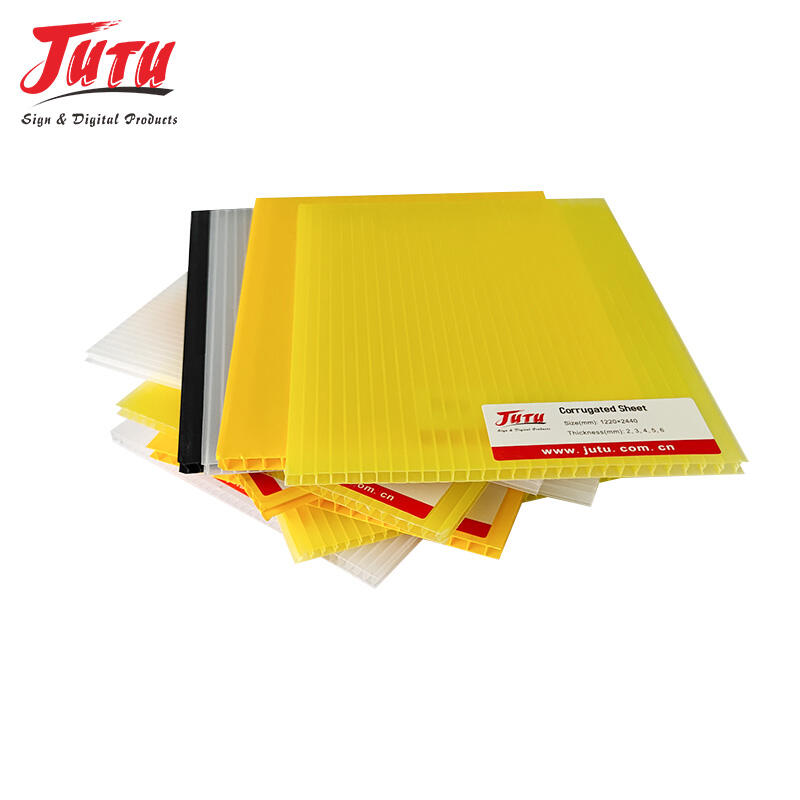
The packaging industry is undergoing a significant transformation as businesses increasingly prioritize sustainable alternatives to traditional materials. In this shift toward environmental responsibility, paper foam board has emerged as a revolutionary solution that combines functionality with eco-friendliness. This innovative material offers companies the opportunity to reduce their carbon footprint while maintaining the protective qualities essential for effective packaging. As consumer awareness about environmental impact grows, businesses are actively seeking packaging solutions that align with sustainability goals without compromising on performance or cost-effectiveness.
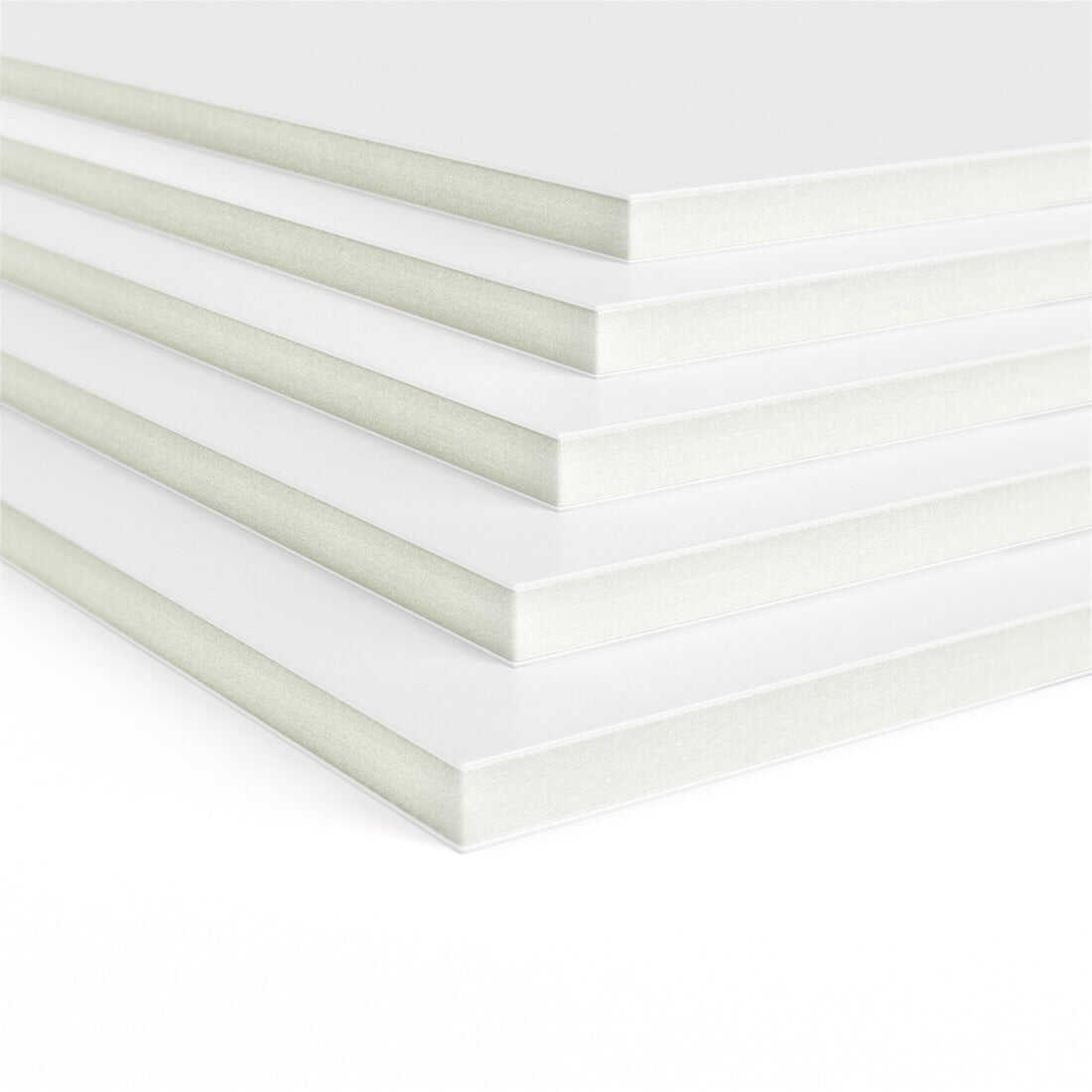
Understanding the Environmental Benefits of Paper Foam Board
Biodegradability and Decomposition Properties
Paper foam board represents a significant advancement in sustainable packaging technology due to its excellent biodegradability characteristics. Unlike traditional plastic foam materials that can persist in landfills for centuries, paper foam board breaks down naturally through biological processes within months under proper composting conditions. This rapid decomposition occurs because the material consists primarily of natural cellulose fibers that soil microorganisms can readily process. The biodegradation process of paper foam board produces no harmful byproducts, making it safe for soil and groundwater systems.
The cellular structure of paper foam board facilitates efficient decomposition by providing increased surface area for microbial activity. When exposed to moisture and oxygen in composting environments, the material's foam structure allows beneficial bacteria and fungi to penetrate easily, accelerating the breakdown process. This characteristic makes paper foam board an ideal choice for companies implementing circular economy principles in their packaging strategies. Environmental impact assessments consistently show that paper foam board generates significantly lower long-term ecological burdens compared to conventional petroleum-based foam alternatives.
Renewable Resource Utilization
The production of paper foam board relies heavily on renewable forestry resources, making it a sustainable alternative to finite petroleum-based materials. Modern paper foam board manufacturing increasingly incorporates recycled paper content, further reducing the demand for virgin wood pulp and minimizing environmental impact. Forest stewardship certification programs ensure that the raw materials used in paper foam board production come from responsibly managed forests that maintain biodiversity and ecological balance. This sustainable sourcing approach supports reforestation efforts and contributes to carbon sequestration initiatives worldwide.
Manufacturing processes for paper foam board have evolved to maximize resource efficiency and minimize waste generation. Advanced production techniques allow manufacturers to create high-quality paper foam board using up to seventy percent recycled content without compromising structural integrity or protective properties. The energy requirements for paper foam board production are substantially lower than those needed for plastic foam manufacturing, resulting in reduced greenhouse gas emissions throughout the production cycle. This energy efficiency, combined with renewable resource utilization, positions paper foam board as a cornerstone material for environmentally conscious packaging strategies.
Technical Performance Characteristics
Protective Properties and Durability
Paper foam board delivers exceptional protective performance through its unique cellular structure, which provides excellent cushioning and shock absorption capabilities. The material's closed-cell foam composition creates multiple air pockets that effectively distribute impact forces, protecting packaged items from damage during transportation and handling. Rigorous testing demonstrates that paper foam board maintains its protective properties across a wide range of temperatures and humidity conditions, ensuring consistent performance in diverse storage and shipping environments.
The compressive strength of paper foam board rivals that of traditional packaging materials while offering superior recovery characteristics after compression. This resilience ensures that the material maintains its protective function even after repeated stress cycles during extended shipping periods. Surface treatments and coating technologies enhance the moisture resistance of paper foam board, expanding its applicability to products requiring protection from humidity and minor liquid exposure. Quality control testing protocols verify that paper foam board meets or exceeds industry standards for protective packaging across various product categories.
Customization and Manufacturing Flexibility
Modern manufacturing techniques enable extensive customization of paper foam board properties to meet specific packaging requirements. Density variations allow manufacturers to optimize the material's protective characteristics for different product weights and fragility levels. The foam structure can be engineered to provide targeted cushioning zones, creating custom-fit packaging solutions that maximize protection while minimizing material usage. Advanced cutting and shaping technologies facilitate the production of complex geometric forms, enabling paper foam board to replace traditional packaging materials in sophisticated applications.
Surface finishing options for paper foam board include various textures and coatings that enhance both functional and aesthetic properties. Antimicrobial treatments can be applied to paper foam board for applications requiring enhanced hygiene standards, such as food packaging or medical device protection. Color customization capabilities allow brands to maintain visual identity while transitioning to sustainable packaging solutions. The manufacturing flexibility of paper foam board supports small-batch production runs, making it economically viable for specialty applications and niche market segments that previously relied on less sustainable alternatives.
Industrial Applications and Use Cases
Electronics and Technology Packaging
The electronics industry has embraced paper foam board as an effective solution for protecting sensitive devices during shipping and storage. The material's antistatic properties, when properly treated, make it suitable for packaging electronic components that are vulnerable to electrostatic discharge damage. Paper foam board's dimensional stability ensures consistent fit and protection for precision instruments and delicate electronic assemblies. Major technology manufacturers have successfully implemented paper foam board in packaging systems for smartphones, tablets, and computer components, demonstrating its reliability in high-value applications.
Custom-engineered paper foam board inserts provide secure positioning for electronic devices while allowing for easy unpacking experiences that enhance customer satisfaction. The material's clean release properties prevent fiber contamination of sensitive electronic surfaces, addressing concerns about particle generation that can affect device performance. Temperature resistance characteristics of paper foam board make it suitable for electronics that may experience thermal cycling during transportation. Regulatory compliance testing confirms that paper foam board meets international standards for electronics packaging, including requirements for electromagnetic compatibility and materials safety.
Consumer Goods and Retail Applications
Retail packaging applications for paper foam board span numerous consumer product categories, from cosmetics and personal care items to home goods and automotive accessories. The material's aesthetic versatility allows brands to maintain premium packaging appearance while demonstrating environmental responsibility to increasingly conscious consumers. Paper foam board's lightweight properties reduce shipping costs and carbon footprint associated with product distribution. Consumer research indicates strong preference for packaging made from paper foam board over traditional plastic alternatives, particularly among environmentally aware demographics.
Point-of-sale display applications leverage paper foam board's structural properties to create eye-catching retail presentations that can be easily recycled after use. The material's printability enables high-quality graphics and branding elements that enhance product visibility and appeal. Paper foam board packaging systems designed for consumer goods often incorporate intuitive opening mechanisms that improve user experience while maintaining product security. Shelf stability testing demonstrates that paper foam board maintains its protective and aesthetic properties throughout typical retail storage periods, ensuring consistent product presentation from warehouse to consumer purchase.
Economic and Business Advantages
Cost-Effectiveness and Supply Chain Benefits
The economic advantages of paper foam board extend beyond material costs to encompass comprehensive supply chain benefits that improve overall packaging economics. Lightweight characteristics of paper foam board reduce transportation costs significantly compared to heavier traditional packaging materials. The material's space-efficient storage properties allow for more compact inventory management, reducing warehouse space requirements and associated operational costs. Bulk purchasing agreements for paper foam board often provide favorable pricing structures that improve long-term cost predictability for packaging operations.
Manufacturing efficiency improvements result from paper foam board's consistent processing characteristics and reduced quality control requirements compared to more variable traditional materials. The standardized properties of paper foam board simplify packaging design processes, reducing development time and engineering costs for new product launches. Supply chain resilience benefits from the distributed manufacturing network for paper foam board, which reduces dependency on single-source suppliers and geographic concentration risks. Regional availability of paper foam board materials supports local sourcing initiatives that further reduce transportation costs and supply chain complexity.
Regulatory Compliance and Market Access
Increasingly stringent environmental regulations favor packaging solutions like paper foam board that demonstrate clear sustainability advantages. Compliance with extended producer responsibility legislation becomes more straightforward when using biodegradable materials that align with circular economy principles. International market access improves for products packaged with paper foam board, as many regions implement restrictions on non-recyclable packaging materials. Proactive adoption of paper foam board positioning companies advantageously for future regulatory changes that may mandate sustainable packaging requirements.
Certification processes for sustainable packaging often streamline approval when paper foam board components are involved, reducing time-to-market for new products. Regulatory reporting requirements become less complex with paper foam board usage, as the material's environmental impact documentation is well-established and standardized. Corporate sustainability goals align naturally with paper foam board implementation, supporting compliance with voluntary environmental initiatives and industry standards. Market differentiation opportunities arise from early adoption of paper foam board technology, positioning companies as environmental leaders within their respective industries.
Implementation Strategies and Best Practices
Transition Planning and Change Management
Successful implementation of paper foam board packaging requires comprehensive transition planning that addresses both technical and operational considerations. Pilot programs allow companies to evaluate paper foam board performance in real-world conditions before committing to full-scale implementation. Cross-functional teams including procurement, engineering, and sustainability professionals ensure that all aspects of paper foam board integration receive appropriate attention. Change management strategies must address potential resistance to new materials while emphasizing the long-term benefits of sustainable packaging adoption.
Training programs for packaging engineers and production staff facilitate smooth transitions to paper foam board processing techniques and quality standards. Vendor partnerships with paper foam board suppliers provide technical support and expertise during implementation phases. Performance monitoring systems track key metrics such as damage rates, cost savings, and environmental impact improvements throughout the transition process. Documentation of lessons learned during paper foam board implementation creates valuable knowledge resources for future packaging optimization initiatives.
Quality Assurance and Performance Monitoring
Establishing robust quality assurance protocols ensures consistent performance of paper foam board packaging across production batches and supplier sources. Testing procedures must validate protective properties, dimensional accuracy, and environmental performance characteristics of paper foam board materials. Statistical process control methods monitor key quality parameters to maintain packaging reliability standards. Supplier qualification programs verify that paper foam board manufacturers meet environmental and performance specifications consistently.
Performance benchmarking compares paper foam board packaging effectiveness against previous materials to quantify improvement metrics. Customer feedback mechanisms capture real-world performance data that informs continuous improvement initiatives for paper foam board applications. Environmental impact tracking validates sustainability claims and provides data for corporate reporting requirements. Regular audits of paper foam board supply chains ensure ongoing compliance with environmental and quality standards throughout the material lifecycle.
Future Developments and Innovation Trends
Advanced Material Technologies
Research and development initiatives continue advancing paper foam board technology through innovative material formulations and manufacturing processes. Nanotechnology integration enhances barrier properties of paper foam board while maintaining biodegradability characteristics. Bio-based additives improve performance characteristics such as water resistance and mechanical strength without compromising environmental benefits. Advanced foam generation techniques create more uniform cellular structures that optimize protective properties and material efficiency.
Smart packaging integration incorporates sensors and indicators into paper foam board structures to monitor product condition and environmental exposure. Hybrid material systems combine paper foam board with other sustainable materials to create specialized packaging solutions for unique applications. Surface modification technologies expand the functional capabilities of paper foam board through targeted property enhancements. Recycling technology improvements increase the efficiency of paper foam board recovery and reprocessing systems.
Market Evolution and Industry Adoption
Industry-wide adoption of paper foam board accelerates as sustainability requirements become standard business practices across multiple sectors. Collaboration between manufacturers drives standardization efforts that improve compatibility and reduce implementation barriers for paper foam board applications. Investment in paper foam board production capacity responds to growing market demand and supports supply chain stability. Technology transfer initiatives spread paper foam board expertise to developing markets, expanding global access to sustainable packaging solutions.
Consumer education programs increase awareness of paper foam board benefits and drive demand for environmentally responsible packaging. Circular economy initiatives integrate paper foam board into comprehensive waste reduction strategies that maximize material value retention. Policy developments continue supporting paper foam board adoption through incentives and regulations favoring sustainable packaging materials. Innovation ecosystems emerge around paper foam board technology, fostering collaborative development of next-generation sustainable packaging solutions.
FAQ
What makes paper foam board more environmentally friendly than traditional packaging materials
Paper foam board offers superior environmental benefits because it biodegrades completely within months under proper composting conditions, unlike plastic foam that persists for centuries. The material is manufactured from renewable forestry resources, often incorporating significant recycled content that reduces demand for virgin materials. Production processes for paper foam board require less energy and generate fewer greenhouse gas emissions compared to petroleum-based alternatives. Additionally, the material supports circular economy principles through its compatibility with existing paper recycling infrastructure.
How does the protective performance of paper foam board compare to conventional packaging materials
Paper foam board provides excellent cushioning and shock absorption through its cellular structure, effectively protecting products during transportation and handling. The material maintains its protective properties across various environmental conditions and demonstrates superior recovery after compression compared to many traditional alternatives. Rigorous testing confirms that paper foam board meets or exceeds industry standards for protective packaging while offering additional benefits such as antistatic properties when properly treated. Custom engineering capabilities allow optimization of protective characteristics for specific applications and product requirements.
What are the cost implications of switching to paper foam board packaging
While initial material costs for paper foam board may vary compared to traditional options, comprehensive cost analysis reveals significant savings through reduced transportation expenses due to lighter weight and improved space efficiency. Supply chain benefits include more predictable pricing structures and reduced inventory storage requirements. Long-term economic advantages include regulatory compliance benefits, potential tax incentives for sustainable practices, and enhanced market access in regions with environmental packaging requirements. Manufacturing efficiency improvements and reduced quality control complexity often offset any initial cost differences.
Can paper foam board be customized for specific industry applications
Modern manufacturing techniques enable extensive customization of paper foam board properties including density variations, surface treatments, and specialized coatings for specific applications. The material can be engineered with antimicrobial properties for hygiene-sensitive applications or enhanced moisture resistance for products requiring protection from humidity. Advanced cutting and shaping technologies allow creation of complex geometries and custom-fit packaging solutions. Color customization and printability options maintain brand identity while transitioning to sustainable packaging, making paper foam board suitable for diverse industry requirements from electronics to consumer goods.
Table of Contents
- Understanding the Environmental Benefits of Paper Foam Board
- Technical Performance Characteristics
- Industrial Applications and Use Cases
- Economic and Business Advantages
- Implementation Strategies and Best Practices
- Future Developments and Innovation Trends
-
FAQ
- What makes paper foam board more environmentally friendly than traditional packaging materials
- How does the protective performance of paper foam board compare to conventional packaging materials
- What are the cost implications of switching to paper foam board packaging
- Can paper foam board be customized for specific industry applications