PP Honeycomb Board: Lightweight, Durable Construction Solutions for Modern Applications

Get a Free Quote

Our representative will contact you soon.
Email
Name
Company Name
Message
0/1000

pp honeycomb board

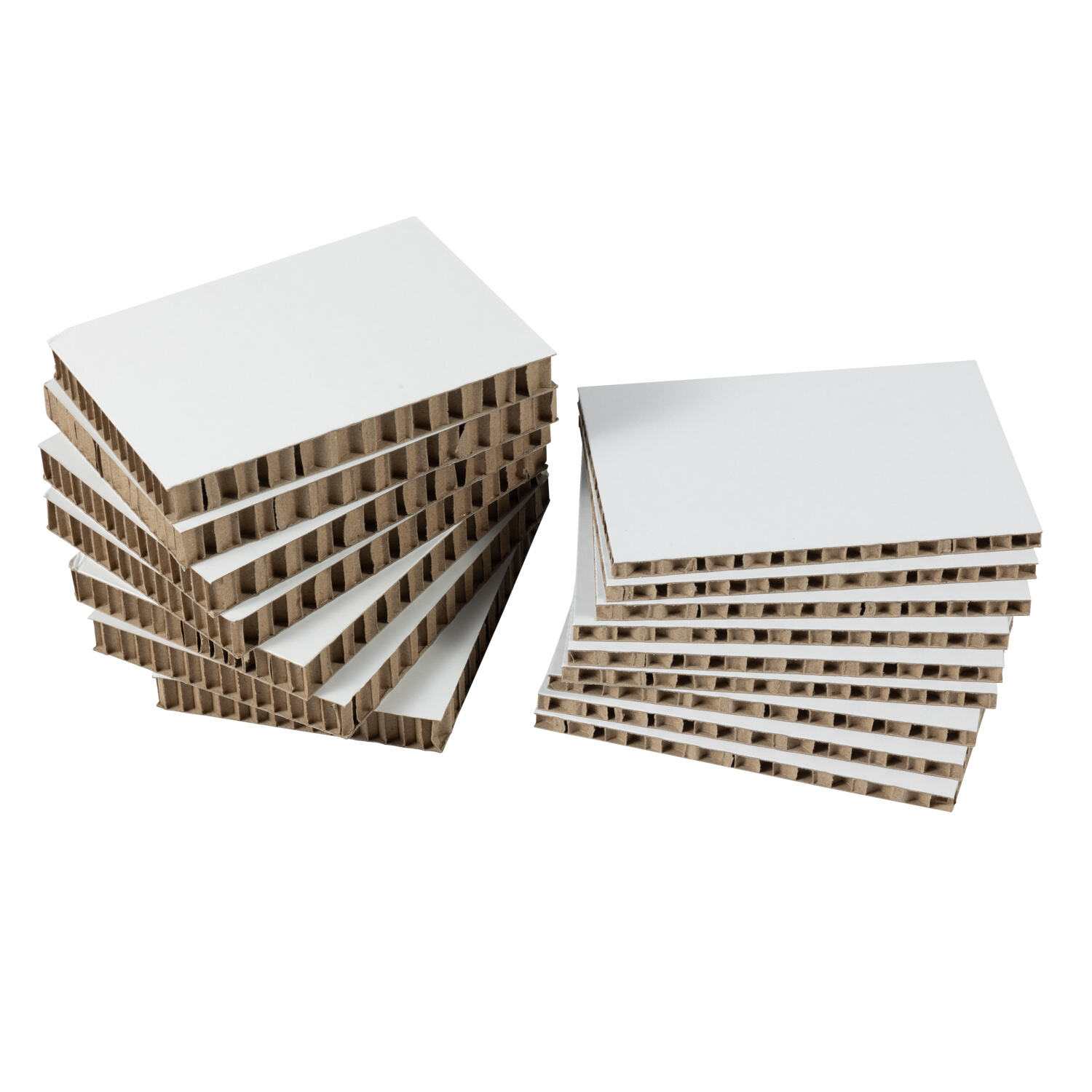
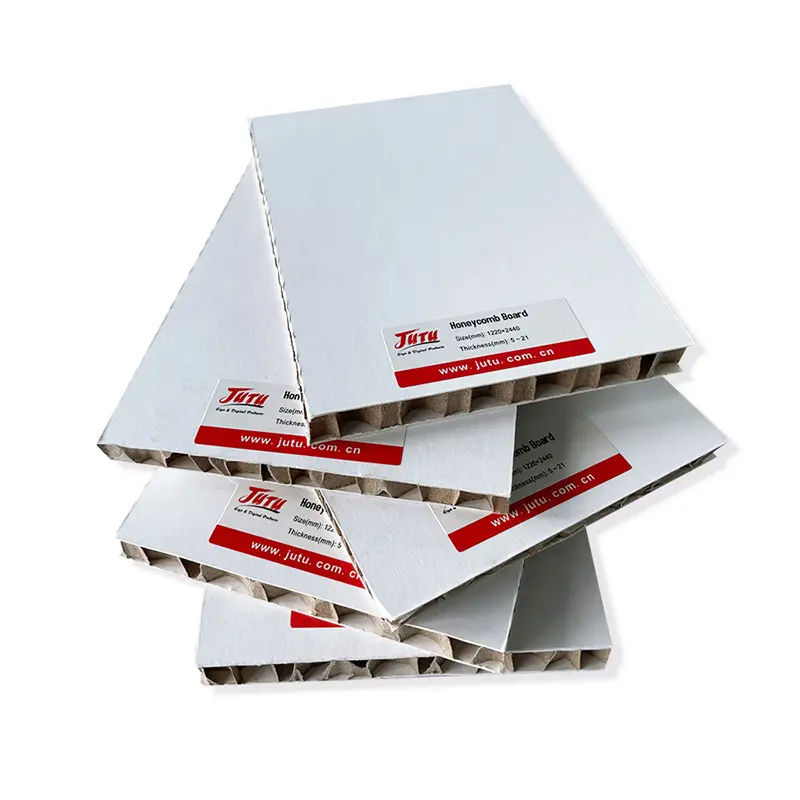
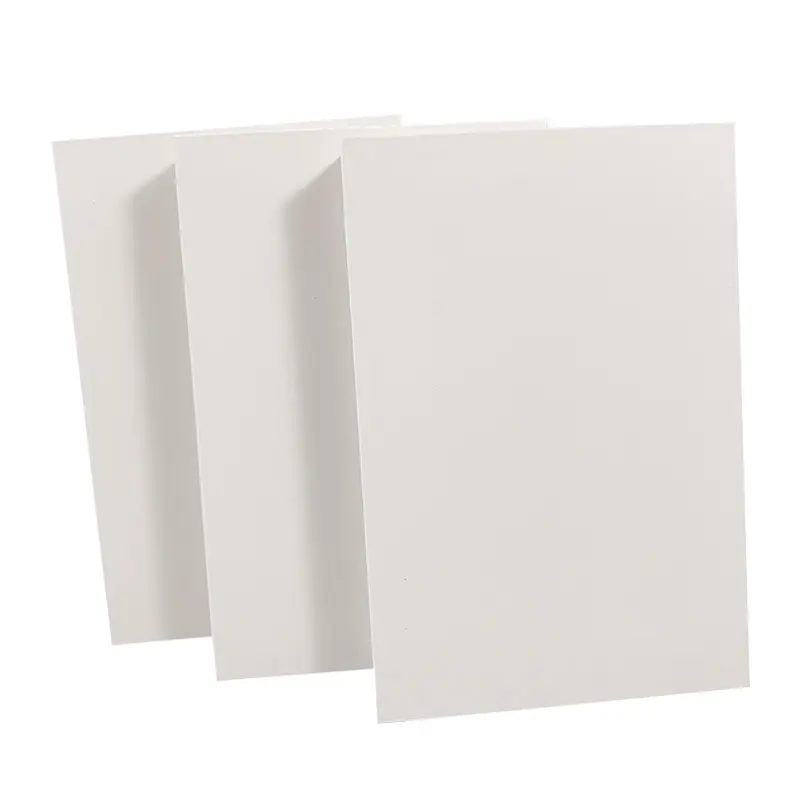
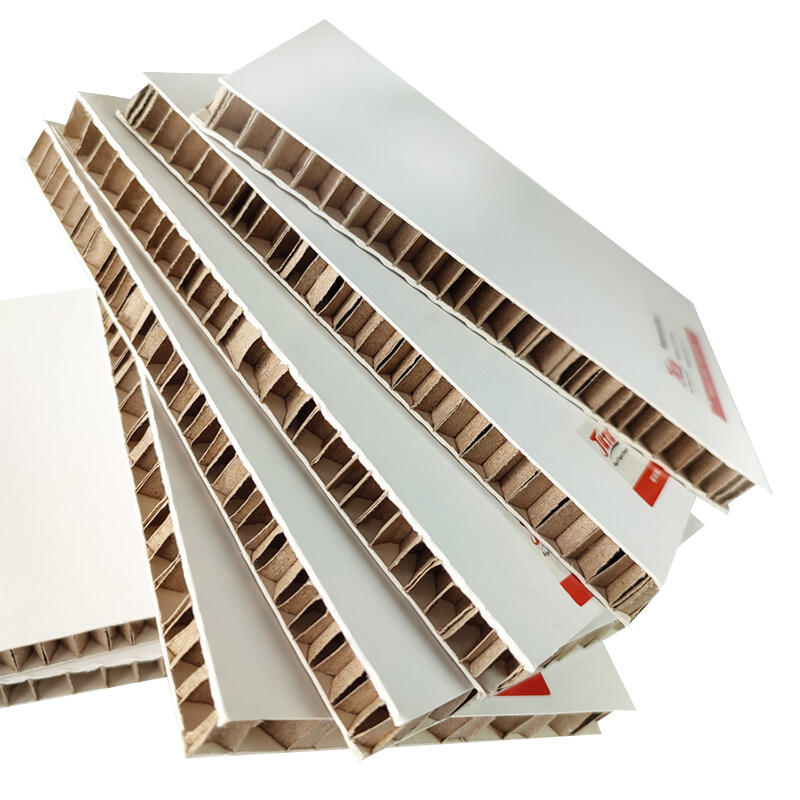
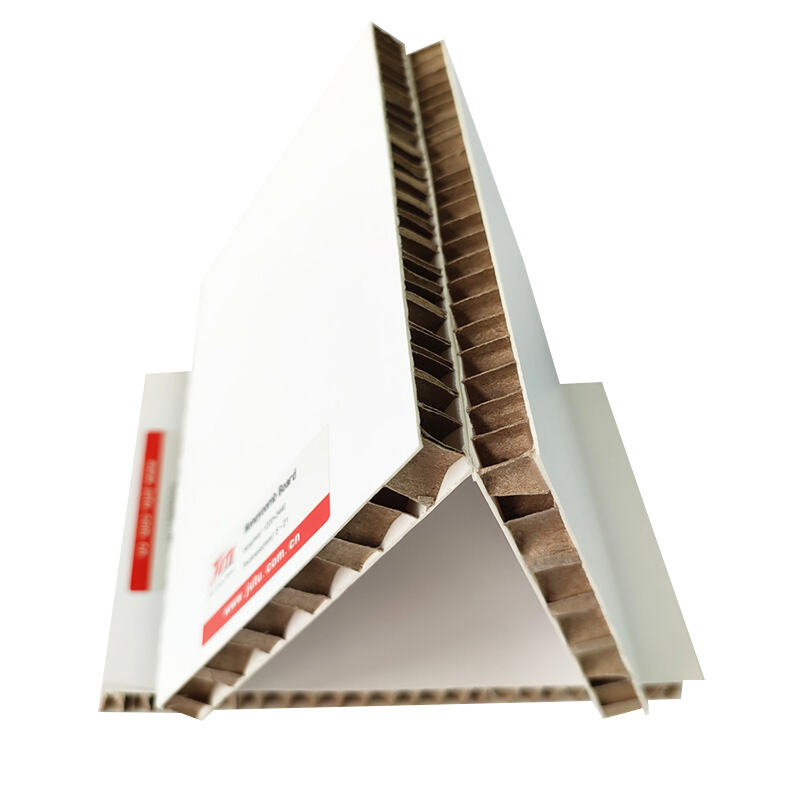
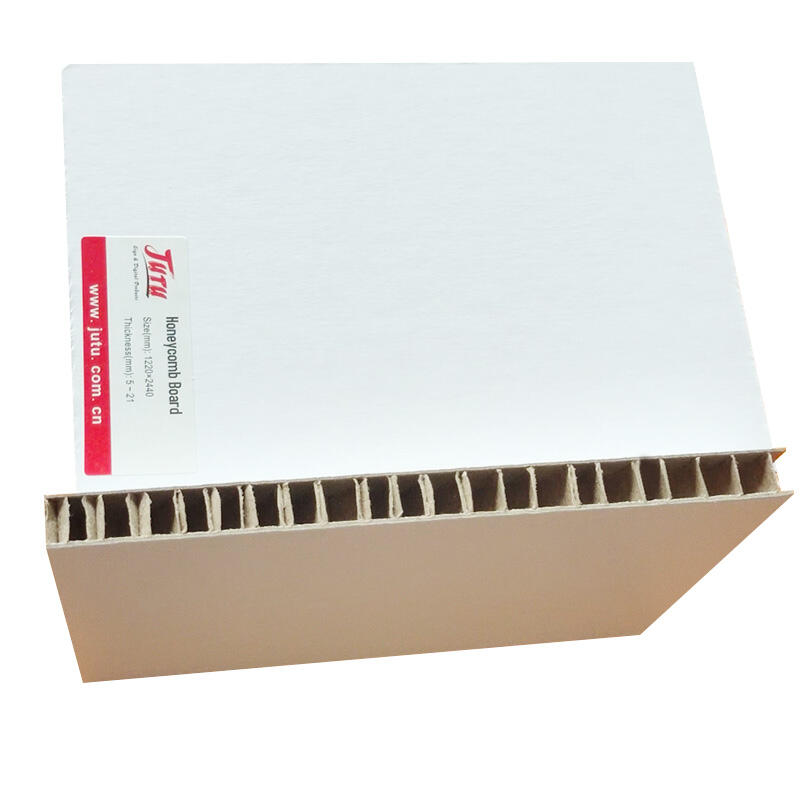
PP honeycomb board represents a revolutionary advancement in lightweight construction materials, combining exceptional strength with remarkable versatility. This innovative product features a unique cellular structure that mimics natural honeycomb patterns, creating an optimal balance between weight reduction and structural integrity. The pp honeycomb board consists of polypropylene sheets bonded to a honeycomb core, resulting in a composite material that delivers outstanding performance across multiple applications. The manufacturing process involves precision engineering techniques that ensure consistent cell geometry and superior adhesion between layers, making it an ideal choice for demanding industrial applications. The technological features of pp honeycomb board include excellent chemical resistance, outstanding impact absorption, and superior dimensional stability under varying environmental conditions. Its closed-cell structure provides inherent moisture resistance while maintaining breathability where required. The material exhibits exceptional thermal insulation properties, making it suitable for temperature-sensitive applications. Manufacturing capabilities allow for customization of thickness, density, and surface treatments to meet specific project requirements. The pp honeycomb board demonstrates remarkable versatility in applications ranging from automotive components to architectural panels, packaging solutions, and marine installations. Its lightweight nature significantly reduces transportation costs and installation complexity while maintaining structural performance standards. The material excels in applications requiring vibration dampening, sound absorption, and thermal management. Industrial sectors increasingly adopt pp honeycomb board for protective packaging, temporary structures, exhibition displays, and specialized manufacturing fixtures. The environmental benefits include recyclability and reduced material consumption compared to solid alternatives, supporting sustainable manufacturing practices and green building initiatives throughout various industries.

New Products

The pp honeycomb board offers numerous practical benefits that directly impact operational efficiency and cost-effectiveness for businesses across multiple industries. Weight reduction stands as one of the most significant advantages, with pp honeycomb board weighing up to 75 percent less than traditional solid materials while maintaining comparable strength characteristics. This dramatic weight reduction translates into substantial savings in transportation costs, easier handling during installation, and reduced structural load requirements for supporting frameworks. Manufacturing processes benefit from simplified tooling and reduced energy consumption during fabrication and assembly operations. The exceptional strength-to-weight ratio of pp honeycomb board enables engineers to design lighter structures without compromising safety margins or performance standards. Cost savings extend beyond initial material costs to include reduced labor expenses due to easier handling and faster installation procedures. The material cuts cleanly with standard tools, reducing waste and improving production efficiency. Maintenance requirements remain minimal throughout the product lifecycle, as pp honeycomb board resists moisture absorption, chemical degradation, and UV damage when properly treated. The cellular structure provides excellent insulation properties, reducing energy costs for temperature-controlled environments and improving occupant comfort in architectural applications. Customization capabilities allow manufacturers to specify exact dimensions, surface treatments, and performance characteristics, eliminating the need for secondary processing operations. The pp honeycomb board adapts to complex shapes through thermoforming processes, enabling innovative design solutions that were previously impossible with traditional materials. Environmental advantages include complete recyclability at end-of-life, reduced raw material consumption during manufacturing, and lower carbon footprint throughout the supply chain. Quality consistency ensures predictable performance across production runs, reducing rejection rates and improving overall manufacturing efficiency. The material demonstrates excellent fatigue resistance under cyclic loading conditions, extending service life in demanding applications. Chemical compatibility with various adhesives, paints, and surface treatments provides design flexibility for specialized applications requiring specific aesthetic or functional requirements.

Tips And Tricks

Why Honeycomb Board Furniture is Taking the Market by Storm

07

Nov

Why Honeycomb Board Furniture is Taking the Market by Storm

Introduction to Honeycomb Board Furniture Honeycomb board furniture has rapidly gained popularity across the global furniture industry due to its combination of lightweight design, high strength, and sustainability. Made from paper, aluminum, or comp...
View More
Why Choose PVC Celuka Foam for Your Next Project

07

Nov

Why Choose PVC Celuka Foam for Your Next Project

Introduction to PVC Celuka Foam PVC Celuka foam is a high-performance material known for its durability, smooth finish, and versatile applications across multiple industries. Produced through the Celuka extrusion process, this material features a den...
View More
Durability and Aesthetics: The Advantages of Aluminum Composite Plates

07

Nov

Durability and Aesthetics: The Advantages of Aluminum Composite Plates

Aluminum composite plates deliver an exceptional balance of durability and aesthetics. Their advanced material composition ensures strength and resilience, while their design flexibility allows for creative applications. Industries such as architectu...
View More
How PVC Wall Panels Are Reshaping Modern Interior Design

23

Dec

How PVC Wall Panels Are Reshaping Modern Interior Design

The interior design landscape is experiencing a revolutionary transformation, with innovative materials taking center stage in modern construction and renovation projects. Among these game-changing solutions, PVC wall panels have emerged as a versati...
View More

Get a Free Quote

Our representative will contact you soon.
Email
Name
Company Name
Message
0/1000

pp honeycomb board

Superior Lightweight Construction Technology

Superior Lightweight Construction Technology

The pp honeycomb board revolutionizes modern construction through its advanced lightweight technology that fundamentally changes how engineers approach structural design challenges. This innovative construction methodology utilizes a sophisticated honeycomb core geometry that maximizes strength while minimizing material usage, achieving weight reductions of up to 80 percent compared to conventional solid materials. The cellular architecture distributes loads efficiently across the entire structure, preventing stress concentration points that typically lead to premature failure in traditional materials. Manufacturing precision ensures consistent cell dimensions and wall thickness throughout each panel, guaranteeing uniform performance characteristics and predictable structural behavior under various loading conditions. The lightweight nature of pp honeycomb board dramatically reduces installation complexity, allowing single-person handling of large panels that would otherwise require multiple workers or mechanical lifting equipment. This accessibility translates directly into reduced labor costs and faster project completion times, particularly valuable in time-sensitive construction projects. Transportation efficiency improves significantly, with increased payload capacity per shipment reducing logistics costs and environmental impact. The structural performance remains exceptional despite the weight reduction, with rigidity characteristics that match or exceed heavier alternatives in many applications. Quality control measures during manufacturing ensure that each pp honeycomb board meets stringent specifications for cell geometry, adhesive bonding, and surface finish. Testing protocols verify crush strength, flexural properties, and environmental resistance to ensure reliable performance across diverse operating conditions. The technology enables architects and engineers to explore previously impossible design concepts, creating structures that combine aesthetic appeal with functional excellence. Integration with existing construction methods requires minimal adaptation, as standard cutting tools and fastening systems work effectively with pp honeycomb board. The material responds well to thermoforming processes, allowing creation of complex curved surfaces and three-dimensional shapes that enhance design possibilities while maintaining structural integrity throughout the forming process.
Exceptional Durability and Environmental Resistance

Exceptional Durability and Environmental Resistance

PP honeycomb board exhibits remarkable durability characteristics that ensure long-term performance in challenging environmental conditions, making it an ideal choice for applications requiring reliable service life and minimal maintenance requirements. The polypropylene composition provides inherent resistance to moisture absorption, preventing dimensional changes, delamination, and structural degradation commonly associated with traditional materials in humid environments. Chemical resistance properties protect against exposure to acids, bases, solvents, and other aggressive substances, maintaining structural integrity and appearance even in industrial environments where chemical exposure is routine. UV stabilization treatments available for pp honeycomb board prevent degradation from prolonged sunlight exposure, ensuring color stability and mechanical properties remain consistent throughout outdoor service life. Temperature cycling resistance allows the material to withstand repeated expansion and contraction without developing stress cracks or bond failures, critical for applications experiencing seasonal temperature variations. The closed-cell structure prevents water infiltration while allowing vapor transmission where required, eliminating concerns about freeze-thaw damage in cold climates. Biological resistance prevents fungal growth, insect damage, and bacterial degradation, important factors in food processing, medical, and marine applications. Impact resistance characteristics absorb energy efficiently during collision events, protecting both the pp honeycomb board structure and adjacent components from damage. Fatigue resistance under cyclic loading conditions ensures reliable performance in applications involving vibration, repeated loading, or dynamic forces throughout extended service periods. Quality assurance testing includes accelerated aging protocols that simulate years of environmental exposure in controlled laboratory conditions, validating long-term performance predictions. Surface treatments enhance specific resistance properties where required, including flame retardancy, enhanced UV protection, or specialized chemical resistance for unique applications. The dimensional stability of pp honeycomb board under varying humidity and temperature conditions eliminates the warping, shrinking, and expansion issues common with wood-based and metal alternatives. Maintenance requirements remain minimal throughout the service life, with simple cleaning procedures sufficient to maintain appearance and performance characteristics, reducing lifecycle costs significantly compared to materials requiring regular refinishing or protective treatments.

Versatile Application Flexibility and Design Freedom

Versatile Application Flexibility and Design Freedom

The pp honeycomb board offers unprecedented versatility that enables innovative solutions across diverse industries and applications, providing designers and engineers with exceptional creative freedom while maintaining practical performance requirements. Manufacturing flexibility allows customization of thickness, density, surface textures, and core configurations to meet specific application needs, eliminating compromises typically required when using standard materials. Fabrication processes accommodate complex shapes through cutting, routing, thermoforming, and molding operations, enabling creation of intricate components that would be difficult or impossible to produce with traditional materials. The material bonds effectively with various adhesives, mechanical fasteners, and welding techniques, providing multiple assembly options to suit different manufacturing processes and performance requirements. Surface preparation requirements remain minimal, with excellent paint adhesion and laminating characteristics that support diverse finishing options including decorative films, protective coatings, and functional treatments. Design engineers appreciate the predictable performance characteristics that enable accurate structural calculations and reliable safety factor determinations across different loading scenarios. The pp honeycomb board adapts to both temporary and permanent applications, from short-term exhibition displays to long-term architectural installations, providing cost-effective solutions regardless of intended service duration. Prototyping capabilities allow rapid design iteration and testing, as the material cuts and shapes easily with standard workshop tools, accelerating development cycles and reducing prototype costs. Integration with existing manufacturing processes requires minimal equipment modification, as standard woodworking, metalworking, and composites fabrication techniques work effectively with pp honeycomb board. Quality control procedures ensure consistent performance across different customization options, maintaining reliability even when specifications vary significantly from standard configurations. The material supports both aesthetic and functional requirements simultaneously, enabling designs that optimize appearance while achieving demanding performance objectives. Recycling compatibility ensures end-of-life environmental responsibility, with material recovery processes that support circular economy principles and sustainability objectives. Scale flexibility accommodates projects ranging from small components to large architectural panels, with manufacturing capabilities that support both prototype quantities and high-volume production runs efficiently.