Honeycomb Board Bunnings: Lightweight, Strong & Versatile Building Solutions | Expert Guide

Get a Free Quote

Our representative will contact you soon.
Email
Name
Company Name
Message
0/1000

honeycomb board bunnings

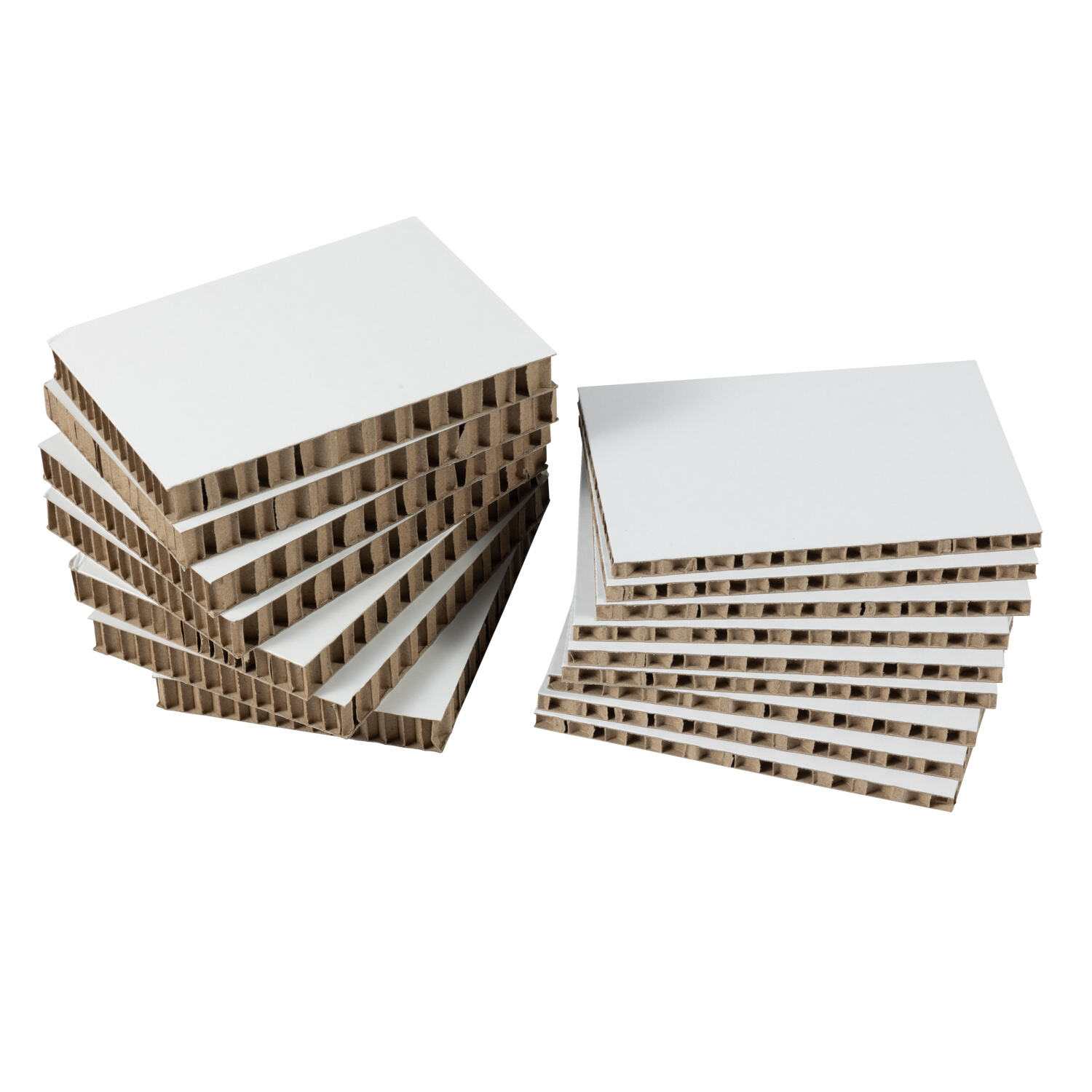
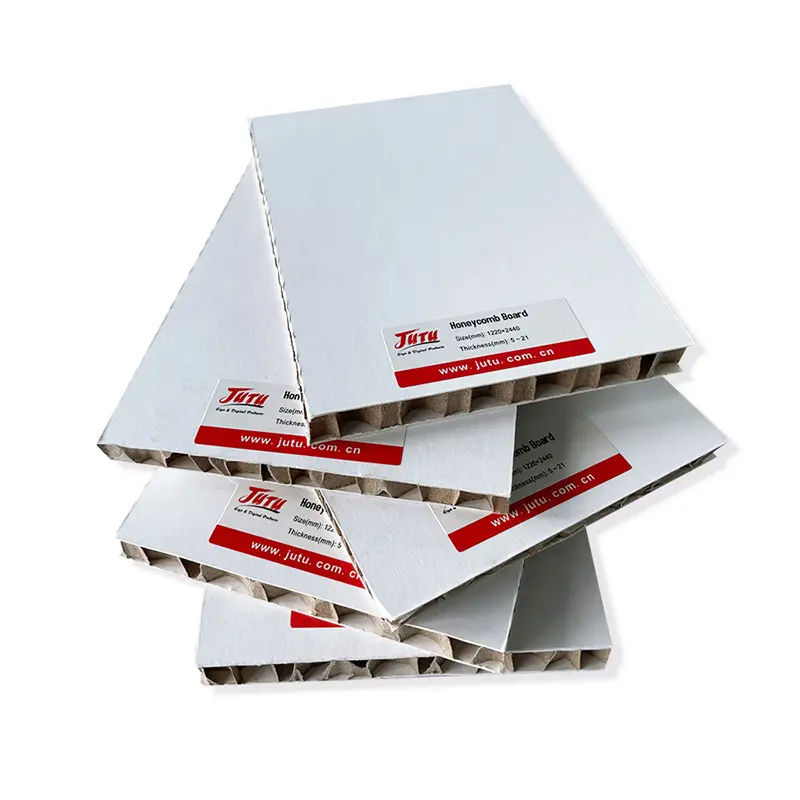
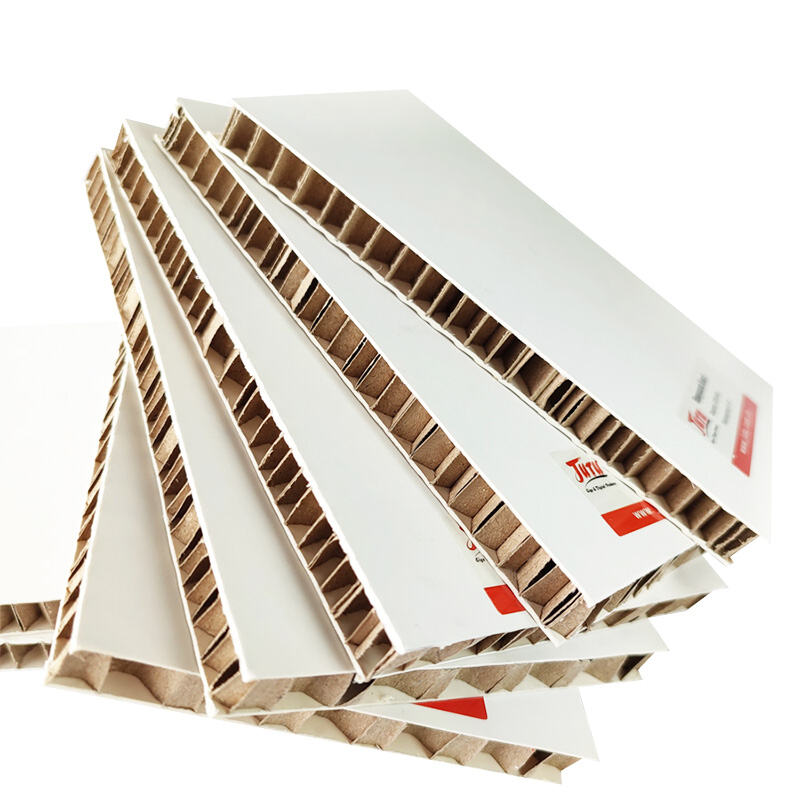
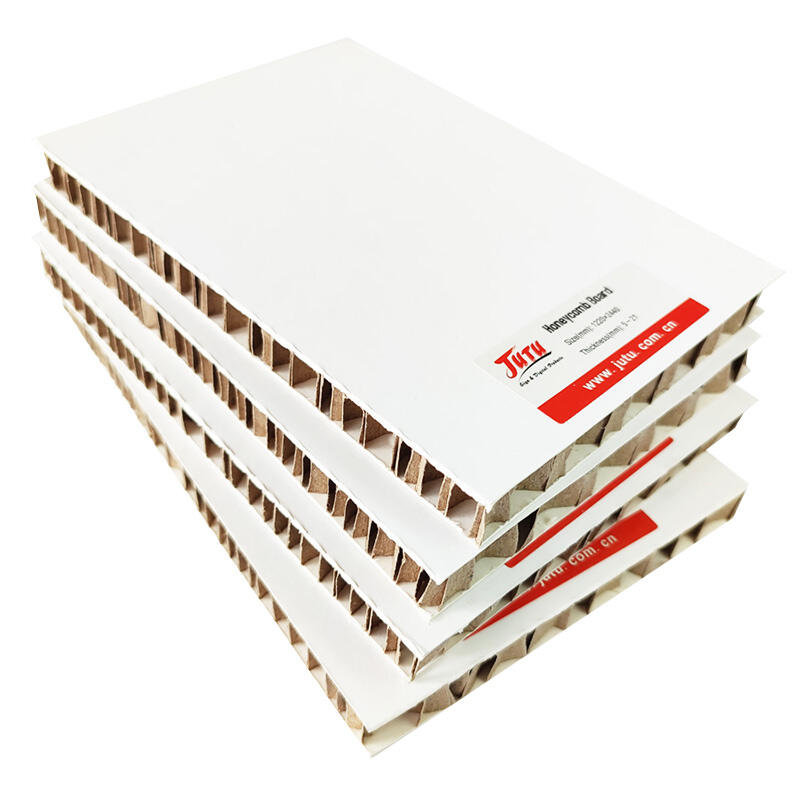
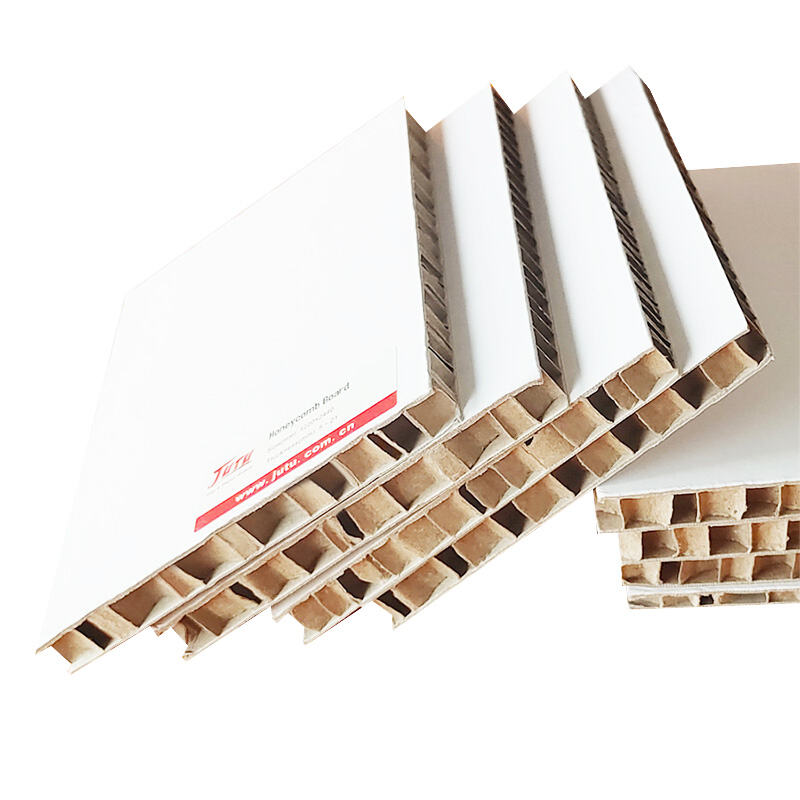
Honeycomb board Bunnings represents a revolutionary building material that combines innovative engineering with practical construction solutions. This advanced composite panel system features a distinctive hexagonal cellular core structure sandwiched between two flat surface layers, creating an exceptionally lightweight yet remarkably strong building component. The honeycomb board Bunnings product line offers superior structural integrity while maintaining minimal weight characteristics, making it an ideal choice for diverse construction and renovation projects. The technological foundation of honeycomb board Bunnings lies in its sophisticated manufacturing process, which utilizes high-grade materials including aluminum, kraft paper, or thermoplastic cores depending on specific application requirements. The outer facings typically consist of aluminum sheets, fiber cement, or other durable materials that provide weather resistance and aesthetic appeal. This multi-layer construction methodology ensures optimal load distribution across the entire panel surface, delivering exceptional strength-to-weight ratios that surpass traditional solid materials. The honeycomb board Bunnings range encompasses various thickness options, surface finishes, and core configurations to accommodate different project specifications and environmental conditions. Applications for honeycomb board Bunnings span across residential, commercial, and industrial sectors, including exterior wall cladding, interior partitioning, ceiling installations, signage applications, and specialized architectural features. The versatility of honeycomb board Bunnings makes it particularly suitable for modern construction techniques where weight reduction, thermal efficiency, and design flexibility are paramount considerations. Installation procedures for honeycomb board Bunnings have been streamlined to ensure compatibility with standard construction tools and techniques, enabling contractors and DIY enthusiasts to achieve professional results efficiently. The material's dimensional stability and resistance to warping, coupled with excellent machinability, allows for precise cutting, drilling, and fastening operations without compromising structural integrity or aesthetic quality.

New Products

The honeycomb board Bunnings system delivers numerous compelling advantages that position it as a superior alternative to conventional building materials across multiple applications. Weight reduction stands as one of the most significant benefits, with honeycomb board Bunnings typically weighing 60-80% less than solid equivalents while maintaining comparable or superior strength characteristics. This dramatic weight reduction translates into reduced transportation costs, simplified handling procedures, and decreased structural load requirements for supporting frameworks. Installation efficiency represents another major advantage of honeycomb board Bunnings, as the lightweight nature and standardized dimensions enable faster assembly times and reduced labor costs. Professional contractors and homeowners alike appreciate how honeycomb board Bunnings can be cut, shaped, and installed using standard woodworking tools, eliminating the need for specialized equipment or extensive training programs. The thermal performance characteristics of honeycomb board Bunnings contribute significantly to energy efficiency improvements in building applications. The cellular core structure creates natural insulation properties that help regulate interior temperatures, potentially reducing heating and cooling costs over the material's operational lifespan. Cost-effectiveness emerges as a crucial advantage when considering the total project economics of honeycomb board Bunnings implementations. While initial material costs may be comparable to premium alternatives, the combination of reduced installation time, lower transportation expenses, and minimal maintenance requirements delivers substantial long-term value propositions. The dimensional stability of honeycomb board Bunnings ensures consistent performance across varying environmental conditions, reducing the likelihood of warping, splitting, or other common material failures that can necessitate costly repairs or replacements. Durability characteristics of honeycomb board Bunnings include excellent resistance to moisture, temperature fluctuations, and mechanical stress, making it suitable for both interior and exterior applications without requiring extensive protective treatments. The surface quality of honeycomb board Bunnings accepts various finishing options including paints, laminates, and decorative coverings, providing designers with extensive creative flexibility while maintaining structural performance. Environmental sustainability represents an increasingly important advantage, as honeycomb board Bunnings production typically requires fewer raw materials and energy inputs compared to solid alternatives, while many variants incorporate recycled content and remain fully recyclable at end-of-life.

Practical Tips

Aluminum Composite Plates: Versatility at Its Best

07

Nov

Aluminum Composite Plates: Versatility at Its Best

Exploring the Flexibility of Aluminum Composite Plates Aluminum Composite Plates have become a cornerstone material in modern architecture, advertising, and industrial design. Known for their strength, lightweight structure, and aesthetic flexibility...
View More
Why Honeycomb Board Furniture is Taking the Market by Storm

07

Nov

Why Honeycomb Board Furniture is Taking the Market by Storm

Introduction to Honeycomb Board Furniture Honeycomb board furniture has rapidly gained popularity across the global furniture industry due to its combination of lightweight design, high strength, and sustainability. Made from paper, aluminum, or comp...
View More
Acrylic Board Manufacturers: Shaping the Future of Plastics

07

Nov

Acrylic Board Manufacturers: Shaping the Future of Plastics

Acrylic boards have become indispensable in industries like construction, automotive, and healthcare. Their durability, transparency, and versatility make them a preferred material for diverse applications. Acrylic board manufacturers continue to inn...
View More
Structural Properties of Paper Foam Board in Lightweight Designs

06

Jan

Structural Properties of Paper Foam Board in Lightweight Designs

Modern manufacturing industries continuously seek materials that offer exceptional strength-to-weight ratios while maintaining cost-effectiveness and environmental sustainability. Paper foam board has emerged as a revolutionary solution in lightweigh...
View More

Get a Free Quote

Our representative will contact you soon.
Email
Name
Company Name
Message
0/1000

honeycomb board bunnings

Superior Strength-to-Weight Performance Engineering

Superior Strength-to-Weight Performance Engineering

The honeycomb board Bunnings system achieves exceptional structural performance through its innovative hexagonal core geometry, which maximizes strength while minimizing material usage and overall weight. This advanced engineering approach utilizes the natural efficiency of hexagonal cellular structures, similar to those found in nature, to distribute loads evenly across the panel surface and resist both compression and flexural forces effectively. The honeycomb board Bunnings construction methodology involves precision manufacturing processes that ensure consistent cell wall thickness, optimal bonding between core and facing materials, and uniform structural properties throughout each panel. Testing data consistently demonstrates that honeycomb board Bunnings can support significant loads while weighing substantially less than solid alternatives, making it particularly valuable for applications where weight restrictions are critical considerations. The strength characteristics of honeycomb board Bunnings include excellent resistance to impact damage, superior dimensional stability under varying load conditions, and outstanding fatigue resistance that maintains performance over extended operational periods. Professional engineers and architects frequently specify honeycomb board Bunnings for projects requiring high strength-to-weight ratios, such as curtain wall systems, elevated platforms, and transportation applications where every kilogram of weight reduction translates into improved efficiency and reduced operational costs. The manufacturing quality control processes for honeycomb board Bunnings ensure consistent mechanical properties across production runs, enabling designers to specify precise load-bearing capacities with confidence. Installation advantages multiply when considering the reduced structural support requirements for honeycomb board Bunnings applications, as the lightweight characteristics often allow for simpler framework designs and reduced foundation requirements. The honeycomb board Bunnings performance envelope encompasses a wide range of environmental conditions, maintaining structural integrity across temperature variations, humidity fluctuations, and exposure to various chemical environments depending on facing material specifications.
Exceptional Thermal Insulation and Energy Efficiency Properties

Exceptional Thermal Insulation and Energy Efficiency Properties

The cellular core structure of honeycomb board Bunnings creates natural thermal insulation characteristics that significantly enhance building energy efficiency and occupant comfort levels across diverse climate conditions. The trapped air within each hexagonal cell acts as an effective thermal barrier, reducing heat transfer through conduction while the lightweight facing materials minimize thermal bridging effects commonly associated with solid panel systems. Honeycomb board Bunnings thermal performance typically exceeds that of conventional materials of similar thickness, enabling designers to achieve superior insulation values without increasing overall wall thickness or compromising interior space efficiency. The thermal conductivity values of honeycomb board Bunnings remain consistently low across various core materials and facing options, providing predictable performance characteristics for energy modeling and building certification processes. Professional energy auditors frequently recommend honeycomb board Bunnings for retrofit applications where existing buildings require thermal performance improvements without extensive structural modifications or weight additions to existing support systems. The installation of honeycomb board Bunnings can contribute to reduced heating and cooling loads, potentially lowering utility costs and improving overall building sustainability ratings according to established green building standards. Temperature stability represents another crucial aspect of honeycomb board Bunnings thermal performance, as the cellular structure minimizes expansion and contraction effects that can compromise building envelope integrity over time. The honeycomb board Bunnings system maintains consistent thermal properties regardless of installation orientation, enabling flexible design approaches for walls, roofs, and other building envelope components. Moisture management capabilities complement the thermal performance of honeycomb board Bunnings, as appropriate facing materials can provide vapor barriers while the core structure allows for controlled moisture migration when required by specific climate conditions. The long-term thermal performance of honeycomb board Bunnings remains stable over decades of service life, ensuring that initial energy efficiency investments continue delivering benefits throughout the building's operational period.
Versatile Design Flexibility and Installation Convenience

Versatile Design Flexibility and Installation Convenience

The honeycomb board Bunnings system offers unparalleled design flexibility and installation convenience that accommodates diverse architectural requirements while simplifying construction processes for both professional contractors and DIY enthusiasts. The lightweight characteristics of honeycomb board Bunnings enable single-person handling of standard-sized panels, reducing labor requirements and improving job site safety conditions compared to heavier conventional materials. Cutting and shaping operations for honeycomb board Bunnings can be accomplished using standard woodworking tools including circular saws, jigsaws, and routers, eliminating the need for specialized equipment investments or extensive operator training programs. The honeycomb board Bunnings surface accepts various fastening methods including screws, nails, adhesives, and mechanical clips, providing installation flexibility to accommodate different substrate conditions and design requirements. Fabrication capabilities for honeycomb board Bunnings extend to complex geometries, curved surfaces, and custom configurations that enable architects to realize innovative design concepts without compromising structural performance or installation efficiency. The dimensional precision of honeycomb board Bunnings ensures consistent gap spacing and alignment during installation, contributing to professional-quality finished appearances with minimal field adjustments or corrective measures. Surface preparation requirements for honeycomb board Bunnings are typically minimal, as the factory-finished facing materials often eliminate the need for additional priming or base coating applications before applying final decorative treatments. The honeycomb board Bunnings system compatibility with standard building envelope details simplifies integration with existing construction methodologies while providing opportunities for improved performance in critical areas such as thermal bridging reduction and air sealing enhancement. Quality control during honeycomb board Bunnings installation is straightforward due to visible surface characteristics and predictable material behavior, enabling installers to identify and correct potential issues before they impact overall system performance. The maintenance requirements for honeycomb board Bunnings installations are minimal compared to many traditional materials, as the stable core structure and durable facing materials resist common degradation mechanisms including moisture damage, thermal cycling effects, and mechanical wear from normal building operations.