Marine PVC Foam Board: Lightweight, Durable Solutions for Boat Building and Marine Construction

Get a Free Quote

Our representative will contact you soon.
Email
Name
Company Name
Message
0/1000

marine pvc foam board

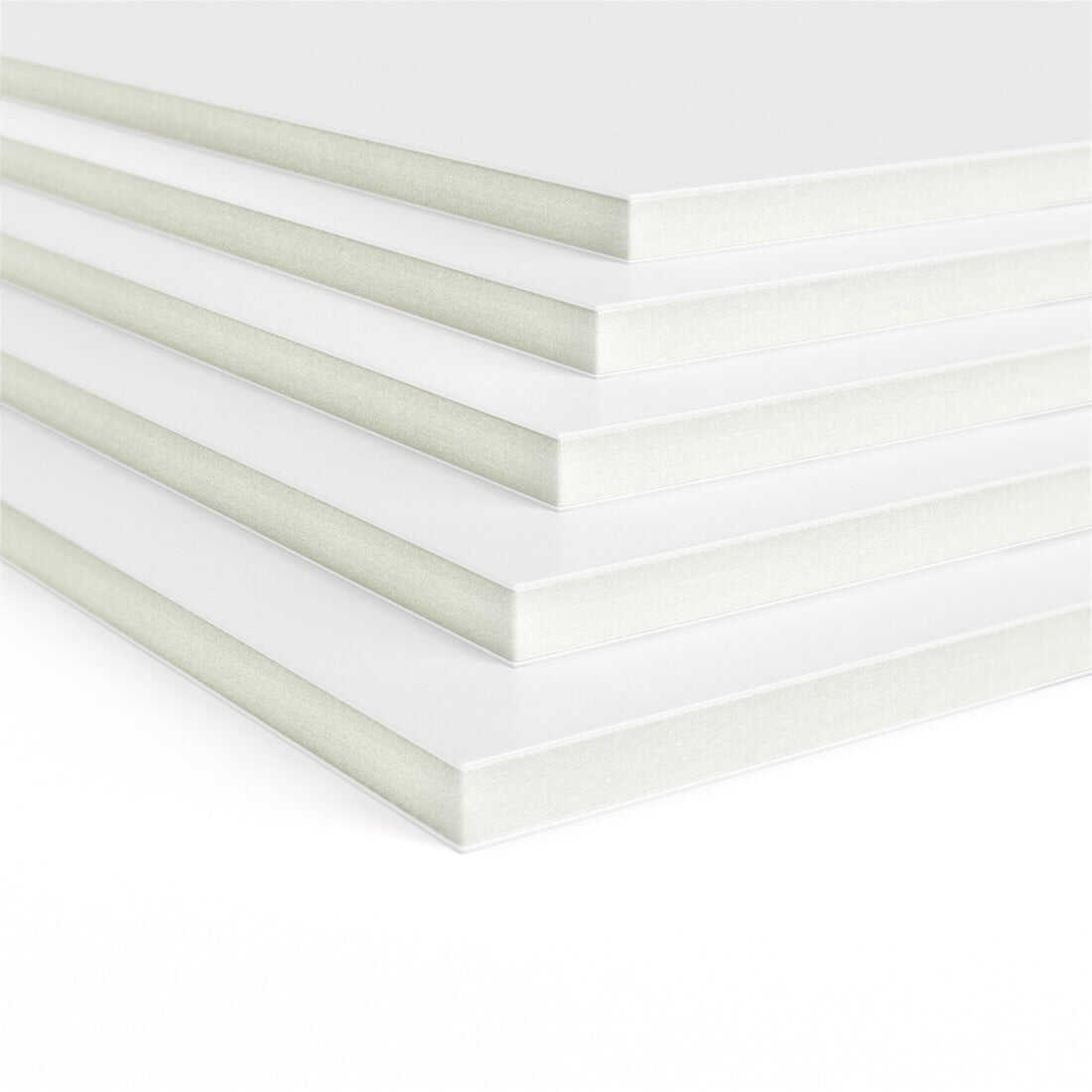
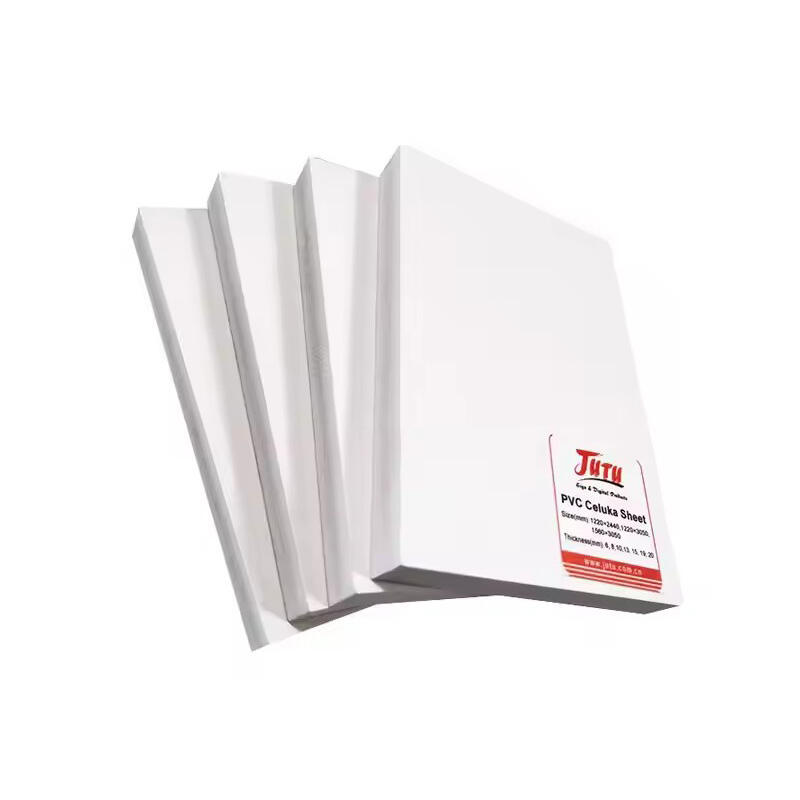
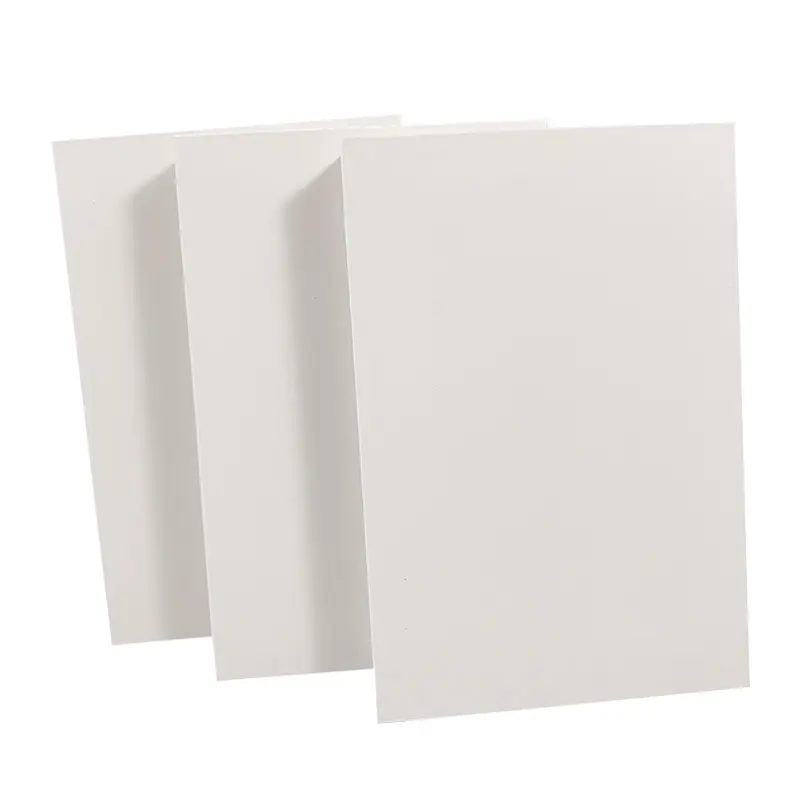
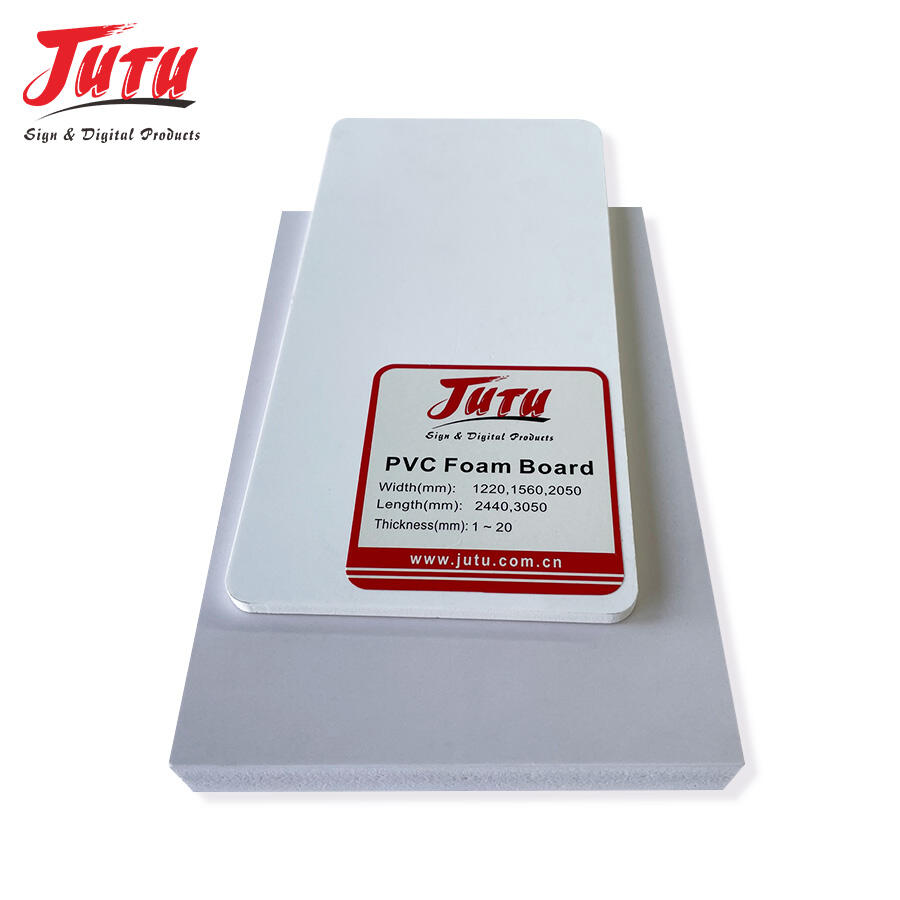
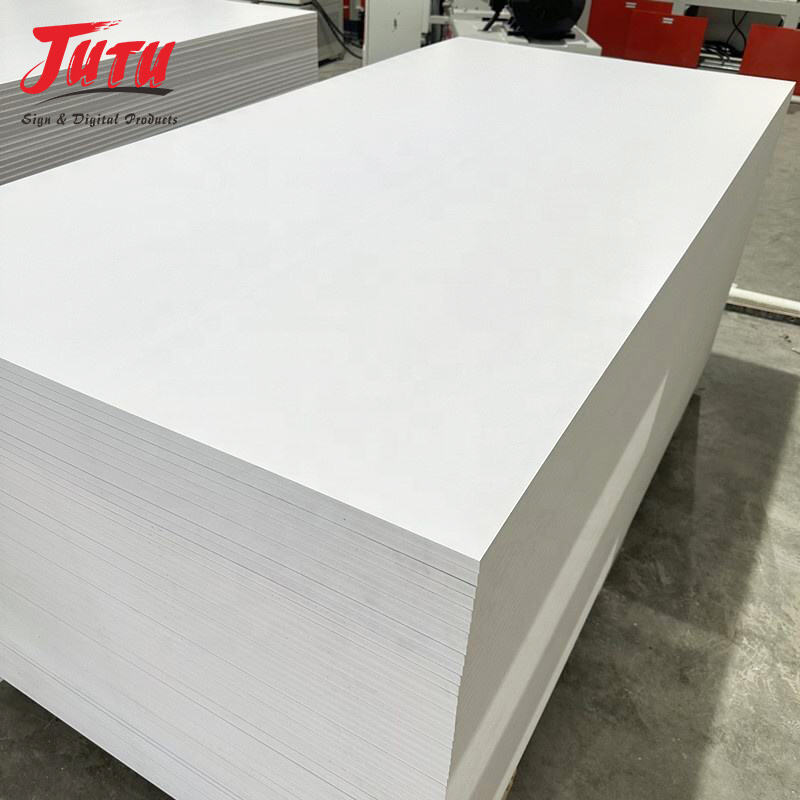
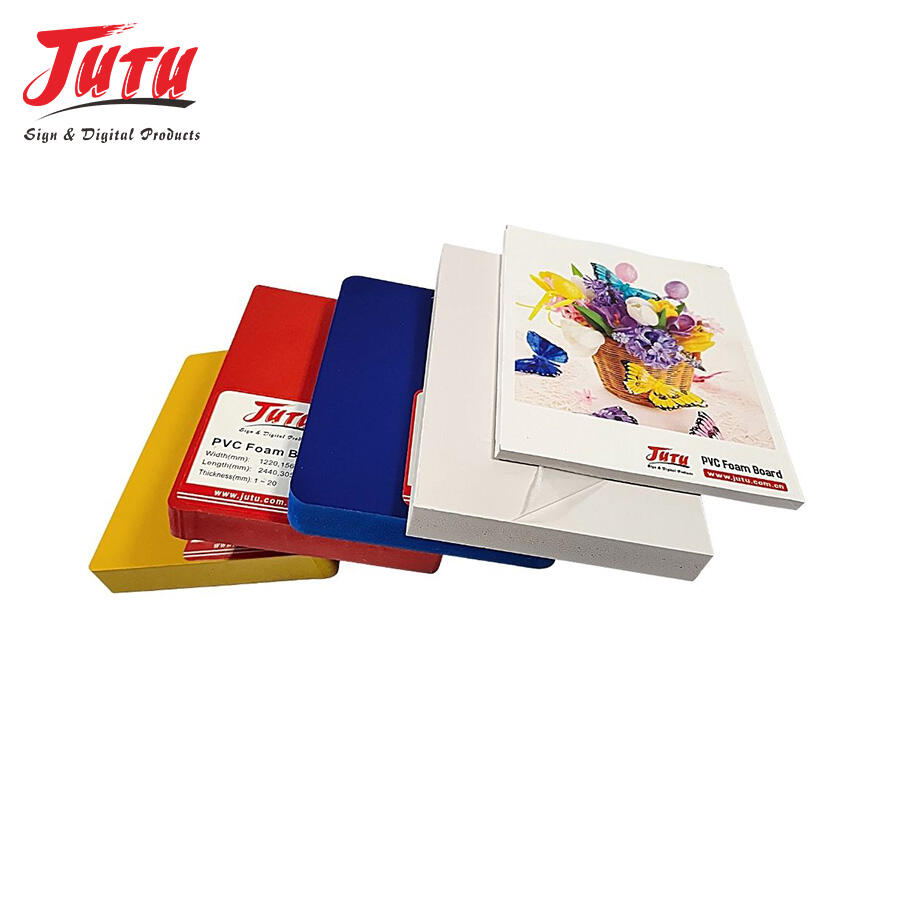
Marine PVC foam board represents a revolutionary advancement in marine construction materials, offering exceptional performance characteristics that make it the preferred choice for boat builders, marine engineers, and watercraft enthusiasts worldwide. This closed-cell foam core material features a rigid PVC structure that delivers outstanding strength-to-weight ratios while maintaining excellent buoyancy properties essential for marine applications. The marine PVC foam board is manufactured through an advanced extrusion process that creates a uniform cellular structure, resulting in consistent density and mechanical properties throughout the entire panel. The technological features of marine PVC foam board include superior water resistance, dimensional stability, and chemical inertness that prevents degradation in harsh marine environments. Its closed-cell structure prevents water absorption, ensuring that the material maintains its structural integrity and insulation properties even when exposed to prolonged moisture conditions. The board exhibits excellent machinability, allowing for precise cutting, shaping, and routing operations using standard woodworking tools. Marine PVC foam board applications span across various sectors including yacht construction, commercial shipbuilding, recreational boat manufacturing, and marine infrastructure development. In yacht construction, this versatile material serves as core material for sandwich composite construction, providing structural support while reducing overall vessel weight. Commercial shipbuilders utilize marine PVC foam board for deck applications, interior paneling, and insulation systems due to its fire-retardant properties and compliance with international marine safety standards. The material's versatility extends to recreational boat manufacturing where it functions as flotation foam, structural reinforcement, and decorative elements. Marine infrastructure projects benefit from the board's durability and weather resistance, making it suitable for dock construction, marina facilities, and coastal protection systems.

New Product Releases

The advantages of marine PVC foam board make it an exceptional investment for anyone involved in marine construction or boat building projects. This remarkable material offers significant weight savings compared to traditional materials like wood or solid fiberglass, reducing fuel consumption and improving vessel performance while maintaining structural strength. The marine PVC foam board resists rot, decay, and insect damage, eliminating costly maintenance requirements that plague wooden alternatives. Its exceptional moisture resistance prevents water absorption that can lead to delamination or structural failure in marine environments. The material provides excellent thermal insulation properties, helping maintain comfortable interior temperatures while reducing energy costs for heating and cooling systems aboard vessels. Marine PVC foam board demonstrates outstanding chemical resistance against saltwater, fuel, oils, and cleaning solvents commonly encountered in marine settings. This chemical stability ensures long-term durability and prevents material degradation that could compromise safety or performance. The board offers superior impact resistance, absorbing shock loads without cracking or splitting, which proves invaluable during docking operations or rough sea conditions. Installation becomes significantly easier due to the material's lightweight nature and excellent workability, reducing labor costs and construction time. The marine PVC foam board maintains dimensional stability across wide temperature ranges, preventing warping or distortion that could affect fit and finish. Its smooth surface texture accepts various finishes including paints, gelcoats, and adhesives, providing designers with unlimited aesthetic possibilities. The material exhibits excellent vibration dampening characteristics, reducing noise transmission and improving passenger comfort. Fire resistance properties meet stringent marine safety regulations, providing peace of mind for vessel operators and passengers. The closed-cell structure of marine PVC foam board prevents mold and mildew growth, maintaining healthy indoor air quality in vessel cabins and compartments. Cost-effectiveness emerges through reduced maintenance requirements, extended service life, and lower replacement costs compared to traditional materials. Environmental benefits include recyclability and reduced environmental impact during manufacturing compared to resource-intensive alternatives.

Practical Tips

Why Choose PVC Celuka Foam for Your Next Project

07

Nov

Why Choose PVC Celuka Foam for Your Next Project

Introduction to PVC Celuka Foam PVC Celuka foam is a high-performance material known for its durability, smooth finish, and versatile applications across multiple industries. Produced through the Celuka extrusion process, this material features a den...
View More
Innovative Architectural Uses of Acrylic Sheets in Modern Buildings

23

Dec

Innovative Architectural Uses of Acrylic Sheets in Modern Buildings

Modern architecture continues to evolve with innovative materials that offer both aesthetic appeal and functional benefits. Among these cutting-edge materials, acrylic sheets have emerged as a versatile solution that transforms conventional design ap...
View More
PVC Celuka Board Advantages in Moisture-Controlled Environments

23

Dec

PVC Celuka Board Advantages in Moisture-Controlled Environments

In moisture-controlled environments where humidity and water exposure present constant challenges, selecting the right building materials becomes critical for long-term performance and cost-effectiveness. PVC Celuka Board emerges as a superior soluti...
View More
How Aluminum Composite Panels Are Revolutionizing Skyscraper Facades

06

Jan

How Aluminum Composite Panels Are Revolutionizing Skyscraper Facades

Modern skyscraper construction has undergone a remarkable transformation, with aluminum composite panels emerging as the cornerstone of contemporary facade design. These innovative building materials combine the strength of aluminum with advanced com...
View More

Get a Free Quote

Our representative will contact you soon.
Email
Name
Company Name
Message
0/1000

marine pvc foam board

Exceptional Structural Integrity and Lightweight Performance

Exceptional Structural Integrity and Lightweight Performance

The marine PVC foam board delivers unparalleled structural performance through its innovative closed-cell foam construction that combines exceptional strength with remarkably low weight characteristics. This unique cellular structure creates a honeycomb-like matrix that distributes loads efficiently while maintaining minimal mass, making it ideal for weight-sensitive marine applications where every pound matters. The structural integrity of marine PVC foam board stems from its uniform density distribution and consistent cell size, which prevents weak spots or structural inconsistencies that could compromise performance under stress. Engineering tests demonstrate that this material can withstand significant compressive loads while maintaining its original shape and dimensions, making it perfect for applications requiring reliable load-bearing capacity. The lightweight nature of marine PVC foam board translates directly into improved vessel performance through reduced displacement, enhanced fuel efficiency, and increased payload capacity. Boat builders appreciate how this material enables them to construct larger, more spacious vessels without exceeding weight limitations or compromising seaworthiness. The strength-to-weight ratio of marine PVC foam board surpasses many traditional materials, allowing designers to create thinner, more elegant profiles while maintaining necessary structural requirements. This performance advantage becomes particularly valuable in racing applications where weight reduction directly correlates with speed and maneuverability. The material's ability to maintain structural integrity under cyclic loading conditions ensures long-term reliability in marine environments where vessels experience constant flexing and movement. Impact resistance properties protect against damage from floating debris, dock contact, or accidental collisions that could compromise vessel safety. The marine PVC foam board's structural characteristics remain stable across temperature variations, preventing thermal expansion issues that could cause joint failures or surface distortions.
Superior Water Resistance and Environmental Durability

Superior Water Resistance and Environmental Durability

Marine PVC foam board exhibits exceptional water resistance properties that set it apart from traditional marine construction materials, making it the ultimate solution for applications requiring long-term exposure to moisture and harsh marine conditions. The closed-cell structure of marine PVC foam board creates an impermeable barrier that prevents water infiltration at the molecular level, ensuring that the material maintains its structural properties and dimensional stability even during prolonged submersion. This superior water resistance eliminates concerns about rot, decay, or structural degradation that commonly affect organic materials in marine environments. The environmental durability of marine PVC foam board extends beyond simple water resistance to include outstanding performance against ultraviolet radiation, temperature extremes, and chemical exposure typical in marine settings. Laboratory testing confirms that this material maintains its mechanical properties after extended exposure to saltwater, which is particularly corrosive to many construction materials. The chemical inertness of marine PVC foam board prevents reaction with marine growth inhibitors, antifouling paints, and cleaning chemicals routinely used in vessel maintenance. This compatibility ensures that protective coatings adhere properly and perform as intended without being compromised by substrate reactions. Freeze-thaw cycling, common in northern climates, does not affect the integrity of marine PVC foam board due to its closed-cell structure that prevents water infiltration and subsequent ice formation damage. The material's resistance to osmotic blistering, a common problem with fiberglass constructions, ensures smooth surfaces and prevents costly repairs. Environmental durability testing demonstrates that marine PVC foam board maintains its properties for decades without significant degradation, providing long-term value and reliability. The material's stability in marine environments reduces maintenance requirements and extends service intervals, resulting in lower lifecycle costs and improved vessel availability.
Versatile Processing and Installation Advantages

Versatile Processing and Installation Advantages

The marine PVC foam board offers remarkable versatility in processing and installation that significantly simplifies construction workflows while expanding design possibilities for marine applications. This exceptional workability stems from the material's homogeneous structure that responds predictably to various fabrication techniques using standard tools and equipment. Marine PVC foam board can be cut, shaped, routed, and machined with conventional woodworking tools, eliminating the need for specialized equipment or extensive operator training. The material produces clean, smooth cuts without chipping or delamination, ensuring precise fit and professional appearance in finished installations. Thermoforming capabilities allow marine PVC foam board to be shaped into complex curves and contours when heated, enabling designers to create seamless transitions and custom profiles that would be impossible with rigid materials. The excellent adhesive bonding characteristics of marine PVC foam board ensure strong, permanent joints when used with appropriate marine-grade adhesives and fasteners. Surface preparation requirements are minimal due to the material's excellent surface energy, allowing direct application of primers, paints, and protective coatings without extensive preparation procedures. The marine PVC foam board accepts mechanical fasteners reliably, with good holding power that prevents loosening under vibration or thermal cycling common in marine environments. Installation efficiency improves significantly due to the material's lightweight nature, reducing handling requirements and enabling smaller crews to manage larger panels safely. The dimensional stability of marine PVC foam board prevents installation problems caused by material movement during or after installation, ensuring that joints remain tight and surfaces stay flat. Waste reduction during installation projects becomes significant because marine PVC foam board can be cut to exact dimensions with minimal material loss, and offcuts can often be repurposed for smaller applications. The material's compatibility with various joining methods including mechanical fastening, adhesive bonding, and welding provides flexibility in construction techniques to suit different project requirements and builder preferences.