Exceptional Processing Versatility and Installation Efficiency
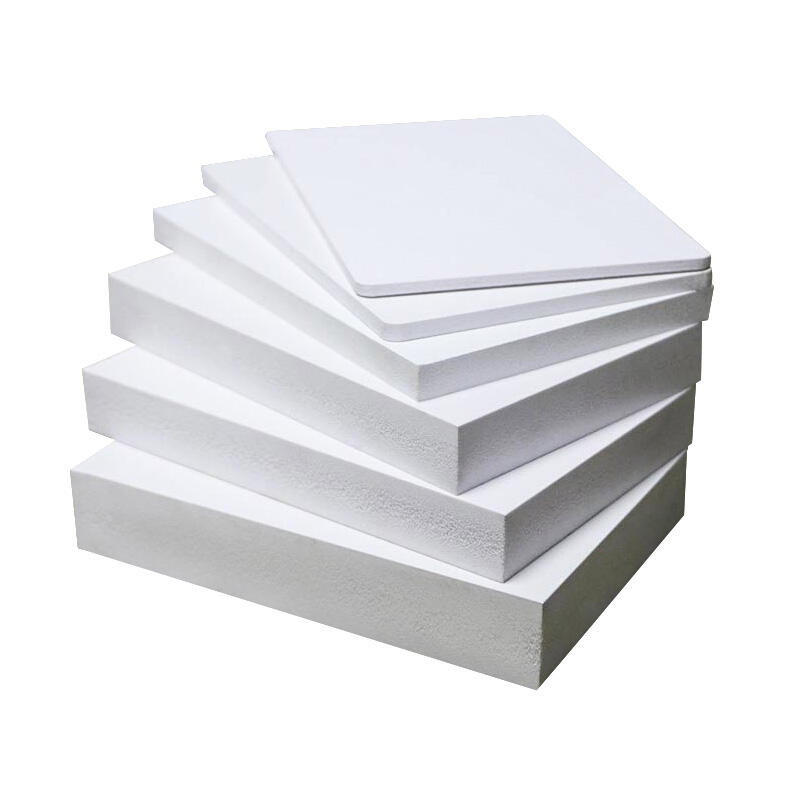
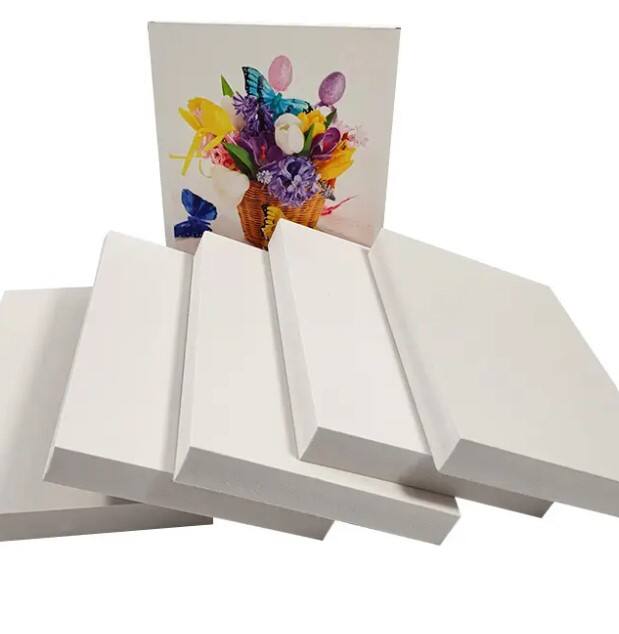
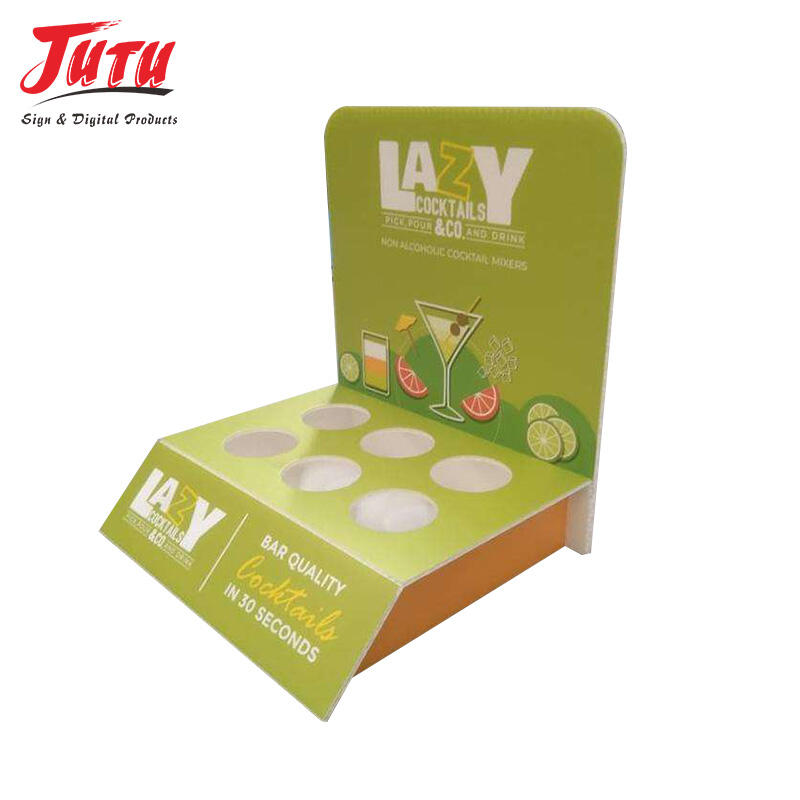
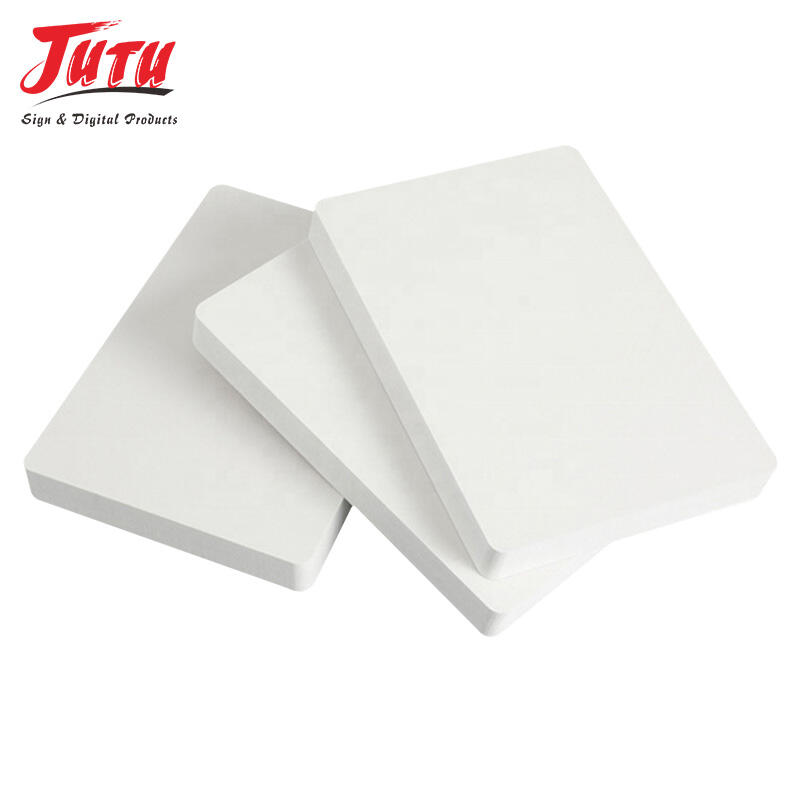
The remarkable processing versatility of laminated PVC foam board revolutionizes fabrication workflows and installation procedures across multiple industries. This material responds excellently to conventional woodworking techniques while offering processing advantages that natural materials cannot match. Standard cutting operations using circular saws, table saws, and hand tools produce clean edges without splintering or tear-out, eliminating the need for secondary finishing operations. The consistent density throughout the material thickness ensures uniform cutting performance and predictable results across large production runs. Routing operations create precise profiles and decorative edges without the grain considerations required for wood processing, allowing designers greater creative freedom in architectural applications. Drilling operations produce clean holes without the splitting or cracking associated with natural materials, enabling precise hardware installation and mechanical fastening. The material accepts threaded inserts and mechanical fasteners with excellent holding power, providing reliable connection points for structural applications. Thermoforming capabilities open additional design possibilities, as controlled heating allows the creation of curved surfaces, compound angles, and three-dimensional shapes that would be impossible or extremely expensive with traditional materials. The uniform heating characteristics ensure predictable forming results without weak points or stress concentrations. Adhesive bonding performs exceptionally well with laminated PVC foam board, as the surface preparation requirements are minimal and bond strength remains consistent across the entire surface area. This characteristic enables the creation of large panels through edge-gluing techniques and facilitates composite construction methods. The material compatibility with various adhesive systems, including structural acrylics, polyurethanes, and contact cements, provides flexibility in assembly methods and allows optimization for specific performance requirements. Surface finishing options include direct printing, vinyl application, paint systems, and textural treatments that bond permanently without delamination concerns. The smooth surface texture eliminates the filling and sanding operations required for wood substrates, reducing finishing time and material costs. Installation efficiency improves dramatically due to the lightweight characteristics and dimensional stability that eliminate the warping and adjustment issues common with natural materials.
 EN
EN