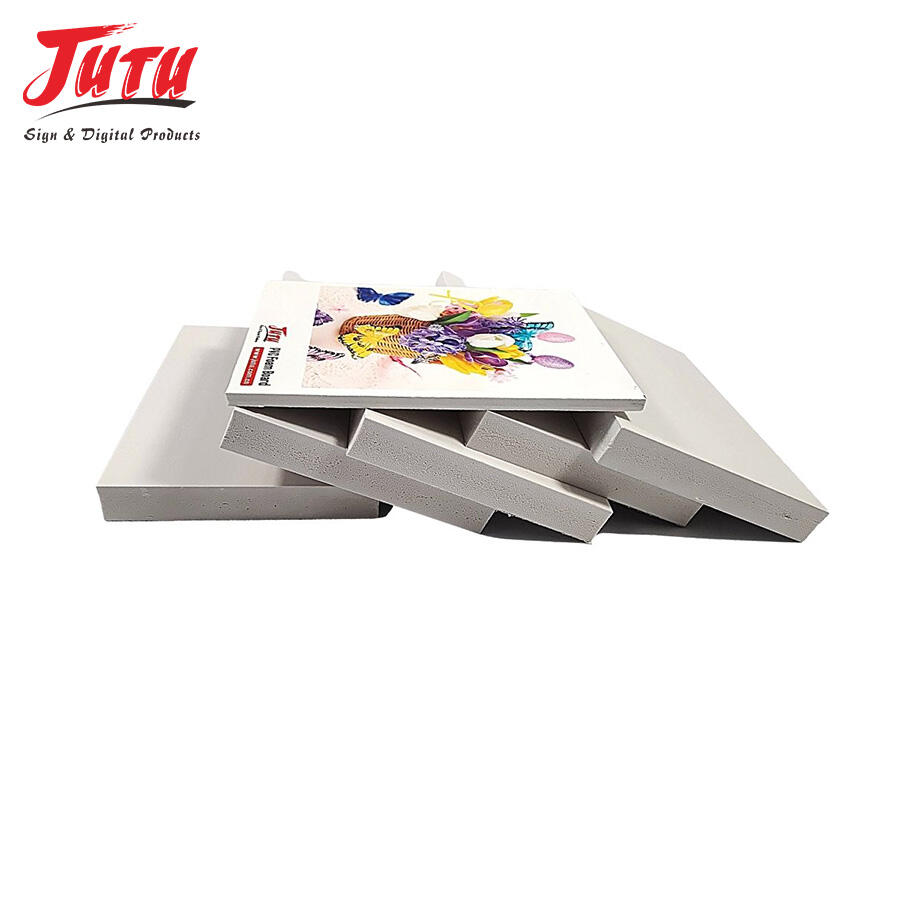
Versatile Processing and Fabrication Capabilities
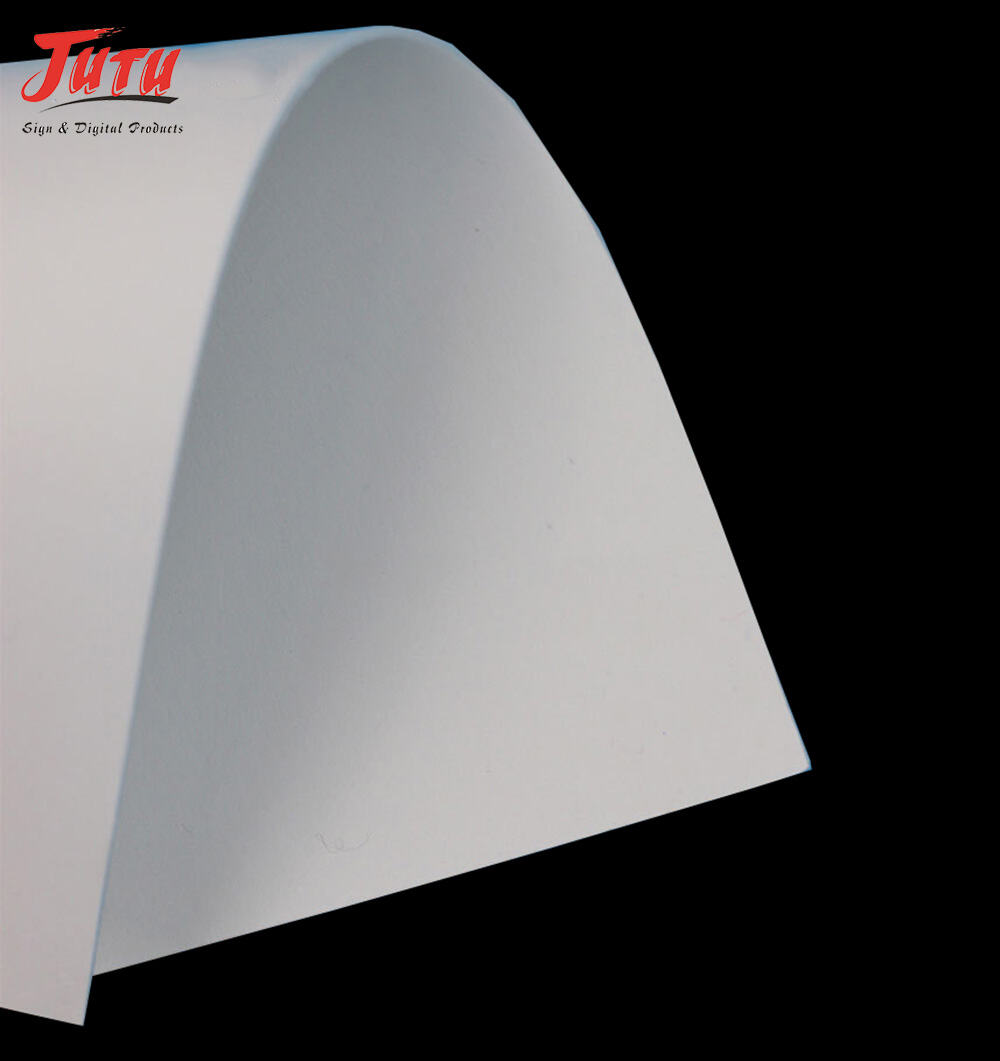
Foamex PVC foam board excels in fabrication versatility, offering processors unprecedented flexibility through compatibility with standard woodworking, metalworking, and plastic fabrication techniques. This processing adaptability eliminates the need for specialized equipment investments, enabling existing facilities to incorporate the material into production workflows without significant capital expenditure. Cutting operations achieve clean, precise edges using conventional saw blades, router bits, and laser cutting systems, with minimal tool wear compared to abrasive materials like fiberglass or filled plastics. Drilling operations produce accurate holes without cracking, chipping, or delamination, supporting mechanical fastening applications requiring precise tolerances. The material responds excellently to thermoforming processes, allowing complex three-dimensional shapes for architectural elements, decorative panels, and custom enclosures. Bonding capabilities encompass solvent welding, structural adhesives, and mechanical fasteners, providing design flexibility for permanent and removable assemblies. Surface preparation remains minimal due to the smooth, uniform texture that accepts paints, vinyls, and laminated films without extensive sanding or priming procedures. CNC machining operations achieve intricate details and precise geometries, supporting applications requiring complex profiles, grooves, or decorative patterns. Edge finishing options include flame polishing, mechanical sanding, and chemical smoothing techniques that produce professional-quality results matching specific aesthetic requirements. The material's consistent density distribution ensures predictable machining behavior, reducing waste and improving production efficiency compared to materials with variable properties. Heat welding techniques create strong, continuous joints for large panel assemblies, eliminating visible seam lines and mechanical fastener requirements. Foamex PVC foam board accepts various surface treatments including texture applications, metallic finishes, and protective coatings, enabling customization for specific visual and functional requirements. This processing versatility supports rapid prototyping and short-run production scenarios where tooling costs and setup time significantly impact project feasibility.
 EN
EN