Premium Foam Board Paper: Lightweight, Insulating Construction Material for Professional Applications

Get a Free Quote

Our representative will contact you soon.
Email
Name
Company Name
Message
0/1000

foam board paper

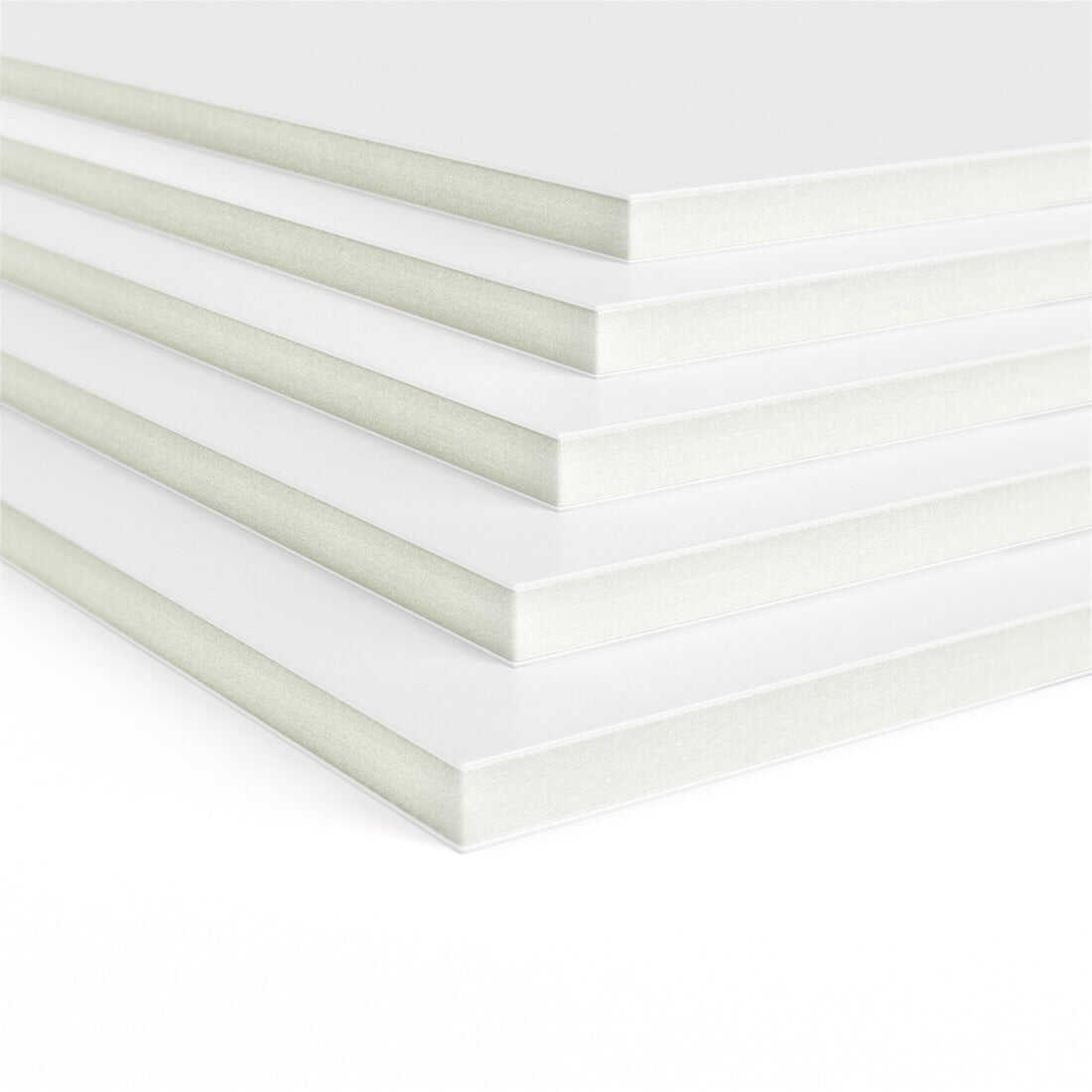
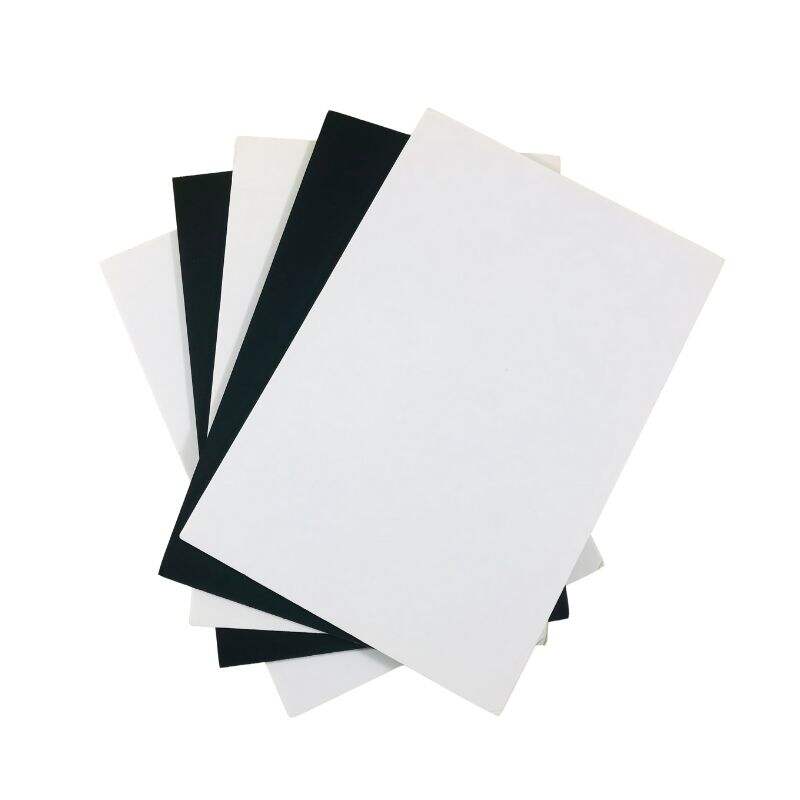
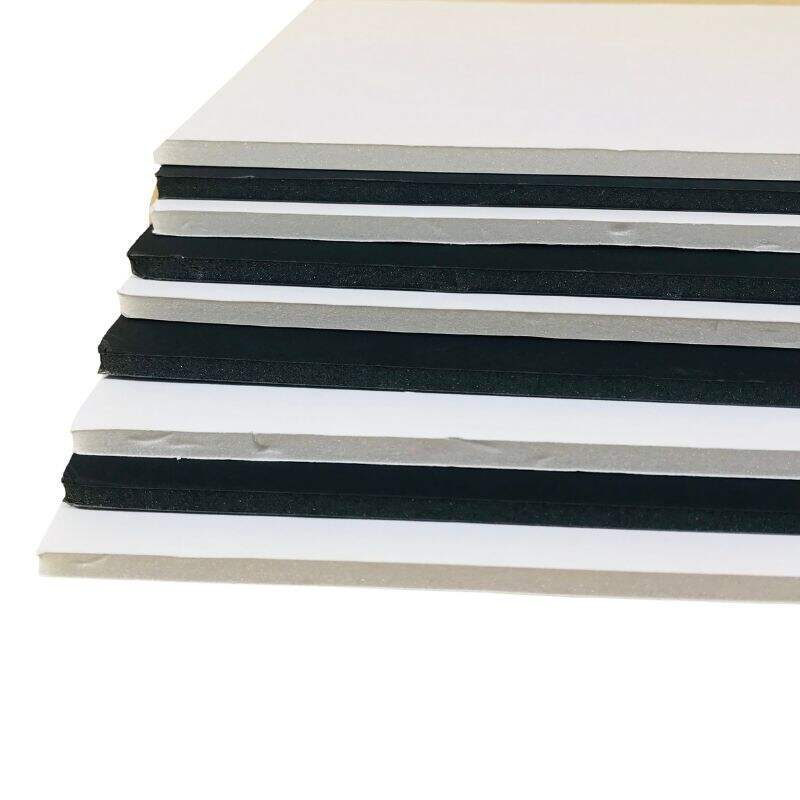
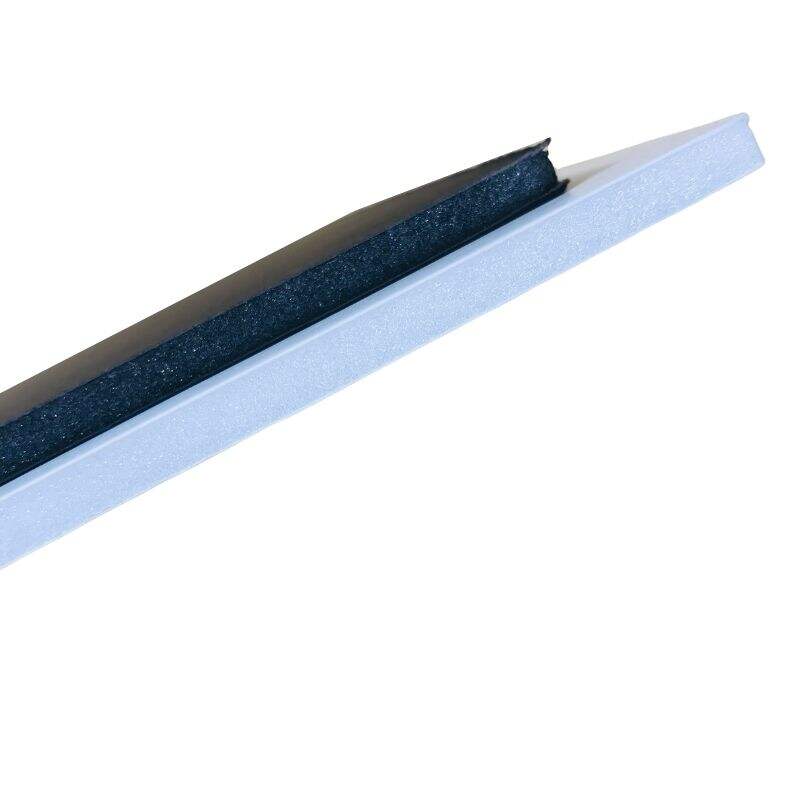
Foam board paper represents a revolutionary advancement in lightweight construction materials, combining the structural integrity of traditional boards with exceptional versatility and ease of use. This innovative material consists of a rigid foam core sandwiched between two layers of high-quality paper or cardboard, creating a composite structure that delivers outstanding performance across numerous applications. The foam board paper construction utilizes expanded polystyrene or polyurethane foam as the central core, which provides excellent insulation properties while maintaining remarkable lightness. The outer paper layers offer smooth surfaces ideal for printing, mounting, and various finishing techniques. Manufacturing processes involve precision lamination techniques that ensure strong adhesion between the foam core and paper surfaces, resulting in a dimensionally stable product that resists warping and maintains its shape under normal conditions. Foam board paper exhibits superior rigidity-to-weight ratios compared to solid materials of equivalent thickness, making it an ideal choice for applications where weight reduction is crucial without compromising structural performance. The material demonstrates excellent thermal insulation characteristics, with the foam core providing effective temperature regulation and energy efficiency benefits. Moisture resistance varies depending on the specific foam type and paper treatment, with many variations offering adequate protection against humidity and light moisture exposure. Technological features include precision-cut edges that ensure clean installations, uniform thickness throughout the board, and consistent density that guarantees predictable performance characteristics. The foam board paper can be easily cut, shaped, and fabricated using standard tools, allowing for rapid prototyping and custom applications. Surface treatments on the paper layers can include various coatings to enhance specific properties such as water resistance, fire retardancy, or improved printability, expanding the material's versatility across diverse industries and applications requiring specialized performance characteristics.

New Product Releases

Foam board paper delivers exceptional value through its unique combination of lightweight construction and robust structural performance, making it significantly easier to handle, transport, and install compared to traditional solid materials. This weight advantage translates directly into reduced shipping costs, simplified handling procedures, and decreased labor requirements during installation processes. The material cuts cleanly with standard utility knives or specialized cutting tools, eliminating the need for expensive machinery or specialized equipment that other materials might require. Installation teams can work faster and more efficiently when using foam board paper, as its manageable weight reduces fatigue and allows for single-person handling of larger panels in most applications. The smooth paper surfaces provide excellent adhesion for various mounting methods, including adhesives, mechanical fasteners, and specialized mounting systems, giving users multiple installation options to suit specific project requirements. Foam board paper offers outstanding cost-effectiveness by providing superior performance at competitive price points compared to alternative materials with similar properties. The material's thermal insulation capabilities contribute to energy savings in building applications, helping users reduce heating and cooling costs over time while maintaining comfortable interior environments. Environmental benefits include recyclability options for many foam board paper products, supporting sustainability initiatives and responsible waste management practices. The material resists common issues such as pest infestation, rot, and decay that can affect organic materials, ensuring longer service life and reduced maintenance requirements. Foam board paper maintains dimensional stability across varying temperature ranges, preventing expansion and contraction issues that plague other materials in similar applications. Processing advantages include excellent printability, allowing for high-quality graphics, text, and branding applications directly on the surface without requiring additional substrates. The material bonds well with various adhesives, paints, and coatings, enabling customization for specific aesthetic or functional requirements. Storage benefits include space efficiency due to the material's uniform thickness and stackability, while its resistance to compression ensures product integrity during warehousing and transportation.

Latest News

Acrylic Board Manufacturers: Shaping the Future of Plastics

07

Nov

Acrylic Board Manufacturers: Shaping the Future of Plastics

Acrylic boards have become indispensable in industries like construction, automotive, and healthcare. Their durability, transparency, and versatility make them a preferred material for diverse applications. Acrylic board manufacturers continue to inn...
View More
Acrylic Board Manufacturers: Your Key to Vibrant Color Displays

07

Nov

Acrylic Board Manufacturers: Your Key to Vibrant Color Displays

The Role of Acrylic Board Manufacturers in Vibrant Displays Customization Capabilities for Brand-Specific Needs Manufacturers of acrylic boards really stand out when it comes to custom options. Brands can tweak almost anything from color schemes to ...
View More
How Paper Foam Board Supports Eco-Friendly Packaging Solutions

06

Jan

How Paper Foam Board Supports Eco-Friendly Packaging Solutions

The packaging industry is undergoing a significant transformation as businesses increasingly prioritize sustainable alternatives to traditional materials. In this shift toward environmental responsibility, paper foam board has emerged as a revolution...
View More
How Aluminum Composite Panels Are Revolutionizing Skyscraper Facades

06

Jan

How Aluminum Composite Panels Are Revolutionizing Skyscraper Facades

Modern skyscraper construction has undergone a remarkable transformation, with aluminum composite panels emerging as the cornerstone of contemporary facade design. These innovative building materials combine the strength of aluminum with advanced com...
View More

Get a Free Quote

Our representative will contact you soon.
Email
Name
Company Name
Message
0/1000

foam board paper

Superior Lightweight Construction with Maximum Strength

Superior Lightweight Construction with Maximum Strength

Foam board paper revolutionizes construction and design projects through its exceptional strength-to-weight ratio, delivering robust structural performance while maintaining incredibly manageable weight characteristics that transform how professionals approach their projects. The innovative engineering behind foam board paper involves a carefully designed core structure that maximizes material efficiency, using expanded foam technology to create internal frameworks that distribute loads effectively across the entire panel surface. This engineering approach results in a material that can support substantial weights and resist bending forces while remaining light enough for single-person handling in most standard applications. The lightweight nature of foam board paper significantly reduces transportation costs, as shipping companies charge based on both weight and volume, and the material's low density means more product can be shipped per load without exceeding weight restrictions. Installation crews benefit enormously from the reduced physical strain associated with handling foam board paper, leading to increased productivity, reduced worker fatigue, and improved job site safety conditions. The material's structural integrity remains consistent throughout its thickness, preventing weak spots or failure points that might compromise performance under load conditions. Professional contractors appreciate how foam board paper maintains its shape and dimensional accuracy even when cut into smaller pieces or complex shapes, ensuring precise fits and professional-looking installations. The core foam structure provides excellent vibration damping properties, reducing noise transmission and creating more comfortable environments in residential and commercial applications. Quality control measures during manufacturing ensure consistent density throughout each board, guaranteeing predictable performance characteristics that designers and engineers can rely upon for calculations and specifications. The strength characteristics of foam board paper make it suitable for temporary and permanent installations, from trade show displays that must withstand frequent setup and teardown cycles to permanent architectural elements that require long-term structural reliability.
Exceptional Thermal Insulation and Energy Efficiency Performance

Exceptional Thermal Insulation and Energy Efficiency Performance

Foam board paper delivers outstanding thermal insulation capabilities that significantly enhance energy efficiency in building applications while providing consistent temperature control that benefits both residential and commercial users seeking improved comfort and reduced utility costs. The closed-cell foam core structure creates millions of tiny air pockets that effectively resist heat transfer, forming an efficient thermal barrier that maintains desired temperatures with minimal energy input requirements. This insulation performance translates into substantial cost savings for property owners, as heating and cooling systems operate more efficiently when foam board paper provides effective thermal separation between interior and exterior environments. The material's insulation properties remain stable over time, unlike some alternatives that may settle, compress, or deteriorate, ensuring long-term performance that maintains energy efficiency benefits throughout the product's service life. Building professionals value foam board paper for its consistent R-value performance, which allows for accurate energy calculations and compliance with building codes and energy efficiency standards. The thermal properties of foam board paper contribute to improved indoor air quality by reducing temperature fluctuations that can lead to condensation problems and related moisture issues that compromise building integrity and occupant health. Installation of foam board paper for insulation applications proceeds quickly and efficiently, as the material requires no special protective equipment or complex handling procedures that slow down construction schedules. The foam core structure provides thermal bridging resistance, preventing heat loss through structural elements that can compromise overall insulation effectiveness in traditional construction methods. Moisture resistance characteristics complement the thermal performance by preventing water infiltration that could reduce insulation effectiveness or create conditions conducive to mold and mildew growth. Environmental benefits extend beyond energy savings, as improved thermal performance reduces carbon footprints associated with heating and cooling energy consumption, supporting green building initiatives and sustainability goals. The versatility of foam board paper allows for creative thermal solutions, including curved installations and complex geometries that would be difficult or impossible with rigid insulation alternatives.
Versatile Surface Properties Enabling Unlimited Creative Applications

Versatile Surface Properties Enabling Unlimited Creative Applications

Foam board paper provides exceptional surface versatility that opens unlimited creative possibilities for designers, artists, and professionals across diverse industries, featuring smooth, uniform paper surfaces that accept virtually any type of coating, printing, or finishing technique with professional-quality results. The high-quality paper laminate surfaces offer excellent print receptivity, allowing for vibrant colors, sharp text, and detailed graphics that maintain their clarity and intensity over extended periods without fading or deterioration. Professional sign makers and display manufacturers particularly value foam board paper for its ability to produce stunning visual presentations, as the smooth surface eliminates texture interference that can compromise print quality or graphic clarity in critical applications. The material accepts various adhesive systems effectively, enabling secure mounting of photographs, artwork, documents, and other materials without concerns about bond failure or surface damage that might occur with less compatible substrates. Painting applications benefit from the paper surface's ability to hold both water-based and solvent-based coatings uniformly, creating smooth, professional finishes that enhance aesthetic appeal while providing additional protection against environmental factors. Cutting and fabrication operations proceed smoothly with foam board paper, as the material responds predictably to various cutting tools and techniques, allowing for precise shapes, clean edges, and complex geometries that meet exacting specifications. The surface properties facilitate easy customization through stamping, embossing, and other decorative techniques that add texture and visual interest without compromising structural integrity or dimensional stability. Educational applications benefit from the writeable surface characteristics, as teachers and students can use various writing instruments to create temporary or permanent markings for instructional purposes. The foam board paper surface accepts lamination films and protective coatings that enhance durability and provide specialized properties such as enhanced moisture resistance, UV protection, or anti-glare characteristics for specific applications. Architects and model makers appreciate the material's ability to simulate various building materials through appropriate surface treatments, enabling realistic scale models and presentation materials that effectively communicate design concepts to clients and stakeholders.