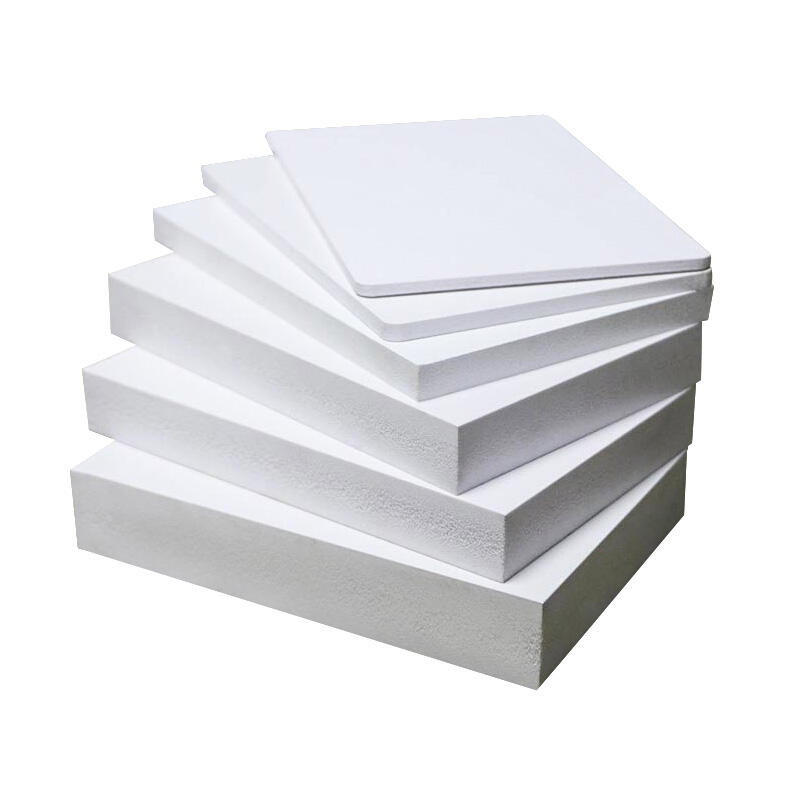
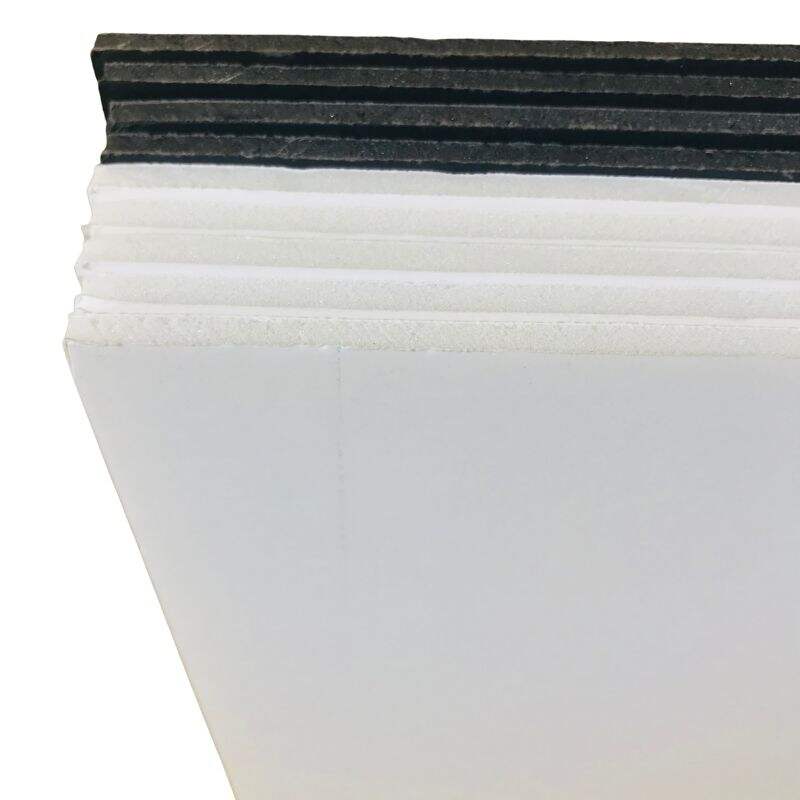
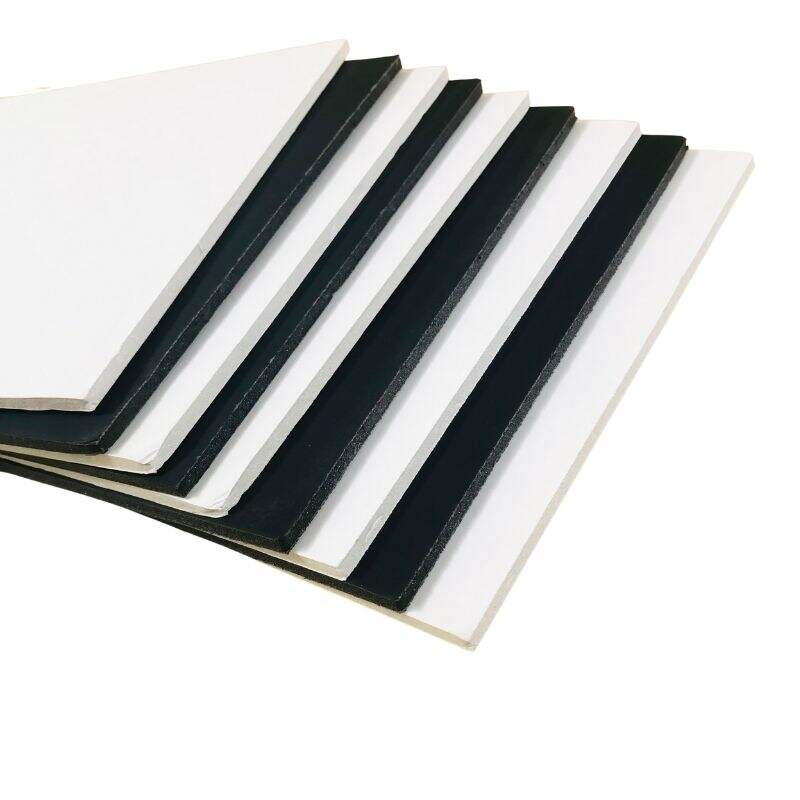
paper foam board
Paper foam board represents a revolutionary advancement in sustainable building materials, combining the structural integrity of traditional construction boards with environmental consciousness. This innovative material consists of a foam core sandwiched between layers of recycled paper, creating a lightweight yet remarkably strong composite that serves multiple construction and design purposes. The paper foam board manufacturing process involves bonding recycled paper fibers with eco-friendly foam materials, resulting in a product that maintains excellent insulation properties while remaining cost-effective and environmentally responsible. The unique composition of paper foam board allows it to function effectively as insulation, wall paneling, flooring underlayment, and decorative surfacing material. Its technological features include superior thermal resistance, moisture control capabilities, and exceptional dimensional stability that prevents warping or degradation over time. The paper foam board structure incorporates air pockets that enhance its insulating properties, making it an ideal choice for energy-efficient construction projects. Installation of paper foam board requires minimal specialized tools and can be accomplished by both professional contractors and DIY enthusiasts. The material cuts cleanly with standard utility knives, adheres well to various substrates using appropriate adhesives, and accepts paints, stains, and other finishing materials without special preparation. Paper foam board applications span residential, commercial, and industrial sectors, including wall insulation systems, subflooring applications, ceiling installations, and temporary construction barriers. The versatility of paper foam board extends to artistic and display applications, where its lightweight nature and smooth surface make it popular for signage, architectural models, and exhibition displays. Environmental considerations make paper foam board particularly attractive, as it utilizes recycled materials and can be recycled again at the end of its useful life, supporting circular economy principles in construction industry practices.
 EN
EN