Premium Aluminum Composite Panel Siding: Durable, Energy-Efficient Exterior Cladding Solutions

Get a Free Quote

Our representative will contact you soon.
Email
Name
Company Name
Message
0/1000

aluminum composite panel siding

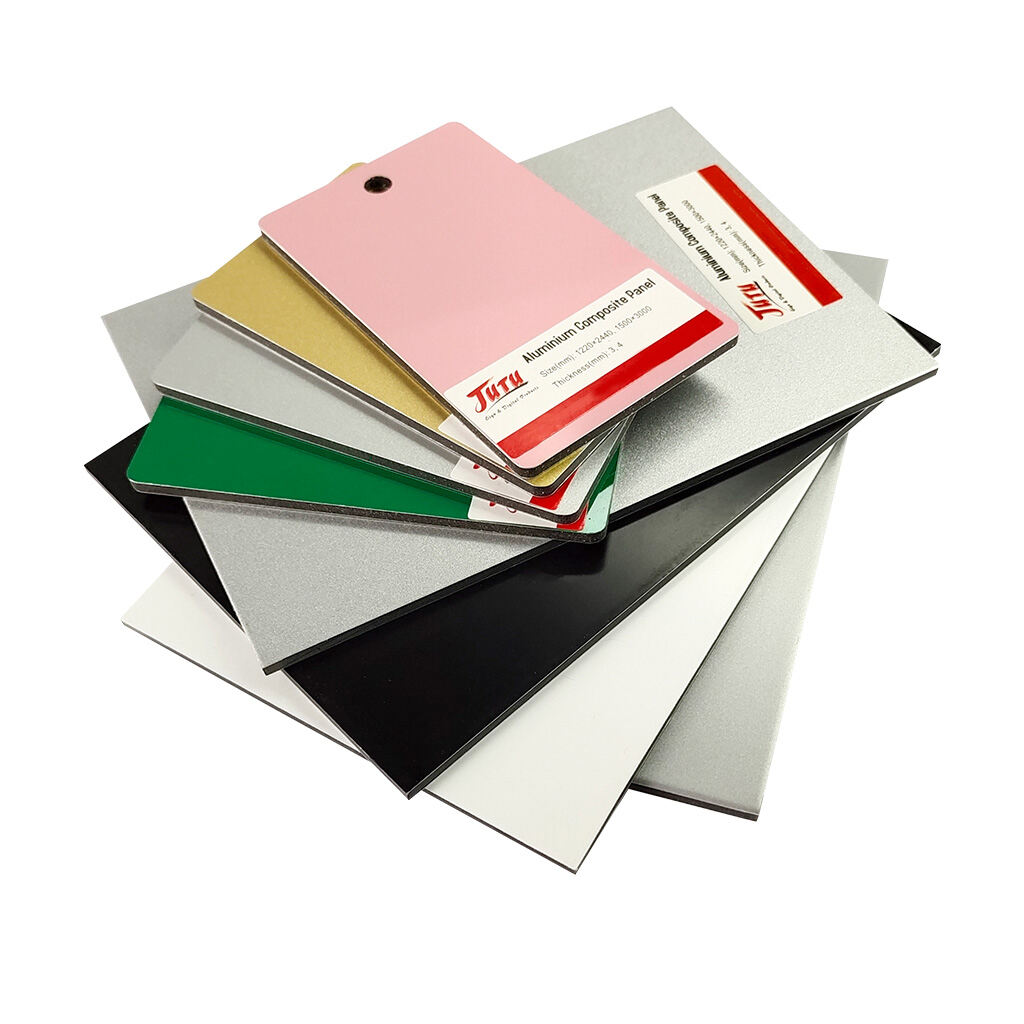
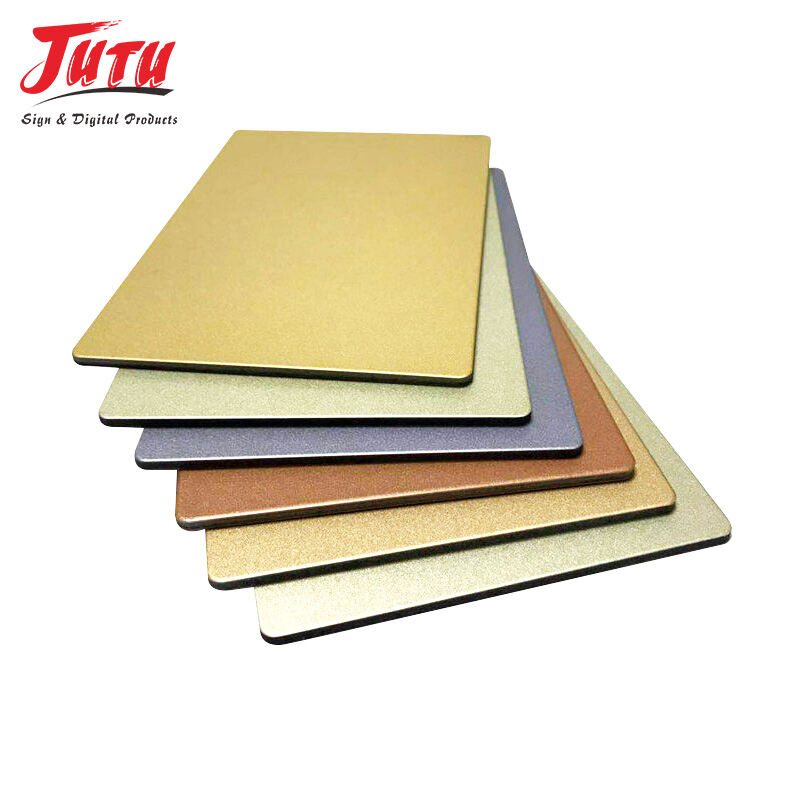
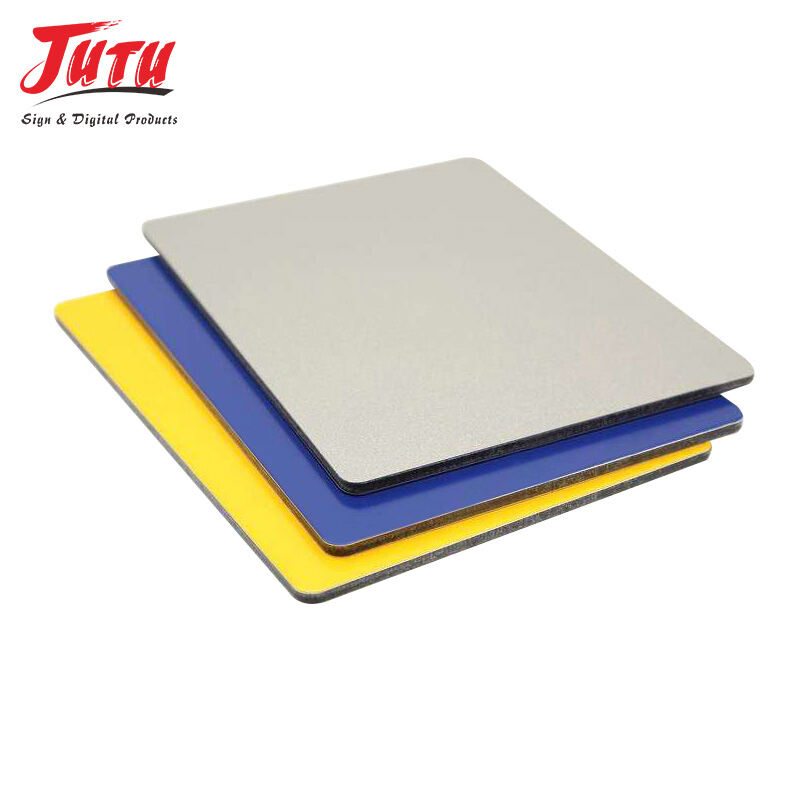
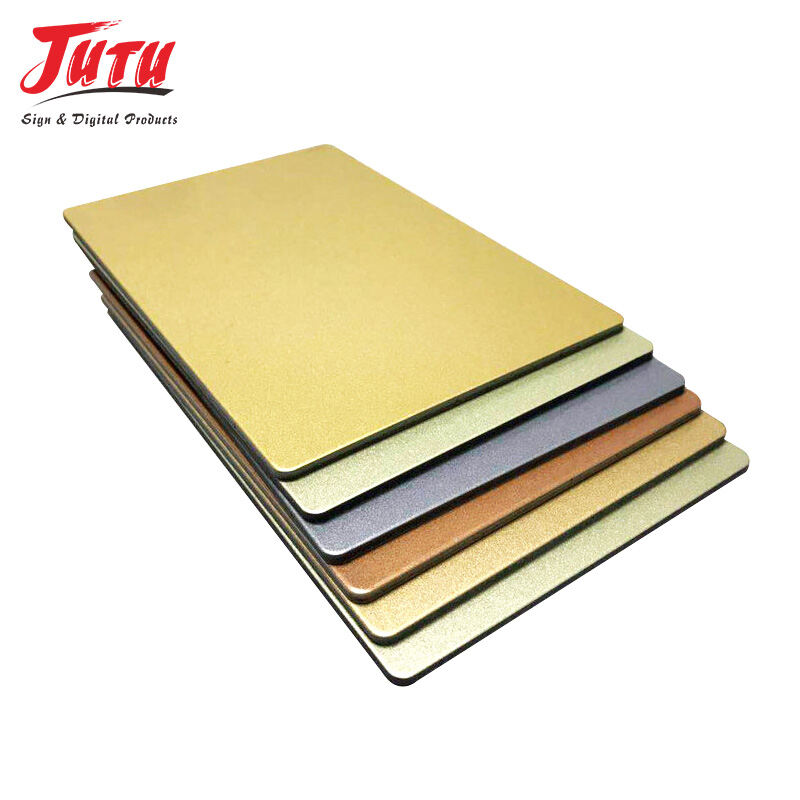
Aluminum composite panel siding represents a revolutionary building material that combines cutting-edge technology with practical functionality for modern construction projects. This innovative siding solution consists of two aluminum sheets bonded to a polyethylene core, creating a lightweight yet robust exterior cladding system. The aluminum composite panel siding delivers exceptional performance through its unique three-layer construction, where thin aluminum faces provide strength and weather resistance while the polymer core offers insulation properties and dimensional stability. This architectural marvel serves multiple functions including weather protection, thermal insulation, and aesthetic enhancement for residential, commercial, and industrial buildings. The technological features of aluminum composite panel siding include advanced coating systems that resist fading, chalking, and corrosion, ensuring long-lasting color retention and surface integrity. Manufacturing processes involve precision bonding techniques that create seamless integration between layers, resulting in panels that maintain structural integrity under various environmental conditions. The siding system incorporates fire-retardant properties through specialized core materials and surface treatments, meeting stringent building codes and safety requirements. Applications for aluminum composite panel siding span diverse sectors, from high-rise office buildings and shopping centers to residential facades and renovation projects. The versatility of this material allows architects and designers to create striking visual effects while maintaining functional performance. Installation flexibility makes aluminum composite panel siding suitable for both new construction and retrofit applications, adapting to various substrate conditions and architectural requirements. The panels can be fabricated into custom shapes and sizes, accommodating complex design geometries and creative architectural visions. This adaptability, combined with superior durability and low maintenance requirements, positions aluminum composite panel siding as a preferred choice for contemporary building projects seeking both aesthetic appeal and long-term performance reliability.

Popular Products

Aluminum composite panel siding offers numerous practical benefits that make it an outstanding choice for property owners and construction professionals. The lightweight nature of this material significantly reduces structural load requirements, allowing buildings to support exterior cladding without extensive reinforcement modifications. This weight advantage translates into cost savings during installation and reduces foundation stress, particularly beneficial for high-rise applications where every pound matters. Weather resistance stands as another major advantage of aluminum composite panel siding, as the aluminum faces provide excellent protection against rain, snow, wind, and UV radiation. The material resists moisture penetration, preventing water damage and eliminating concerns about rot, warping, or deterioration that plague traditional siding materials. Thermal performance benefits emerge from the insulating properties of the polymer core, which helps regulate interior temperatures and reduces energy consumption for heating and cooling systems. Building owners experience lower utility bills while maintaining comfortable indoor environments throughout seasonal changes. Maintenance requirements for aluminum composite panel siding remain minimal compared to wood, vinyl, or fiber cement alternatives. The smooth surface resists dirt accumulation and cleans easily with standard washing techniques, eliminating the need for regular painting, staining, or intensive upkeep procedures. Color retention capabilities ensure that the siding maintains its original appearance for decades without significant fading or discoloration, protecting the building's aesthetic value and curb appeal. Fire safety advantages include flame-resistant properties that help prevent fire spread across building exteriors, providing additional protection for occupants and property. The non-combustible aluminum faces and specially formulated cores meet fire safety codes while offering peace of mind for building owners and insurance providers. Design flexibility allows architects to create unique facades with various colors, textures, and finishes, enabling customization that reflects individual preferences and architectural styles. Cost-effectiveness becomes apparent through reduced installation time, lower labor requirements, and extended service life compared to traditional materials. The combination of durability, performance, and aesthetic versatility makes aluminum composite panel siding a smart investment for any construction project seeking long-term value and reliability.

Tips And Tricks

Honeycomb Board Furniture: A New Dimension in Comfort

07

Nov

Honeycomb Board Furniture: A New Dimension in Comfort

Imagine furniture that's lightweight, durable, and eco-friendly. Honeycomb Board Furniture is revolutionizing how you think about design and sustainability. Its unique structure offers endless possibilities for modern living. You’ll love how it...
View More
How Paper Foam Board Supports Eco-Friendly Packaging Solutions

06

Jan

How Paper Foam Board Supports Eco-Friendly Packaging Solutions

The packaging industry is undergoing a significant transformation as businesses increasingly prioritize sustainable alternatives to traditional materials. In this shift toward environmental responsibility, paper foam board has emerged as a revolution...
View More
PP Corrugated Sheets for Temporary Structures and Event Signage

06

Jan

PP Corrugated Sheets for Temporary Structures and Event Signage

PP corrugated sheets have emerged as a revolutionary material in the construction and signage industries, offering unparalleled versatility for temporary structures and event displays. These lightweight yet durable plastic sheets provide an ideal sol...
View More
How Aluminum Composite Panels Are Revolutionizing Skyscraper Facades

06

Jan

How Aluminum Composite Panels Are Revolutionizing Skyscraper Facades

Modern skyscraper construction has undergone a remarkable transformation, with aluminum composite panels emerging as the cornerstone of contemporary facade design. These innovative building materials combine the strength of aluminum with advanced com...
View More

Get a Free Quote

Our representative will contact you soon.
Email
Name
Company Name
Message
0/1000

aluminum composite panel siding

Superior Durability and Weather Protection Performance

Superior Durability and Weather Protection Performance

The exceptional durability of aluminum composite panel siding stems from its engineered construction that withstands harsh environmental conditions while maintaining structural integrity for decades. The aluminum outer layers provide superior corrosion resistance, effectively blocking moisture infiltration that typically damages conventional siding materials over time. This corrosion resistance proves particularly valuable in coastal environments where salt air accelerates deterioration of metal surfaces, yet aluminum composite panel siding continues performing reliably without rust or degradation. The advanced coating systems applied to these panels incorporate fluoropolymer or polyester finishes that create an additional protective barrier against UV radiation, acid rain, and industrial pollutants. These specialized coatings prevent chalking, fading, and surface erosion that commonly affect painted surfaces, ensuring the siding retains its original color and finish quality throughout its service life. Impact resistance represents another crucial durability feature, as the flexible polymer core absorbs shock while the aluminum faces distribute stress across the panel surface. This combination prevents cracking, denting, or puncturing that might occur with rigid materials under similar stress conditions. Temperature cycling poses challenges for many building materials, causing expansion and contraction that leads to joint failure and surface cracking. Aluminum composite panel siding accommodates thermal movement through its layered construction, where each component responds to temperature changes in harmony rather than creating internal stress. The panels maintain dimensional stability across extreme temperature ranges, from arctic cold to desert heat, without compromising performance or appearance. Wind resistance capabilities exceed those of traditional siding materials, with properly installed aluminum composite panel siding systems capable of withstanding hurricane-force winds without failure. The aerodynamic properties of the smooth panel surfaces reduce wind loading while secure fastening systems distribute forces evenly across the building structure. This wind resistance provides essential protection for buildings in storm-prone regions while reducing insurance costs and potential damage claims. Long-term performance data demonstrates that properly maintained aluminum composite panel siding can provide reliable service for thirty years or more, making it a cost-effective investment compared to materials requiring frequent replacement or extensive maintenance procedures.
Energy Efficiency and Thermal Performance Benefits

Energy Efficiency and Thermal Performance Benefits

Aluminum composite panel siding delivers outstanding energy efficiency benefits through its multi-layer construction that effectively manages heat transfer and thermal bridging in building envelopes. The polyethylene core provides insulating properties that reduce thermal conductivity compared to solid metal cladding, helping maintain consistent interior temperatures while reducing energy consumption for heating and cooling systems. This thermal barrier effect becomes particularly important in extreme climate conditions where temperature differentials between indoor and outdoor environments create significant energy demands. The reflective properties of aluminum surfaces contribute to energy savings by reflecting solar radiation rather than absorbing heat that would otherwise transfer into building interiors. This solar reflectance reduces cooling loads during summer months, particularly beneficial for buildings in hot climates where air conditioning costs represent major operational expenses. Specialized coatings can enhance these reflective properties further, creating cool roof effects that contribute to urban heat island reduction while maintaining comfortable interior conditions. Thermal bridging elimination represents a critical advantage of aluminum composite panel siding systems compared to traditional metal cladding installations. The polymer core interrupts direct thermal paths between exterior and interior surfaces, preventing heat transfer that typically occurs through continuous metal components. This thermal break reduces condensation risks and eliminates cold spots on interior walls that can lead to comfort issues and potential moisture problems. Installation methods for aluminum composite panel siding can incorporate additional insulation layers behind the panels, creating comprehensive thermal envelope systems that exceed building code requirements for energy performance. These enhanced systems qualify for energy efficiency incentives and certifications while providing long-term operational cost savings through reduced utility consumption. The lightweight nature of the panels allows for thicker insulation installation without structural concerns, maximizing thermal performance potential. Air sealing capabilities of properly installed aluminum composite panel siding systems prevent infiltration losses that compromise energy efficiency in buildings with poor envelope integrity. The precision-manufactured panels create tight joints when installed correctly, reducing air leakage that forces heating and cooling systems to work harder maintaining desired temperatures. Quality installation practices ensure these air sealing benefits persist throughout the building's service life, maintaining energy performance over time. Building owners report significant energy cost reductions after aluminum composite panel siding installation, with payback periods often falling within five to seven years through utility savings alone.
Design Versatility and Aesthetic Excellence

Design Versatility and Aesthetic Excellence

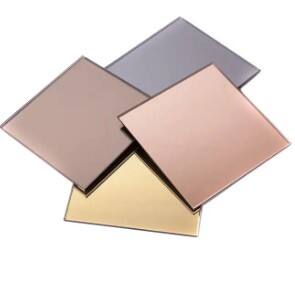
The design flexibility of aluminum composite panel siding empowers architects and building owners to create stunning facades that reflect individual style preferences while meeting functional performance requirements. Manufacturing capabilities allow for virtually unlimited color options through advanced coating processes that can match any specified hue or create custom color schemes for unique architectural expressions. These color possibilities extend beyond solid tones to include metallic finishes, wood grain textures, stone appearances, and specialty effects that mimic premium materials at fraction of traditional costs. Surface texture variations provide additional design opportunities, with options ranging from smooth mirror finishes to deeply embossed patterns that create shadow lines and visual interest across building facades. These textural elements can be combined strategically to create accent areas, define architectural features, or establish visual hierarchy that guides observer attention to important building elements. The ability to mix colors and textures within single installations allows designers to create complex compositions that would be impossible or prohibitively expensive with conventional materials. Fabrication flexibility enables aluminum composite panel siding to accommodate complex architectural geometries including curved surfaces, angled installations, and custom shapes that follow unique building designs. Advanced cutting and forming techniques allow panels to be precisely shaped for seamless integration with architectural elements such as windows, doors, corners, and decorative features. This fabrication capability eliminates the design constraints often imposed by rigid siding materials that cannot adapt to creative architectural visions. Panel sizing options range from small accent pieces to large format installations that create clean, uninterrupted surfaces across extensive wall areas. Large panels reduce visual joint lines while smaller formats allow for more detailed compositions and easier handling during installation. Custom perforation patterns can be incorporated for ventilation requirements or decorative effects, creating interesting light and shadow patterns while maintaining structural integrity. Architectural compatibility makes aluminum composite panel siding suitable for various building styles from ultra-modern contemporary designs to traditional applications requiring classical proportions and detailing. The material can complement glass curtain walls, integrate with masonry construction, or serve as primary cladding for complete building envelope solutions. Installation systems accommodate both mechanical fastening and structural glazing methods, providing options that suit different aesthetic preferences and performance requirements. Project examples demonstrate the remarkable transformation possible when buildings receive aluminum composite panel siding upgrades, with older structures achieving contemporary appearances that increase property values and market appeal significantly.