Polyethylene Core Aluminium Composite Panels: Superior Building Solutions for Modern Architecture

Get a Free Quote

Our representative will contact you soon.
Email
Name
Company Name
Message
0/1000

polyethylene core aluminium composite panels

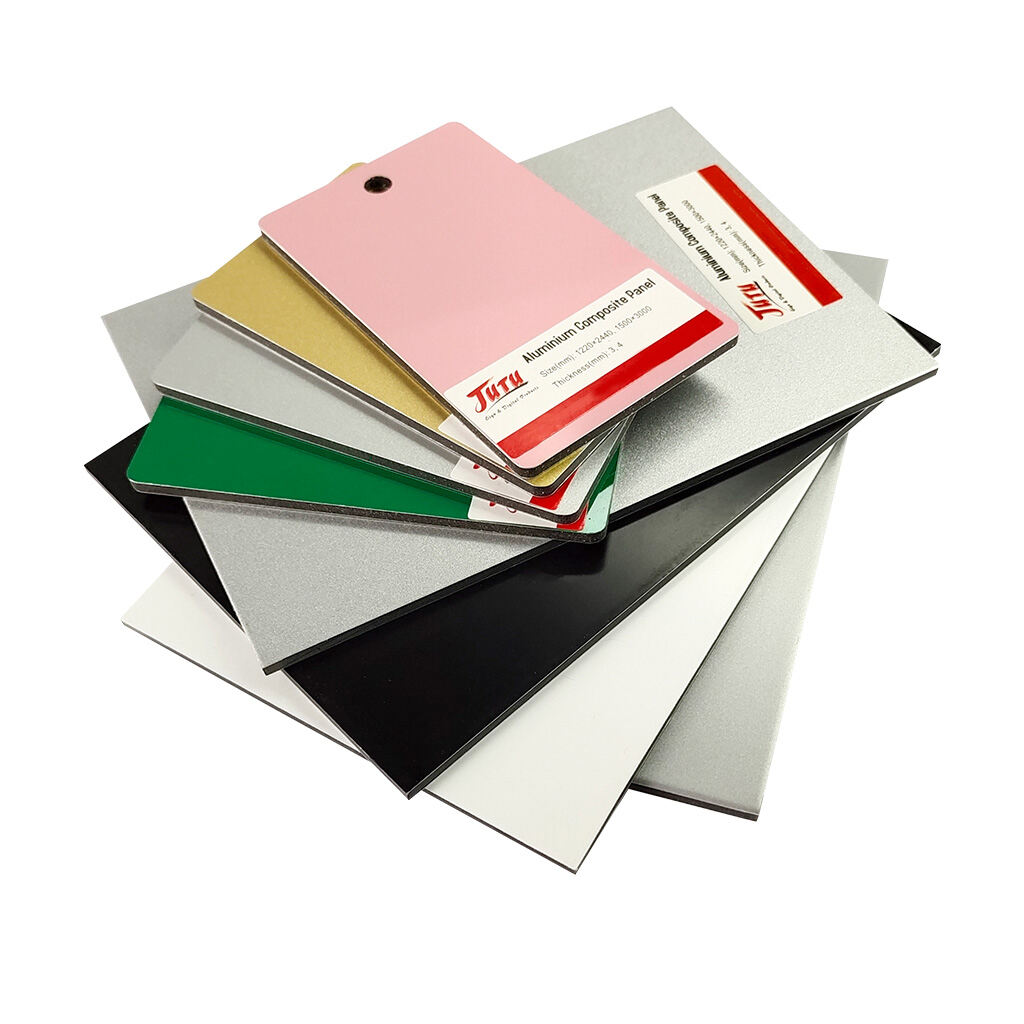
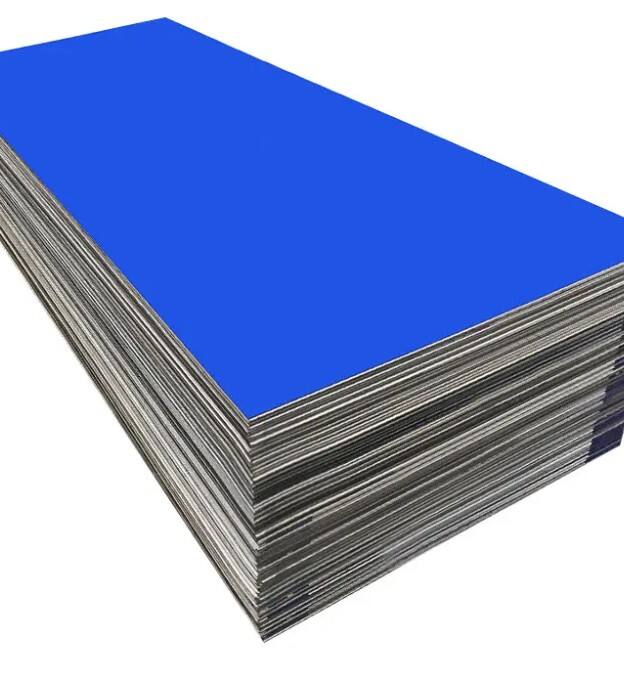
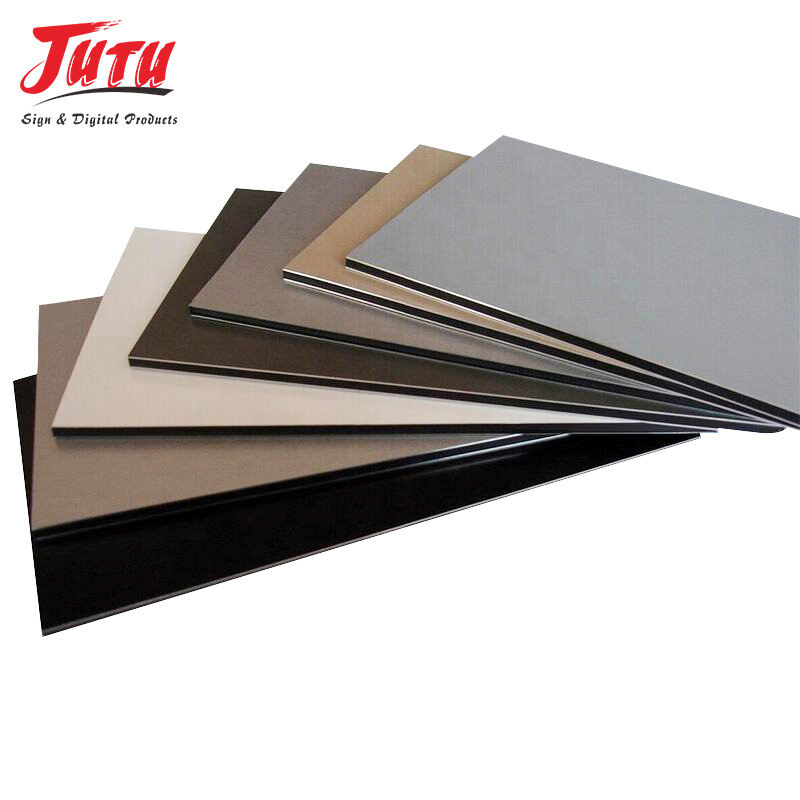
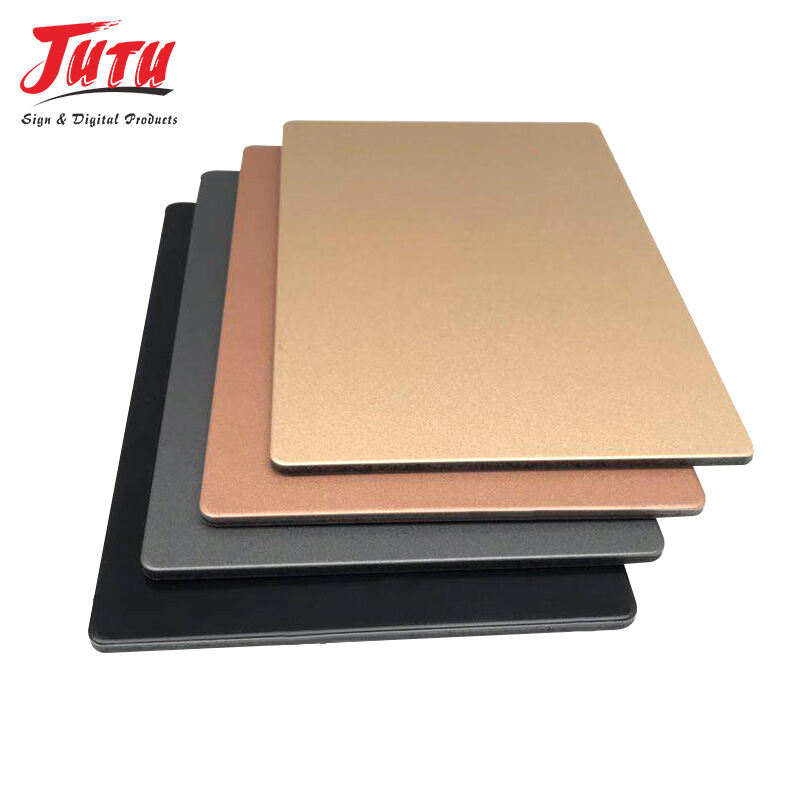
Polyethylene core aluminium composite panels represent a revolutionary building material that combines the strength of aluminum with the lightweight properties of polyethylene. These panels feature a sophisticated three-layer construction, consisting of two outer aluminum sheets bonded to a central polyethylene core through advanced adhesive technology. The main functions of polyethylene core aluminium composite panels include providing exceptional structural integrity while maintaining remarkable flexibility and thermal performance. These panels serve as versatile cladding solutions for both interior and exterior applications, offering superior weather resistance and architectural appeal. The technological features of polyethylene core aluminium composite panels encompass cutting-edge manufacturing processes that ensure consistent quality and dimensional stability. The polyethylene core acts as an insulating barrier, reducing thermal conductivity and enhancing energy efficiency in buildings. Advanced coating technologies applied to the aluminum surfaces provide enhanced durability against UV radiation, corrosion, and environmental degradation. The panel construction allows for easy fabrication and installation, supporting various forming techniques including bending, cutting, and shaping to accommodate complex architectural designs. Applications of polyethylene core aluminium composite panels span across commercial, residential, and industrial sectors. These panels are extensively used in curtain wall systems, building facades, interior partitions, signage applications, and transportation infrastructure. The construction industry particularly values these panels for their ability to create seamless, modern appearances while meeting stringent building codes and safety requirements. Healthcare facilities utilize polyethylene core aluminium composite panels for their hygienic properties and ease of maintenance. Educational institutions benefit from their acoustic properties and design flexibility. The versatility of polyethylene core aluminium composite panels makes them suitable for retrofitting existing structures and new construction projects, providing architects and designers with unlimited creative possibilities while ensuring long-term performance and cost-effectiveness.

New Product Releases

Polyethylene core aluminium composite panels offer numerous practical benefits that make them an excellent choice for modern construction projects. The lightweight nature of these panels significantly reduces structural load requirements, allowing builders to achieve substantial cost savings in foundation and framework design. Installation becomes remarkably efficient because workers can handle polyethylene core aluminium composite panels with standard equipment and minimal labor requirements. The reduced weight translates to lower transportation costs and simplified logistics throughout the construction process. Weather resistance stands as another major advantage of polyethylene core aluminium composite panels. These panels withstand extreme temperature fluctuations, heavy rainfall, and intense sunlight without degrading or losing their structural integrity. The aluminum exterior provides excellent protection against corrosion, while the polyethylene core maintains flexibility during thermal expansion and contraction cycles. This combination ensures long-term durability and reduces maintenance requirements significantly. Cost-effectiveness represents a compelling benefit for property owners and developers. Polyethylene core aluminium composite panels require minimal maintenance throughout their lifespan, eliminating the need for frequent repairs or replacements. The panels retain their appearance and performance characteristics for decades, providing excellent return on investment. Energy efficiency improvements result from the thermal insulation properties of the polyethylene core, leading to reduced heating and cooling costs for building occupants. Design flexibility allows architects to create stunning visual effects and unique architectural features. Polyethylene core aluminium composite panels can be formed into curves, angles, and complex shapes that would be difficult or impossible to achieve with traditional materials. The panels accept various surface finishes, colors, and textures, enabling designers to match any aesthetic vision or branding requirements. Fire safety characteristics of polyethylene core aluminium composite panels meet international building standards when properly specified and installed. Modern formulations include fire-retardant additives that enhance safety performance in commercial and residential applications. The panels also provide excellent sound dampening properties, creating more comfortable interior environments. Environmental benefits include recyclability of aluminum components and reduced energy consumption during manufacturing compared to solid aluminum alternatives. These sustainable features align with green building initiatives and environmental certification programs.

Tips And Tricks

PVC Celuka Foam Sheets: A Lightweight Solution for Heavy Industries

07

Nov

PVC Celuka Foam Sheets: A Lightweight Solution for Heavy Industries

PVC Celuka Foam Sheets offer exceptional strength and durability, making them indispensable in heavy industries. Their resistance to chemicals, moisture, and fire ensures reliability in demanding environments. These sheets enhance industrial efficien...
View More
Acrylic Board Manufacturers: Your Key to Vibrant Color Displays

07

Nov

Acrylic Board Manufacturers: Your Key to Vibrant Color Displays

The Role of Acrylic Board Manufacturers in Vibrant Displays Customization Capabilities for Brand-Specific Needs Manufacturers of acrylic boards really stand out when it comes to custom options. Brands can tweak almost anything from color schemes to ...
View More
How Paper Foam Board Supports Eco-Friendly Packaging Solutions

06

Jan

How Paper Foam Board Supports Eco-Friendly Packaging Solutions

The packaging industry is undergoing a significant transformation as businesses increasingly prioritize sustainable alternatives to traditional materials. In this shift toward environmental responsibility, paper foam board has emerged as a revolution...
View More
Structural Analysis: Honeycomb Board Strength-to-Weight Ratios

06

Jan

Structural Analysis: Honeycomb Board Strength-to-Weight Ratios

The engineering world continuously seeks materials that deliver exceptional performance while maintaining minimal weight characteristics. Honeycomb board technology has emerged as a revolutionary solution, offering unprecedented strength-to-weight ra...
View More

Get a Free Quote

Our representative will contact you soon.
Email
Name
Company Name
Message
0/1000

polyethylene core aluminium composite panels

Superior Thermal Performance and Energy Efficiency

Superior Thermal Performance and Energy Efficiency

Polyethylene core aluminium composite panels deliver exceptional thermal performance that significantly enhances building energy efficiency and occupant comfort. The polyethylene core acts as an effective thermal barrier, preventing heat transfer between interior and exterior environments. This insulation property reduces the load on HVAC systems, resulting in substantial energy cost savings for building owners. The thermal conductivity of polyethylene core aluminium composite panels remains consistently low across various temperature ranges, providing stable insulation performance throughout seasonal changes. During summer months, these panels prevent external heat from penetrating interior spaces, reducing cooling requirements and maintaining comfortable indoor temperatures. In winter, the thermal barrier prevents internal heat loss, minimizing heating costs and improving energy conservation. The aluminum exterior surfaces reflect solar radiation effectively, further enhancing the thermal performance of polyethylene core aluminium composite panels. This reflective property reduces surface temperatures and prevents thermal stress that could compromise panel integrity or building comfort. Advanced engineering of the panel construction eliminates thermal bridging, ensuring continuous insulation performance across the entire building envelope. Property owners benefit from reduced utility bills and improved environmental sustainability through lower energy consumption. The thermal performance of polyethylene core aluminium composite panels contributes to achieving green building certifications such as LEED or BREEAM ratings. These certifications enhance property value and demonstrate commitment to environmental responsibility. The consistent thermal performance also eliminates hot spots or cold zones that could create comfort issues for occupants. Manufacturing processes ensure uniform density and composition of the polyethylene core, guaranteeing reliable thermal properties throughout the panel surface. Quality control measures verify thermal performance specifications before panels leave the factory, providing confidence in long-term energy efficiency benefits.
Exceptional Durability and Weather Resistance

Exceptional Durability and Weather Resistance

Polyethylene core aluminium composite panels demonstrate remarkable durability and weather resistance that ensures decades of reliable performance in diverse environmental conditions. The aluminum exterior surfaces undergo specialized coating processes that create protective barriers against UV radiation, moisture, and atmospheric pollutants. These protective coatings prevent color fading, chalking, and surface degradation that commonly affect other building materials. The polyethylene core provides flexible support that accommodates thermal expansion and contraction without cracking or structural failure. This flexibility prevents stress concentrations that could lead to panel damage during temperature cycling. Polyethylene core aluminium composite panels resist impact damage from hail, wind-borne debris, and accidental contact during construction or maintenance activities. The aluminum surfaces distribute impact forces across the panel area, preventing localized damage and maintaining structural integrity. Chemical resistance characteristics protect polyethylene core aluminium composite panels from acid rain, salt spray, and industrial pollutants commonly found in urban environments. The non-porous surface prevents moisture absorption that could lead to freeze-thaw damage or biological growth. Corrosion resistance of the aluminum components ensures long-term structural stability without the need for protective treatments or frequent maintenance interventions. Quality manufacturing processes create strong adhesive bonds between the aluminum faces and polyethylene core, preventing delamination or separation under stress. These bonds remain stable across wide temperature ranges and resist degradation from moisture exposure. Testing protocols verify the durability performance of polyethylene core aluminium composite panels under accelerated weathering conditions that simulate decades of real-world exposure. Warranty programs typically cover performance for 15-25 years, demonstrating manufacturer confidence in long-term durability. The weather resistance of polyethylene core aluminium composite panels eliminates concerns about seasonal maintenance requirements or weather-related replacement costs that affect other cladding materials.
Versatile Design Flexibility and Installation Efficiency

Versatile Design Flexibility and Installation Efficiency

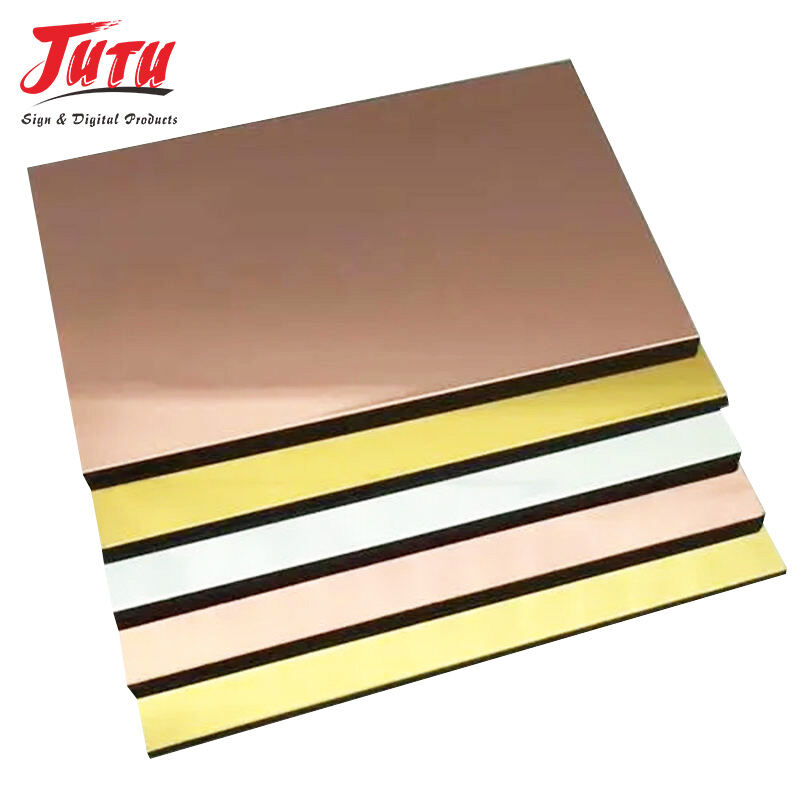
Polyethylene core aluminium composite panels provide unmatched design flexibility and installation efficiency that empowers architects and contractors to achieve complex architectural visions while maintaining project schedules and budgets. The formability of these panels allows fabrication into curved surfaces, sharp angles, and three-dimensional shapes that create distinctive building appearances. Standard metalworking tools and techniques can cut, bend, and shape polyethylene core aluminium composite panels without specialized equipment or extensive training requirements. The lightweight construction of polyethylene core aluminium composite panels simplifies handling and installation procedures, reducing labor costs and safety risks during construction. Two workers can typically manage large panel sections that would require multiple personnel for heavier materials. This efficiency accelerates installation schedules and reduces overall project timelines. Modular installation systems allow polyethylene core aluminium composite panels to be mounted using various attachment methods, including mechanical fasteners, structural glazing, and rail systems. These options provide flexibility to accommodate different building designs and structural requirements. The dimensional stability of polyethylene core aluminium composite panels ensures consistent fit and finish throughout large building projects. Precision manufacturing tolerances eliminate gaps or alignment issues that could compromise appearance or weather sealing. Surface finishing options for polyethylene core aluminium composite panels include brushed, mirror, textured, and digitally printed surfaces that support unlimited design possibilities. Custom colors and patterns can be applied to match specific architectural requirements or corporate branding needs. The panels accept adhesive graphics and signage applications, making them ideal for commercial and retail environments. Fabrication processes allow integration of windows, doors, and other building elements directly into polyethylene core aluminium composite panels, creating seamless building envelopes. Pre-fabrication capabilities enable off-site manufacturing and quality control, reducing on-site construction time and weather-related delays. The design flexibility of polyethylene core aluminium composite panels supports both new construction and renovation projects, adapting to existing structural conditions while providing modern appearances and enhanced performance characteristics.