Professional Aluminium Composite Panel Fabrication Services - Superior Quality & Precision Manufacturing

Get a Free Quote

Our representative will contact you soon.
Email
Name
Company Name
Message
0/1000

aluminium composite panel fabrication

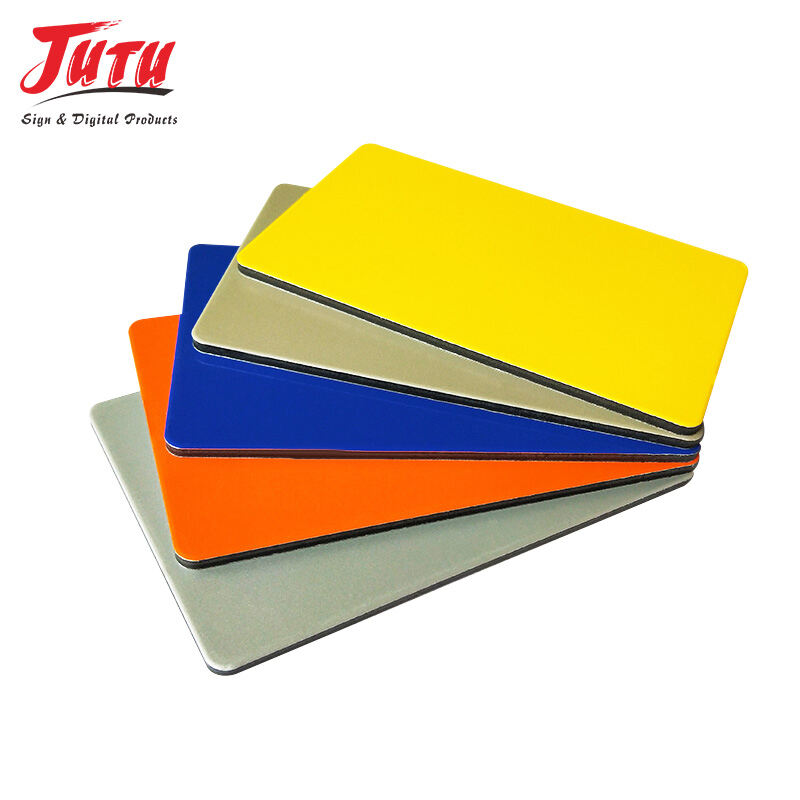
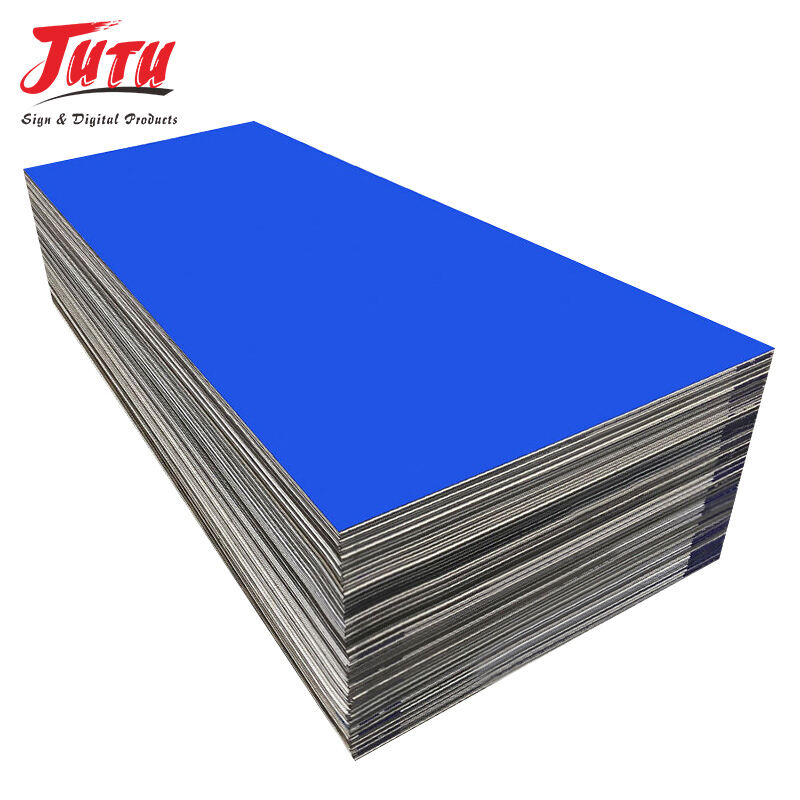
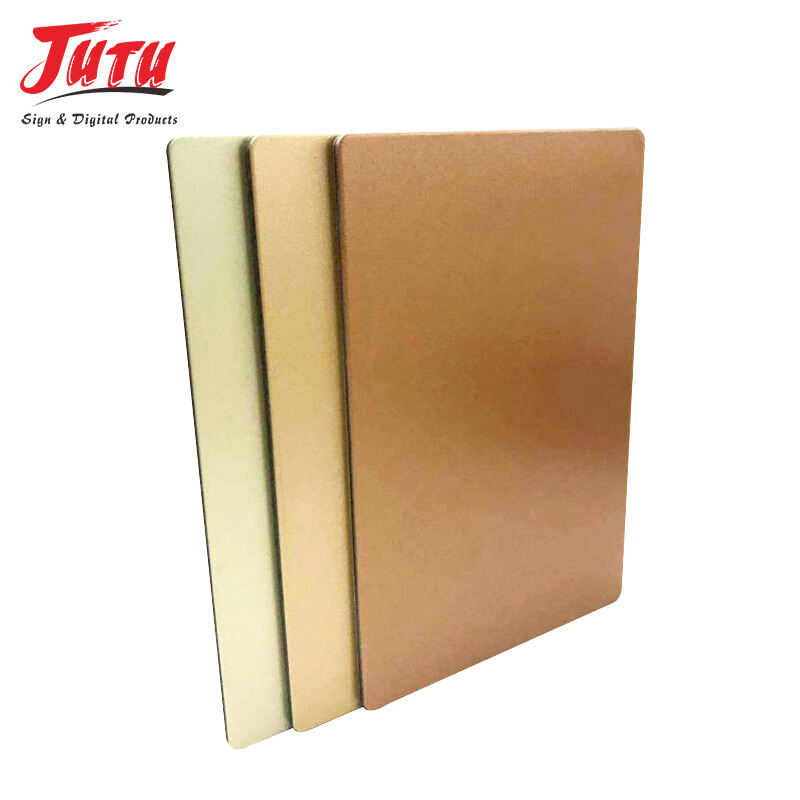
Aluminium composite panel fabrication represents a sophisticated manufacturing process that creates lightweight, durable building materials through the bonding of aluminum sheets with a polyethylene core. This advanced fabrication technique produces panels that serve multiple functions in modern construction, including exterior cladding, interior decoration, signage, and architectural elements. The manufacturing process involves precise lamination of two aluminum sheets, typically ranging from 0.21mm to 0.5mm thickness, with a thermoplastic core material that provides structural integrity and insulation properties. The technological features of aluminium composite panel fabrication include computer-controlled cutting systems, precision bending equipment, and specialized coating applications that ensure consistent quality and dimensional accuracy. These panels demonstrate exceptional weather resistance, maintaining their appearance and structural properties under extreme environmental conditions including UV exposure, temperature fluctuations, and moisture variations. The fabrication process incorporates advanced surface treatments such as PVDF coating, polyester finishing, and anodizing techniques that enhance corrosion resistance and aesthetic appeal. Applications for aluminium composite panel fabrication span across commercial buildings, residential projects, transportation infrastructure, and industrial facilities. The versatility of this fabrication method allows for custom shapes, sizes, and finishes that meet specific architectural requirements. Modern fabrication facilities utilize CNC machinery and automated production lines to achieve precise tolerances and consistent panel quality. The core material options in aluminium composite panel fabrication include fire-retardant polyethylene, mineral-filled cores, and honeycomb structures that provide varying degrees of fire resistance and structural performance. Quality control measures throughout the fabrication process ensure that each panel meets international standards for flatness, bond strength, and surface finish. The manufacturing technique also incorporates environmental considerations, with recyclable materials and energy-efficient production methods that minimize waste and reduce carbon footprint during the aluminium composite panel fabrication process.

Popular Products

Aluminium composite panel fabrication delivers substantial cost savings compared to traditional building materials while providing superior performance characteristics. The lightweight nature of these fabricated panels reduces structural load requirements, allowing architects and engineers to design more economical foundation and framework systems. Installation costs decrease significantly due to the manageable weight and standardized mounting systems that speed up construction timelines. The fabrication process creates panels with exceptional dimensional stability, preventing warping, bowing, or distortion that commonly affects other cladding materials over time. Maintenance requirements remain minimal throughout the panel lifespan, as the fabricated surface resists staining, fading, and degradation from environmental exposure. The smooth, non-porous finish created during aluminium composite panel fabrication prevents dirt accumulation and allows for easy cleaning with standard washing techniques. Energy efficiency improves substantially when these fabricated panels form part of building envelope systems, providing thermal insulation that reduces heating and cooling costs. The fabrication process enables unlimited color options and surface textures, giving designers creative freedom while maintaining consistent quality across large projects. Weather resistance proves exceptional, with fabricated panels withstanding extreme temperatures, high winds, and corrosive atmospheric conditions without deterioration. The manufacturing precision achieved through modern aluminium composite panel fabrication ensures perfect panel alignment and seamless integration with other building components. Fire safety ratings meet or exceed international building codes when appropriate core materials are selected during the fabrication process. Acoustic properties enhance building comfort by reducing external noise transmission through the composite panel structure. The fabrication technique produces panels with superior impact resistance, protecting building interiors from damage caused by hail, debris, or accidental contact. Environmental benefits include recyclability at end-of-life and reduced material waste during the fabrication process. Quality consistency across production batches ensures that replacement panels match existing installations perfectly. The versatility of aluminium composite panel fabrication accommodates complex architectural geometries, curved surfaces, and custom shapes without compromising structural integrity. Long-term value proposition remains strong due to extended service life, minimal maintenance costs, and sustained aesthetic appearance that protects property values over decades.

Practical Tips

Acrylic Board Manufacturers: Shaping the Future of Plastics

07

Nov

Acrylic Board Manufacturers: Shaping the Future of Plastics

Acrylic boards have become indispensable in industries like construction, automotive, and healthcare. Their durability, transparency, and versatility make them a preferred material for diverse applications. Acrylic board manufacturers continue to inn...
View More
Honeycomb Board Furniture: A New Dimension in Comfort

07

Nov

Honeycomb Board Furniture: A New Dimension in Comfort

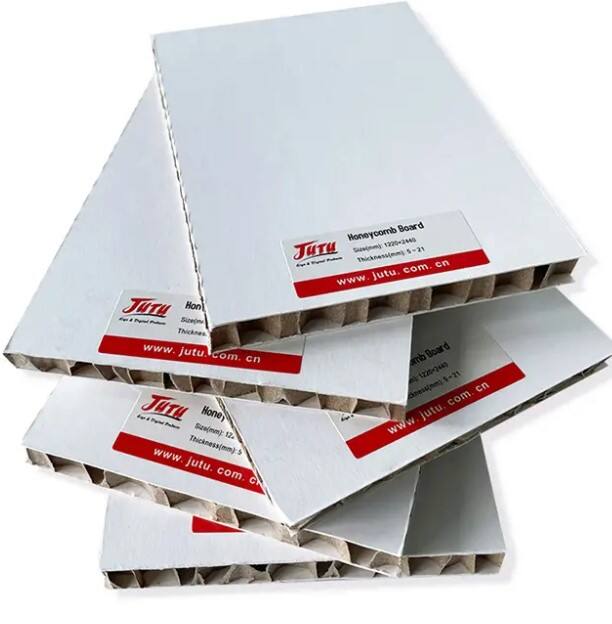
Imagine furniture that's lightweight, durable, and eco-friendly. Honeycomb Board Furniture is revolutionizing how you think about design and sustainability. Its unique structure offers endless possibilities for modern living. You’ll love how it...
View More
PVC Celuka Foam Sheets: A Lightweight Solution for Heavy Industries

07

Nov

PVC Celuka Foam Sheets: A Lightweight Solution for Heavy Industries

PVC Celuka Foam Sheets offer exceptional strength and durability, making them indispensable in heavy industries. Their resistance to chemicals, moisture, and fire ensures reliability in demanding environments. These sheets enhance industrial efficien...
View More
Why Acrylic Board Manufacturers are Essential for Your Business

07

Nov

Why Acrylic Board Manufacturers are Essential for Your Business

The Strategic Value of Acrylic Board Manufacturers in Business Growth Ensuring Material Quality & Consistency The folks who make acrylic boards really matter when it comes to keeping materials good quality and consistent throughout production runs. ...
View More

Get a Free Quote

Our representative will contact you soon.
Email
Name
Company Name
Message
0/1000

aluminium composite panel fabrication

Advanced Manufacturing Precision and Quality Control

Advanced Manufacturing Precision and Quality Control

The aluminium composite panel fabrication process employs state-of-the-art manufacturing technologies that deliver unprecedented precision and quality consistency. Modern fabrication facilities utilize computer-controlled machinery that maintains tolerances within microns, ensuring each panel meets exact specifications regardless of production volume. The sophisticated bonding process involves controlled temperature and pressure applications that create molecular-level adhesion between aluminum sheets and core materials. Quality control systems monitor every stage of aluminium composite panel fabrication, from raw material inspection through final product testing. Advanced testing equipment verifies bond strength, flatness tolerances, coating adhesion, and dimensional accuracy before panels leave the manufacturing facility. The fabrication process incorporates multiple checkpoints where panels undergo visual inspection, thickness measurement, and surface quality assessment. Automated systems detect and reject panels that fail to meet stringent quality standards, ensuring only premium products reach customers. The controlled manufacturing environment eliminates variables that could affect panel performance, including humidity, temperature fluctuations, and contamination sources. Specialized coating application systems during aluminium composite panel fabrication ensure uniform finish thickness and color consistency across entire production runs. The manufacturing process includes stress-testing procedures that simulate decades of environmental exposure to verify long-term performance characteristics. Batch tracking systems maintain complete traceability throughout the fabrication process, enabling rapid identification and resolution of any quality concerns. The precision achieved through modern aluminium composite panel fabrication techniques eliminates field adjustment requirements, reducing installation time and associated labor costs. Advanced surface preparation methods remove microscopic contaminants that could compromise adhesion or finish quality. The fabrication process incorporates redundant quality measures that prevent defective products from entering the supply chain while maintaining production efficiency and cost effectiveness.
Exceptional Durability and Weather Resistance Performance

Exceptional Durability and Weather Resistance Performance

Aluminium composite panel fabrication creates building materials that demonstrate remarkable longevity and weather resistance under the most challenging environmental conditions. The manufacturing process bonds aluminum sheets with advanced polymer cores that resist thermal expansion and contraction cycles that cause other materials to fail prematurely. Specialized coating systems applied during aluminium composite panel fabrication provide multiple layers of protection against UV radiation, preventing color fading and surface degradation over extended exposure periods. The fabricated panels maintain structural integrity during extreme weather events, including hurricane-force winds, hail storms, and seismic activity that compromise traditional cladding systems. Corrosion resistance proves exceptional due to the protective aluminum oxide layer that forms naturally on fabricated panel surfaces, providing self-healing protection against atmospheric pollutants and salt spray exposure. The composite structure created through aluminium composite panel fabrication distributes stress loads evenly across the panel surface, preventing localized failure points that develop in homogeneous materials. Thermal cycling tests demonstrate that fabricated panels withstand thousands of freeze-thaw cycles without delamination or surface cracking. The manufacturing process creates panels with superior moisture resistance, preventing water infiltration that causes structural damage and mold growth in building envelopes. Advanced polymer cores used in aluminium composite panel fabrication maintain their properties across temperature ranges from -50°C to +80°C without becoming brittle or soft. Impact resistance testing confirms that fabricated panels absorb energy from flying debris without puncturing or creating openings in building exteriors. The surface treatments applied during fabrication provide chemical resistance against acid rain, industrial pollutants, and cleaning solvents commonly encountered in urban environments. Long-term exposure studies spanning multiple decades confirm that properly fabricated panels retain their appearance and performance characteristics throughout their service life. The durability achieved through aluminium composite panel fabrication reduces lifecycle costs by eliminating premature replacement requirements and minimizing maintenance interventions that interrupt building operations.
Versatile Design Flexibility and Architectural Integration

Versatile Design Flexibility and Architectural Integration

The aluminium composite panel fabrication process offers unmatched design flexibility that enables architects to realize complex architectural visions while maintaining practical construction requirements. Advanced forming techniques allow fabricated panels to conform to curved surfaces, angular geometries, and compound curves that would be impossible with rigid materials like stone or concrete. The manufacturing process accommodates virtually unlimited color options through sophisticated coating systems that produce consistent finishes across large architectural projects. Custom fabrication capabilities include perforation patterns, surface textures, and dimensional variations that create unique aesthetic effects while maintaining structural performance. The lightweight characteristics of fabricated panels enable dramatic cantilevers, large unsupported spans, and innovative facade systems that challenge traditional architectural limitations. Aluminium composite panel fabrication supports integration with glazing systems, creating seamless transitions between opaque and transparent building elements. The precision manufacturing process ensures perfect panel alignment and consistent reveal dimensions that are critical for contemporary architectural aesthetics. Fabrication techniques accommodate building movement through expansion joint details and flexible connection systems that prevent stress concentration at panel interfaces. The modular nature of fabricated panels facilitates phased construction schedules and enables future modifications without compromising adjacent building elements. Surface preparation options during aluminium composite panel fabrication include brushed finishes, mirror polishes, wood grain textures, and stone-like appearances that satisfy diverse design preferences. The fabrication process supports complex panel geometries including tapered sections, compound angles, and three-dimensional forms that create distinctive architectural signatures. Integration with building systems proves seamless through coordination of panel fabrication with mechanical, electrical, and plumbing requirements. The manufacturing flexibility enables rapid prototyping and sample production that allows architects to evaluate design concepts before committing to full-scale fabrication. Sustainable design goals are supported through aluminium composite panel fabrication techniques that minimize material waste and incorporate recycled content without compromising performance or appearance standards.