Wood Aluminum Composite Panel: Superior Cladding Solutions for Modern Construction

Get a Free Quote

Our representative will contact you soon.
Email
Name
Company Name
Message
0/1000

wood aluminum composite panel

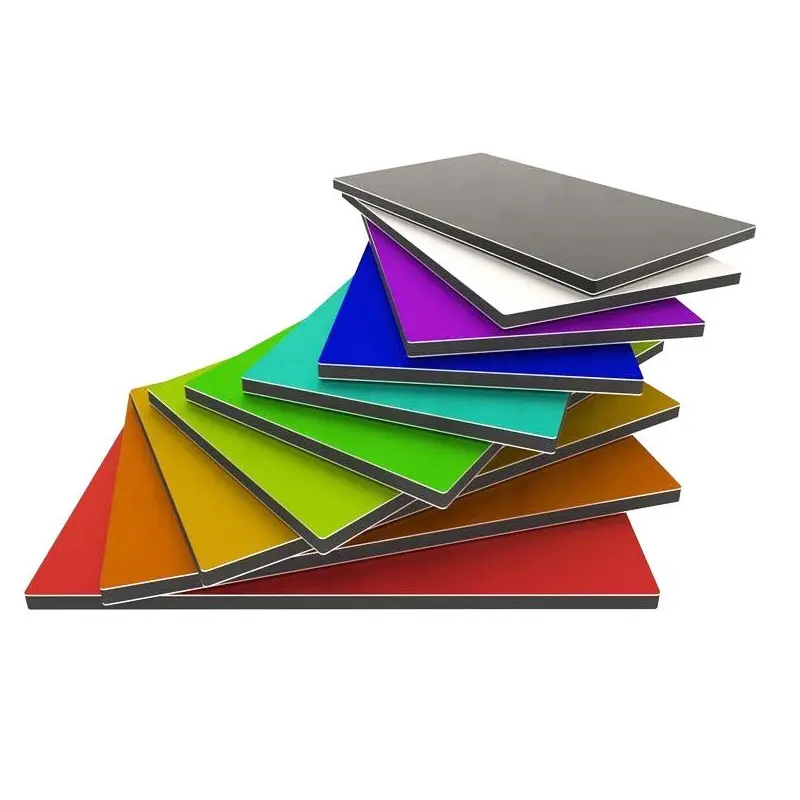
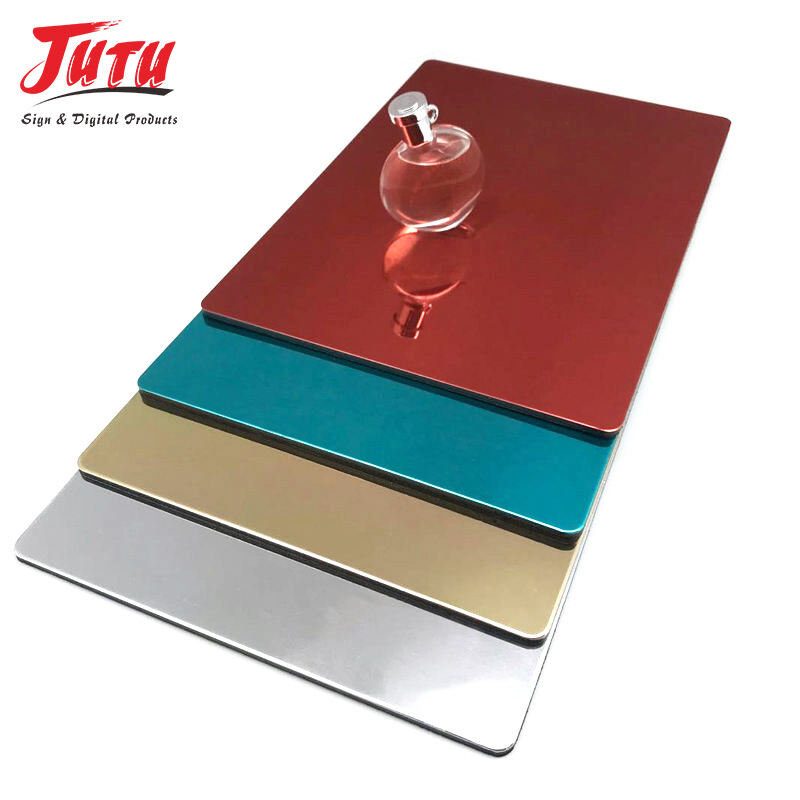
The wood aluminum composite panel represents a revolutionary building material that combines the natural beauty of wood with the durability and strength of aluminum. This innovative composite solution consists of two aluminum sheets bonded to a wood-based core, creating a lightweight yet robust panel system ideal for both interior and exterior applications. The wood aluminum composite panel offers architects, designers, and builders a versatile material that delivers exceptional performance while maintaining aesthetic appeal. The technological framework behind this material involves advanced bonding techniques that ensure superior adhesion between the aluminum exterior and wood interior components. The manufacturing process utilizes high-pressure lamination methods that create a seamless integration of materials, resulting in panels that resist warping, cracking, and delamination over time. The wood core typically consists of sustainably sourced timber or engineered wood products that provide structural integrity and thermal insulation properties. Meanwhile, the aluminum facings offer protection against moisture, UV radiation, and environmental weathering conditions. Primary functions of the wood aluminum composite panel include structural support, weather protection, thermal insulation, and decorative enhancement for building facades, interior walls, and architectural features. The panel system serves as an effective barrier against external elements while maintaining breathability that prevents moisture accumulation within wall assemblies. Temperature regulation becomes achievable through the natural insulating properties of the wood core, reducing energy consumption for heating and cooling systems. The wood aluminum composite panel also functions as a fire-resistant barrier when manufactured with appropriate fire-retardant treatments, meeting stringent building codes and safety requirements. Applications span across residential, commercial, and industrial construction projects, including exterior cladding systems, interior partition walls, ceiling installations, and decorative architectural elements. The versatility of the wood aluminum composite panel makes it suitable for modern office buildings, residential complexes, retail establishments, and institutional facilities where both performance and aesthetics matter significantly.

New Product Releases

The wood aluminum composite panel delivers numerous practical benefits that make it an excellent choice for modern construction projects. Durability stands as the primary advantage, as the aluminum exterior provides exceptional resistance to corrosion, impact damage, and environmental degradation. Unlike traditional wood siding that requires frequent maintenance and replacement, the wood aluminum composite panel maintains its structural integrity and appearance for decades with minimal upkeep. The aluminum skin protects the wood core from moisture penetration, preventing rot, decay, and insect damage that commonly affect conventional wood materials. Cost-effectiveness emerges as another significant benefit, as the wood aluminum composite panel reduces long-term maintenance expenses while providing superior performance compared to alternative materials. Installation costs remain competitive due to the lightweight nature of the panels, which reduces structural loading requirements and simplifies handling procedures during construction. Energy efficiency improvements result from the excellent thermal insulation properties of the wood core, which helps regulate interior temperatures and reduces heating and cooling costs throughout the building's lifespan. The wood aluminum composite panel creates effective thermal bridges that minimize heat transfer between interior and exterior environments. Environmental sustainability represents a crucial advantage, as the wood aluminum composite panel incorporates renewable wood resources while maximizing material efficiency through its composite design. The aluminum components remain fully recyclable at the end of the panel's service life, supporting circular economy principles and reducing environmental impact. Design flexibility allows architects and designers to achieve diverse aesthetic outcomes while maintaining structural performance standards. The wood aluminum composite panel accepts various finishes, colors, and textures that complement different architectural styles and design preferences. Weather resistance capabilities ensure consistent performance across different climatic conditions, from extreme heat and cold to high humidity and precipitation levels. The wood aluminum composite panel maintains dimensional stability under temperature fluctuations, preventing warping and distortion that can compromise building envelope integrity. Fire safety benefits include natural fire resistance characteristics when properly treated, providing additional protection for building occupants and property. The composite structure creates barriers that slow fire spread while maintaining structural stability during emergency situations. Installation advantages include reduced labor requirements and simplified mounting systems that accelerate project completion timelines while ensuring proper panel alignment and securement.

Latest News

Aluminum Composite Plates: Versatility at Its Best

07

Nov

Aluminum Composite Plates: Versatility at Its Best

Exploring the Flexibility of Aluminum Composite Plates Aluminum Composite Plates have become a cornerstone material in modern architecture, advertising, and industrial design. Known for their strength, lightweight structure, and aesthetic flexibility...
View More
Why Honeycomb Board Furniture is Taking the Market by Storm

07

Nov

Why Honeycomb Board Furniture is Taking the Market by Storm

Introduction to Honeycomb Board Furniture Honeycomb board furniture has rapidly gained popularity across the global furniture industry due to its combination of lightweight design, high strength, and sustainability. Made from paper, aluminum, or comp...
View More
Honeycomb Board Furniture: A New Dimension in Comfort

07

Nov

Honeycomb Board Furniture: A New Dimension in Comfort

Imagine furniture that's lightweight, durable, and eco-friendly. Honeycomb Board Furniture is revolutionizing how you think about design and sustainability. Its unique structure offers endless possibilities for modern living. You’ll love how it...
View More
PP Corrugated Sheets for Temporary Structures and Event Signage

06

Jan

PP Corrugated Sheets for Temporary Structures and Event Signage

PP corrugated sheets have emerged as a revolutionary material in the construction and signage industries, offering unparalleled versatility for temporary structures and event displays. These lightweight yet durable plastic sheets provide an ideal sol...
View More

Get a Free Quote

Our representative will contact you soon.
Email
Name
Company Name
Message
0/1000

wood aluminum composite panel

Superior Weather Protection and Longevity

Superior Weather Protection and Longevity

The wood aluminum composite panel excels in providing exceptional weather protection that significantly extends building envelope lifespan while reducing maintenance requirements. The aluminum exterior surface creates an impermeable barrier against rain, snow, ice, and wind-driven moisture that would otherwise penetrate and damage traditional wood materials. This protective skin prevents water infiltration that leads to rot, mold growth, and structural deterioration in conventional building systems. The weather resistance capabilities of the wood aluminum composite panel remain consistent across diverse climatic zones, from coastal environments with high salt exposure to desert regions with intense UV radiation and extreme temperature variations. The aluminum facing resists corrosion even when exposed to acidic precipitation or industrial pollutants that would quickly degrade other materials. UV stability ensures that the wood aluminum composite panel maintains its color and surface integrity without fading, chalking, or becoming brittle over extended exposure periods. This durability translates into substantial cost savings for property owners who would otherwise face frequent repairs, refinishing, or replacement of traditional exterior materials. The composite construction method prevents the common issues associated with wood expansion and contraction cycles that cause cracking, splitting, and joint separation in conventional siding systems. Temperature fluctuations that would cause significant movement in solid wood materials have minimal impact on the wood aluminum composite panel due to the dimensional stability provided by the aluminum facings. Wind resistance capabilities exceed those of many alternative cladding materials, as the composite structure distributes loads effectively across the entire panel surface rather than concentrating stress at individual attachment points. The long-term performance of the wood aluminum composite panel reduces the environmental impact associated with frequent material replacement while providing property owners with predictable maintenance schedules and costs. Professional installation teams appreciate the consistent quality and dimensional accuracy of the wood aluminum composite panel, which eliminates the variability often encountered with natural wood products that may contain defects, moisture content variations, or dimensional irregularities that complicate installation procedures.
Outstanding Thermal Performance and Energy Efficiency

Outstanding Thermal Performance and Energy Efficiency

The thermal performance characteristics of the wood aluminum composite panel deliver exceptional energy efficiency benefits that significantly reduce heating and cooling costs while improving interior comfort levels throughout all seasons. The wood core component provides natural insulation properties that effectively resist heat transfer between interior and exterior environments, creating a thermal barrier that maintains consistent indoor temperatures with reduced HVAC system workload. Unlike solid aluminum or steel panels that conduct heat readily, the wood aluminum composite panel interrupts thermal bridging through its composite design, preventing hot or cold exterior conditions from directly affecting interior spaces. The cellular structure of the wood core traps air pockets that enhance insulation effectiveness while maintaining structural strength and dimensional stability under varying temperature conditions. This thermal mass effect helps moderate indoor temperature fluctuations by absorbing excess heat during warm periods and releasing stored thermal energy when exterior temperatures drop. The wood aluminum composite panel contributes to overall building energy efficiency by reducing thermal cycling stress on HVAC equipment, extending system lifespan while lowering maintenance requirements. Energy modeling studies consistently demonstrate that buildings incorporating wood aluminum composite panel systems achieve superior thermal performance ratings compared to structures using single-material cladding options. The improved thermal envelope reduces peak heating and cooling loads, allowing for smaller, more efficient mechanical systems that consume less energy while providing equivalent comfort levels. Condensation control represents another critical thermal benefit, as the wood aluminum composite panel design prevents moisture accumulation that can lead to mold growth, structural damage, and indoor air quality problems. The aluminum exterior surface maintains temperatures above dew point levels under most conditions, while the wood core provides vapor permeability that allows moisture to escape rather than accumulate within wall assemblies. Building owners who invest in wood aluminum composite panel systems typically realize energy cost savings within the first few years of installation, with cumulative savings continuing throughout the panel's extended service life. Professional energy audits frequently identify the wood aluminum composite panel as a cost-effective upgrade that improves building performance ratings while qualifying for various energy efficiency incentive programs and green building certifications.
Exceptional Design Versatility and Aesthetic Appeal

Exceptional Design Versatility and Aesthetic Appeal

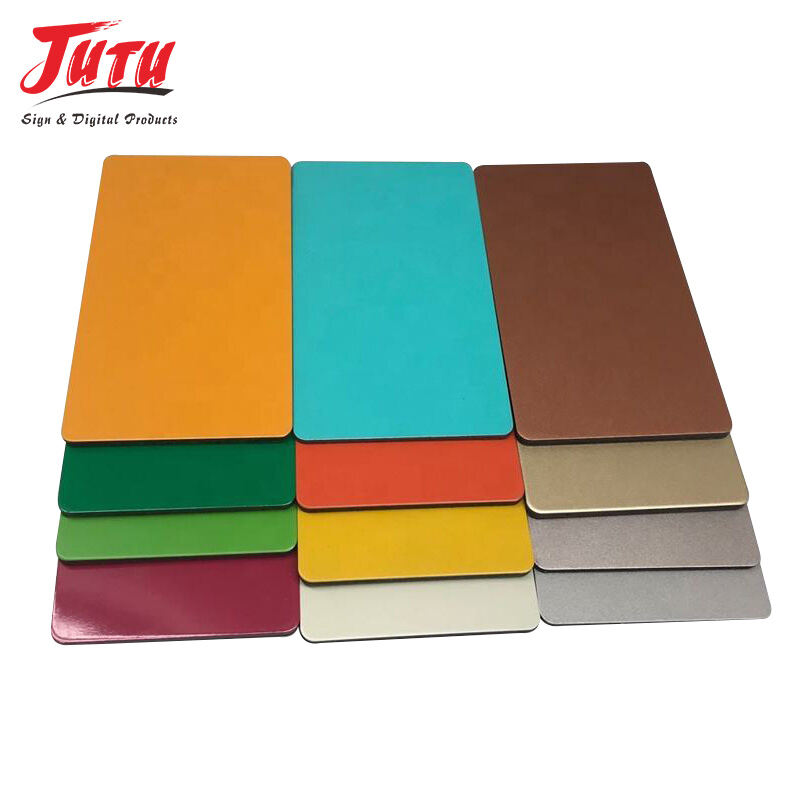
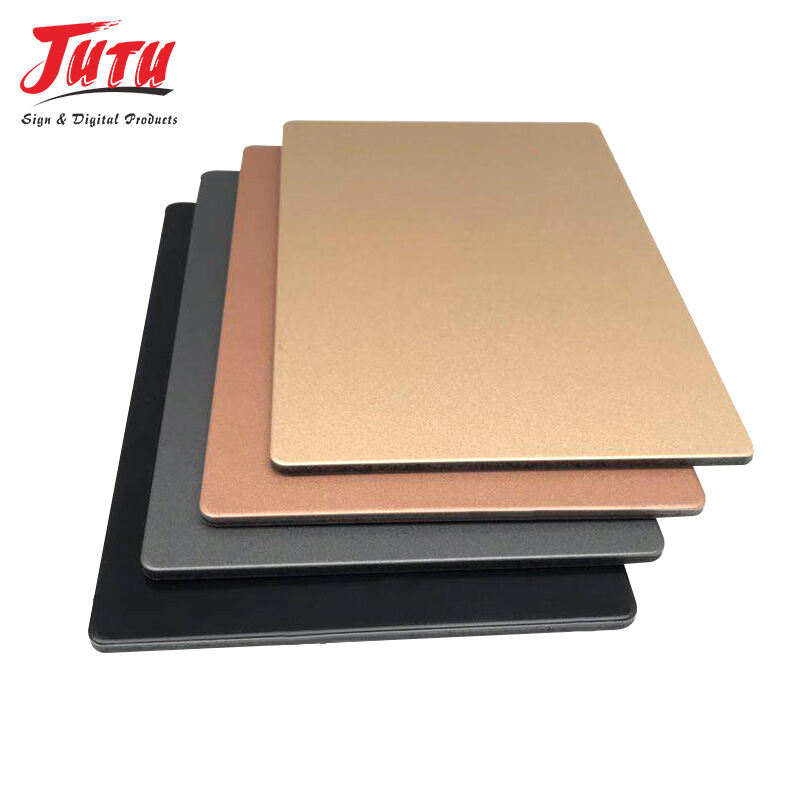
The design versatility of the wood aluminum composite panel provides architects, designers, and builders with unprecedented creative freedom while maintaining structural performance and weather protection standards. The composite construction allows for diverse finishing options that can replicate natural wood grain patterns, modern metallic appearances, or custom textures that complement specific architectural themes and design objectives. Surface treatment possibilities include powder coating, anodizing, wood grain printing, and specialty finishes that achieve desired aesthetic outcomes while preserving the protective qualities of the aluminum exterior. Color stability remains consistent throughout the wood aluminum composite panel's service life, as the aluminum surface resists fading and discoloration that commonly affect organic materials exposed to UV radiation and environmental conditions. The manufacturing flexibility enables custom panel dimensions, shapes, and configurations that accommodate unique architectural features, curved surfaces, and complex building geometries that would be difficult or impossible to achieve with conventional materials. Installation versatility allows the wood aluminum composite panel to function effectively in both ventilated rainscreen systems and direct-applied cladding applications, providing designers with multiple installation options that suit different performance requirements and budget considerations. The lightweight characteristics of the wood aluminum composite panel reduce structural loading on building frames while simplifying handling and installation procedures that can accommodate challenging site conditions or retrofit applications where weight limitations are critical. Panel-to-panel connection systems provide clean, consistent joint lines that enhance the overall appearance of building facades while maintaining weather-tight seals that prevent water and air infiltration. The wood aluminum composite panel accepts standard fastening methods and mounting hardware, ensuring compatibility with existing construction techniques while offering improved performance over traditional materials. Maintenance advantages include easy cleaning procedures that restore original appearance without specialized equipment or chemical treatments that would be required for natural wood surfaces. The non-porous aluminum surface resists staining, graffiti, and biological growth that can detract from building appearance and require expensive remediation procedures. Long-term color and texture retention ensure that the wood aluminum composite panel maintains its intended aesthetic impact throughout its service life, preserving property values and eliminating the need for periodic refinishing that adds ongoing maintenance costs to building operations budgets.