Premium Aluminium Plastic Composite Panel Solutions - Durable, Versatile Building Materials

Get a Free Quote

Our representative will contact you soon.
Email
Name
Company Name
Message
0/1000

aluminium plastic composite panel

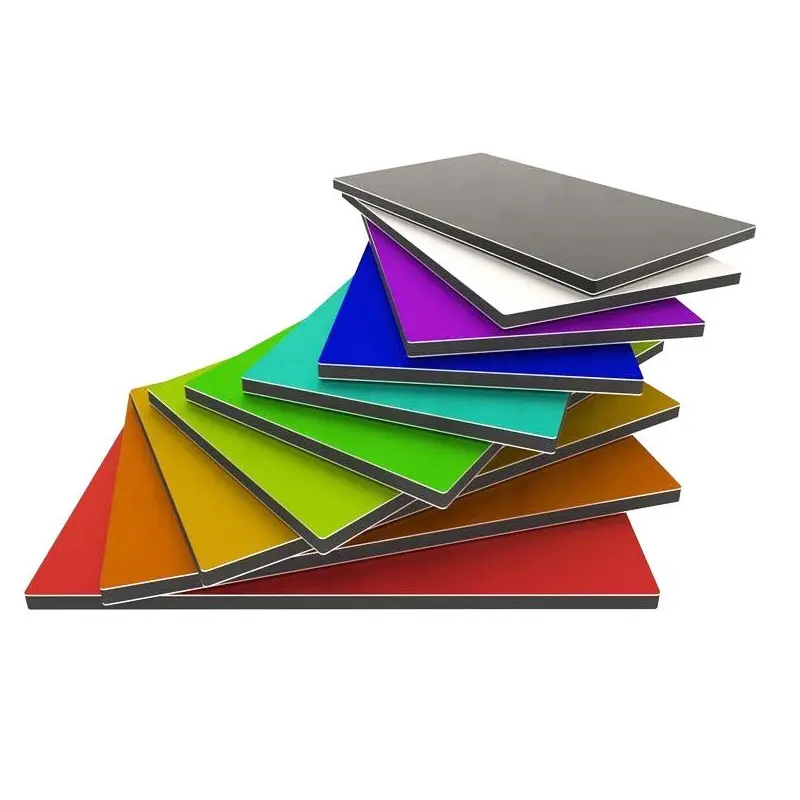
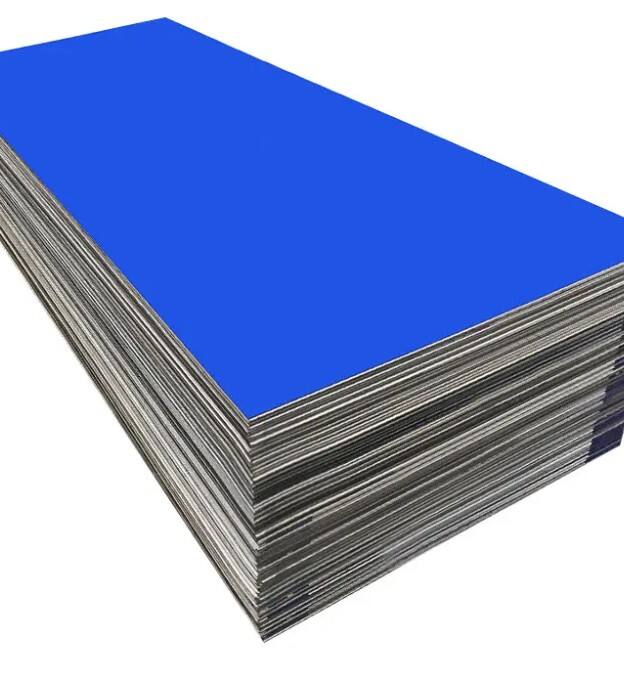
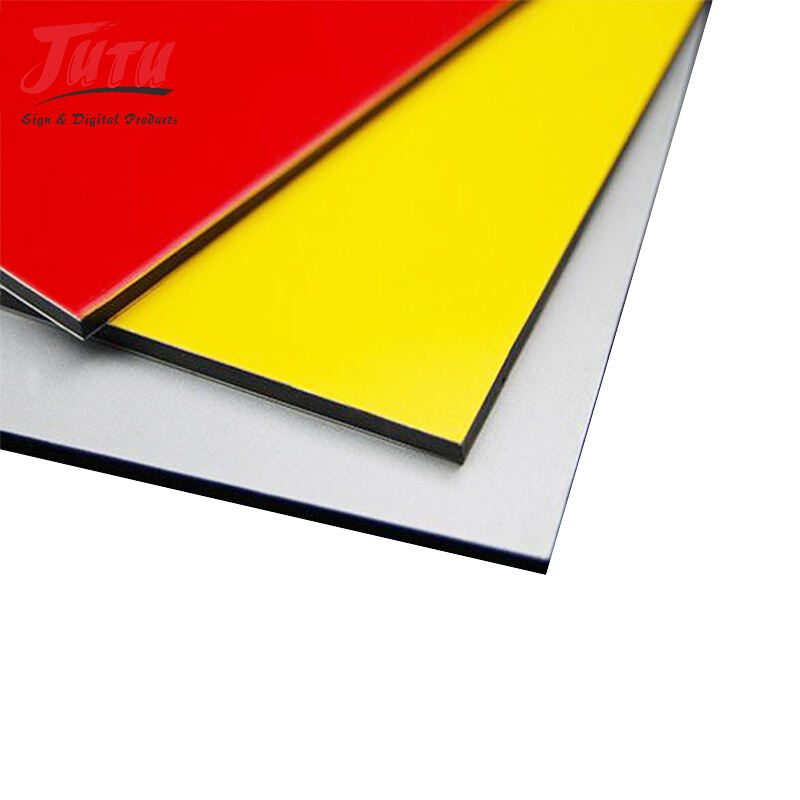
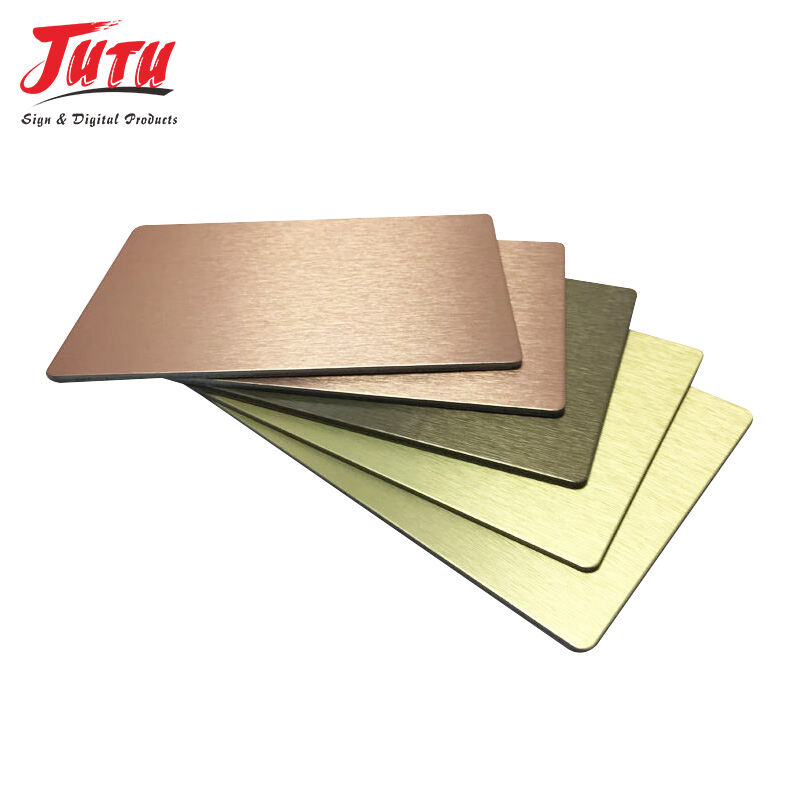
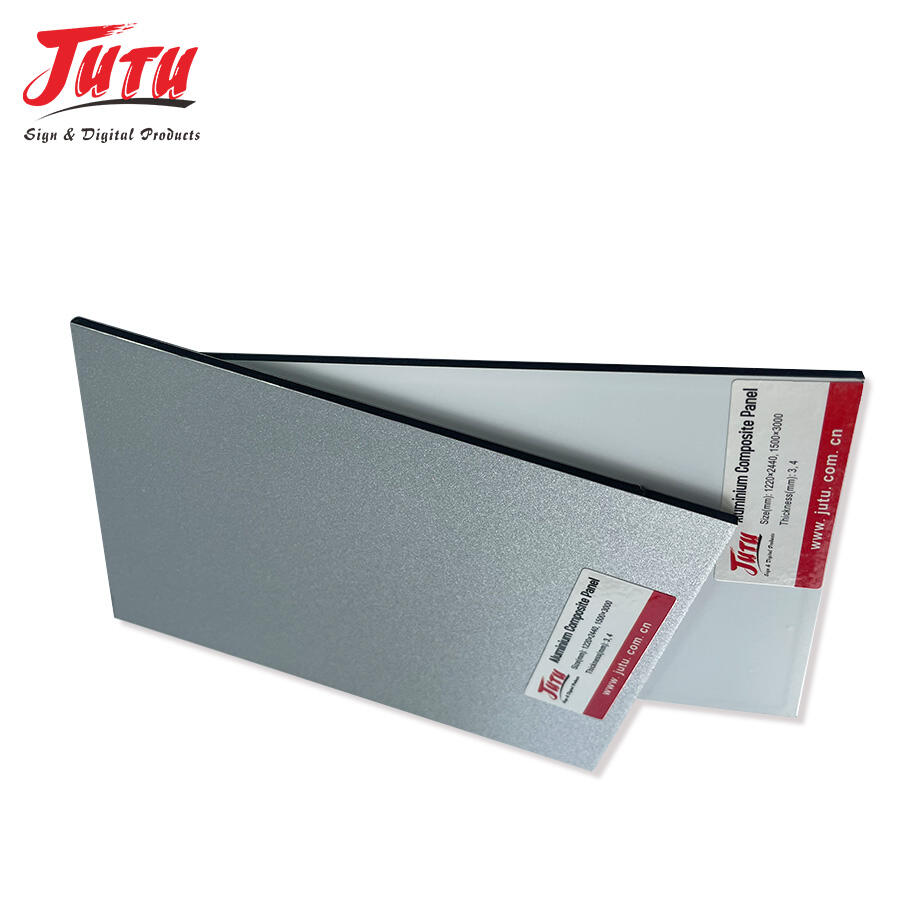
Aluminium plastic composite panel represents a revolutionary building material that combines the strength of aluminum with the versatility of plastic core materials. This innovative construction solution consists of two thin aluminum sheets bonded to a polyethylene core, creating a lightweight yet durable panel system. The aluminium plastic composite panel features a unique three-layer structure that delivers exceptional performance across various architectural applications. The outer aluminum layers provide superior weather resistance, corrosion protection, and aesthetic appeal, while the inner plastic core offers excellent insulation properties and flexibility. Manufacturing processes for aluminium plastic composite panel involve advanced lamination techniques that ensure perfect adhesion between layers, resulting in a homogeneous material with consistent quality. These panels typically measure 3-6mm in thickness, with standard dimensions reaching up to 2440mm in width and 6000mm in length. The aluminium plastic composite panel surface can be treated with various finishes including polyester coating, PVDF coating, or anodizing treatments, providing architects and designers with extensive customization options. Technological features include fire-resistant variants that meet international safety standards, ensuring compliance with building regulations worldwide. The core material options range from standard polyethylene to mineral-filled cores for enhanced fire performance. Installation methods for aluminium plastic composite panel systems utilize mechanical fixing systems or structural glazing techniques, accommodating both ventilated and non-ventilated facade applications. Quality control measures during production ensure dimensional stability, color consistency, and long-term performance reliability. Applications span commercial buildings, residential projects, industrial facilities, and transportation infrastructure, demonstrating the versatility of aluminium plastic composite panel solutions in modern construction.

New Products

Aluminium plastic composite panel offers substantial cost savings compared to traditional building materials like solid aluminum, natural stone, or ceramic tiles. Property developers and architects choose these panels because they reduce material costs by up to 40% while maintaining premium aesthetic appeal. Installation expenses decrease significantly due to the lightweight nature of aluminium plastic composite panel systems, requiring less structural support and reducing labor time. Maintenance costs remain minimal throughout the building's lifecycle, as these panels resist weathering, fading, and corrosion without requiring frequent repairs or replacements. The durability of aluminium plastic composite panel ensures long-term value, with warranties extending up to 20 years for premium products. Weather resistance stands as a primary advantage, protecting buildings from harsh environmental conditions including UV radiation, temperature fluctuations, rain, and wind. The aluminum outer layers create an impermeable barrier that prevents moisture infiltration, while the core material maintains dimensional stability across temperature ranges from -50°C to +80°C. Fire safety features in modern aluminium plastic composite panel products meet stringent international standards, incorporating mineral-filled cores and fire-retardant additives that limit flame spread and smoke generation. Installation versatility allows aluminium plastic composite panel to adapt to various architectural designs, from flat facades to curved surfaces and complex geometric shapes. The panels can be fabricated into custom sizes and configurations, accommodating unique project requirements without compromising structural integrity. Design flexibility extends to surface treatments, enabling architects to achieve wood grain textures, metallic finishes, solid colors, or photographic prints on aluminium plastic composite panel surfaces. Energy efficiency benefits include thermal insulation properties that reduce heating and cooling costs in buildings. The composite structure creates a thermal break that minimizes heat transfer, contributing to overall building energy performance. Processing capabilities allow for easy cutting, routing, and forming operations using standard metalworking equipment, making aluminium plastic composite panel accessible to fabricators worldwide. Quality assurance measures ensure consistent product performance, with rigorous testing protocols verifying adhesion strength, impact resistance, and environmental durability.

Practical Tips

Aluminum Composite Plates: Versatility at Its Best

07

Nov

Aluminum Composite Plates: Versatility at Its Best

Exploring the Flexibility of Aluminum Composite Plates Aluminum Composite Plates have become a cornerstone material in modern architecture, advertising, and industrial design. Known for their strength, lightweight structure, and aesthetic flexibility...
View More
Durability and Aesthetics: The Advantages of Aluminum Composite Plates

07

Nov

Durability and Aesthetics: The Advantages of Aluminum Composite Plates

Aluminum composite plates deliver an exceptional balance of durability and aesthetics. Their advanced material composition ensures strength and resilience, while their design flexibility allows for creative applications. Industries such as architectu...
View More
How PVC Foam Board Is Transforming Modern Signage Design

23

Dec

How PVC Foam Board Is Transforming Modern Signage Design

The signage industry has witnessed remarkable evolution in recent years, with PVC foam board emerging as a revolutionary material that's reshaping how businesses approach visual communication. This lightweight yet durable material has become the corn...
View More
How Paper Foam Board Supports Eco-Friendly Packaging Solutions

06

Jan

How Paper Foam Board Supports Eco-Friendly Packaging Solutions

The packaging industry is undergoing a significant transformation as businesses increasingly prioritize sustainable alternatives to traditional materials. In this shift toward environmental responsibility, paper foam board has emerged as a revolution...
View More

Get a Free Quote

Our representative will contact you soon.
Email
Name
Company Name
Message
0/1000

aluminium plastic composite panel

Superior Structural Performance and Engineering Excellence

Superior Structural Performance and Engineering Excellence

Aluminium plastic composite panel demonstrates exceptional structural performance through its scientifically engineered three-layer construction that optimizes strength-to-weight ratios for demanding architectural applications. The engineering excellence behind aluminium plastic composite panel lies in the precise bonding process between aluminum face sheets and the polyethylene core, creating a composite material that exhibits superior flexural strength compared to individual components. This structural integrity enables aluminium plastic composite panel to withstand wind loads up to 3000 Pa while maintaining dimensional stability across varying environmental conditions. The aluminum outer layers contribute tensile strength exceeding 150 MPa, while the polymer core provides impact resistance that prevents panel cracking under mechanical stress. Manufacturing precision ensures uniform thickness distribution across aluminium plastic composite panel surfaces, eliminating weak points that could compromise structural performance. Advanced adhesive systems create permanent molecular bonds between layers, preventing delamination even under extreme temperature cycling conditions. The structural design of aluminium plastic composite panel incorporates expansion joints and fixing systems that accommodate thermal movement without creating stress concentrations. Testing protocols verify that these panels maintain their mechanical properties throughout extended service life, with accelerated aging tests simulating decades of environmental exposure. Load distribution capabilities allow aluminium plastic composite panel systems to transfer forces efficiently to supporting structures, reducing localized stress points that could lead to failure. The composite nature provides redundancy in load paths, ensuring continued performance even if individual layers experience localized damage. Structural calculations demonstrate that aluminium plastic composite panel can achieve spans up to 2.5 meters between supports while maintaining acceptable deflection limits. Engineering documentation provides comprehensive design guidelines enabling architects and structural engineers to specify appropriate panel configurations for specific loading conditions. Quality control measures during production include ultrasonic testing to verify bond integrity and mechanical testing to confirm structural properties meet design specifications.
Exceptional Aesthetic Versatility and Design Innovation

Exceptional Aesthetic Versatility and Design Innovation

Aluminium plastic composite panel revolutionizes architectural design possibilities through unprecedented aesthetic versatility that enables creative expression while maintaining practical functionality. The surface treatment options for aluminium plastic composite panel encompass an extensive range of finishes, colors, and textures that satisfy diverse architectural visions from contemporary minimalism to traditional heritage styles. Digital printing technology allows architects to specify custom graphics, photographic images, or artistic patterns directly onto aluminium plastic composite panel surfaces, transforming building facades into dynamic visual displays. Color stability represents a crucial advantage, with premium coatings ensuring that aluminium plastic composite panel maintains vibrant appearance throughout extended service life without fading or chalking. The material's formability enables complex three-dimensional shapes including curved surfaces, folded geometries, and sculptural elements that would be prohibitively expensive using traditional materials. Fabrication techniques for aluminium plastic composite panel accommodate precise cutting, routing, and forming operations that create clean edges and accurate dimensions essential for professional installation. Surface preparation options include brushed finishes that mimic natural aluminum textures, smooth surfaces for contemporary applications, and embossed patterns that add tactile interest to building facades. The lightweight characteristics of aluminium plastic composite panel enable innovative cantilever designs and suspended installations that create dramatic architectural effects without requiring massive structural support systems. Coordination with other building materials becomes seamless through color matching capabilities and complementary textures that integrate aluminium plastic composite panel into comprehensive design schemes. Installation methods preserve aesthetic integrity through concealed fixing systems that eliminate visible fasteners, creating continuous surface appearances that enhance visual impact. Maintenance of aesthetic properties requires minimal intervention, as the inherent properties of aluminium plastic composite panel resist staining, graffiti, and environmental soiling that can compromise building appearance. Design freedom extends to panel sizing, with custom dimensions accommodating specific modular requirements while optimizing material utilization and reducing waste. Professional design support services help architects specify appropriate aluminium plastic composite panel configurations that achieve desired aesthetic outcomes while meeting performance requirements and budget constraints.
Outstanding Environmental Performance and Sustainability Benefits

Outstanding Environmental Performance and Sustainability Benefits

Aluminium plastic composite panel delivers exceptional environmental performance through sustainable material composition, energy-efficient manufacturing processes, and comprehensive recyclability that supports green building initiatives worldwide. The environmental advantages of aluminium plastic composite panel begin with material selection, utilizing recycled aluminum content up to 90% while maintaining structural and aesthetic properties equivalent to virgin materials. Life cycle assessment studies demonstrate that aluminium plastic composite panel systems generate significantly lower carbon footprints compared to alternative facade materials throughout manufacturing, transportation, installation, and end-of-life phases. Energy efficiency benefits extend beyond production to building operation, as the thermal properties of aluminium plastic composite panel contribute to reduced heating and cooling loads through effective insulation and thermal break characteristics. Manufacturing processes incorporate advanced emission control systems that minimize volatile organic compound releases, ensuring compliance with stringent environmental regulations and indoor air quality standards. The durability of aluminium plastic composite panel reduces replacement frequency, minimizing construction waste and resource consumption over building lifecycles spanning multiple decades. Recycling programs enable complete material recovery at end-of-service life, with aluminum components returning to metal production cycles and polymer cores processed into secondary plastic products. Transportation efficiency improves through lightweight characteristics that reduce fuel consumption during shipping, while compact packaging optimizes cargo capacity and minimizes logistics emissions. Installation waste minimization occurs through precise fabrication that eliminates on-site cutting waste, while modular design principles enable efficient material utilization rates exceeding 95%. Water consumption during production remains minimal compared to concrete or ceramic alternatives, supporting water conservation goals in manufacturing regions. Volatile organic compound emissions from installed aluminium plastic composite panel systems remain below detection limits, contributing to healthy indoor environments and LEED certification requirements. Thermal performance testing confirms that aluminium plastic composite panel facades reduce building energy consumption by up to 25% compared to conventional wall systems through improved insulation values and reduced thermal bridging. Environmental product declarations provide transparent reporting of environmental impacts, enabling architects and specifiers to make informed decisions supporting sustainable construction practices. Local sourcing opportunities reduce transportation impacts while supporting regional manufacturing capabilities and economic development in construction markets worldwide.