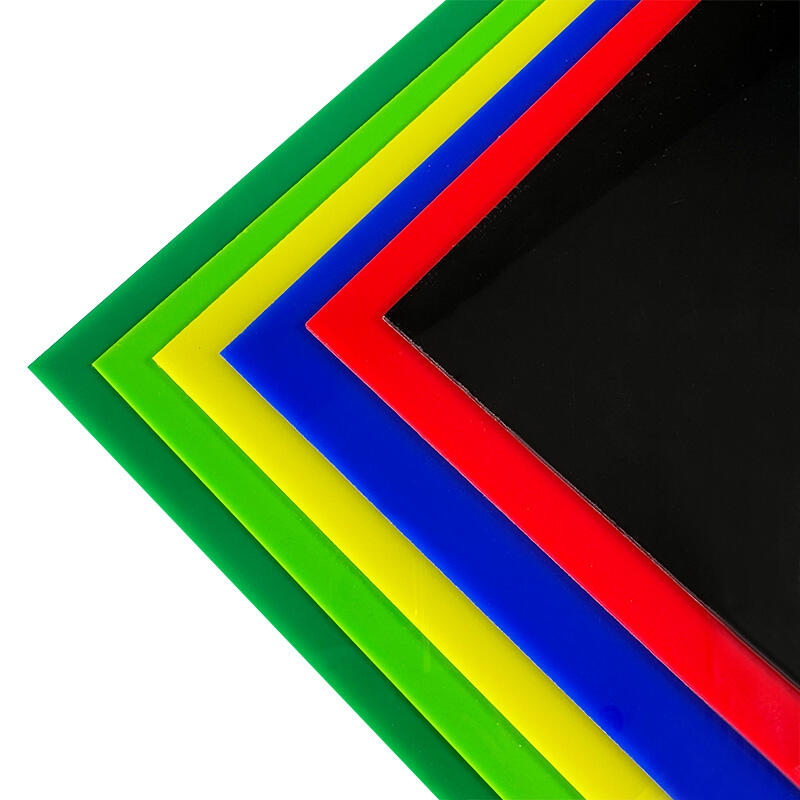
Versatile Applications and Cost-Effective Solutions
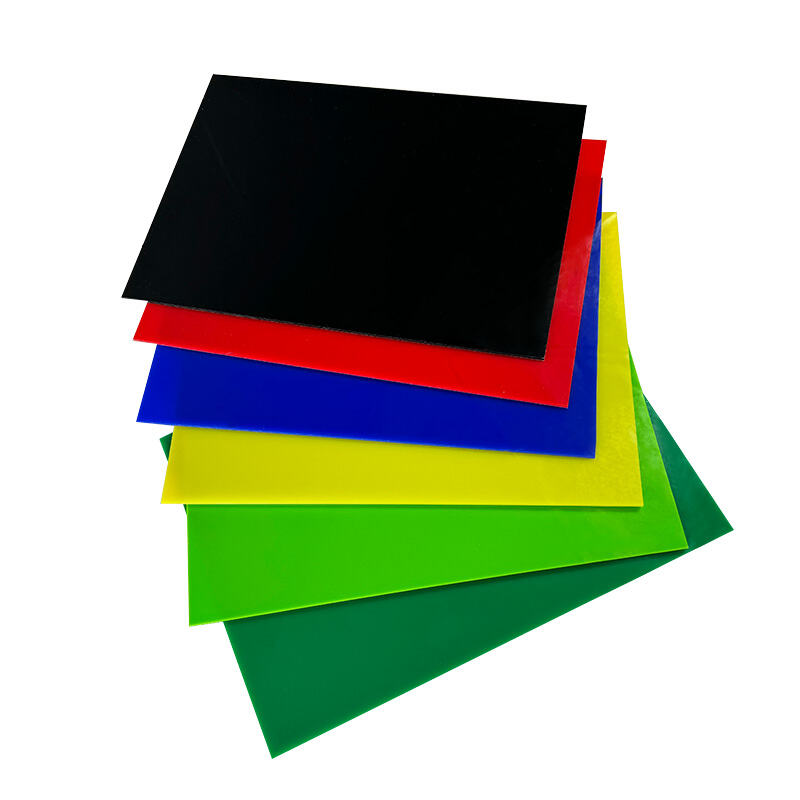
The remarkable versatility of adhesive acrylic sheet enables its successful application across numerous industries and use cases, from retail environments to industrial facilities, demonstrating its adaptability to diverse functional requirements. In retail settings, the material serves as protective barriers for display cases, point-of-sale terminals, and interactive kiosks while maintaining visual merchandising effectiveness. The cost-effectiveness becomes evident when considering the total project economics, including material costs, installation expenses, and long-term maintenance requirements compared to alternative solutions. Educational institutions utilize adhesive acrylic sheet for classroom dividers, laboratory safety barriers, and administrative protective screens that can be installed quickly without disrupting ongoing activities. Healthcare applications benefit from the material's easy cleaning properties and chemical resistance, making it ideal for patient room dividers, reception desk barriers, and equipment protection covers. The food service industry relies on adhesive acrylic sheet for sneeze guards, food display protection, and kitchen safety barriers that comply with health regulations while providing easy maintenance. Industrial applications include machinery guards, control panel protection, and inspection windows that require both transparency and quick installation capabilities. The material's compatibility with various substrates enables installation on existing surfaces without extensive preparation or modification, reducing project complexity and costs. Transportation applications utilize adhesive acrylic sheet for vehicle windows, protective barriers, and interior partitions that benefit from lightweight characteristics and shatter resistance. The architectural potential includes temporary weather protection, window upgrades, and decorative installations that require both aesthetic appeal and functional performance. The environmental benefits include recyclability and reduced energy consumption during manufacturing compared to glass alternatives, supporting sustainable building practices. The flexibility in thickness options, from thin films to substantial sheets, accommodates different structural requirements and budget constraints while maintaining consistent quality standards across the product range.
 EN
EN