Exceptional Weather Resistance and Environmental Protection
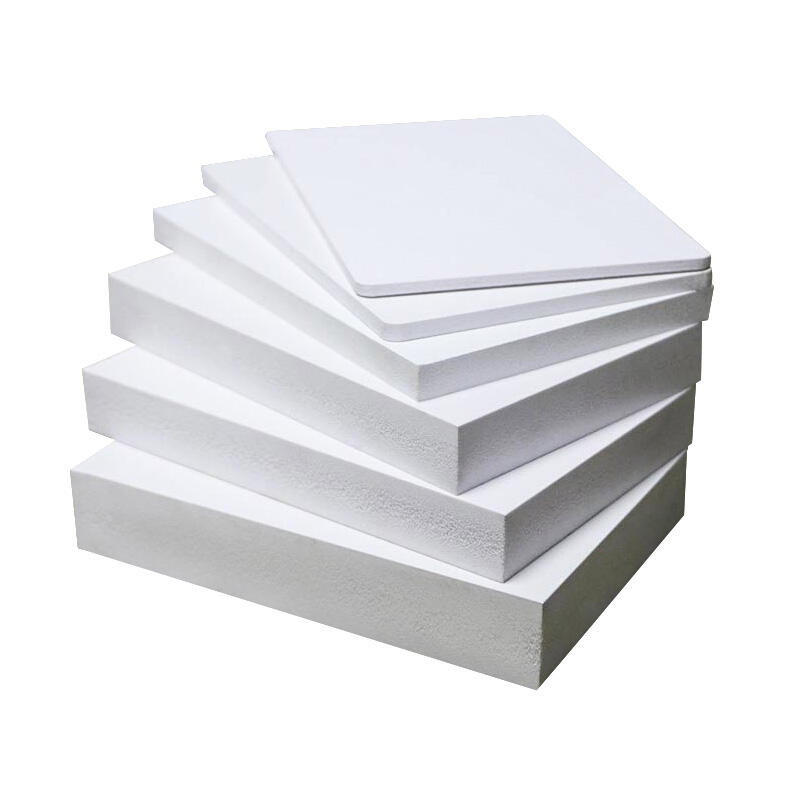
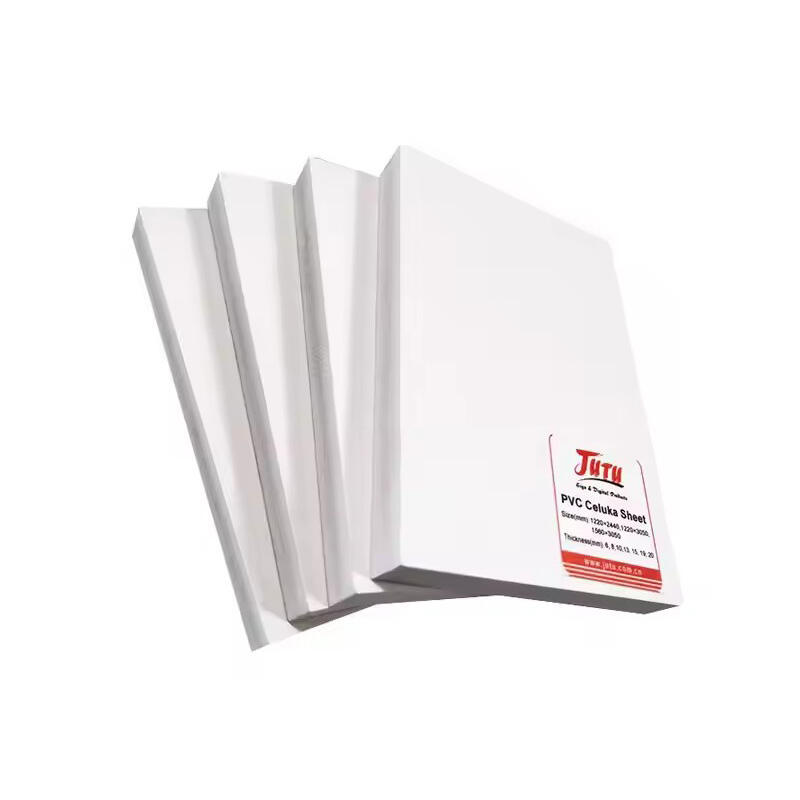
The super heavy pvc panel provides unparalleled weather resistance and environmental protection, making it an ideal choice for exterior applications and harsh environmental conditions. This remarkable characteristic results from the inherent properties of polyvinyl chloride combined with specialized additives and manufacturing techniques that enhance the material's ability to withstand extreme weather conditions, UV radiation, and environmental contaminants. The weather resistance of the super heavy pvc panel includes protection against rain, snow, ice, wind, and temperature extremes that would cause deterioration in other materials. The non-porous surface prevents water infiltration, eliminating problems associated with freeze-thaw cycles that can cause cracking and structural damage in porous materials. UV resistance is built into the super heavy pvc panel through the incorporation of specialized UV stabilizers that prevent degradation from prolonged sun exposure, maintaining both the structural integrity and aesthetic appearance over many years of outdoor use. This UV protection ensures that the super heavy pvc panel will not fade, chalk, or become brittle when exposed to intense sunlight, making it particularly suitable for applications in sunny climates or high-altitude locations where UV exposure is intensified. The chemical resistance of the super heavy pvc panel extends its environmental protection capabilities to industrial settings where exposure to acids, bases, solvents, and other aggressive chemicals is common. This chemical inertness prevents corrosion, staining, and material degradation that would compromise the performance and appearance of metal or organic materials. Salt spray resistance makes the super heavy pvc panel ideal for marine environments and coastal installations where salt-laden air can cause rapid deterioration of other materials. The environmental protection extends to biological resistance, as the super heavy pvc panel does not support the growth of mold, mildew, bacteria, or insects, maintaining hygienic conditions and preventing structural damage from biological agents. Fire resistance properties provide additional environmental protection by limiting flame spread and smoke generation, enhancing safety in both residential and commercial applications.
 EN
EN