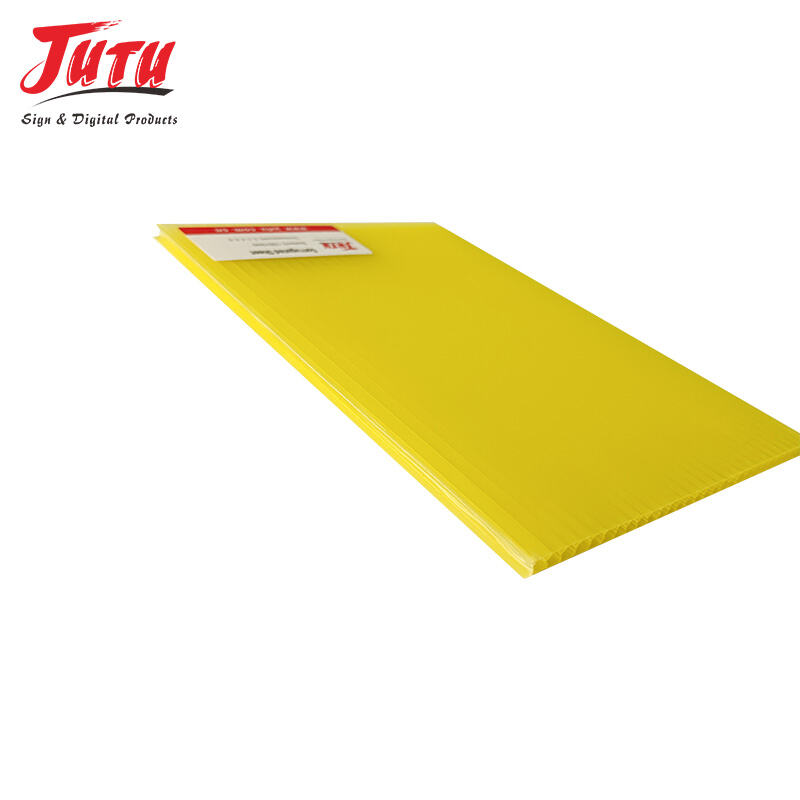
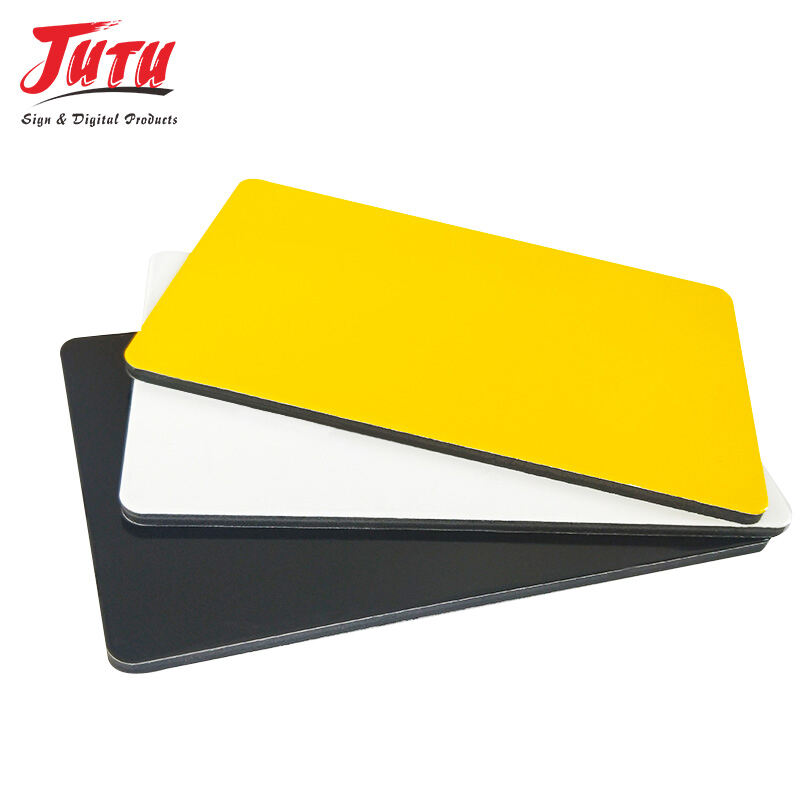
pvc foam sheet for cnc cutting
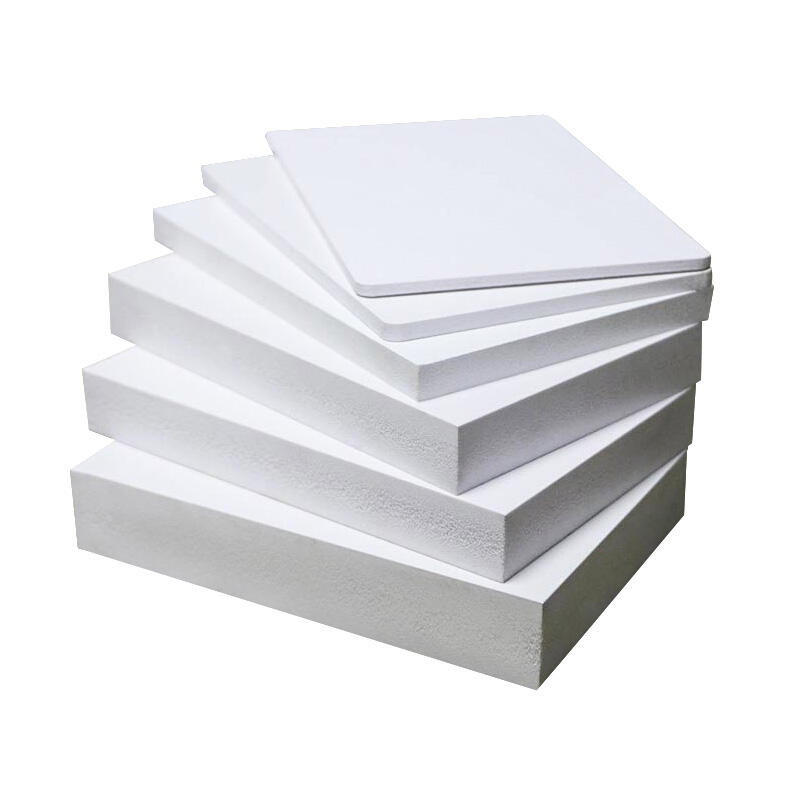
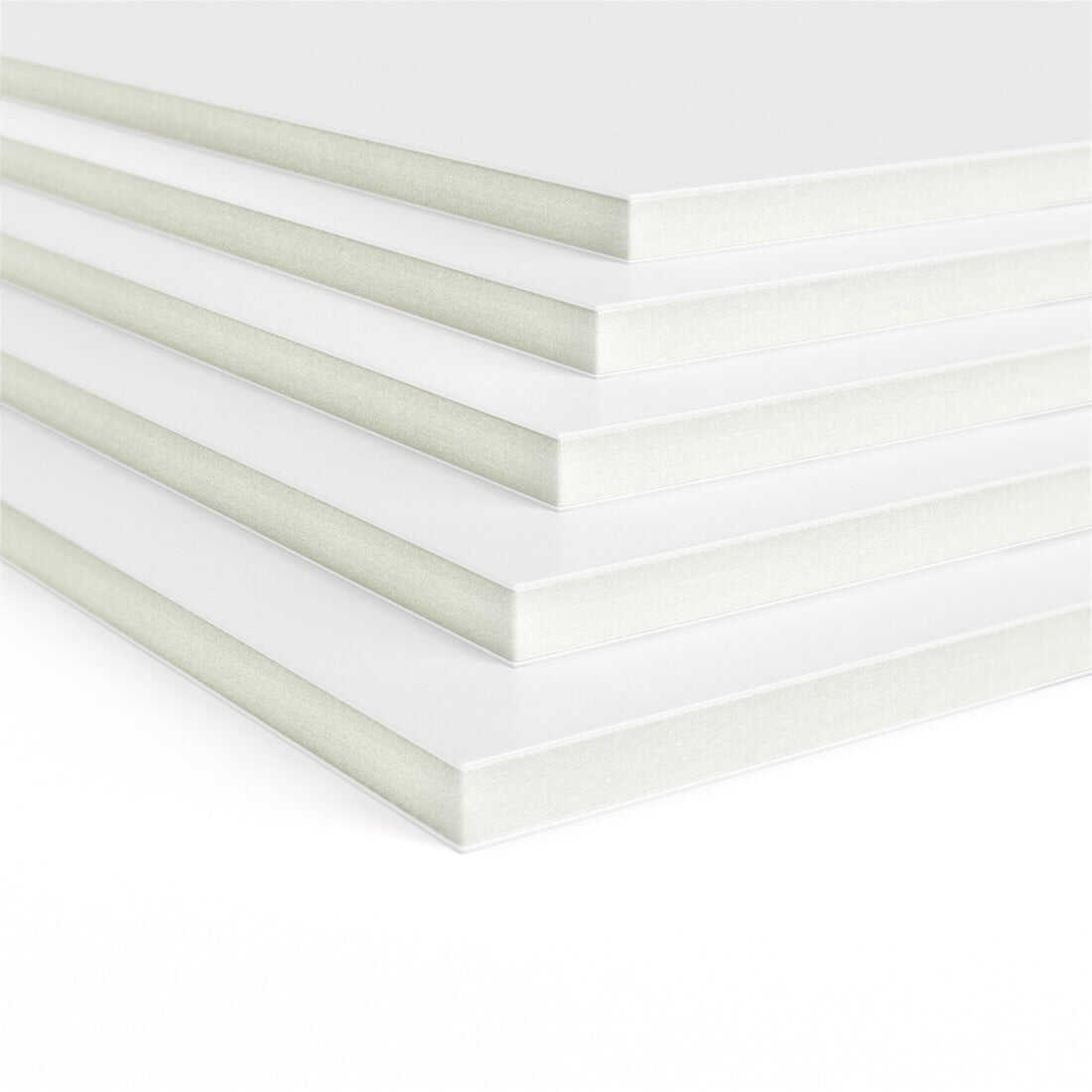
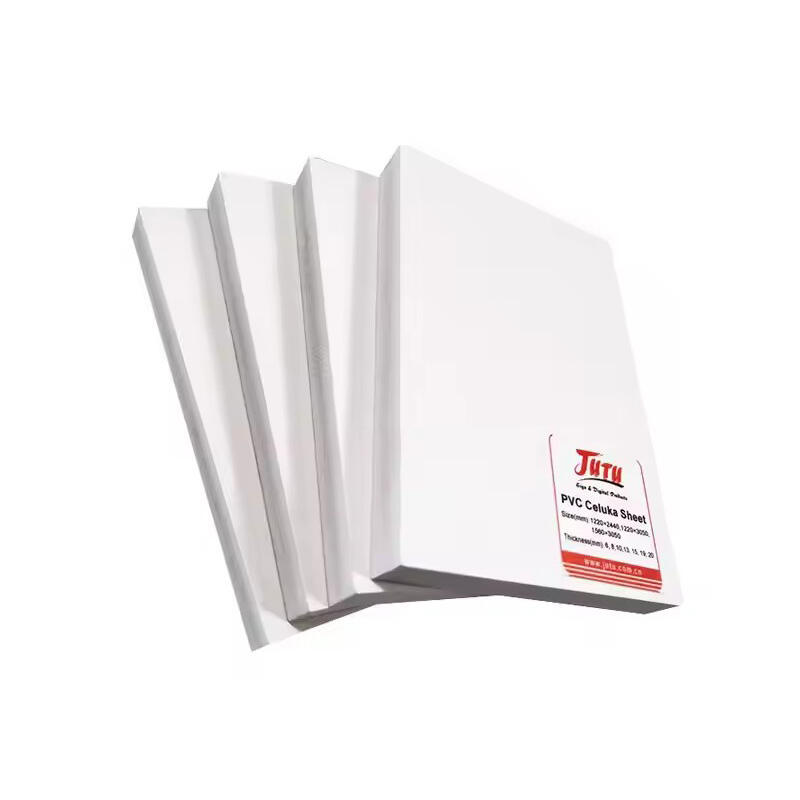
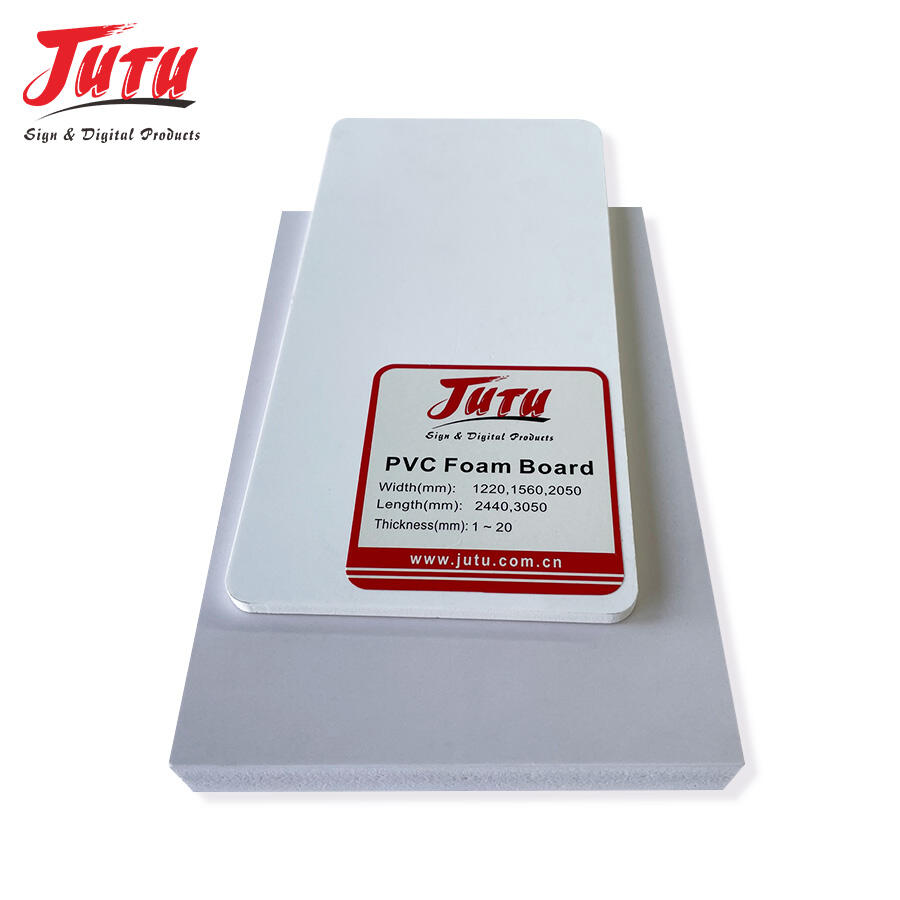
PVC foam sheet for CNC cutting represents a revolutionary material solution that has transformed modern manufacturing and prototyping processes. This specialized thermoplastic material combines the durability of traditional PVC with an innovative cellular foam structure, creating a lightweight yet robust substrate perfect for computer numerical control machining operations. The closed-cell foam construction delivers exceptional dimensional stability while maintaining consistent density throughout the sheet, ensuring predictable cutting results across various applications. Manufacturing facilities worldwide rely on PVC foam sheet for CNC cutting due to its superior machinability and excellent surface finish capabilities. The material exhibits remarkable chemical resistance, making it suitable for demanding environments where exposure to solvents, acids, and alkaline solutions is common. Its fire-retardant properties meet stringent safety standards, providing peace of mind for industrial applications. The technological features of PVC foam sheet for CNC cutting include precise thickness tolerances, uniform cell structure, and optimal hardness ratings that facilitate clean cuts without chipping or delamination. Advanced manufacturing techniques produce sheets with consistent density distribution, eliminating variations that could compromise machining accuracy. The material processes temperatures up to 65°C without structural degradation, expanding its application range significantly. Primary applications span architectural modeling, signage fabrication, marine construction, automotive prototyping, and aerospace component manufacturing. Design professionals appreciate how PVC foam sheet for CNC cutting accepts various finishing techniques including painting, laminating, and thermoforming. The material's versatility extends to both interior and exterior applications, where its weather resistance and UV stability prove invaluable. Educational institutions utilize these sheets for engineering projects and design studies, while commercial workshops depend on them for rapid prototyping and small-batch production runs.
 EN
EN