Versatile Processing and Fabrication Capabilities
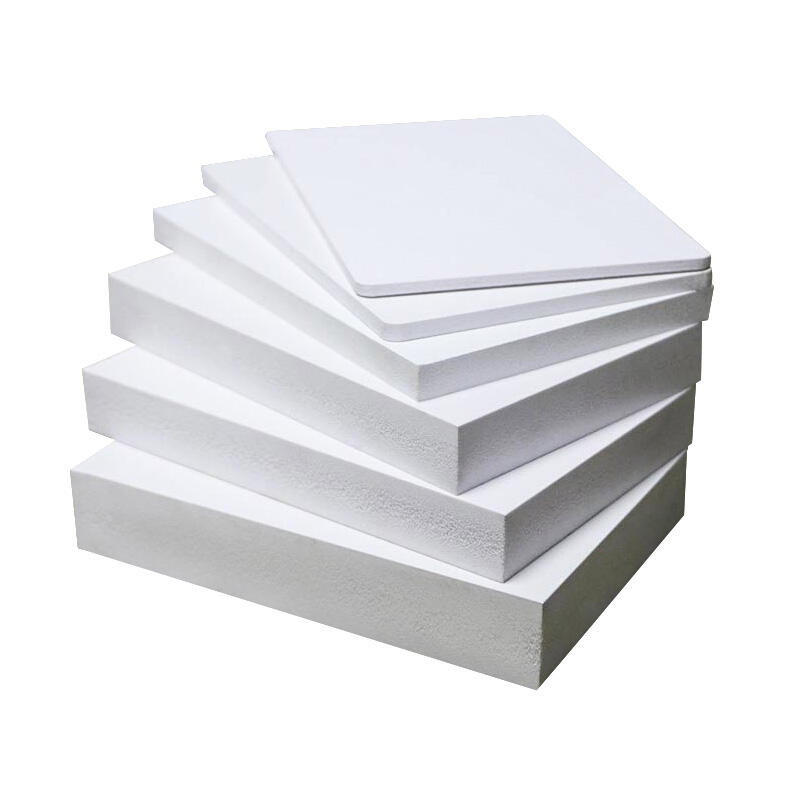
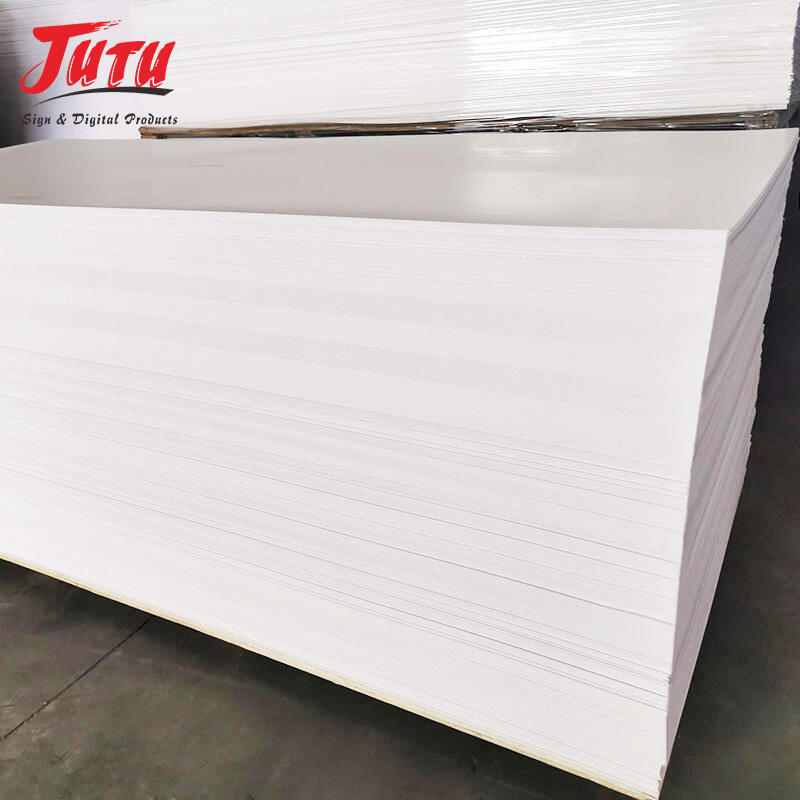
The outstanding workability of thick PVC foam sheet enables manufacturers and fabricators to create complex custom solutions using conventional processing equipment and techniques. Standard woodworking tools effectively cut, shape, and mill this material, eliminating the need for specialized machinery or extensive operator training. Cutting operations produce clean edges without chipping or delamination, ensuring professional appearance and proper fit in assembly applications. Routing and milling procedures create precise profiles, grooves, and decorative features that enhance both function and aesthetics. Drilling operations proceed smoothly without pre-drilling, while maintaining clean hole geometry for mechanical fasteners. Thermoforming capabilities allow creation of complex three-dimensional shapes through controlled heating and forming processes, expanding design possibilities significantly. The material accepts various joining methods including mechanical fasteners, adhesive bonding, and welding techniques, providing flexibility in assembly procedures. Surface preparation requirements remain minimal, as thick PVC foam sheet readily accepts paints, laminates, and decorative finishes without extensive preprocessing. Machining operations maintain dimensional accuracy and surface quality, enabling precision fabrication for demanding applications. Edge finishing procedures create professional appearances using standard techniques such as sanding, routing, and edge banding. Custom color matching capabilities ensure that finished products meet specific aesthetic requirements without compromising performance characteristics. Waste material from fabrication processes can be recycled, reducing environmental impact and material costs. Processing speeds remain high due to the material's excellent machinability, improving production efficiency and reducing manufacturing costs. Quality control during fabrication processes ensures that finished components meet dimensional tolerances and performance specifications. The material maintains stable properties during processing, preventing warping or distortion that could affect final product quality. Secondary operations such as printing, embossing, and texturing create unique surface characteristics for specialized applications. Assembly procedures benefit from the material's ability to accept various fastening methods without splitting or stress concentration.
 EN
EN