Aluminium Polyethylene Composite Panel: Superior Cladding Solutions for Modern Architecture

Get a Free Quote

Our representative will contact you soon.
Email
Name
Company Name
Message
0/1000

aluminium polyethylene composite panel

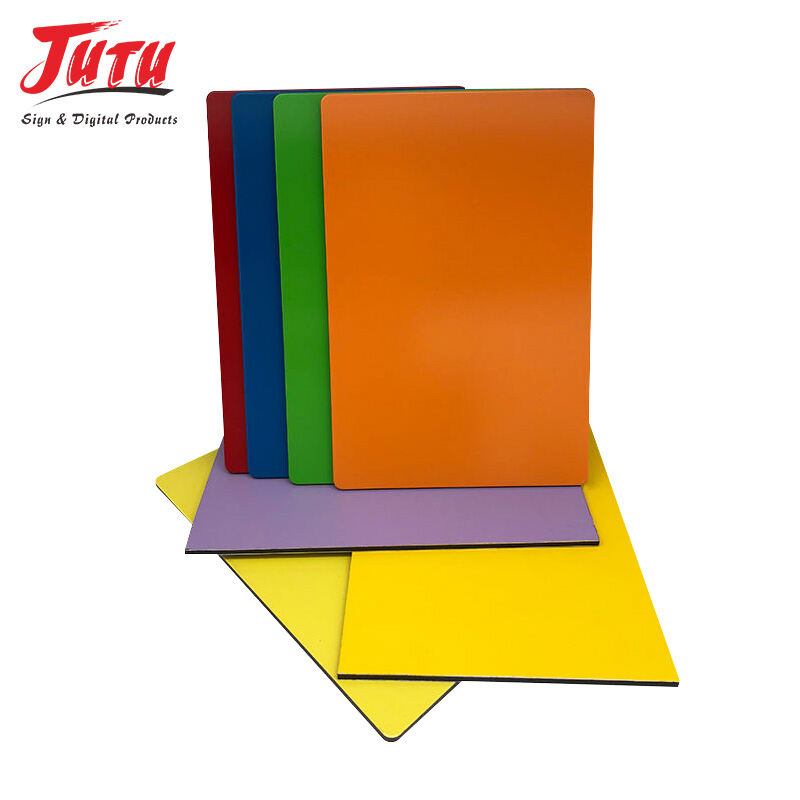
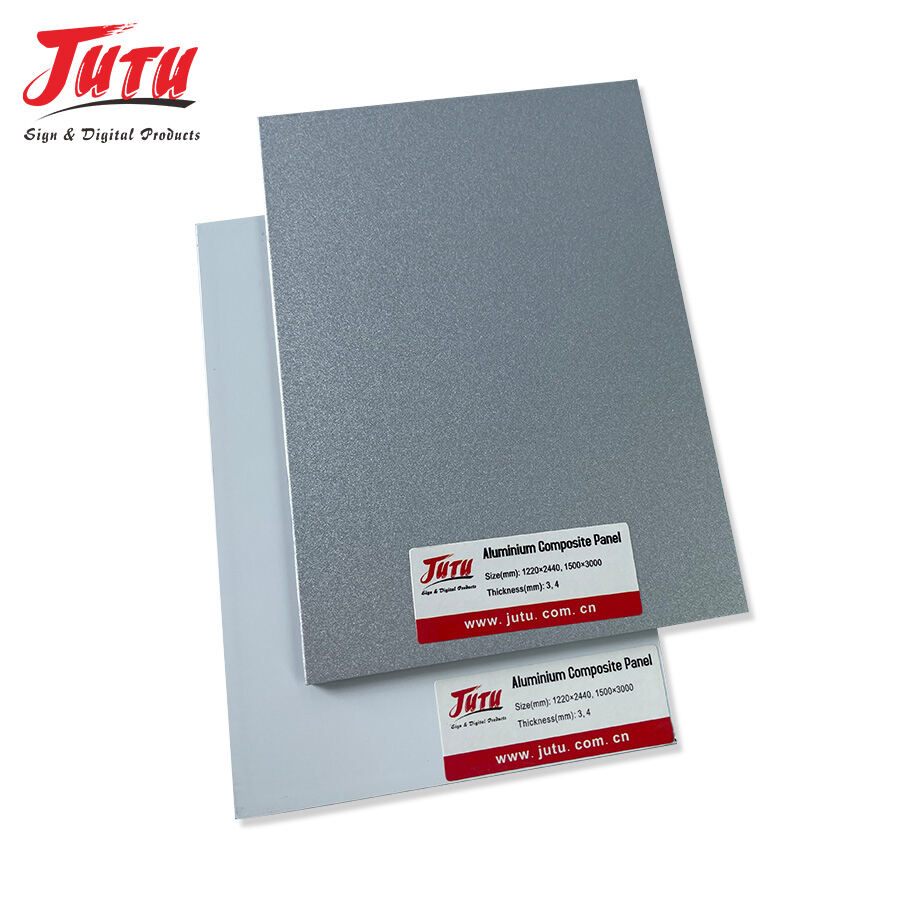
Aluminium polyethylene composite panel represents a revolutionary building material that combines the strength of aluminum with the versatility of polyethylene core technology. This innovative construction material consists of two pre-painted aluminum sheets bonded to a polyethylene core through advanced adhesive processes, creating a lightweight yet durable panel system. The aluminium polyethylene composite panel offers exceptional structural integrity while maintaining flexibility for various architectural applications. Manufacturing processes involve precise temperature control and pressure application to ensure optimal bonding between the aluminum exterior layers and the thermoplastic core material. The technological features of aluminium polyethylene composite panel include fire-resistant properties, weather resistance, and dimensional stability across temperature fluctuations. These panels typically measure between 3mm to 6mm in thickness, with customizable dimensions to meet specific project requirements. The polyethylene core provides excellent insulation properties while the aluminum faces deliver superior protection against environmental elements. Surface treatments include PVDF coatings, polyester finishes, and anodized options that enhance both aesthetic appeal and longevity. The aluminium polyethylene composite panel excels in applications ranging from exterior cladding systems to interior design elements, signage solutions, and transportation industry components. Architectural projects benefit from the material's ability to create seamless facades with minimal maintenance requirements. Industrial applications leverage the panel's chemical resistance and impact strength for equipment housing and protective barriers. The manufacturing precision ensures consistent quality across large-scale installations while allowing for complex geometric configurations through standard fabrication techniques. Installation methods accommodate both mechanical fixing systems and structural glazing applications, providing flexibility for different construction approaches. The aluminium polyethylene composite panel continues to gain popularity in sustainable construction practices due to its recyclable components and energy-efficient production methods.

New Products

The aluminium polyethylene composite panel delivers remarkable cost-effectiveness compared to traditional building materials while providing superior performance characteristics. Property owners save significantly on long-term maintenance costs because these panels resist corrosion, fading, and weathering without requiring frequent repairs or replacements. Installation teams work more efficiently with aluminium polyethylene composite panel systems due to their lightweight nature, reducing labor costs and construction timeframes substantially. The panels weigh approximately 60% less than comparable solid aluminum sheets, making transportation and handling much easier for construction crews. Thermal insulation properties of the polyethylene core help building owners reduce energy consumption for heating and cooling systems throughout the year. The aluminium polyethylene composite panel maintains structural integrity across extreme temperature ranges, from -50°C to +80°C, ensuring reliable performance in diverse climate conditions. Fire safety standards are met through self-extinguishing characteristics of the core material, providing peace of mind for commercial and residential applications. Architects appreciate the design flexibility offered by aluminium polyethylene composite panel systems, enabling creative facades with curved surfaces, angular configurations, and complex geometric patterns. Color consistency remains stable over decades of exposure to ultraviolet radiation, eliminating the need for periodic repainting or refinishing projects. Environmental benefits include recyclability of both aluminum and polyethylene components at the end of the panel's service life. Manufacturing processes produce minimal waste materials, supporting sustainable construction practices and green building certifications. The aluminium polyethylene composite panel resists impact damage, denting, and scratching better than many alternative cladding materials. Chemical resistance properties make these panels suitable for industrial environments where exposure to corrosive substances occurs regularly. Installation versatility allows for both ventilated facade systems and direct application methods, accommodating different architectural requirements and building codes. Quality control measures during production ensure consistent thickness, flatness, and bonding strength across entire panel batches. The aluminium polyethylene composite panel system integrates seamlessly with modern building technologies including solar installations, LED lighting systems, and smart building sensors.

Tips And Tricks

Why Choose PVC Celuka Foam for Your Next Project

07

Nov

Why Choose PVC Celuka Foam for Your Next Project

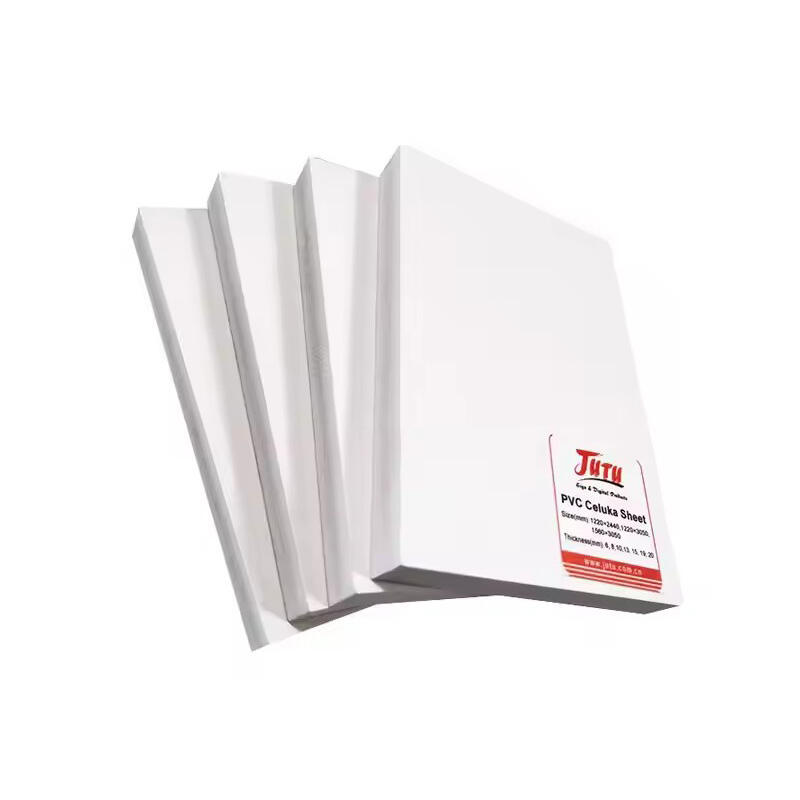
Introduction to PVC Celuka Foam PVC Celuka foam is a high-performance material known for its durability, smooth finish, and versatile applications across multiple industries. Produced through the Celuka extrusion process, this material features a den...
View More
Honeycomb Board Furniture: A New Dimension in Comfort

07

Nov

Honeycomb Board Furniture: A New Dimension in Comfort

Imagine furniture that's lightweight, durable, and eco-friendly. Honeycomb Board Furniture is revolutionizing how you think about design and sustainability. Its unique structure offers endless possibilities for modern living. You’ll love how it...
View More
PP Corrugated Sheets for Temporary Structures and Event Signage

06

Jan

PP Corrugated Sheets for Temporary Structures and Event Signage

PP corrugated sheets have emerged as a revolutionary material in the construction and signage industries, offering unparalleled versatility for temporary structures and event displays. These lightweight yet durable plastic sheets provide an ideal sol...
View More
How Aluminum Composite Panels Are Revolutionizing Skyscraper Facades

06

Jan

How Aluminum Composite Panels Are Revolutionizing Skyscraper Facades

Modern skyscraper construction has undergone a remarkable transformation, with aluminum composite panels emerging as the cornerstone of contemporary facade design. These innovative building materials combine the strength of aluminum with advanced com...
View More

Get a Free Quote

Our representative will contact you soon.
Email
Name
Company Name
Message
0/1000

aluminium polyethylene composite panel

Superior Weather Resistance and Durability Performance

Superior Weather Resistance and Durability Performance

The aluminium polyethylene composite panel excels in providing exceptional weather resistance that surpasses conventional building materials across multiple environmental challenges. Advanced coating technologies applied to the aluminum surfaces create an impermeable barrier against moisture infiltration, preventing corrosion and structural degradation that commonly affects metal cladding systems. The polyethylene core demonstrates remarkable stability when exposed to temperature cycling, humidity fluctuations, and freeze-thaw conditions that can compromise other composite materials. UV resistance properties ensure that color integrity remains consistent for decades, eliminating the costly maintenance cycles associated with traditional painted surfaces. Salt spray resistance makes the aluminium polyethylene composite panel ideal for coastal installations where marine environments accelerate material deterioration. The panel construction withstands wind loads up to 3.0 kN/m² while maintaining structural integrity and aesthetic appearance. Thermal expansion coefficients are carefully engineered to minimize stress concentrations at connection points, reducing the risk of panel buckling or separation during extreme weather events. Hail impact resistance testing demonstrates the panel's ability to withstand severe storm conditions without permanent deformation or surface damage. The aluminium polyethylene composite panel system includes integrated drainage channels that effectively manage water runoff while preventing moisture accumulation behind the facade. Weather sealing technologies ensure that panel joints remain watertight throughout the building's service life, protecting the underlying structure from water damage. Laboratory testing confirms that these panels maintain their mechanical properties after prolonged exposure to acid rain, industrial pollutants, and atmospheric contaminants commonly found in urban environments. The combination of aluminum durability and polyethylene flexibility creates a composite structure that adapts to building movements without compromising weather protection capabilities, making it an outstanding choice for long-term architectural applications.
Exceptional Design Flexibility and Aesthetic Versatility

Exceptional Design Flexibility and Aesthetic Versatility

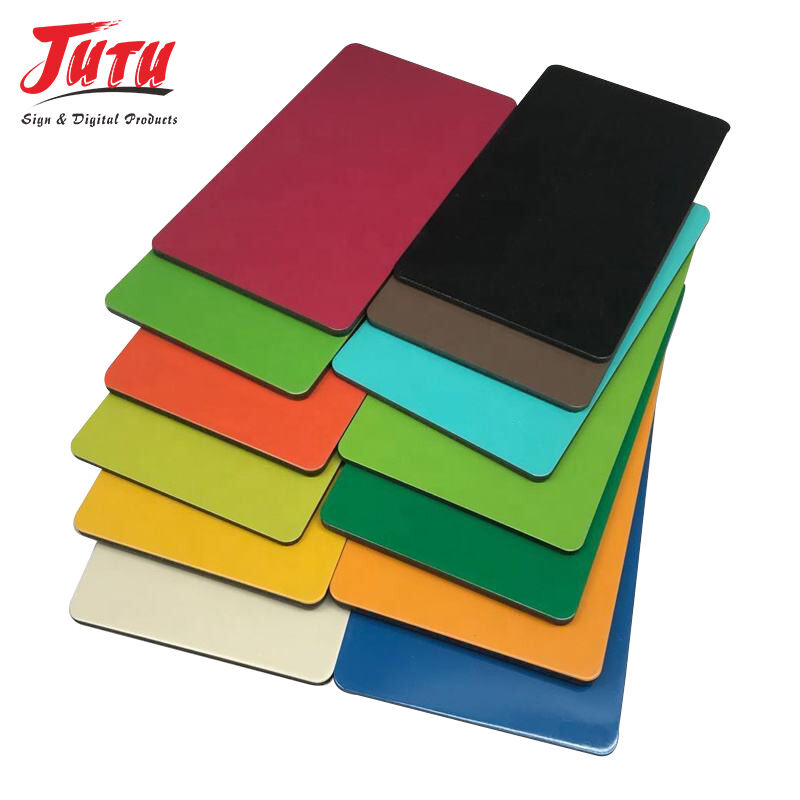
The aluminium polyethylene composite panel offers unparalleled design flexibility that enables architects and designers to realize complex architectural visions with remarkable ease and precision. Fabrication capabilities include precise cutting, routing, bending, and forming operations that create intricate geometric patterns and three-dimensional facade elements impossible to achieve with traditional materials. The panel's composition allows for tight radius bending without cracking or delamination, enabling curved surfaces, cylindrical forms, and flowing architectural transitions that enhance building aesthetics. Color matching systems provide unlimited customization options through digital printing technologies, metallic finishes, wood grain textures, and stone-like appearances that replicate natural materials at a fraction of the cost. The aluminium polyethylene composite panel accepts various surface treatments including brushed finishes, mirror polishes, and textured patterns that create visual depth and architectural interest. Perforation capabilities allow for integrated ventilation systems, lighting installations, and acoustic management solutions while maintaining structural integrity and weather protection. Panel joining methods include invisible fastening systems that create seamless facade appearances with continuous surface planes and uninterrupted design flows. Dimensional stability ensures that large-scale installations maintain precise alignment and consistent reveal patterns throughout the building's service life. The material's workability allows for on-site modifications and adjustments without specialized equipment, reducing installation complexity and construction delays. Architects can specify different panel thicknesses within the same project to create shadow lines, depth variations, and layered facade compositions. The aluminium polyethylene composite panel integrates effectively with glazing systems, creating harmonious building envelopes that balance transparency and opacity. Custom fabrication capabilities include complex corner details, curved transitions, and architectural features that would require multiple materials in traditional construction methods. Quality control measures ensure that color consistency and surface finish uniformity are maintained across all panels in large-scale projects, delivering professional results that meet demanding architectural standards.

Outstanding Fire Safety and Environmental Performance

Outstanding Fire Safety and Environmental Performance

The aluminium polyethylene composite panel incorporates advanced fire safety technologies that exceed industry standards while contributing to sustainable building practices and environmental protection goals. Fire-rated core materials meet stringent building code requirements including Class A flame spread ratings and self-extinguishing properties that prevent fire propagation across facade surfaces. Smoke generation characteristics remain within acceptable limits during fire events, improving evacuation safety and reducing toxic gas emissions that can harm building occupants. The aluminum faces provide excellent fire barriers that maintain structural integrity at elevated temperatures, protecting the building's structural framework during emergency situations. Testing protocols demonstrate that the aluminium polyethylene composite panel systems comply with international fire safety standards including NFPA, BS, and EN classifications for high-rise construction applications. Low volatile organic compound emissions contribute to improved indoor air quality and support LEED certification requirements for green building projects. Manufacturing processes utilize water-based adhesives and solvent-free coating systems that minimize environmental impact during production while maintaining superior bonding strength and durability. Recyclability at end-of-life allows both aluminum and polyethylene components to be reclaimed and reprocessed into new products, supporting circular economy principles and waste reduction initiatives. Energy efficiency benefits include thermal bridging reduction that improves building envelope performance and reduces heating and cooling energy consumption throughout the building's operational life. The aluminium polyethylene composite panel production requires significantly less energy than alternative materials such as natural stone, solid aluminum, or steel cladding systems. Transportation efficiency is enhanced by the lightweight characteristics, reducing fuel consumption and carbon emissions during project delivery. Installation waste is minimized through precise manufacturing tolerances and custom sizing capabilities that eliminate field cutting and material waste. Life cycle assessment studies confirm that the environmental impact of aluminium polyethylene composite panel systems is substantially lower than conventional cladding materials when evaluated across material extraction, manufacturing, transportation, installation, use, and disposal phases. These environmental advantages make the panels an excellent choice for sustainable construction projects seeking to minimize ecological footprint while maintaining high performance standards.