Long-Term Durability and Maintenance Cost Reduction
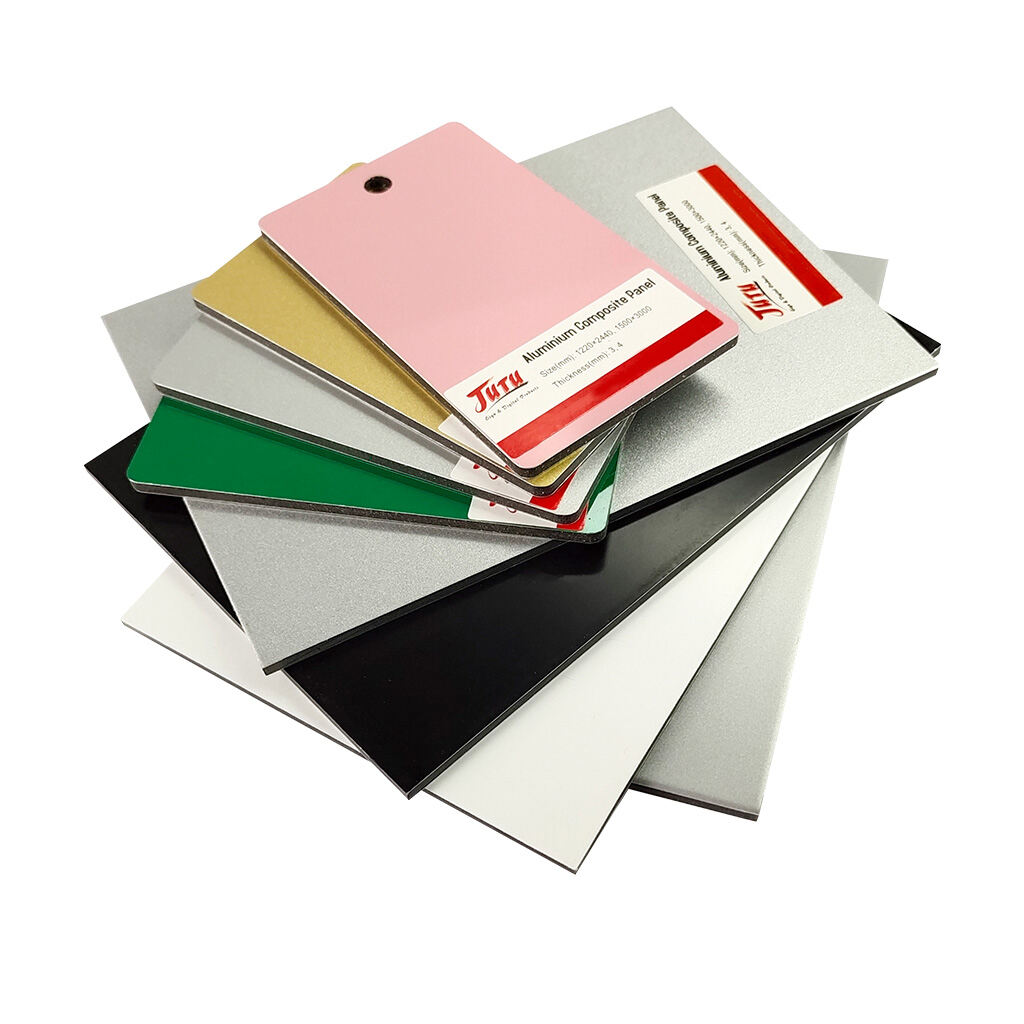
The price of aluminum composite panel represents outstanding long-term value through exceptional durability characteristics and minimal maintenance requirements that significantly reduce total cost of ownership over the building lifecycle. Advanced aluminum alloys used in panel construction provide inherent corrosion resistance, while specialized protective coatings create additional barriers against environmental degradation, chemical exposure, and UV radiation damage. These panels typically maintain their structural integrity and aesthetic appearance for 20-30 years with minimal intervention, compared to traditional materials that may require refinishing, repair, or replacement within 10-15 years. The price of aluminum composite panel reflects sophisticated surface treatment technologies including fluoropolymer coatings, anodizing processes, and nano-ceramic applications that provide superior protection against weathering, pollution, and industrial atmospheres. Self-cleaning properties incorporated into premium panel surfaces reduce maintenance frequency and eliminate the need for specialized cleaning equipment or chemical treatments. The non-porous surface characteristics prevent moisture infiltration, biological growth, and staining that commonly affect porous materials like concrete, natural stone, or wood-based cladding systems. Thermal expansion and contraction cycles, which cause cracking and joint failure in rigid materials, are accommodated through engineered flexibility in aluminum composite panel systems without compromising weather seal integrity. The price of aluminum composite panel includes warranty coverage that often extends 15-20 years for material performance and color stability, providing financial protection against premature failure or degradation. Maintenance procedures typically involve simple water washing with mild detergents, eliminating the need for sandblasting, chemical stripping, or protective coating renewal required by other cladding materials. Panel replacement procedures, when necessary, can be performed quickly without disturbing adjacent panels or requiring extensive access equipment. The recyclable nature of aluminum components maintains residual value at end-of-life, offsetting replacement costs and supporting sustainable building practices. Quality manufacturing processes ensure consistent material properties and performance characteristics across entire installations, eliminating premature failure of individual panels that can compromise system integrity and increase maintenance costs.
 EN
EN