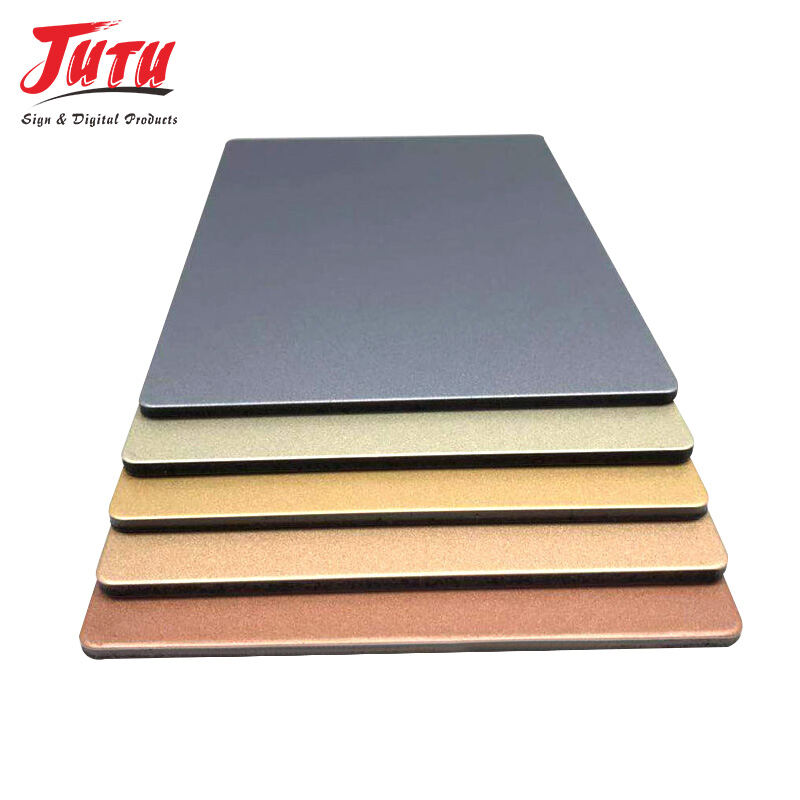
perforated aluminum composite panel
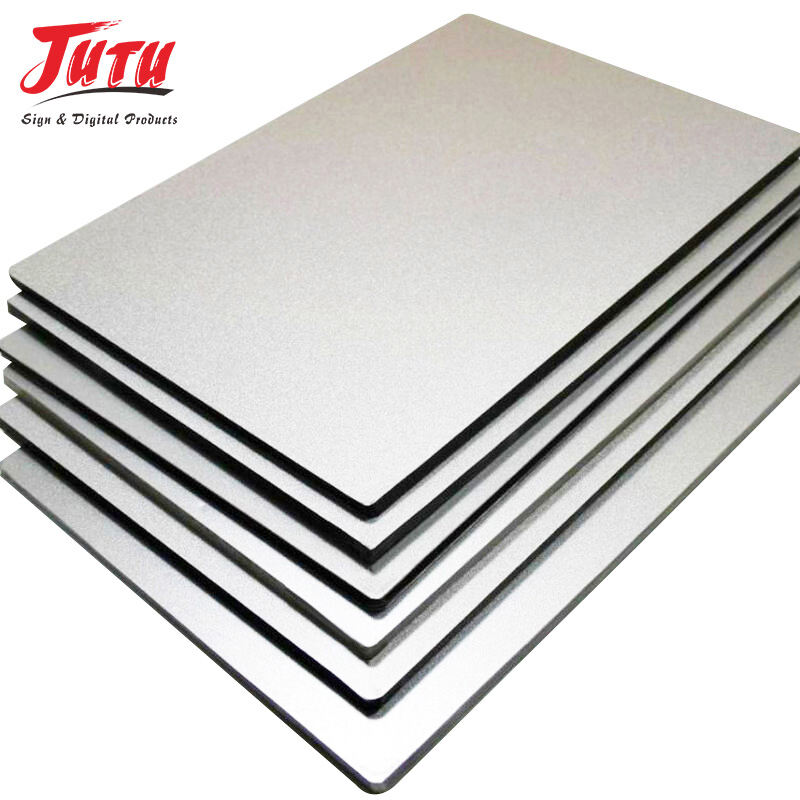
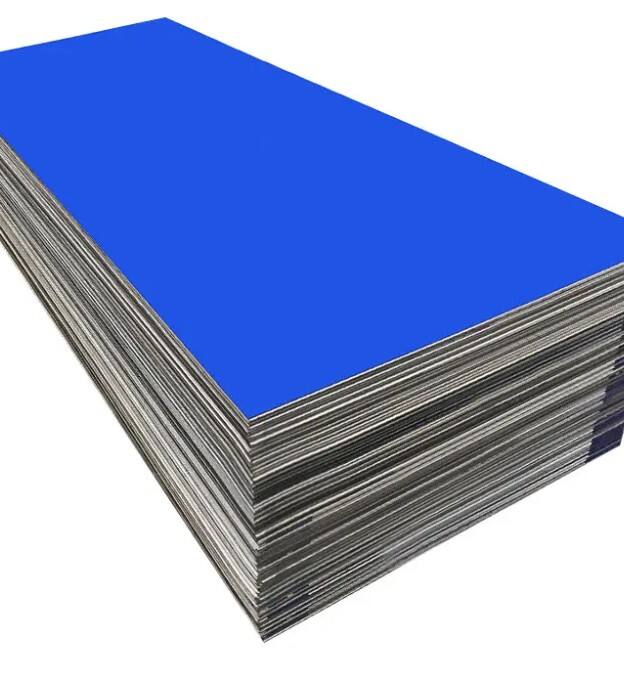
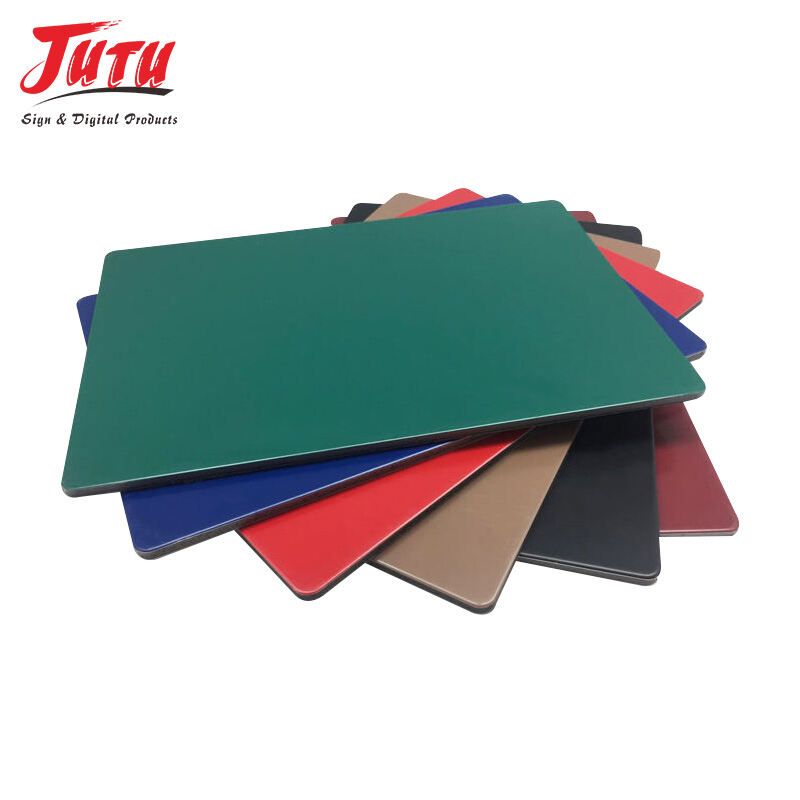
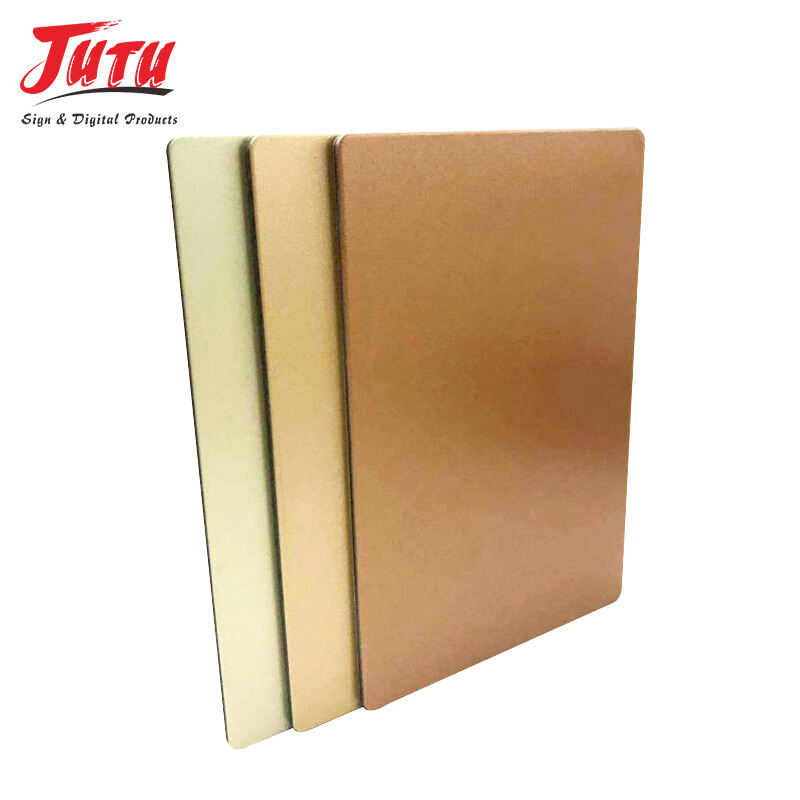
The perforated aluminum composite panel represents a cutting-edge architectural solution that combines the structural integrity of traditional aluminum composite materials with enhanced ventilation and aesthetic capabilities. This innovative building material consists of two aluminum sheets bonded to a polyethylene core, with strategically placed perforations that create distinctive visual patterns while serving multiple functional purposes. The perforated aluminum composite panel has revolutionized modern facade design by offering architects and builders unprecedented flexibility in creating breathable, lightweight, and visually striking building exteriors. The technological features of the perforated aluminum composite panel include precision-engineered holes that are created using advanced CNC machinery, ensuring consistent spacing and diameter throughout the panel surface. These perforations can be customized in various sizes, patterns, and densities to meet specific project requirements. The manufacturing process involves high-pressure lamination that creates an unbreakable bond between the aluminum sheets and the core material, resulting in a panel that maintains structural integrity even with numerous perforations. The surface treatment options for perforated aluminum composite panel include PVDF coating, powder coating, and anodizing, providing excellent weather resistance and color retention. Key applications of the perforated aluminum composite panel span across commercial buildings, residential complexes, shopping centers, airports, and industrial facilities. The material excels in curtain wall systems where controlled ventilation is essential, acoustic applications requiring sound absorption, and decorative installations where visual impact is paramount. The perforated aluminum composite panel also finds extensive use in sunshade systems, privacy screens, and interior design elements where light filtration and air circulation are crucial. The versatility of this material makes it suitable for both new construction projects and renovation applications, offering designers the ability to create unique architectural statements while maintaining practical functionality.
 EN
EN