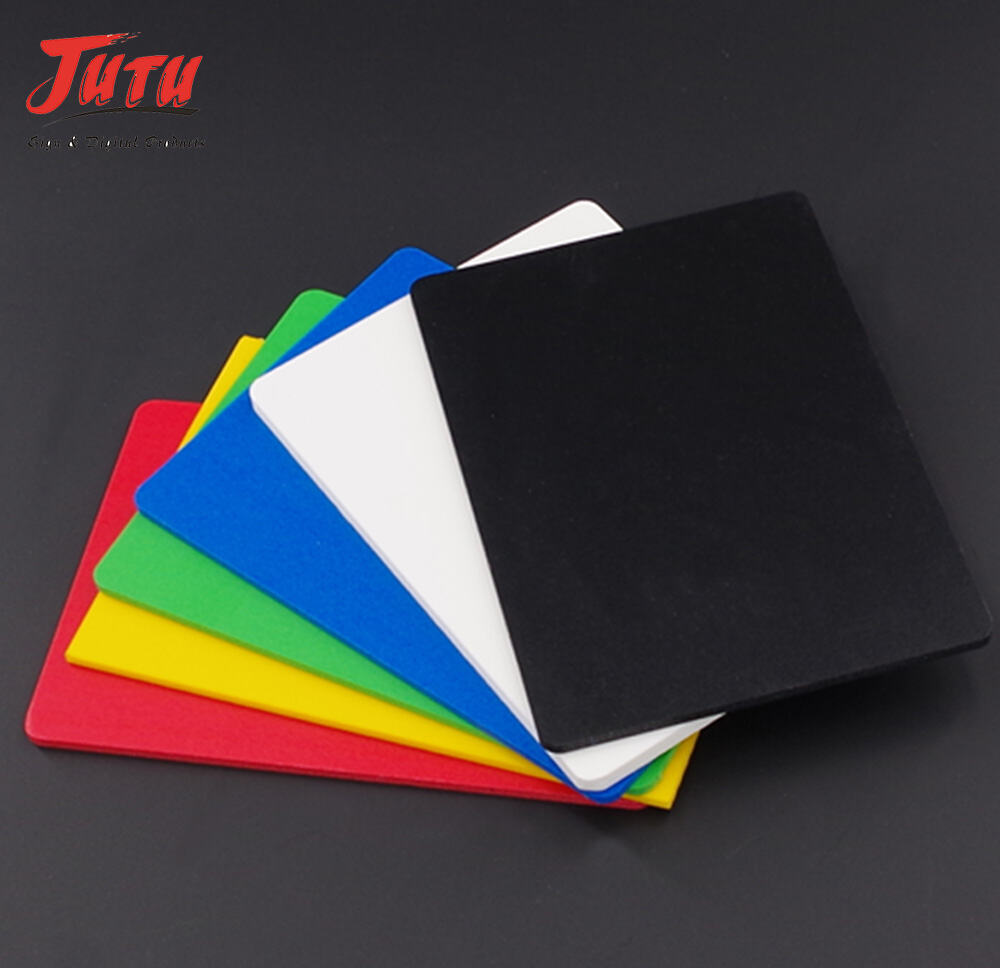
Premium Foamed PVC Panels - Lightweight, Durable Construction Solutions

Get a Free Quote

Our representative will contact you soon.
Email
Name
Company Name
Message
0/1000

foamed pvc panels

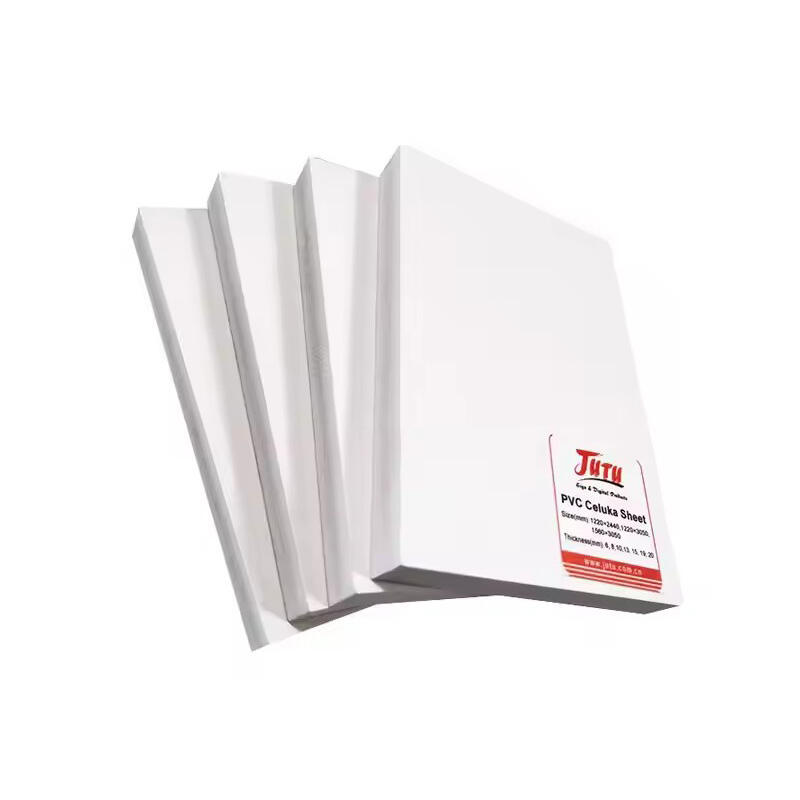
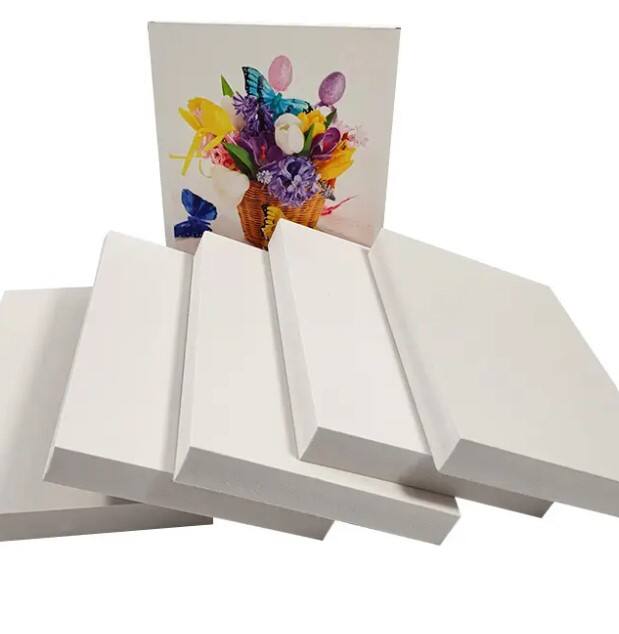
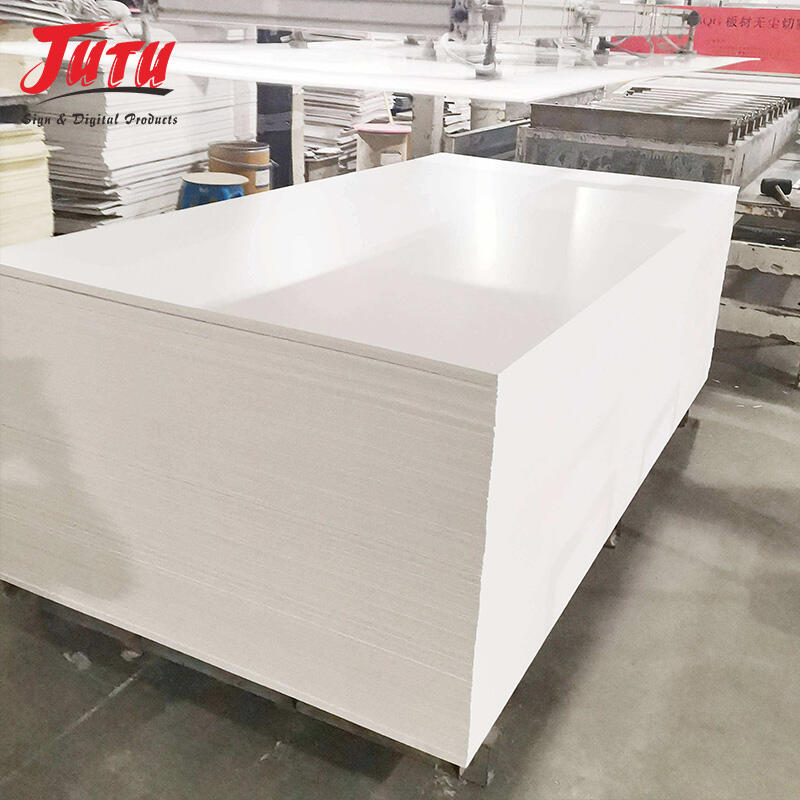
Foamed PVC panels represent a revolutionary advancement in construction and manufacturing materials, offering exceptional versatility across numerous industrial applications. These lightweight yet robust panels consist of expanded polyvinyl chloride that undergoes a specialized foaming process, creating a cellular structure with remarkable strength-to-weight ratios. The manufacturing process involves incorporating blowing agents into PVC resin, which expands during heating to form countless tiny air pockets throughout the material matrix. This unique cellular composition delivers superior insulation properties while maintaining structural integrity under various environmental conditions. Foamed PVC panels exhibit excellent chemical resistance, making them ideal for harsh industrial environments where traditional materials might deteriorate rapidly. The panels demonstrate outstanding dimensional stability, resisting warping, shrinking, or expanding significantly across temperature fluctuations. Their closed-cell structure provides inherent moisture resistance, preventing water absorption that could compromise performance over time. These panels can be easily machined, cut, drilled, and shaped using standard woodworking tools, enabling precise customization for specific project requirements. The surface accepts various finishing techniques including painting, laminating, and printing, allowing seamless integration into diverse design schemes. Foamed PVC panels maintain their properties across a wide temperature range, typically from -40°C to +70°C, ensuring reliable performance in both extreme cold and moderate heat conditions. The material exhibits excellent impact resistance, absorbing energy without cracking or shattering like brittle alternatives. Fire-retardant formulations meet stringent safety standards, making these panels suitable for applications requiring enhanced fire protection. The manufacturing process allows for consistent thickness control and uniform density distribution, ensuring predictable performance characteristics across entire panel surfaces. These panels offer exceptional longevity with minimal maintenance requirements, providing cost-effective solutions for long-term installations where replacement frequency must be minimized.

New Products

Foamed PVC panels deliver significant cost savings through their lightweight construction, which reduces shipping expenses and installation labor requirements compared to heavier alternatives like solid wood or metal sheets. The panels weigh approximately 50-70% less than comparable solid materials while maintaining similar or superior structural performance, enabling easier handling during construction projects and reducing strain on workers. Installation becomes remarkably straightforward as these panels can be cut to size on-site using basic tools, eliminating the need for specialized equipment or extensive pre-planning. The material's inherent insulation properties reduce energy consumption in buildings by creating effective thermal barriers that maintain comfortable interior temperatures year-round. Property owners experience lower heating and cooling costs as foamed PVC panels minimize heat transfer through walls, roofs, and other structural elements. The panels resist moisture penetration completely, preventing costly damage from water infiltration that commonly affects wood-based materials over time. Unlike traditional materials that require regular maintenance, protective coatings, or replacement due to weathering, foamed PVC panels maintain their appearance and performance for decades with minimal intervention. The chemical resistance properties protect against corrosion from cleaning agents, industrial chemicals, and environmental pollutants that typically degrade other construction materials. Foamed PVC panels offer exceptional design flexibility, accepting paint, vinyl wraps, laminates, and digital printing to achieve virtually any desired aesthetic outcome. The smooth, consistent surface eliminates the grain patterns, knots, or imperfections found in natural materials, providing uniform appearances across large installations. These panels cut cleanly without splintering or chipping, creating precise edges and professional-looking joints that enhance overall project quality. The material remains dimensionally stable across temperature variations, preventing gaps, warping, or buckling that commonly occur with wood or metal alternatives. Fire-resistant formulations provide enhanced safety protection, meeting building codes that require non-combustible or flame-retardant materials in commercial and residential applications. The panels resist impact damage better than brittle materials like glass or ceramic, maintaining structural integrity even when subjected to moderate physical stress. Foamed PVC panels contribute to sustainable construction practices through their recyclability and long service life, reducing waste generation and resource consumption over building lifecycles.

Tips And Tricks

Acrylic Board Manufacturers: Shaping the Future of Plastics

07

Nov

Acrylic Board Manufacturers: Shaping the Future of Plastics

Acrylic boards have become indispensable in industries like construction, automotive, and healthcare. Their durability, transparency, and versatility make them a preferred material for diverse applications. Acrylic board manufacturers continue to inn...
View More
PVC Foam Sheet Applications in Industrial Fabrication and Prototyping

23

Dec

PVC Foam Sheet Applications in Industrial Fabrication and Prototyping

Modern industrial manufacturing and prototyping demands have created an increasing need for versatile, lightweight materials that can deliver exceptional performance across diverse applications. Among these materials, PVC foam sheet has emerged as a ...
View More
Innovative Architectural Uses of Acrylic Sheets in Modern Buildings

23

Dec

Innovative Architectural Uses of Acrylic Sheets in Modern Buildings

Modern architecture continues to evolve with innovative materials that offer both aesthetic appeal and functional benefits. Among these cutting-edge materials, acrylic sheets have emerged as a versatile solution that transforms conventional design ap...
View More
PP Corrugated Sheets for Temporary Structures and Event Signage

06

Jan

PP Corrugated Sheets for Temporary Structures and Event Signage

PP corrugated sheets have emerged as a revolutionary material in the construction and signage industries, offering unparalleled versatility for temporary structures and event displays. These lightweight yet durable plastic sheets provide an ideal sol...
View More

Get a Free Quote

Our representative will contact you soon.
Email
Name
Company Name
Message
0/1000

foamed pvc panels

Superior Lightweight Construction with Exceptional Strength

Superior Lightweight Construction with Exceptional Strength

The cellular structure of foamed PVC panels creates an optimal balance between weight reduction and structural performance that sets these materials apart from conventional construction options. The foaming process generates millions of microscopic air pockets throughout the panel thickness, reducing overall density while maintaining the molecular integrity of the PVC matrix. This innovative construction delivers weight savings of 50-70% compared to solid PVC or traditional materials like plywood, concrete board, or metal sheeting. Despite their reduced weight, foamed PVC panels demonstrate remarkable load-bearing capabilities, supporting substantial weights without deformation or failure. The cellular structure distributes stress evenly across the panel surface, preventing localized weak points that might compromise performance under load. This strength characteristic makes foamed PVC panels suitable for structural applications including flooring substrates, wall cladding, and roofing systems where both durability and weight considerations are critical. The lightweight nature significantly reduces transportation costs, allowing larger quantities to be shipped in single loads while staying within weight restrictions. Installation crews appreciate the reduced physical demands of working with lighter panels, leading to faster project completion and reduced labor costs. The panels can be easily maneuvered into position without heavy equipment, making them ideal for renovation projects in confined spaces or upper-story installations. The strength-to-weight ratio enables creative architectural designs that would be impractical with heavier materials, opening new possibilities for innovative construction approaches. Quality control during manufacturing ensures consistent density distribution throughout each panel, eliminating variations that could create weak spots or performance inconsistencies. The cellular structure also provides natural vibration dampening properties, reducing noise transmission through walls and floors constructed with foamed PVC panels. This combination of light weight and high strength makes foamed PVC panels particularly valuable in applications where structural loads must be minimized without sacrificing performance requirements.
Outstanding Moisture and Chemical Resistance Performance

Outstanding Moisture and Chemical Resistance Performance

Foamed PVC panels excel in environments where moisture exposure and chemical contact pose significant challenges to conventional building materials. The closed-cell foam structure prevents water absorption entirely, eliminating the swelling, warping, and degradation commonly experienced with wood-based products or porous materials. This moisture resistance extends beyond simple water repellency to include protection against humidity, steam, and prolonged exposure to wet conditions without any deterioration in structural properties or appearance. The chemical composition of PVC provides inherent resistance to a wide range of aggressive substances including acids, alkalis, salts, and organic solvents that would rapidly damage metal, wood, or composite alternatives. This chemical resistance makes foamed PVC panels ideal for industrial environments, laboratories, food processing facilities, and marine applications where chemical exposure is routine. The panels maintain their integrity when exposed to cleaning chemicals, disinfectants, and sanitizing agents commonly used in healthcare, food service, and manufacturing facilities. Unlike metal panels that may corrode or wood products that can rot when exposed to moisture and chemicals, foamed PVC panels retain their original properties indefinitely under these challenging conditions. The smooth, non-porous surface prevents bacterial growth and contamination, making these panels suitable for applications requiring high hygiene standards. Coastal environments with salt spray and high humidity pose no threat to foamed PVC panels, unlike steel or aluminum that may corrode over time. The material resists staining from spills, chemicals, or environmental pollutants, maintaining clean appearances without special treatments or protective coatings. This resistance extends to UV radiation, preventing the color fading and brittleness that affects some plastics under prolonged sun exposure. The combination of moisture and chemical resistance eliminates the need for protective finishes, sealers, or periodic refinishing that adds ongoing maintenance costs to other materials. These properties make foamed PVC panels particularly valuable in swimming pool areas, shower facilities, commercial kitchens, and other high-moisture environments where material reliability is essential for long-term performance and safety.

Exceptional Workability and Installation Convenience

Exceptional Workability and Installation Convenience

The remarkable workability of foamed PVC panels transforms complex construction and fabrication tasks into straightforward processes that save time and reduce project costs significantly. These panels cut cleanly with standard woodworking tools including circular saws, jigsaws, and routers, producing smooth edges without chipping, splintering, or cracking that commonly occurs with brittle materials. The consistent density throughout the panel thickness ensures predictable cutting behavior, allowing precise measurements and clean joints essential for professional installations. Drilling operations produce clean holes without the tear-out or rough edges associated with composite materials, enabling secure fastener installation and precise hardware mounting. The panels accept screws, nails, staples, and adhesives readily, providing multiple attachment options to suit different installation requirements and structural conditions. Routing operations create smooth grooves and decorative profiles with exceptional precision, enabling custom millwork applications that would be difficult or expensive with traditional materials. The material machines easily on standard equipment, requiring no specialized tooling or techniques that might increase project complexity or costs. Foamed PVC panels can be thermoformed when heated, allowing curved installations and complex shapes that expand design possibilities beyond flat panel applications. The lightweight construction enables one-person installation in many situations, reducing labor requirements and allowing faster project completion schedules. Field modifications become simple tasks as panels can be trimmed, notched, or shaped on-site to accommodate unexpected conditions or design changes without returning to fabrication facilities. The panels bond excellently with construction adhesives, creating strong joints that eliminate visible fasteners when desired for aesthetic reasons. Edge banding and trim attachment become straightforward processes, ensuring professional-looking finished edges and transitions between panels or other materials. The workability extends to surface preparation for finishing, as the smooth surface accepts primers and paints without extensive preparation work. These installation advantages make foamed PVC panels particularly attractive for renovation projects where minimizing disruption and reducing installation time are critical factors in material selection decisions.