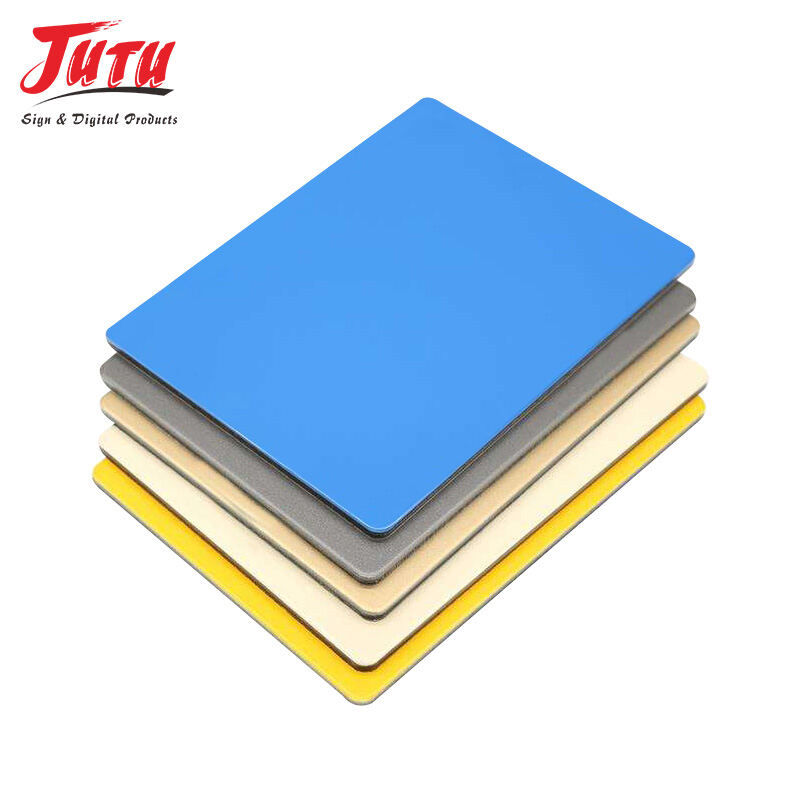
Premium Aluminium Composite Panel Material: Durable, Lightweight Building Solutions for Modern Architecture

Get a Free Quote

Our representative will contact you soon.
Email
Name
Company Name
Message
0/1000

aluminium composite panel material

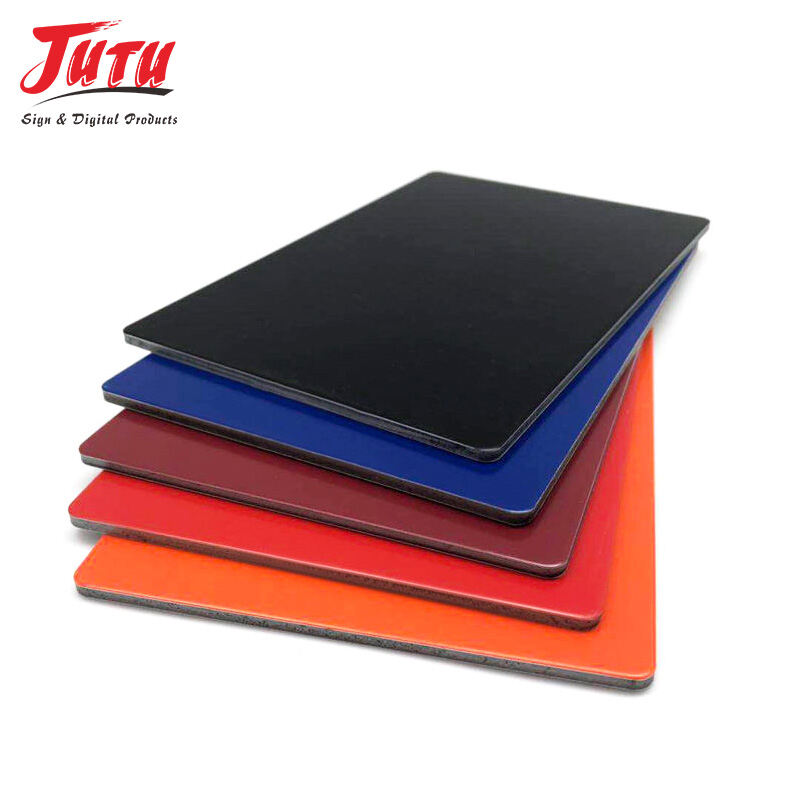
Aluminium composite panel material represents a revolutionary building solution that combines advanced engineering with practical functionality. This innovative construction material consists of two thin aluminium sheets bonded to a lightweight core, typically made from polyethylene or mineral-filled materials. The aluminium composite panel material delivers exceptional performance across diverse architectural and industrial applications, making it a preferred choice for modern construction projects. The technological foundation of aluminium composite panel material relies on sophisticated manufacturing processes that ensure consistent quality and durability. The outer aluminium layers provide superior weather resistance and structural integrity, while the inner core contributes lightweight properties and excellent insulation characteristics. This unique composition allows aluminium composite panel material to maintain dimensional stability under varying environmental conditions, resisting thermal expansion and contraction that could compromise traditional building materials. The main functions of aluminium composite panel material encompass protective cladding, decorative facades, signage applications, and interior design elements. Its versatility enables architects and designers to create stunning visual effects while maintaining functional performance requirements. The material serves as an effective barrier against moisture, wind, and temperature fluctuations, protecting underlying structures from environmental damage. Modern aluminium composite panel material incorporates fire-resistant formulations that meet stringent safety standards, particularly important for high-rise buildings and public facilities. The manufacturing process involves precision coating techniques that apply protective finishes, ensuring long-lasting color retention and surface quality. Advanced digital printing technologies enable custom graphics and patterns on aluminium composite panel material, expanding creative possibilities for branding and architectural expression. Installation systems for aluminium composite panel material utilize mechanical fastening methods that provide secure attachment while allowing thermal movement. This engineered approach prevents stress concentrations that could lead to premature failure or aesthetic degradation.

New Product Recommendations

Aluminium composite panel material offers numerous practical benefits that make it an excellent investment for property owners and developers. The lightweight nature of aluminium composite panel material significantly reduces structural load requirements, potentially lowering foundation and framework costs compared to heavier alternatives like stone or concrete panels. This weight advantage simplifies transportation and installation procedures, reducing labor time and equipment needs during construction projects. The durability of aluminium composite panel material ensures long-term performance with minimal maintenance requirements. The factory-applied protective coatings resist fading, chalking, and corrosion, maintaining attractive appearance for decades under normal weather exposure. This longevity translates into substantial cost savings over the building's lifecycle, as replacement and refinishing expenses remain minimal. Weather resistance represents another key strength of aluminium composite panel material. The non-porous surface prevents moisture infiltration that could cause structural damage or mold growth. The material withstands temperature extremes, UV radiation, and chemical exposure without degrading, making it suitable for coastal environments and industrial areas where traditional materials might fail prematurely. Fire safety characteristics of modern aluminium composite panel material provide crucial protection for occupants and property. Advanced core materials exhibit excellent fire resistance ratings, helping buildings meet strict safety codes and insurance requirements. This safety feature proves particularly valuable in high-density urban areas where fire spread prevention is paramount. Cost-effectiveness extends beyond initial material costs to include reduced installation expenses and lower long-term maintenance requirements. The modular nature of aluminium composite panel material systems allows for partial replacement if damage occurs, avoiding complete facade renovation. Standard panel sizes and connection systems streamline procurement and installation processes, reducing project timelines and associated costs. Design flexibility enables architects to achieve complex geometric forms and striking visual effects with aluminium composite panel material. The material can be bent, shaped, and fabricated to accommodate curved surfaces and intricate architectural details. Available in numerous colors, textures, and finishes, aluminium composite panel material supports diverse aesthetic visions while maintaining consistent performance characteristics. Environmental benefits include recyclability and energy efficiency contributions through improved building envelope performance.

Tips And Tricks

Why Choose PVC Celuka Foam for Your Next Project

07

Nov

Why Choose PVC Celuka Foam for Your Next Project

Introduction to PVC Celuka Foam PVC Celuka foam is a high-performance material known for its durability, smooth finish, and versatile applications across multiple industries. Produced through the Celuka extrusion process, this material features a den...
View More
Acrylic Board Manufacturers: Shaping the Future of Plastics

07

Nov

Acrylic Board Manufacturers: Shaping the Future of Plastics

Acrylic boards have become indispensable in industries like construction, automotive, and healthcare. Their durability, transparency, and versatility make them a preferred material for diverse applications. Acrylic board manufacturers continue to inn...
View More
Why Acrylic Board Manufacturers are Essential for Your Business

07

Nov

Why Acrylic Board Manufacturers are Essential for Your Business

The Strategic Value of Acrylic Board Manufacturers in Business Growth Ensuring Material Quality & Consistency The folks who make acrylic boards really matter when it comes to keeping materials good quality and consistent throughout production runs. ...
View More
Innovative Architectural Uses of Acrylic Sheets in Modern Buildings

23

Dec

Innovative Architectural Uses of Acrylic Sheets in Modern Buildings

Modern architecture continues to evolve with innovative materials that offer both aesthetic appeal and functional benefits. Among these cutting-edge materials, acrylic sheets have emerged as a versatile solution that transforms conventional design ap...
View More

Get a Free Quote

Our representative will contact you soon.
Email
Name
Company Name
Message
0/1000

aluminium composite panel material

Superior Weather Protection and Longevity

Superior Weather Protection and Longevity

Aluminium composite panel material provides exceptional weather protection that extends far beyond conventional building materials, delivering unmatched longevity for exterior applications. The engineered structure of aluminium composite panel material creates multiple defense layers against environmental challenges, with each component serving specific protective functions. The outer aluminium skin forms an impermeable barrier against moisture infiltration, preventing water damage that commonly affects traditional materials like wood, fiber cement, or standard metal panels. This moisture resistance proves particularly valuable in regions experiencing heavy rainfall, snow, or high humidity conditions where other materials might warp, rot, or deteriorate rapidly. The sophisticated coating systems applied to aluminium composite panel material incorporate advanced polymer technologies that resist UV degradation, chemical exposure, and thermal cycling effects. These protective finishes maintain color integrity and surface quality for 15-20 years or more under typical exposure conditions, significantly outperforming painted surfaces or untreated metals that require frequent maintenance or replacement. Temperature stability represents another crucial advantage of aluminium composite panel material in demanding weather conditions. The composite structure accommodates thermal expansion and contraction without creating stress concentrations that could cause cracking or delamination. This thermal performance ensures dimensional stability across seasonal temperature variations, preventing gaps or buckling that might compromise weather sealing or aesthetic appearance. Wind load resistance of aluminium composite panel material exceeds requirements for most geographical regions, providing confidence in severe weather situations. The lightweight yet rigid panel construction distributes wind forces effectively across attachment points, reducing stress on building structures while maintaining secure installation. Proper engineering of aluminium composite panel material systems can withstand hurricane-force winds when installed according to manufacturer specifications and local building codes. Salt air corrosion resistance makes aluminium composite panel material ideal for coastal installations where traditional materials suffer accelerated deterioration. The protective coatings and aluminium substrate resist chloride attack that destroys steel components and degrades other building materials in marine environments.
Cost-Effective Installation and Maintenance Solutions

Cost-Effective Installation and Maintenance Solutions

Aluminium composite panel material delivers outstanding cost-effectiveness through streamlined installation processes and minimal ongoing maintenance requirements, providing substantial savings throughout the building's operational life. The lightweight characteristics of aluminium composite panel material significantly reduce installation complexity and equipment needs compared to heavier facade materials. Standard panels weigh approximately 60-70 percent less than equivalent stone or concrete alternatives, allowing smaller crews to handle installation safely without heavy lifting equipment. This weight reduction translates directly into lower labor costs and faster project completion timelines, enabling developers to reduce financing costs and accelerate occupancy schedules. Modular installation systems for aluminium composite panel material utilize standardized connection methods that simplify field assembly and reduce skilled labor requirements. Pre-engineered attachment systems eliminate complex field measurements and custom fabrication typically required with traditional materials. The uniform panel dimensions and connection details enable efficient planning and material ordering, reducing waste and minimizing on-site storage requirements. Installation tolerances for aluminium composite panel material accommodate normal construction variations without requiring expensive field modifications or specialized installation techniques. Maintenance advantages of aluminium composite panel material provide long-term operational savings that exceed initial material cost considerations. The non-porous surface resists dirt accumulation and allows effective cleaning with standard building maintenance equipment and procedures. Routine washing maintains attractive appearance without specialized cleaning agents or techniques required by some alternative materials. Repair procedures for aluminium composite panel material systems offer significant advantages over monolithic facade materials. Individual damaged panels can be replaced without affecting adjacent areas, eliminating costly large-scale repairs or refinishing projects. The modular design allows selective replacement of weathered or damaged sections while maintaining consistent appearance across the entire facade. Panel replacement procedures utilize standard tools and techniques, enabling routine maintenance staff to perform repairs without specialized contractors. Long-term performance data demonstrates that properly installed aluminium composite panel material requires minimal maintenance intervention over 20-30 year service periods. The factory-applied finishes resist environmental degradation that necessitates repainting or refinishing of traditional materials every 5-10 years.
Exceptional Design Flexibility and Aesthetic Versatility

Exceptional Design Flexibility and Aesthetic Versatility

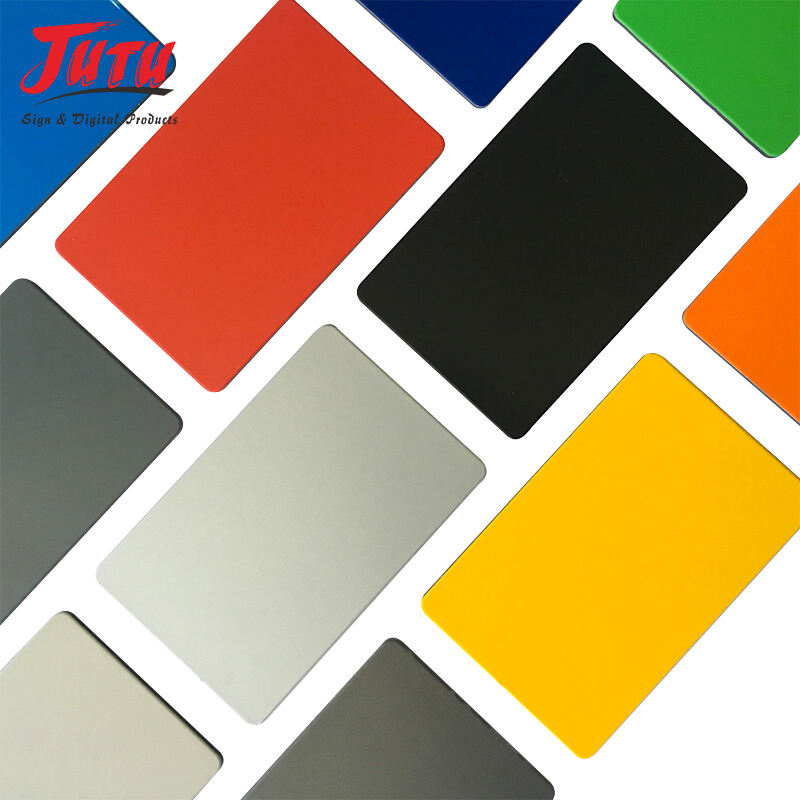
Aluminium composite panel material offers unparalleled design flexibility that empowers architects and designers to create stunning facades and interior elements while maintaining practical performance requirements. The formability of aluminium composite panel material enables complex three-dimensional shapes and curved surfaces that would be difficult or impossible to achieve with traditional rigid materials. Advanced fabrication techniques allow precise bending, routing, and shaping of panels to accommodate architectural visions ranging from subtle radius corners to dramatic sculptural forms. This fabrication capability extends creative possibilities beyond conventional flat panel applications, enabling dynamic facade compositions that respond to light and viewing angles throughout the day. Custom finishing options for aluminium composite panel material include an extensive palette of colors, textures, and surface treatments that support diverse architectural styles and branding requirements. Digital printing technologies enable photographic reproduction, gradient effects, and complex graphics directly onto panel surfaces, creating opportunities for artistic expression and corporate identity integration. Metallic finishes, wood grain textures, and stone-like appearances provide aesthetic alternatives to natural materials while maintaining the performance advantages of aluminium composite panel material. These finish options remain colorfast and dimensionally stable under environmental exposure, ensuring long-term design integrity. Dimensional capabilities of aluminium composite panel material accommodate both large-scale architectural applications and detailed design elements. Standard panel sizes reach up to 6 feet by 12 feet or larger, enabling seamless coverage of substantial wall areas with minimal joints. Conversely, the material can be fabricated into small accent pieces for interior design applications or signage elements. This size flexibility supports design continuity between exterior and interior applications using consistent materials and finishes. Installation orientation options for aluminium composite panel material include horizontal, vertical, or diagonal patterns that create distinct visual effects and architectural character. Panel joint details can be designed to emphasize or minimize seam lines according to aesthetic preferences, with options ranging from prominent reveal patterns to virtually invisible connections. The compatibility of aluminium composite panel material with various attachment systems enables integration with glazing systems, structural elements, and building services without compromising design intent or performance requirements.