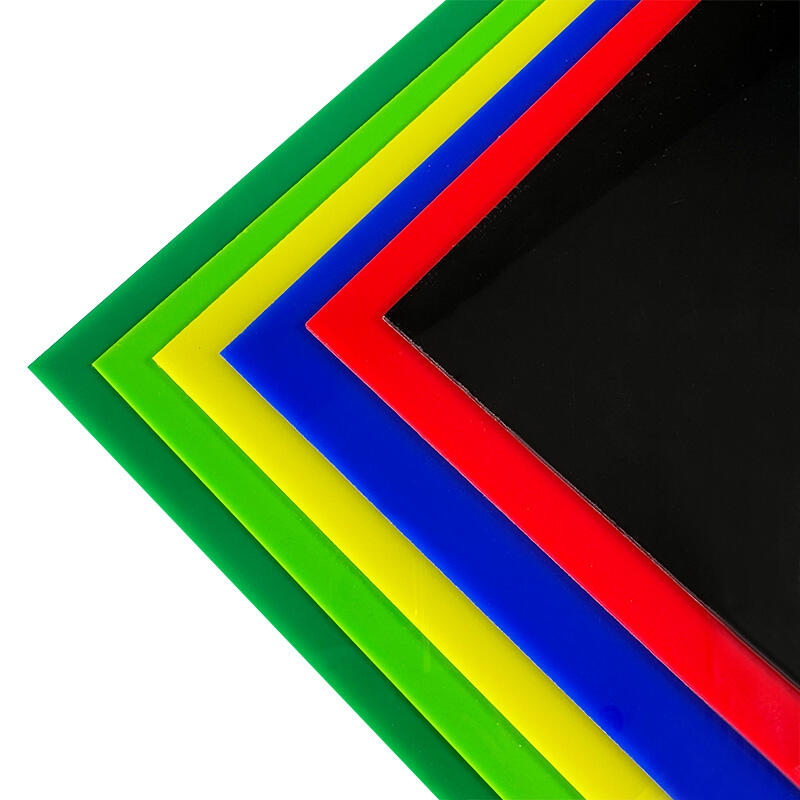
acrylic sheet bending
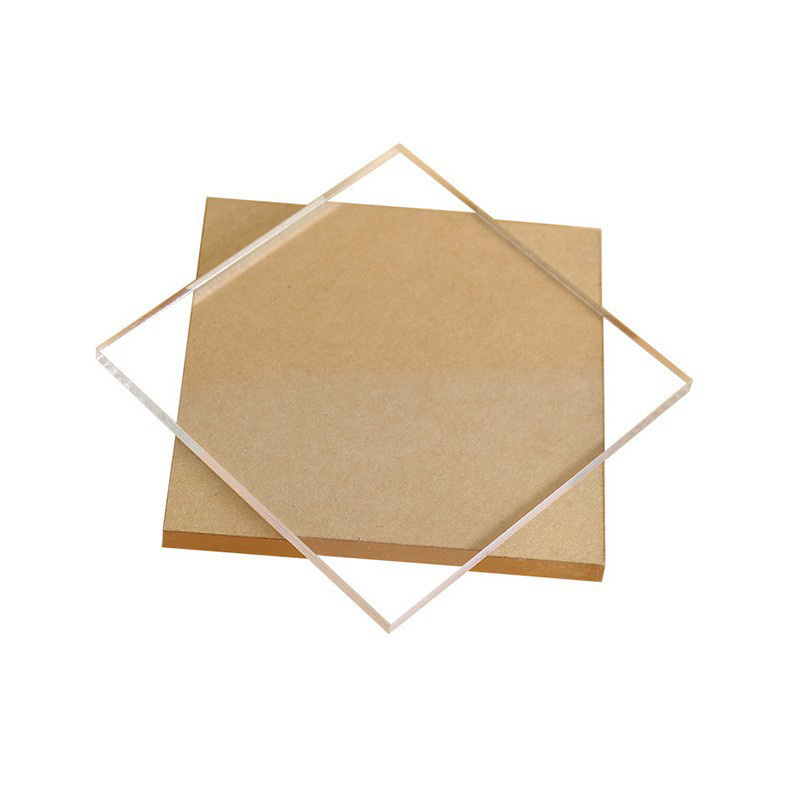
Acrylic sheet bending represents a sophisticated manufacturing process that transforms flat acrylic panels into curved, three-dimensional structures through controlled heat application and precise molding techniques. This thermoplastic fabrication method allows manufacturers and designers to create custom-shaped components that maintain the exceptional clarity, durability, and aesthetic appeal characteristic of acrylic materials. The acrylic sheet bending process involves heating the material to its glass transition temperature, typically between 160-180°C, making it pliable enough to conform to specific shapes while preserving its structural integrity. The technological features of acrylic sheet bending include precise temperature control systems, specialized forming tools, and computer-controlled equipment that ensures consistent results across multiple production runs. Advanced facilities utilize infrared heating elements, hot air circulation systems, and programmable controllers to achieve optimal bending parameters for different thicknesses and grades of acrylic materials. The process accommodates various bending radii, from tight curves to gentle arcs, depending on the material thickness and specific application requirements. Modern acrylic sheet bending operations incorporate quality control measures such as dimensional verification, optical clarity testing, and stress analysis to guarantee finished products meet exacting standards. Applications for acrylic sheet bending span numerous industries including architectural glazing, retail displays, automotive components, marine applications, and medical device housings. In architectural projects, bent acrylic sheets create stunning curved windows, skylights, and decorative panels that combine functionality with visual impact. Retail environments benefit from custom-curved display cases, point-of-purchase materials, and illuminated signage that captures customer attention while showcasing products effectively. The automotive industry utilizes bent acrylic components for headlight lenses, instrument panel covers, and decorative trim elements that require both optical clarity and precise dimensional accuracy.
 EN
EN