ACP Composite Panel: Superior Aluminum Cladding Solutions for Modern Architecture

Get a Free Quote

Our representative will contact you soon.
Email
Name
Company Name
Message
0/1000

acp composite panel

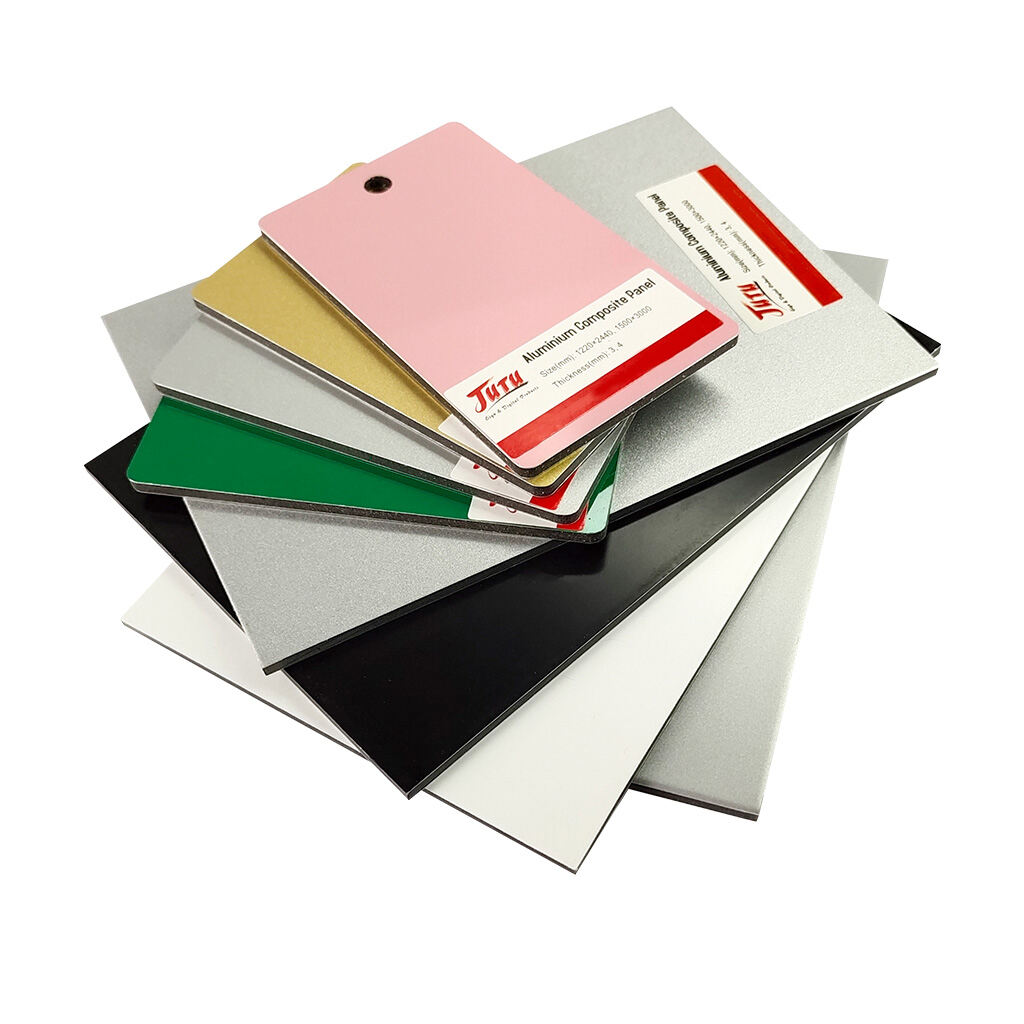
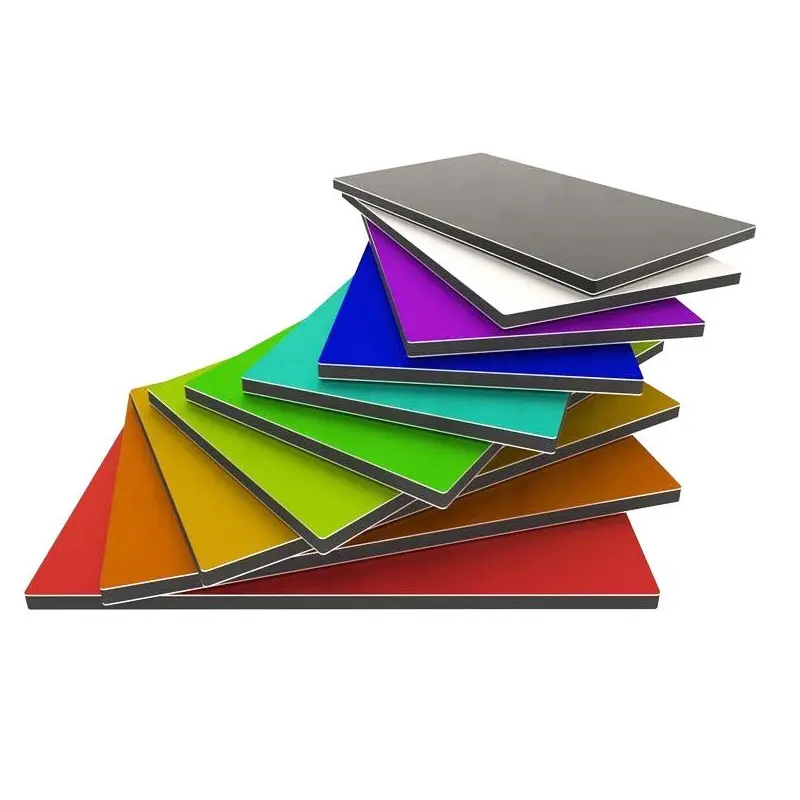
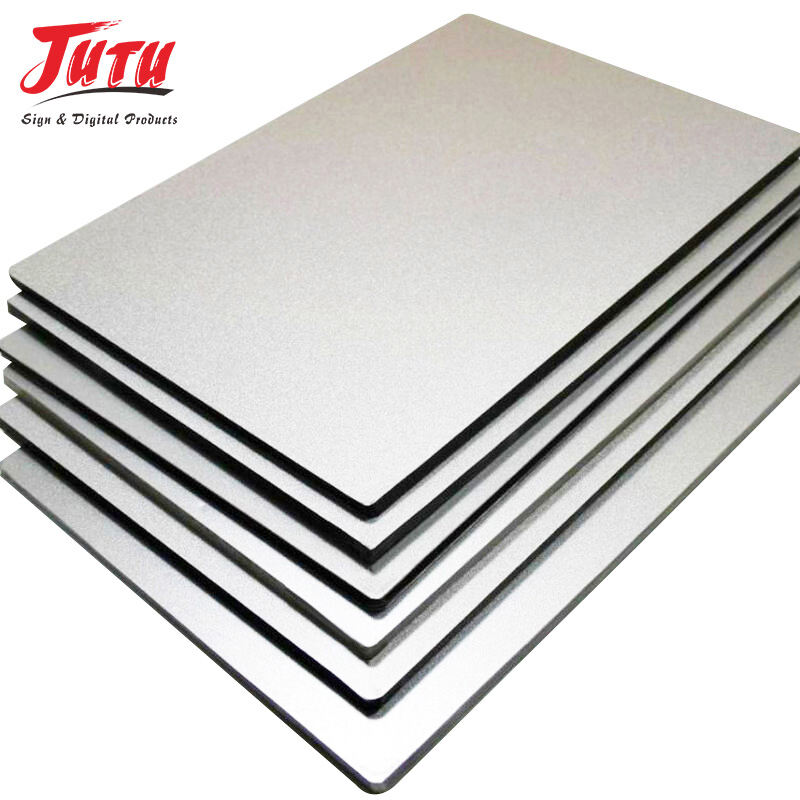
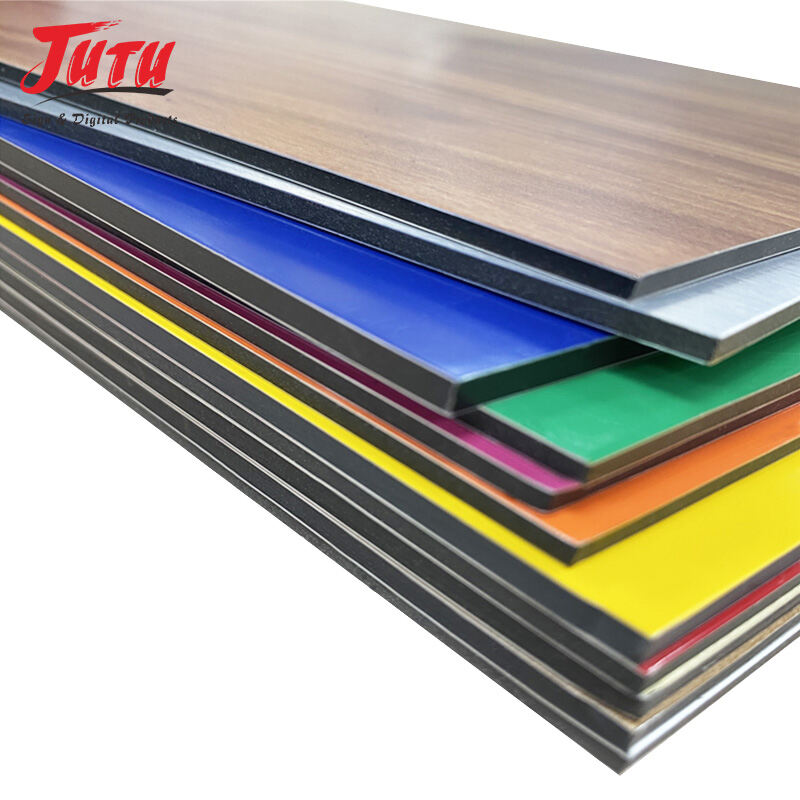
The ACP composite panel, also known as Aluminum Composite Panel, represents a revolutionary building material that has transformed modern construction and architectural design. This innovative panel consists of two thin aluminum sheets bonded to a non-aluminum core, typically made from polyethylene, mineral-filled core, or fire-retardant materials. The ACP composite panel delivers exceptional performance through its unique three-layer sandwich construction, combining the strength and durability of aluminum with the lightweight properties of the core material. The manufacturing process involves continuous lamination under controlled temperature and pressure, ensuring consistent quality and superior bonding between layers. These panels typically measure 3-6mm in thickness, with aluminum skins ranging from 0.2-0.5mm, providing optimal balance between structural integrity and weight efficiency. The core material contributes significantly to the panel's thermal and acoustic insulation properties while maintaining dimensional stability across varying environmental conditions. ACP composite panel technology incorporates advanced surface treatments including PVDF coating, polyester coating, and anodizing processes that enhance weather resistance, color retention, and surface durability. The panels exhibit excellent flatness characteristics, with minimal thermal expansion coefficients that prevent warping and buckling under temperature fluctuations. Installation versatility remains a key technological feature, as the ACP composite panel can be easily cut, bent, and shaped using standard metalworking tools, accommodating complex architectural geometries and design requirements. The material demonstrates superior resistance to corrosion, UV radiation, and chemical exposure, making it suitable for both interior and exterior applications. Primary applications include curtain wall systems, building facades, interior wall cladding, ceiling systems, signage solutions, and industrial enclosures. The ACP composite panel serves commercial buildings, residential developments, retail spaces, hospitals, educational facilities, and transportation infrastructure projects worldwide.

Popular Products

The ACP composite panel offers numerous practical benefits that make it an superior choice for construction and architectural projects. First, the lightweight nature of the ACP composite panel significantly reduces structural load requirements, allowing builders to minimize foundation costs and structural support systems while maintaining excellent strength-to-weight ratios. This weight advantage translates directly into lower transportation costs, easier handling during installation, and reduced labor requirements on construction sites. The material provides exceptional durability, withstanding harsh weather conditions, temperature extremes, and environmental stresses without deteriorating or losing its aesthetic appeal over decades of service life. Cost-effectiveness represents another major advantage, as the ACP composite panel typically costs less than traditional building materials like stone, brick, or solid metal panels while delivering comparable or superior performance characteristics. Installation speed increases dramatically with ACP composite panel systems, as the panels can be quickly mounted using standardized fastening systems, reducing project timelines and labor costs significantly. The material offers outstanding design flexibility, allowing architects and designers to create curved surfaces, complex geometries, and innovative facade systems that would be difficult or impossible to achieve with conventional materials. Fire safety properties have been enhanced in modern ACP composite panel formulations, with fire-retardant core materials meeting strict building codes and safety standards for high-rise construction applications. Maintenance requirements remain minimal throughout the panel's service life, as the surface coatings resist dirt accumulation, fading, and staining, requiring only periodic cleaning with standard detergents and water. Energy efficiency benefits include excellent thermal insulation properties that help reduce heating and cooling costs while improving indoor comfort levels. The ACP composite panel demonstrates superior resistance to impact damage, thermal cycling, and moisture penetration compared to many traditional cladding materials. Environmental considerations favor the ACP composite panel due to its recyclability, low embodied energy, and contribution to sustainable building practices. Color consistency and finish quality remain stable over time, ensuring that building facades maintain their intended appearance without frequent repainting or refinishing requirements.

Practical Tips

Aluminum Composite Plates: Versatility at Its Best

07

Nov

Aluminum Composite Plates: Versatility at Its Best

Exploring the Flexibility of Aluminum Composite Plates Aluminum Composite Plates have become a cornerstone material in modern architecture, advertising, and industrial design. Known for their strength, lightweight structure, and aesthetic flexibility...
View More
Durability and Clarity: What to Expect from Acrylic Board Manufacturers

07

Nov

Durability and Clarity: What to Expect from Acrylic Board Manufacturers

Acrylic boards offer unmatched strength and transparency. You can rely on their unique material properties to withstand impacts and maintain clarity over time. Advanced manufacturing techniques enhance their durability and clarity, making them ideal ...
View More
PVC Foam Sheet Applications in Industrial Fabrication and Prototyping

23

Dec

PVC Foam Sheet Applications in Industrial Fabrication and Prototyping

Modern industrial manufacturing and prototyping demands have created an increasing need for versatile, lightweight materials that can deliver exceptional performance across diverse applications. Among these materials, PVC foam sheet has emerged as a ...
View More
PVC Celuka Board Advantages in Moisture-Controlled Environments

23

Dec

PVC Celuka Board Advantages in Moisture-Controlled Environments

In moisture-controlled environments where humidity and water exposure present constant challenges, selecting the right building materials becomes critical for long-term performance and cost-effectiveness. PVC Celuka Board emerges as a superior soluti...
View More

Get a Free Quote

Our representative will contact you soon.
Email
Name
Company Name
Message
0/1000

acp composite panel

Superior Weather Resistance and Longevity

Superior Weather Resistance and Longevity

The ACP composite panel excels in weather resistance through its advanced multi-layer construction and specialized surface treatments that provide unmatched protection against environmental challenges. The outer aluminum layers feature high-grade coatings such as PVDF (Polyvinylidene Fluoride) or polyester finishes that create an impermeable barrier against moisture, UV radiation, acid rain, and atmospheric pollutants. These protective coatings undergo rigorous testing including salt spray exposure, thermal cycling, and accelerated weathering to ensure long-term performance in diverse climatic conditions. The aluminum substrate itself possesses natural corrosion resistance properties that prevent rust and oxidation, while the polymer core maintains dimensional stability across temperature ranges from -40°C to +80°C. This thermal stability prevents the warping, cracking, and delamination issues commonly experienced with other cladding materials. The ACP composite panel's weather resistance extends to resistance against hail damage, wind loads up to 3000 Pa, and seismic movements, making it suitable for buildings in hurricane-prone regions and earthquake zones. Field performance data demonstrates that properly installed ACP composite panel systems maintain their structural integrity and aesthetic appearance for 20-30 years without significant degradation. The panel's closed-cell structure prevents water infiltration and vapor transmission, eliminating concerns about internal corrosion or freeze-thaw damage. Color stability testing reveals minimal fading even after prolonged exposure to intense UV radiation, ensuring that building facades retain their original appearance throughout their service life. Quality control measures during manufacturing include thickness uniformity verification, coating adhesion testing, and weather resistance validation according to international standards such as ASTM, AAMA, and EN specifications. This comprehensive weather protection translates into lower lifecycle costs for building owners, as the ACP composite panel eliminates the need for frequent maintenance, repainting, or panel replacement that characterizes less durable cladding materials.
Exceptional Design Flexibility and Aesthetic Versatility

Exceptional Design Flexibility and Aesthetic Versatility

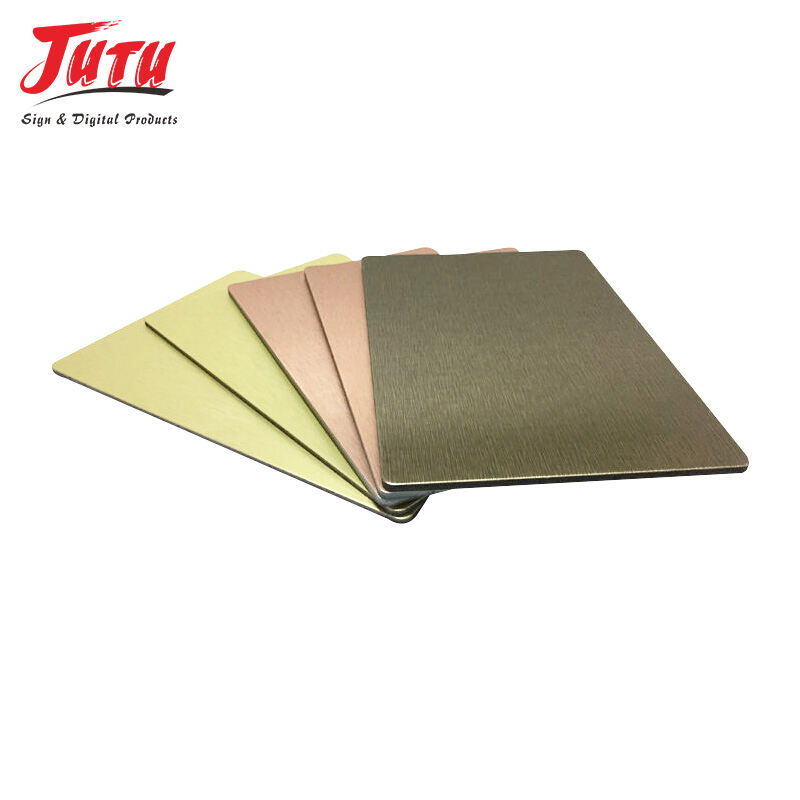
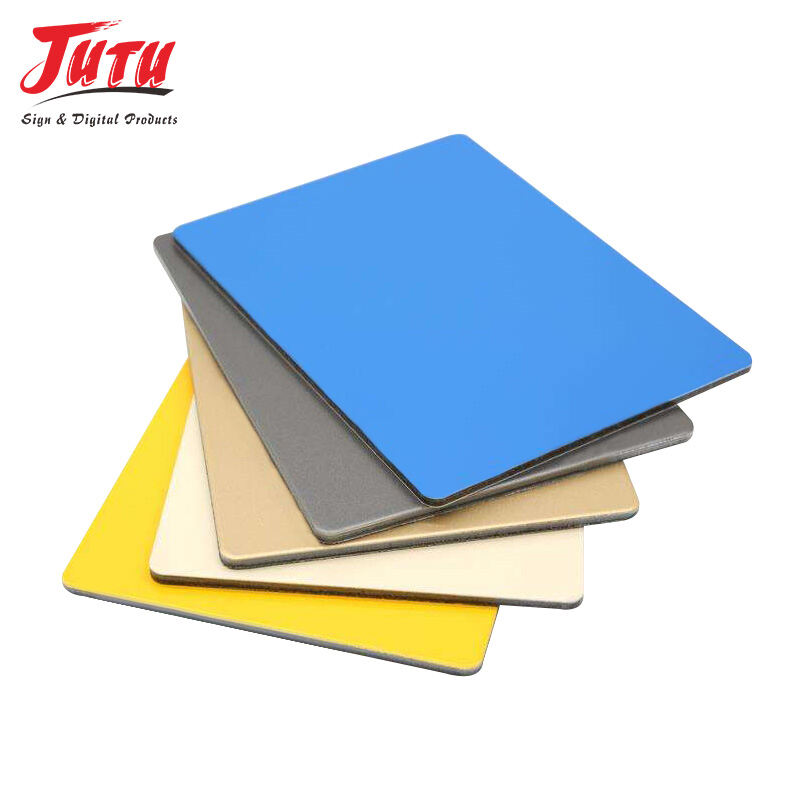
The ACP composite panel offers unparalleled design flexibility that empowers architects and designers to realize virtually any aesthetic vision while maintaining structural performance and cost efficiency. The material's unique composition allows for easy fabrication using standard metalworking tools, enabling the creation of complex three-dimensional shapes, curved surfaces, and intricate geometric patterns that would be prohibitively expensive or technically impossible with traditional building materials. Bending capabilities allow for radius formations as tight as 50mm for 3mm panels, opening possibilities for cylindrical facades, arched elements, and flowing architectural forms. The ACP composite panel accepts various surface finishes including brushed aluminum, mirror finishes, wood grain textures, stone patterns, and custom digital printing, providing unlimited aesthetic options for any architectural style. Color availability spans the entire spectrum with custom color matching capabilities, allowing projects to achieve precise brand colors or complement existing architectural elements. The material's smooth, flat surface provides an ideal substrate for architectural graphics, signage applications, and decorative elements that require precise detail and color accuracy. Perforation capabilities enable the creation of ventilated facades, acoustic panels, and decorative screens with varying transparency levels and visual effects. The ACP composite panel can be combined with other materials such as glass, steel, and natural stone to create sophisticated curtain wall systems that blend different textures and properties. Advanced fabrication techniques including CNC cutting, laser cutting, and water jet cutting allow for precise dimensional control and intricate cutout patterns. Installation systems accommodate both visible fastening methods for industrial aesthetics and concealed mounting systems for seamless appearances. The panel's lightweight nature enables the creation of large-format facade elements without requiring excessive structural support, allowing for expansive uninterrupted surfaces and dramatic architectural statements. Modular design capabilities facilitate rapid assembly and future modifications, making the ACP composite panel ideal for projects requiring phased construction or potential future renovations.
Outstanding Structural Performance and Safety Features

Outstanding Structural Performance and Safety Features

The ACP composite panel delivers exceptional structural performance through its engineered composite design that optimizes strength, rigidity, and safety characteristics for demanding construction applications. The three-layer sandwich construction creates a structural element that exhibits superior flexural strength compared to single-material alternatives of similar weight, with the aluminum skins carrying tensile and compressive loads while the core provides shear resistance and prevents buckling. Load-bearing capabilities vary with panel thickness and support spacing, but typical installations can accommodate wind loads exceeding 3000 Pa positive and negative pressures without permanent deformation. The material's high strength-to-weight ratio enables the spanning of large distances between structural supports, reducing the number of attachment points and simplifying installation procedures. Impact resistance testing demonstrates the ACP composite panel's ability to withstand mechanical damage from maintenance activities, weather events, and accidental impacts that might damage more brittle cladding materials. Fire performance has been significantly enhanced in modern ACP composite panel formulations through the development of mineral-filled cores and fire-retardant additives that meet stringent building code requirements for high-rise applications. Class A fire ratings are achievable with appropriate core materials, and smoke generation characteristics remain well within acceptable limits during fire exposure testing. The panel's thermal expansion coefficient closely matches that of aluminum structural framing systems, minimizing differential movement that could cause joint failure or water infiltration. Seismic performance benefits from the material's flexibility and ductility, allowing building facades to accommodate structural movements without cracking or detachment. Quality assurance programs monitor peel strength between aluminum skins and core material, ensuring consistent bonding that prevents delamination under service conditions. The ACP composite panel demonstrates excellent fatigue resistance under cyclic loading conditions, maintaining structural integrity throughout repeated thermal and wind loading cycles. Safety during installation is enhanced by the material's manageable weight and size, reducing the risk of handling accidents and allowing for safer working conditions at height. Testing protocols verify compliance with international standards for structural performance, ensuring that the ACP composite panel meets or exceeds requirements for commercial and residential construction applications across various geographic regions and climate zones.