PVC Free Foam Board: Superior Insulation, Durability & Fabrication Solutions

Get a Free Quote

Our representative will contact you soon.
Email
Name
Company Name
Message
0/1000

pvc free foam board

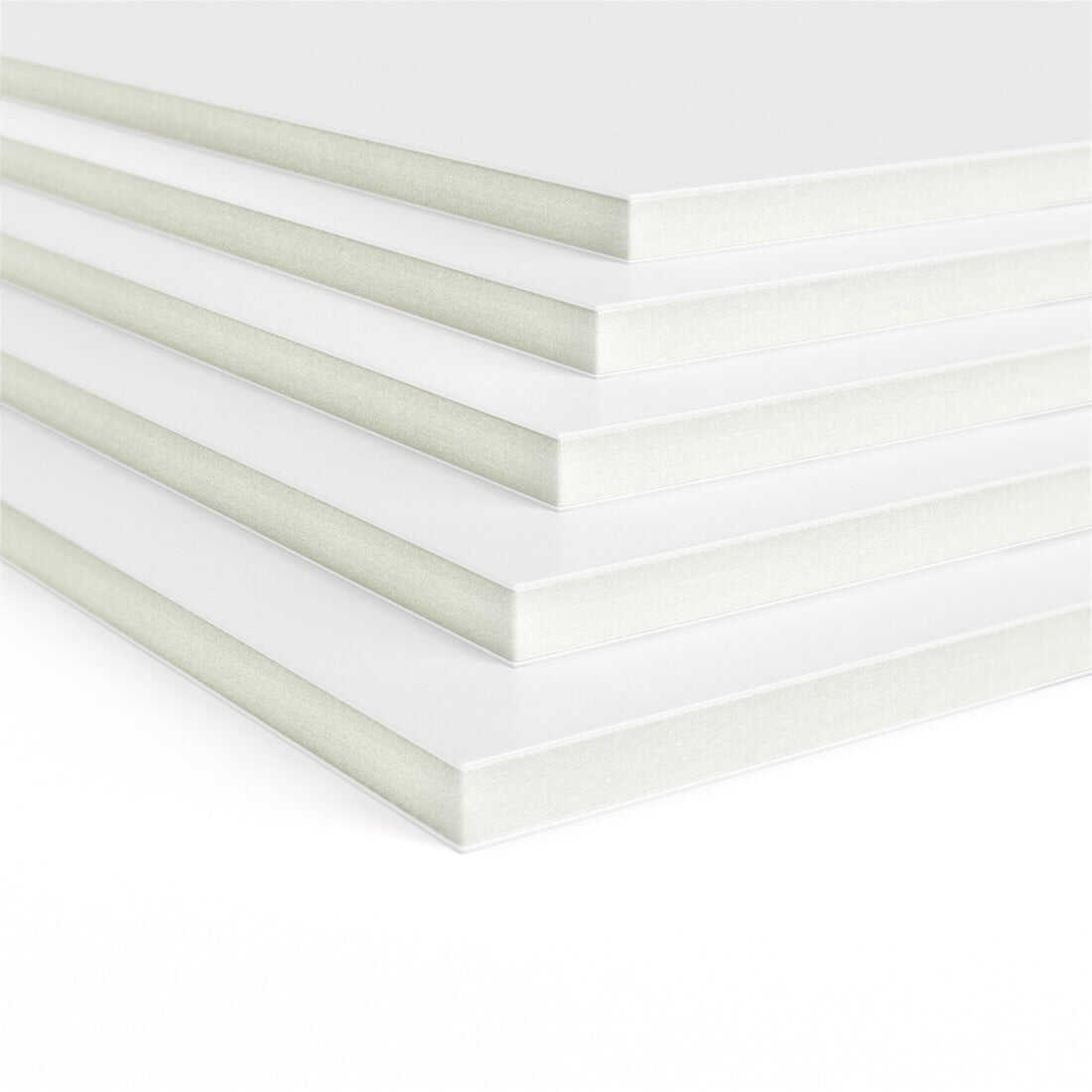
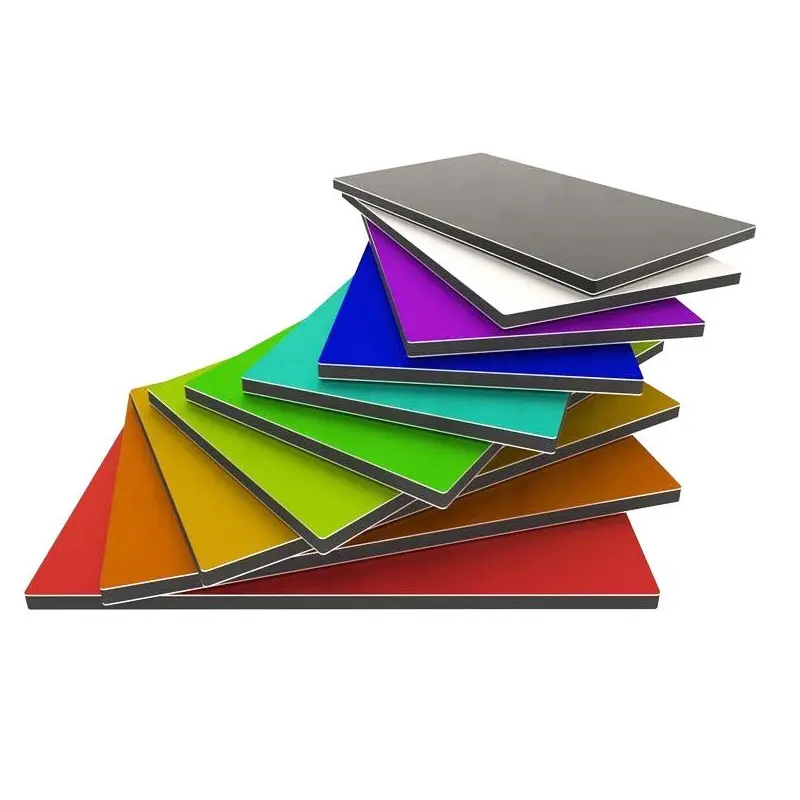
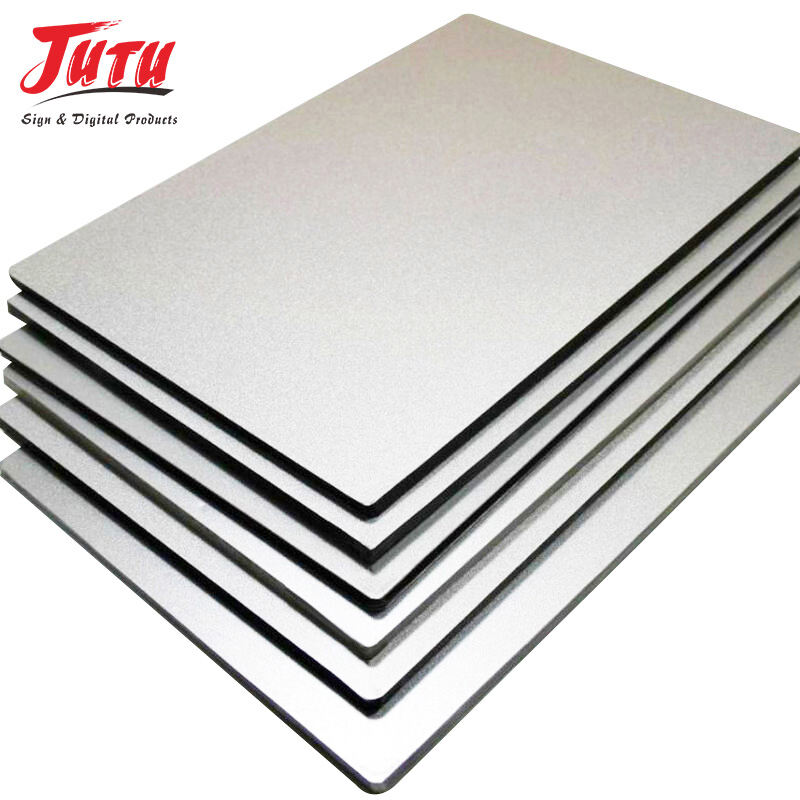
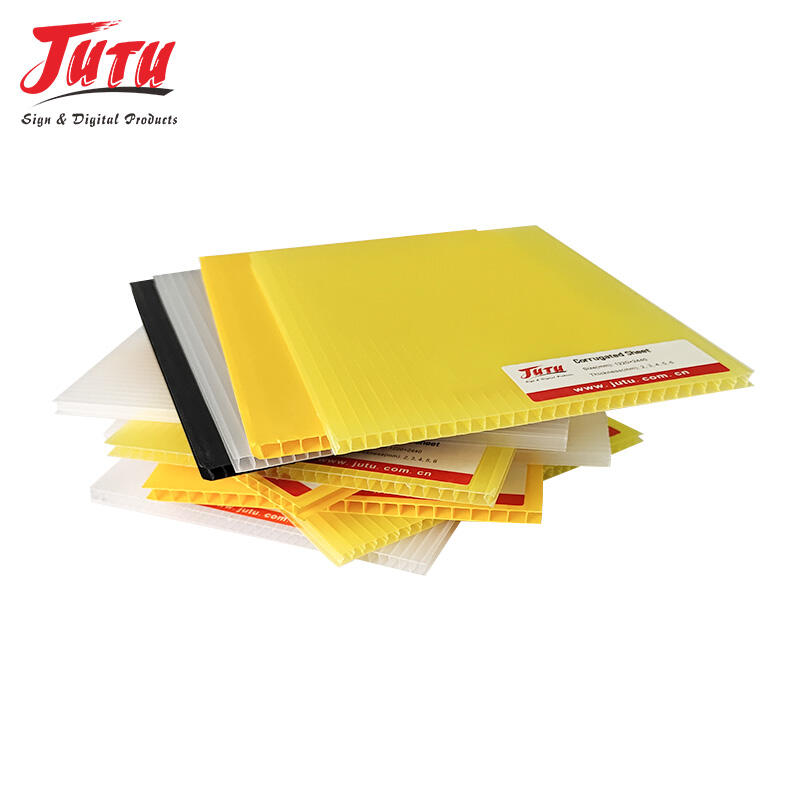
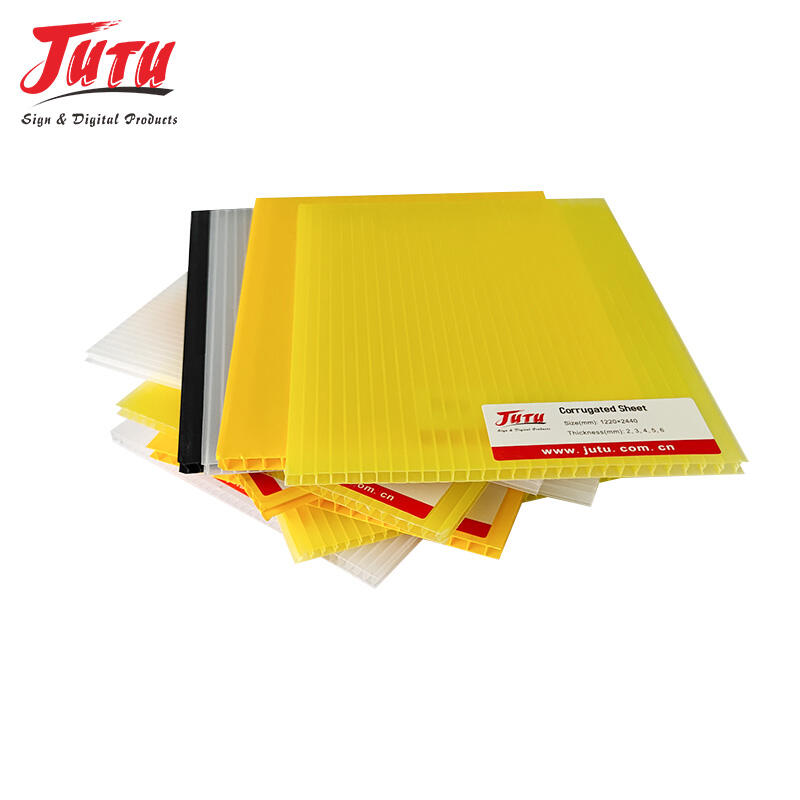
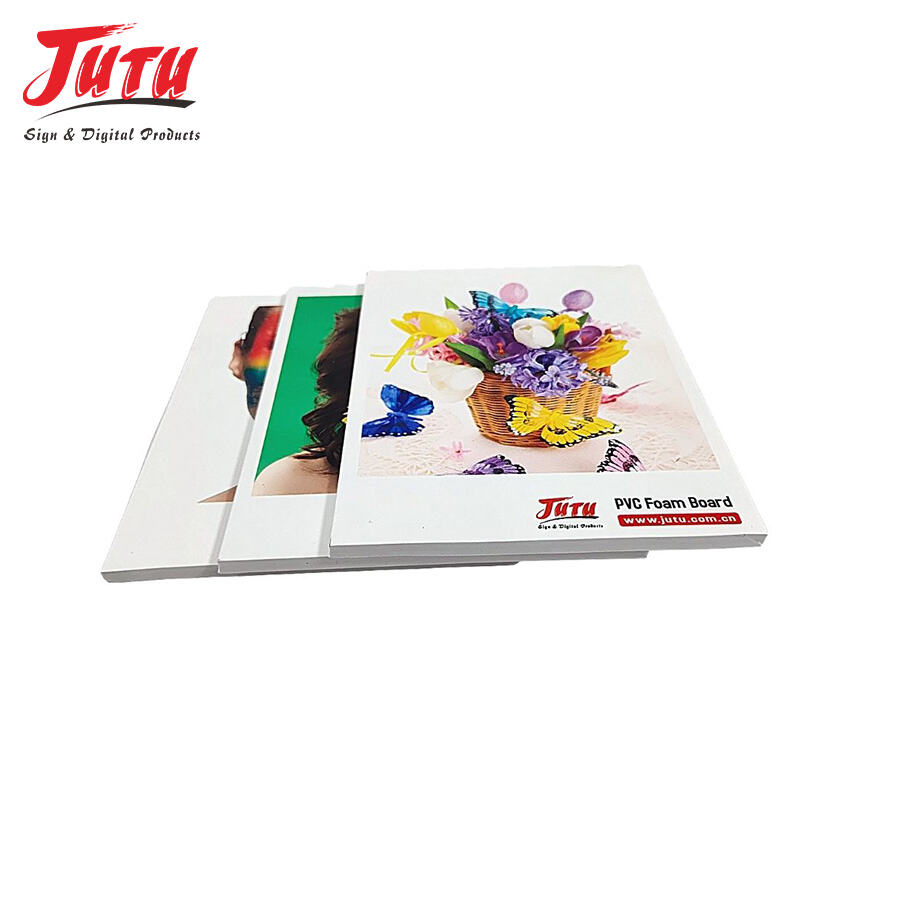
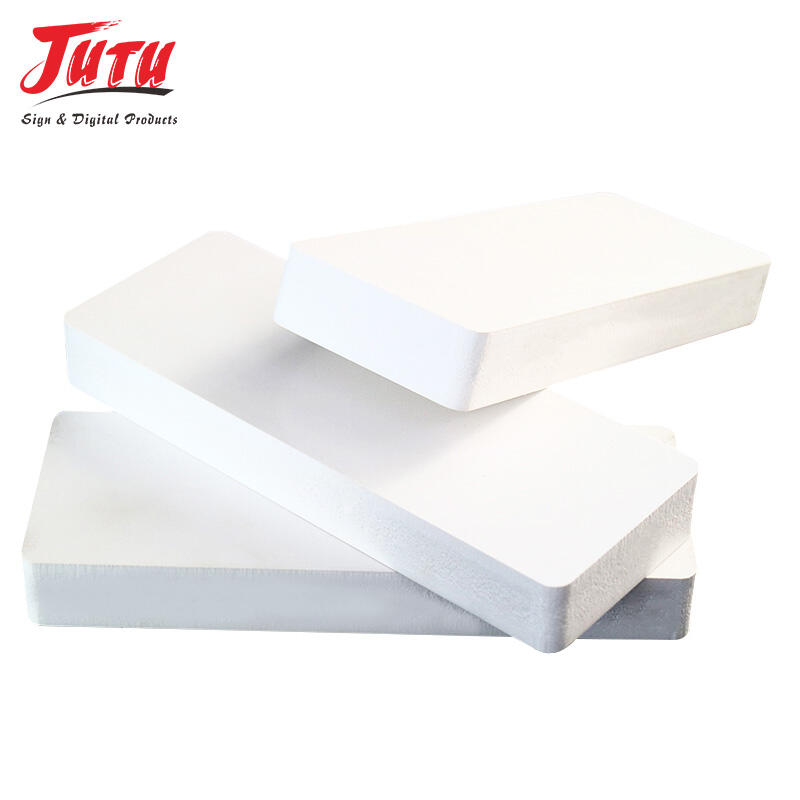
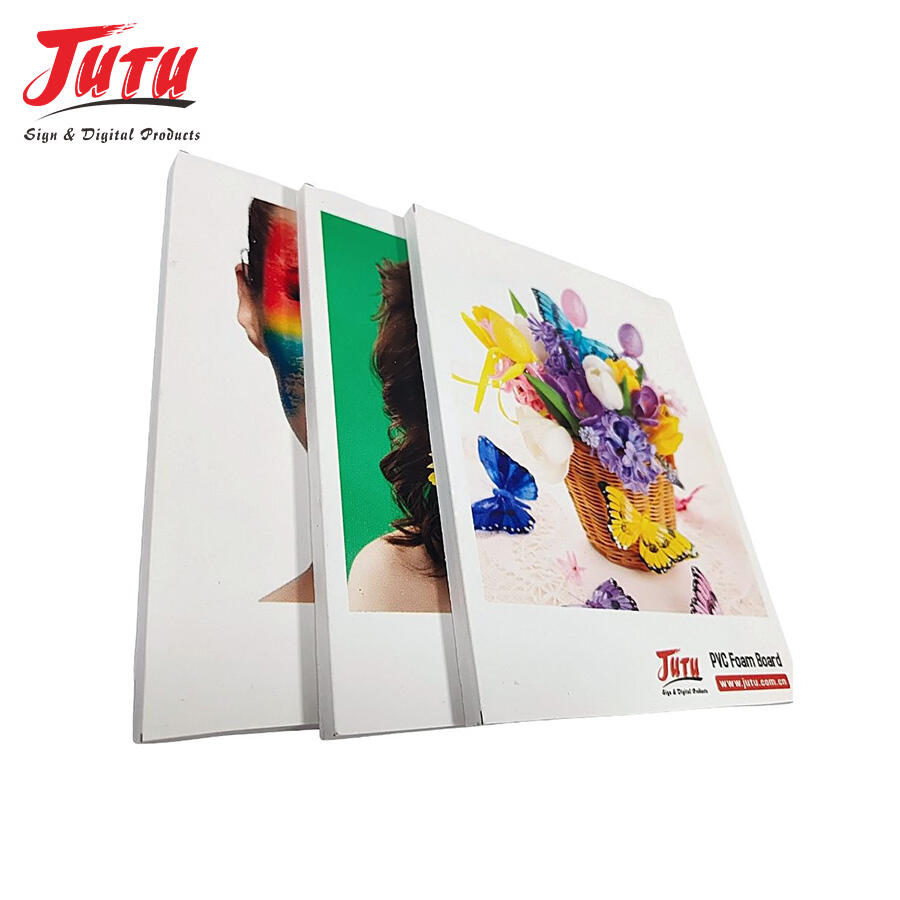
PVC free foam board represents a revolutionary advancement in rigid foam panel technology, offering exceptional versatility and performance across numerous industrial and commercial applications. This innovative material consists of a closed-cell foam core structure that delivers outstanding strength-to-weight ratios while maintaining superior dimensional stability. The pvc free foam board manufacturing process creates a uniform cellular structure that provides excellent insulation properties, making it ideal for temperature-sensitive applications. Unlike traditional materials, this foam board exhibits remarkable resistance to moisture absorption, ensuring long-term durability in challenging environmental conditions. The surface characteristics of pvc free foam board allow for easy fabrication, cutting, and shaping using standard woodworking tools, which significantly reduces processing costs and installation time. Manufacturing facilities produce pvc free foam board in various thicknesses and densities to meet specific project requirements, from lightweight applications requiring minimal structural support to heavy-duty installations demanding maximum load-bearing capacity. The chemical composition of this material ensures excellent compatibility with adhesives, paints, and surface treatments, enabling seamless integration into existing manufacturing workflows. Industrial designers particularly value the pvc free foam board for its consistent quality and predictable performance characteristics, which facilitate precise engineering calculations and reliable project outcomes. The thermal properties of this material make it suitable for applications ranging from refrigeration systems to building insulation, where maintaining stable temperatures is critical. Additionally, the pvc free foam board demonstrates excellent fire resistance properties when properly treated, meeting stringent safety standards required in construction and transportation industries. Its low density compared to traditional materials like plywood or metal panels translates to reduced shipping costs and easier handling during installation processes.

Popular Products

The pvc free foam board offers numerous compelling advantages that make it the preferred choice for professionals across diverse industries seeking reliable, cost-effective solutions. First and foremost, this material delivers exceptional durability that significantly outperforms conventional alternatives in harsh operating environments. The closed-cell structure of pvc free foam board prevents water infiltration, eliminating concerns about rot, decay, or structural degradation that commonly affect organic materials. This moisture resistance translates directly into reduced maintenance costs and extended service life, providing substantial long-term value for investment-conscious customers. The lightweight nature of pvc free foam board dramatically simplifies transportation and installation procedures, reducing labor costs and minimizing the need for heavy lifting equipment during construction projects. Workers can easily handle large panels without compromising safety or requiring additional personnel, which accelerates project timelines and improves overall productivity. Manufacturing precision ensures that each pvc free foam board maintains consistent dimensions and properties, eliminating the variability issues that often plague natural materials and lead to costly rework or project delays. The excellent machinability of this material allows fabricators to create complex shapes, precise cuts, and detailed profiles using standard tools, opening up design possibilities that would be prohibitively expensive with traditional materials. Chemical resistance properties protect pvc free foam board from degradation caused by common cleaning agents, industrial solvents, and environmental pollutants, ensuring appearance and performance remain stable throughout the product lifecycle. The thermal insulation capabilities of this material contribute to energy savings in climate-controlled applications, helping reduce operational costs while improving environmental sustainability. Surface preparation requirements for pvc free foam board are minimal compared to alternatives, as the smooth, uniform texture accepts paints, adhesives, and laminates without extensive preprocessing. Quality control during manufacturing ensures consistent cell structure throughout each panel, preventing weak spots or density variations that could compromise structural integrity. The versatility of pvc free foam board enables its use in applications ranging from signage and displays to structural components and insulation systems, making it a valuable inventory item for distributors serving multiple market segments.

Latest News

Aluminum Composite Plates: Versatility at Its Best

07

Nov

Aluminum Composite Plates: Versatility at Its Best

Exploring the Flexibility of Aluminum Composite Plates Aluminum Composite Plates have become a cornerstone material in modern architecture, advertising, and industrial design. Known for their strength, lightweight structure, and aesthetic flexibility...
View More
Durability and Clarity: What to Expect from Acrylic Board Manufacturers

07

Nov

Durability and Clarity: What to Expect from Acrylic Board Manufacturers

Acrylic boards offer unmatched strength and transparency. You can rely on their unique material properties to withstand impacts and maintain clarity over time. Advanced manufacturing techniques enhance their durability and clarity, making them ideal ...
View More
Structural Properties of Paper Foam Board in Lightweight Designs

06

Jan

Structural Properties of Paper Foam Board in Lightweight Designs

Modern manufacturing industries continuously seek materials that offer exceptional strength-to-weight ratios while maintaining cost-effectiveness and environmental sustainability. Paper foam board has emerged as a revolutionary solution in lightweigh...
View More
How Paper Foam Board Supports Eco-Friendly Packaging Solutions

06

Jan

How Paper Foam Board Supports Eco-Friendly Packaging Solutions

The packaging industry is undergoing a significant transformation as businesses increasingly prioritize sustainable alternatives to traditional materials. In this shift toward environmental responsibility, paper foam board has emerged as a revolution...
View More

Get a Free Quote

Our representative will contact you soon.
Email
Name
Company Name
Message
0/1000

pvc free foam board

Superior Moisture Resistance and Environmental Durability

Superior Moisture Resistance and Environmental Durability

The pvc free foam board sets itself apart through its exceptional moisture resistance capabilities, making it the ideal solution for applications where traditional materials would quickly deteriorate. The closed-cell foam structure creates an impermeable barrier that prevents water absorption, ensuring dimensional stability even in high-humidity environments or direct water exposure. This characteristic makes pvc free foam board particularly valuable in marine applications, outdoor signage, and industrial settings where moisture control is critical for maintaining operational efficiency. Unlike wood-based products that swell, warp, or rot when exposed to moisture, this advanced material maintains its original dimensions and structural properties indefinitely. The environmental durability extends beyond moisture resistance to include excellent UV stability, preventing the color fading and surface degradation that commonly affects outdoor installations. Chemical resistance properties protect the pvc free foam board from damage caused by cleaning agents, industrial chemicals, and atmospheric pollutants, ensuring long-term aesthetic appeal and functional performance. This durability translates into significant cost savings for facility managers and property owners, as replacement cycles are extended dramatically compared to traditional materials. The maintenance requirements for pvc free foam board are minimal, typically requiring only periodic cleaning with standard detergents to maintain appearance and performance. Temperature cycling tests demonstrate that this material withstands repeated freeze-thaw cycles without cracking or delamination, making it suitable for applications in extreme climate conditions. The structural integrity of pvc free foam board remains constant across its entire service life, providing reliable performance that engineers and architects can confidently specify in critical applications. Installation in coastal environments, where salt air accelerates corrosion of metal components and degradation of organic materials, showcases the superior longevity of this innovative solution. Quality assurance testing confirms that pvc free foam board maintains its properties after extended exposure to various environmental stressors, providing peace of mind for specifiers and end users alike.
Outstanding Thermal Insulation Performance

Outstanding Thermal Insulation Performance

The thermal insulation properties of pvc free foam board deliver exceptional energy efficiency benefits that translate directly into reduced operational costs and improved environmental sustainability. The cellular structure creates thousands of microscopic air pockets that effectively interrupt heat transfer, providing superior insulation performance compared to solid materials of similar thickness. This thermal barrier capability makes pvc free foam board an excellent choice for applications requiring temperature control, from refrigerated storage facilities to residential and commercial building insulation systems. The consistent cell structure ensures uniform thermal performance across the entire panel surface, eliminating hot spots or thermal bridging that can compromise overall system efficiency. Testing data demonstrates that pvc free foam board maintains its insulation properties across a wide temperature range, from sub-zero conditions to elevated temperatures encountered in industrial applications. The low thermal conductivity coefficient of this material enables thinner wall constructions while achieving equivalent or superior insulation performance compared to traditional materials, maximizing usable interior space in building applications. Energy modeling studies show that incorporating pvc free foam board into building envelope systems can reduce heating and cooling costs by significant percentages, providing rapid return on investment through utility savings. The dimensional stability of this insulation material prevents the settling or compression that reduces effectiveness in many alternative products, ensuring consistent performance throughout the service life. Installation techniques for pvc free foam board thermal applications are straightforward, allowing for continuous insulation installation that minimizes thermal bridging at joints and connections. The compatibility with various cladding and finishing materials enables architects and designers to achieve desired aesthetic results while maintaining optimal thermal performance. Manufacturing quality control ensures consistent density and cell structure in every panel of pvc free foam board, providing predictable insulation values that engineers can rely upon for accurate energy calculations. The fire resistance properties of properly treated pvc free foam board make it suitable for insulation applications where building codes require specific flame spread and smoke generation ratings.
Exceptional Fabrication Flexibility and Processing Efficiency

Exceptional Fabrication Flexibility and Processing Efficiency

The fabrication advantages of pvc free foam board revolutionize manufacturing processes by offering unmatched workability and processing efficiency that significantly reduces production costs and lead times. Standard woodworking tools easily cut, shape, and machine this versatile material, eliminating the need for specialized equipment or extensive operator training that many alternative materials require. The consistent density and cellular structure of pvc free foam board ensure clean, precise cuts without chipping, splintering, or delamination, resulting in professional-quality finished products with minimal waste generation. Routing, drilling, and edge profiling operations proceed smoothly without the tool wear issues commonly encountered when processing abrasive or hard materials, reducing tooling costs and minimizing production downtime. The excellent dimensional stability of pvc free foam board prevents warping or distortion during machining operations, enabling tight tolerance work that meets demanding quality specifications without secondary operations. Adhesive bonding performance exceeds expectations due to the uniform surface porosity that promotes strong mechanical and chemical bonds with various adhesive systems, from contact cements to structural acrylics. Surface preparation requirements are minimal since pvc free foam board arrives with a smooth, consistent texture that readily accepts paints, laminates, and other finishing materials without extensive preprocessing steps. The thermoforming capabilities of this material open up three-dimensional shaping possibilities that would be impossible or prohibitively expensive with rigid alternatives, enabling complex geometries and custom profiles for specialized applications. Assembly operations benefit from the lightweight nature of pvc free foam board, which reduces handling fatigue and allows for faster installation procedures that improve overall project productivity. The material compatibility extends to various fastening methods, including mechanical fasteners, adhesives, and welding techniques, providing flexibility in assembly design and manufacturing processes. Quality control during fabrication is simplified because pvc free foam board exhibits consistent properties throughout each panel, eliminating the variability concerns that complicate processing of natural materials. The clean machining characteristics minimize contamination in sensitive manufacturing environments, making this material suitable for applications in electronics, medical device, and food processing industries where cleanliness standards are paramount.