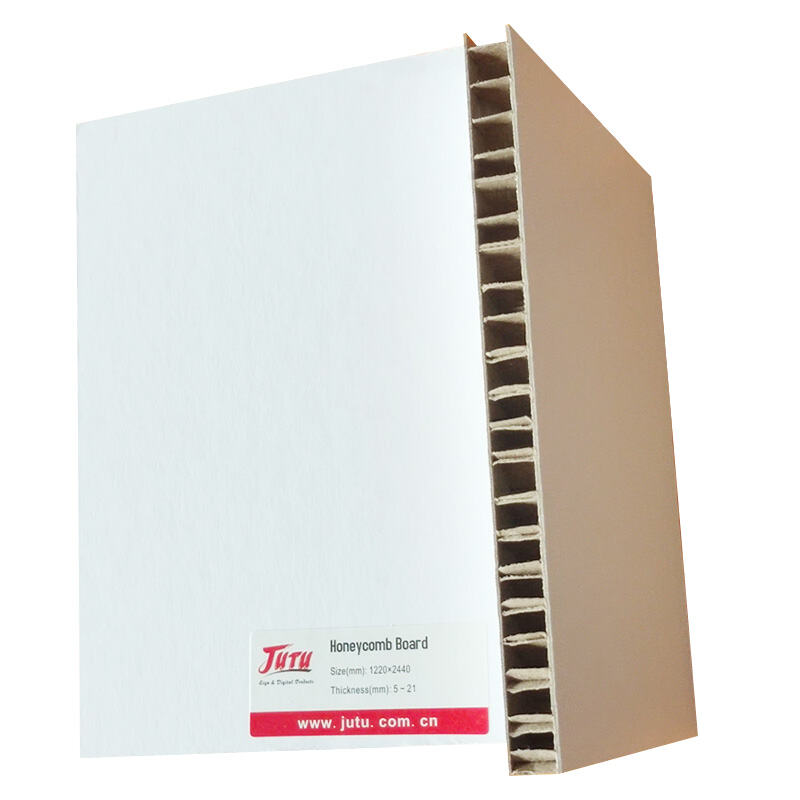
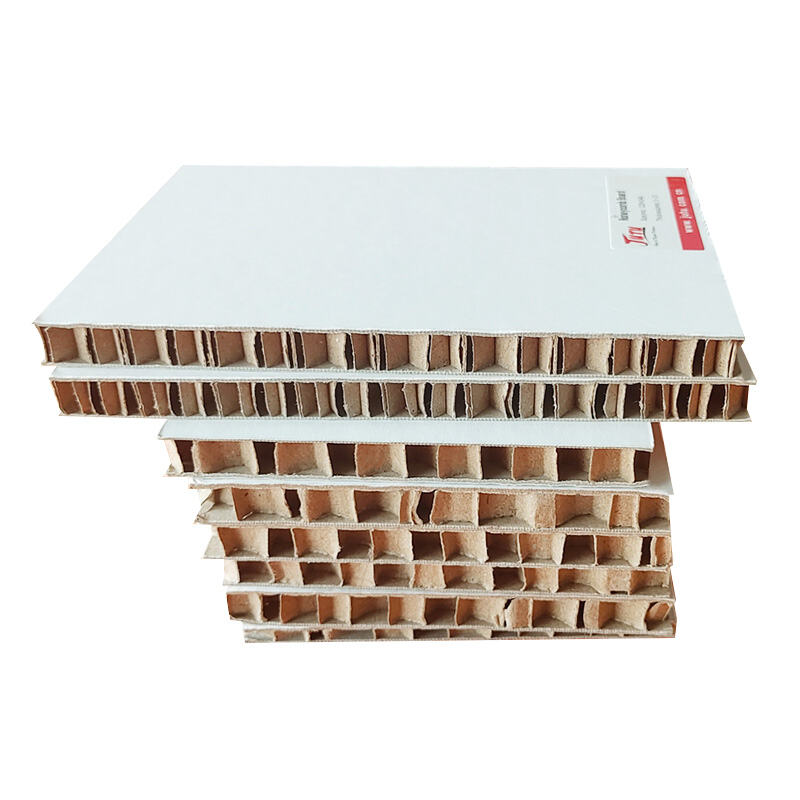
pvc foam sheet for laser cutting
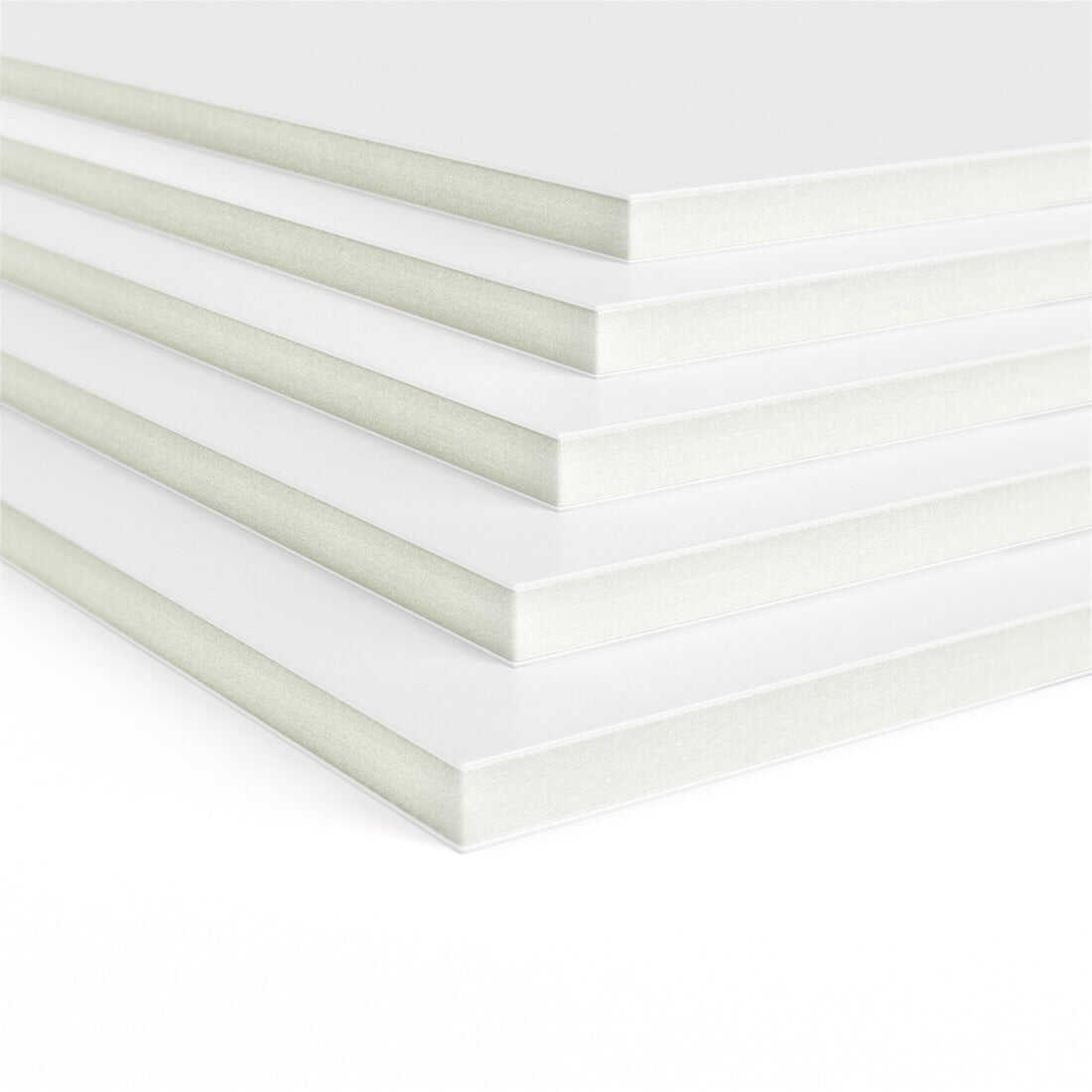
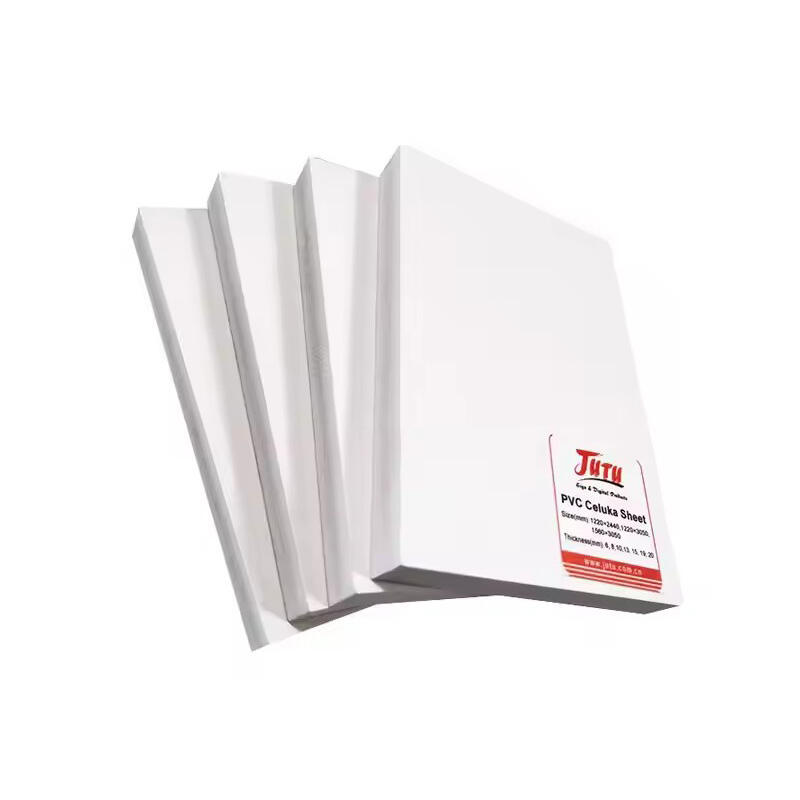
PVC foam sheet for laser cutting represents a revolutionary material solution that combines the lightweight properties of foam core construction with the precision cutting capabilities of modern laser technology. This specialized material consists of expanded polyvinyl chloride foam sandwiched between smooth outer surfaces, creating a versatile substrate ideal for various manufacturing and creative applications. The pvc foam sheet for laser cutting offers exceptional dimensional stability, making it perfect for projects requiring precise measurements and clean edges. Its closed-cell foam structure provides excellent insulation properties while maintaining structural integrity during the cutting process. The material's uniform density ensures consistent laser penetration, resulting in smooth, sealed edges that require minimal post-processing. This characteristic makes pvc foam sheet for laser cutting particularly valuable in industries where time efficiency and material waste reduction are critical factors. The sheets are available in various thicknesses ranging from 1mm to 25mm, accommodating diverse project requirements from delicate signage to robust architectural models. The surface finish of pvc foam sheet for laser cutting is designed to accept various printing methods, including digital printing, screen printing, and vinyl application, making it suitable for branding and decorative applications. Its chemical resistance properties ensure longevity in both indoor and outdoor environments, while the material's inherent flame-retardant characteristics meet safety standards required in commercial applications. The lightweight nature of pvc foam sheet for laser cutting, typically 50-60% lighter than solid PVC, reduces shipping costs and handling difficulties without compromising structural performance. Temperature stability ranges from -20°C to +60°C, making it suitable for applications in varying climatic conditions. The material's excellent machinability extends beyond laser cutting to include routing, drilling, and conventional cutting methods, providing manufacturers with multiple processing options depending on their equipment capabilities and production requirements.
 EN
EN