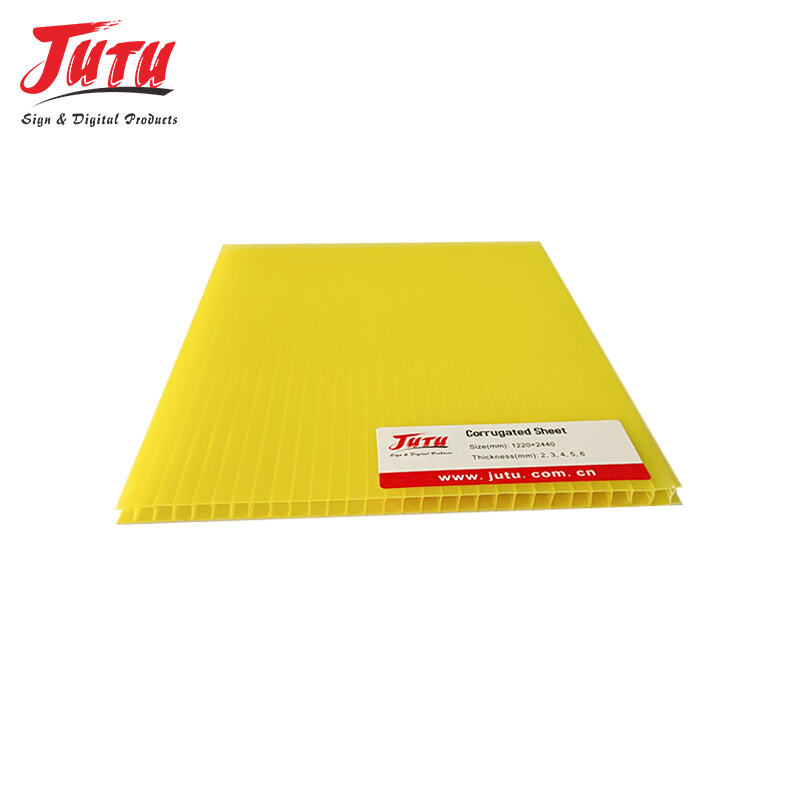
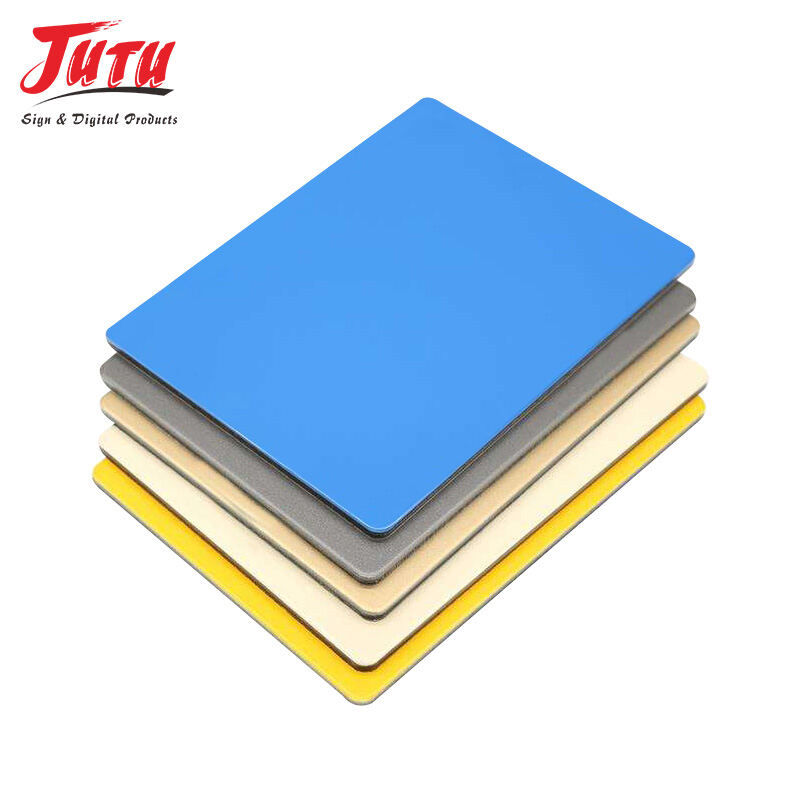
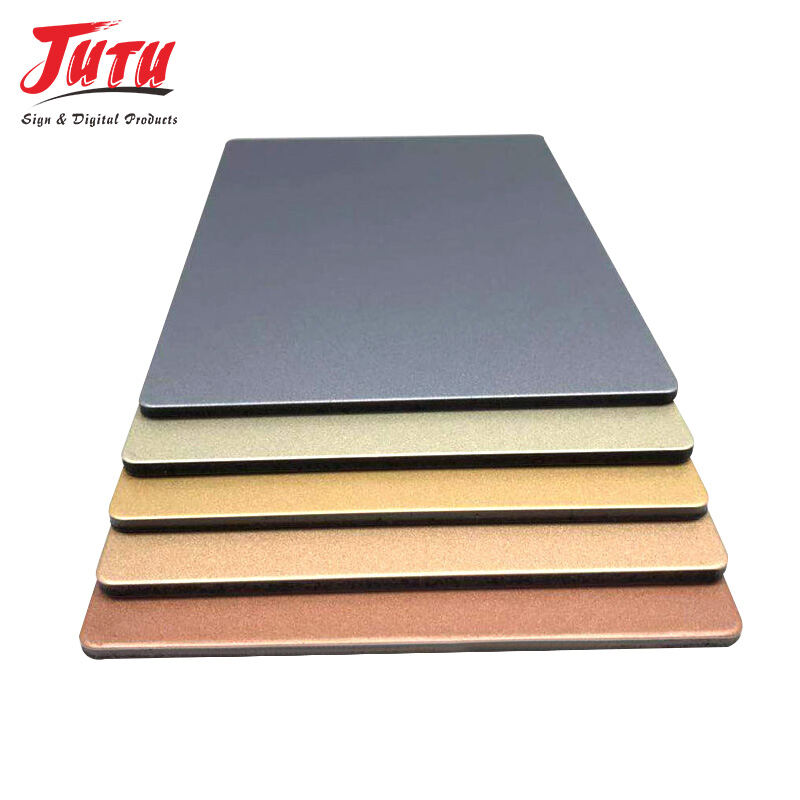
lightweight pvc foam sheet
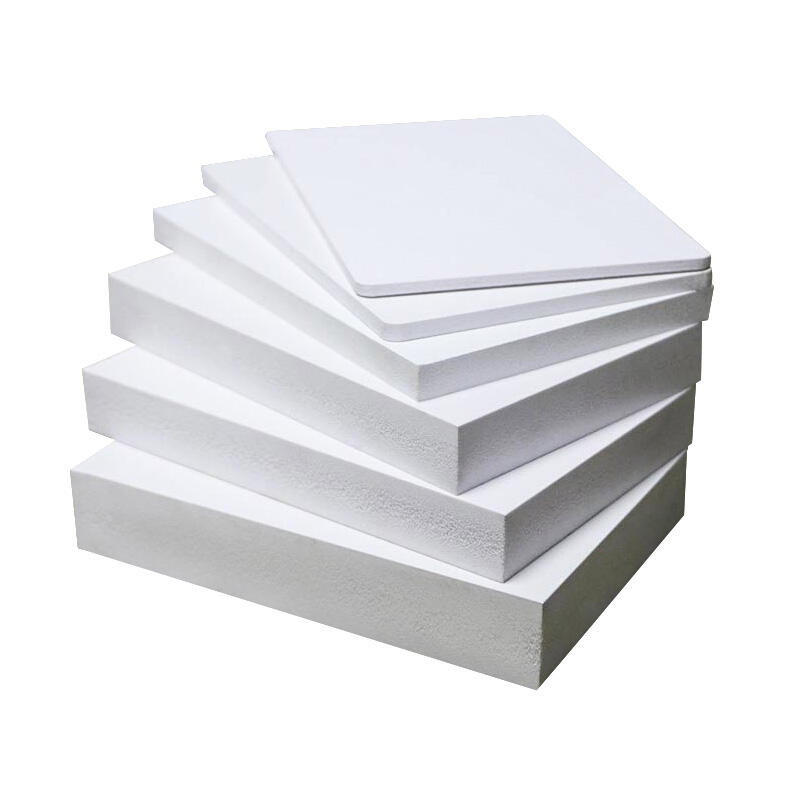
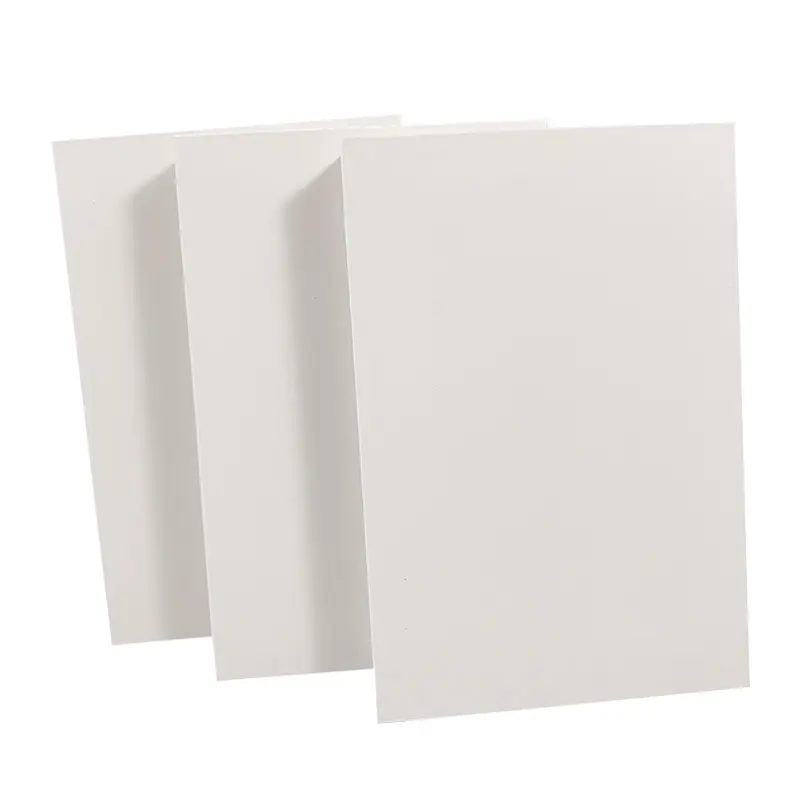
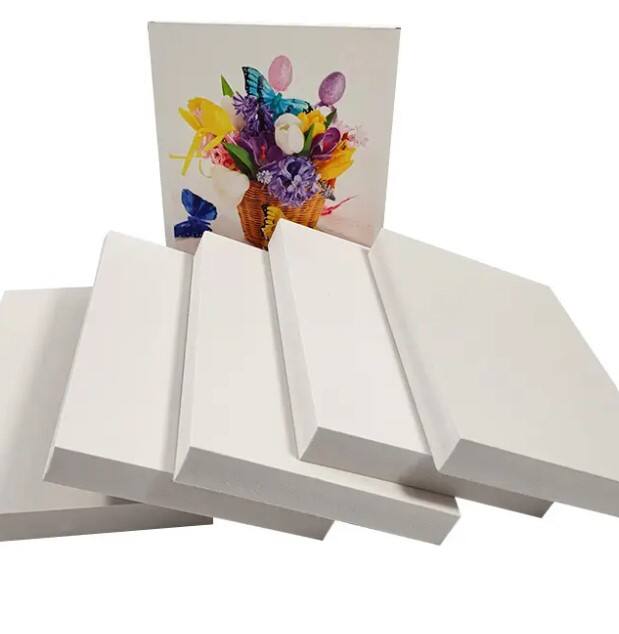
Lightweight PVC foam sheet represents a revolutionary building and construction material that combines exceptional durability with remarkable versatility. This innovative material consists of expanded polyvinyl chloride that undergoes a specialized foaming process, creating a cellular structure with closed-cell foam core. The manufacturing process involves heating PVC resin with chemical blowing agents, resulting in a material that maintains structural integrity while significantly reducing weight compared to solid PVC alternatives. The lightweight pvc foam sheet features a smooth, non-porous surface that resists moisture absorption and chemical corrosion. Its uniform density distribution ensures consistent performance across various applications, making it an ideal choice for both indoor and outdoor projects. The material exhibits excellent thermal insulation properties, helping maintain temperature control in buildings and reducing energy consumption. Key technological features include superior impact resistance, dimensional stability under temperature fluctuations, and excellent machinability that allows for easy cutting, drilling, and shaping. The lightweight pvc foam sheet offers outstanding fire retardancy, meeting stringent safety standards required in commercial and residential construction. Its closed-cell structure prevents water penetration, making it suitable for marine applications and humid environments. The material demonstrates remarkable UV resistance, maintaining color stability and structural properties even under prolonged sun exposure. Manufacturing precision ensures consistent thickness tolerance and surface quality, enabling seamless installation and professional finishing. The lightweight pvc foam sheet can be easily bonded with various adhesives, welded, or mechanically fastened, providing flexibility in assembly methods. Its chemical resistance extends to acids, alkalis, and organic solvents, ensuring long-term performance in challenging industrial environments. The material's low thermal conductivity contributes to energy efficiency in building applications, while its lightweight nature reduces structural load requirements and transportation costs.
 EN
EN