Premium PVC Foam Board for Construction - Durable, Lightweight Building Material Solutions

Get a Free Quote

Our representative will contact you soon.
Email
Name
Company Name
Message
0/1000

pvc foam board for construction

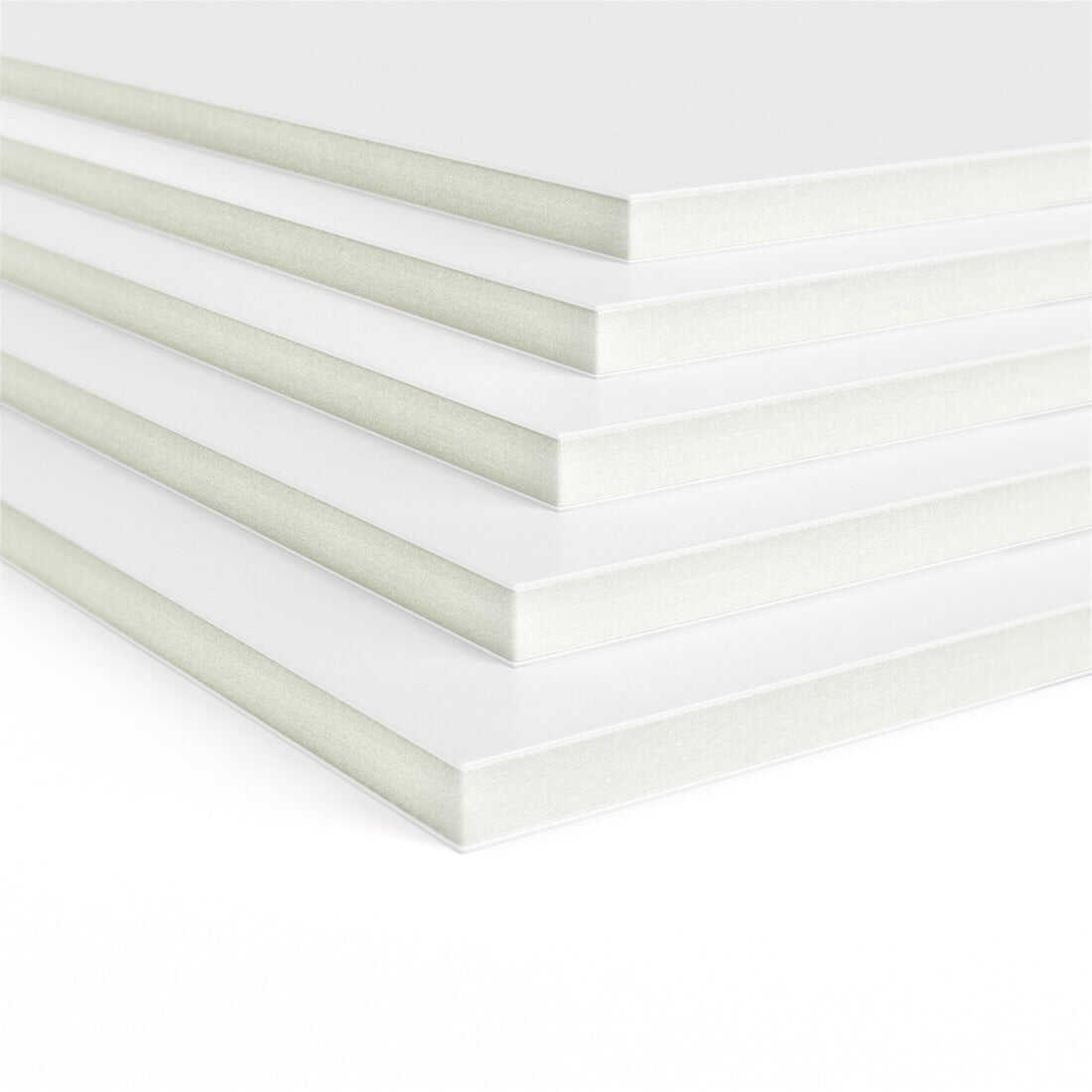
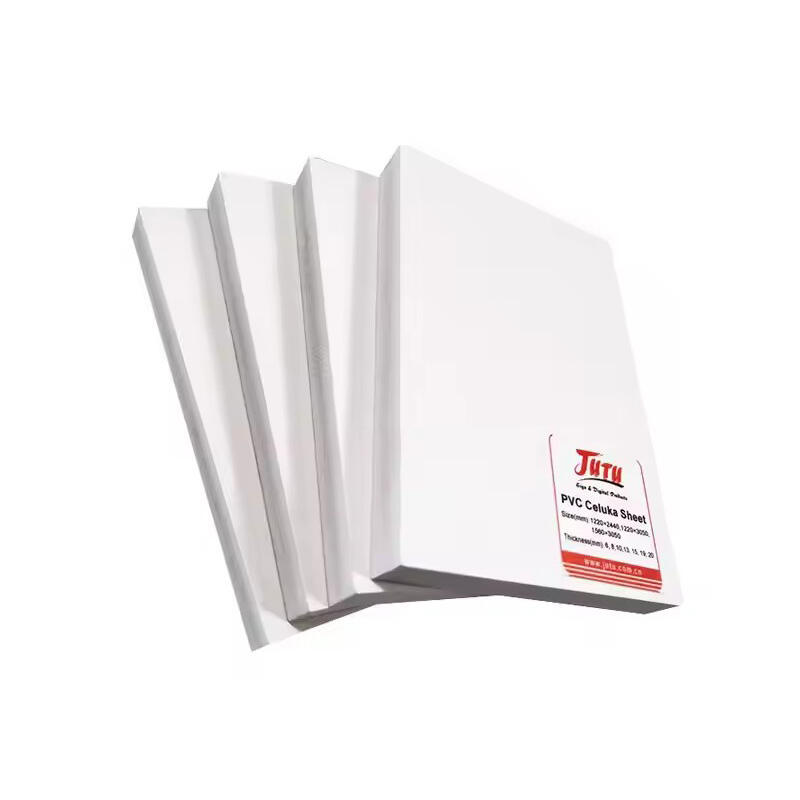
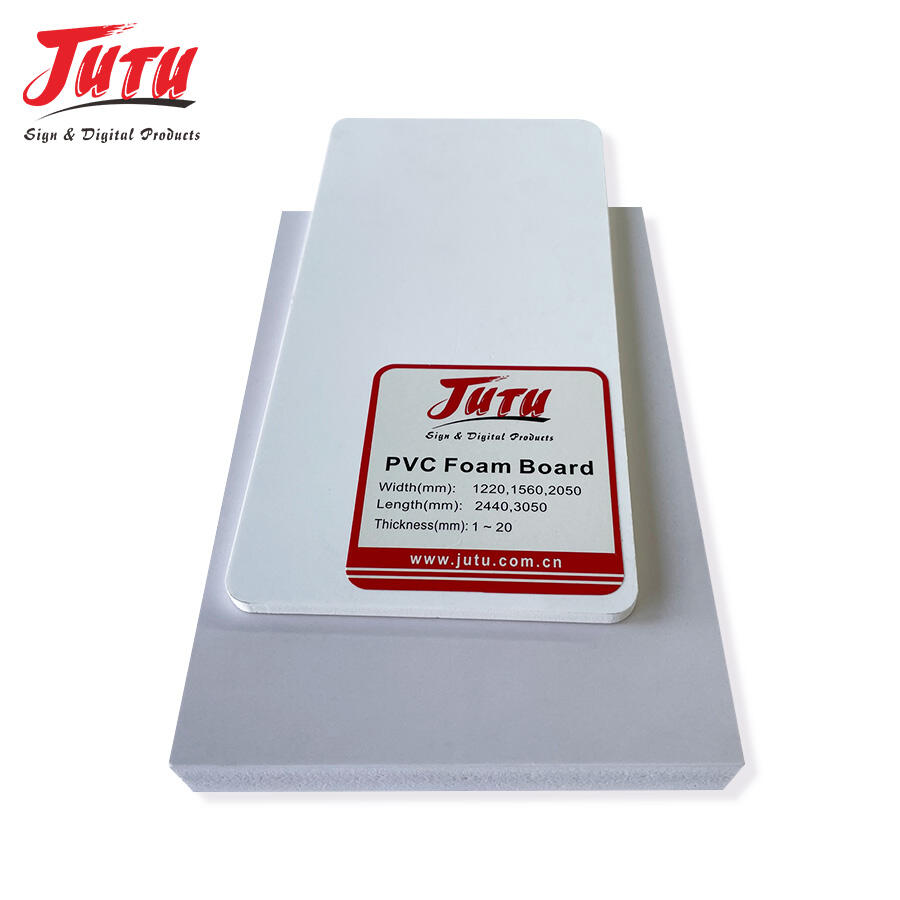
PVC foam board for construction represents a revolutionary building material that has transformed modern construction practices through its exceptional versatility and performance characteristics. This innovative material combines polyvinyl chloride with specialized foaming agents to create a lightweight yet robust sheet material that delivers outstanding structural integrity and weather resistance. The primary functions of PVC foam board for construction include providing thermal insulation, moisture barriers, decorative surfaces, and structural support elements in various building applications. Its closed-cell foam structure ensures superior insulation properties while maintaining excellent dimensional stability under varying environmental conditions. The technological features of PVC foam board for construction encompass advanced manufacturing processes that produce uniform density distribution, consistent thickness tolerances, and enhanced surface quality. These boards exhibit remarkable chemical resistance, UV stability, and fire retardant properties that make them ideal for both interior and exterior construction applications. The material's low thermal conductivity coefficient ensures effective energy conservation, while its lightweight nature reduces structural load requirements and installation costs. Construction applications for PVC foam board span across residential, commercial, and industrial projects, including wall cladding systems, roofing substrates, partition walls, cabinet fabrication, and decorative architectural elements. The boards can be easily cut, shaped, and joined using standard woodworking tools, making them highly suitable for custom construction requirements. Their smooth, non-porous surface accepts various finishes including paints, laminates, and vinyl wraps, providing unlimited design possibilities. The material's moisture resistance prevents mold growth and structural deterioration, ensuring long-term performance in humid environments. Additionally, PVC foam board for construction offers excellent sound dampening characteristics, contributing to improved acoustic comfort in residential and commercial spaces while maintaining structural integrity over extended periods.

New Products

PVC foam board for construction delivers exceptional advantages that significantly enhance building performance while reducing overall project costs and maintenance requirements. The primary benefit lies in its superior moisture resistance, which prevents water absorption and eliminates the risk of rot, mold, and structural decay that commonly affects traditional building materials. This moisture barrier capability extends building lifespan and reduces long-term maintenance expenses substantially. The lightweight nature of PVC foam board for construction provides tremendous installation advantages, allowing contractors to handle larger panels with fewer workers and reducing labor costs significantly. This weight reduction also minimizes structural load requirements, enabling architects to design more efficient building frameworks without compromising safety or performance standards. Thermal insulation properties of PVC foam board for construction contribute directly to energy efficiency improvements, reducing heating and cooling costs throughout the building's operational lifetime. The material's consistent R-value performance ensures predictable energy savings and helps buildings meet stringent energy code requirements. Fire resistance characteristics provide enhanced safety benefits, as PVC foam board for construction meets strict building codes and offers improved protection against fire hazards compared to traditional organic materials. The chemical resistance of this material ensures durability in harsh environments, including coastal areas with salt exposure and industrial settings with chemical vapors. Installation versatility represents another significant advantage, as PVC foam board for construction can be cut, drilled, and fastened using standard construction tools without specialized equipment requirements. This compatibility reduces project complexity and allows contractors to work efficiently with familiar techniques. The material's dimensional stability prevents warping, shrinking, or expanding under temperature variations, ensuring long-term structural integrity and aesthetic appearance. Surface preparation requirements are minimal, as the smooth, uniform texture accepts various finishes directly without extensive preparation work. Cost-effectiveness extends beyond initial purchase price to include reduced installation time, lower transportation costs due to lightweight properties, and minimal long-term maintenance requirements. Environmental benefits include recyclability and reduced waste generation during installation, supporting sustainable construction practices while delivering superior performance characteristics that exceed traditional building material capabilities.

Practical Tips

Acrylic Board Manufacturers: Shaping the Future of Plastics

07

Nov

Acrylic Board Manufacturers: Shaping the Future of Plastics

Acrylic boards have become indispensable in industries like construction, automotive, and healthcare. Their durability, transparency, and versatility make them a preferred material for diverse applications. Acrylic board manufacturers continue to inn...
View More
Innovative Architectural Uses of Acrylic Sheets in Modern Buildings

23

Dec

Innovative Architectural Uses of Acrylic Sheets in Modern Buildings

Modern architecture continues to evolve with innovative materials that offer both aesthetic appeal and functional benefits. Among these cutting-edge materials, acrylic sheets have emerged as a versatile solution that transforms conventional design ap...
View More
PVC Celuka Board Advantages in Moisture-Controlled Environments

23

Dec

PVC Celuka Board Advantages in Moisture-Controlled Environments

In moisture-controlled environments where humidity and water exposure present constant challenges, selecting the right building materials becomes critical for long-term performance and cost-effectiveness. PVC Celuka Board emerges as a superior soluti...
View More
How Aluminum Composite Panels Are Revolutionizing Skyscraper Facades

06

Jan

How Aluminum Composite Panels Are Revolutionizing Skyscraper Facades

Modern skyscraper construction has undergone a remarkable transformation, with aluminum composite panels emerging as the cornerstone of contemporary facade design. These innovative building materials combine the strength of aluminum with advanced com...
View More

Get a Free Quote

Our representative will contact you soon.
Email
Name
Company Name
Message
0/1000

pvc foam board for construction

Superior Moisture and Weather Protection

Superior Moisture and Weather Protection

PVC foam board for construction excels in providing unmatched moisture and weather protection that surpasses traditional building materials in both performance and longevity. The closed-cell foam structure creates an impermeable barrier that prevents water infiltration, making it ideal for applications in high-humidity environments, coastal regions, and areas prone to severe weather conditions. Unlike wood-based materials that absorb moisture and subsequently warp, rot, or develop mold, PVC foam board for construction maintains its structural integrity and appearance regardless of environmental exposure. This exceptional moisture resistance stems from the material's non-porous surface and chemical composition, which naturally repels water while preventing bacterial growth and pest infiltration. The weather protection capabilities extend beyond simple moisture resistance to include UV stability that prevents degradation from prolonged sun exposure. This characteristic ensures that exterior applications maintain their color, texture, and structural properties without fading, chalking, or becoming brittle over time. Temperature cycling, which causes expansion and contraction in many building materials, has minimal effect on PVC foam board for construction due to its stable polymer matrix and engineered foam structure. The material's ability to withstand freeze-thaw cycles without cracking or delaminating makes it particularly valuable in climates with significant seasonal temperature variations. Salt air exposure, which rapidly corrodes metal components and accelerates deterioration in organic materials, poses no threat to PVC foam board for construction, making it the preferred choice for marine environments and coastal construction projects. The protective qualities extend to chemical resistance against household cleaners, industrial solvents, and atmospheric pollutants that typically cause staining or surface degradation in other materials. This comprehensive weather and moisture protection translates to significantly reduced maintenance requirements, lower replacement costs, and enhanced building value over time, providing property owners with peace of mind and substantial long-term savings while ensuring consistent performance in demanding environmental conditions.
Exceptional Workability and Installation Efficiency

Exceptional Workability and Installation Efficiency

PVC foam board for construction offers outstanding workability characteristics that streamline installation processes and enable contractors to achieve professional results with standard tools and techniques. The material's homogeneous structure allows for clean, precise cuts using conventional saws, routers, and cutting tools without chipping, splintering, or creating rough edges that require additional finishing work. This exceptional machinability extends to drilling operations, where PVC foam board for construction produces clean holes without cracking or delamination, ensuring secure fastener installation and professional appearance. The lightweight nature of these boards significantly reduces physical strain on installation crews while enabling single-person handling of large panels, thereby improving job site safety and productivity. Unlike heavier alternatives that require multiple workers and specialized lifting equipment, PVC foam board for construction can be maneuvered easily into position and secured quickly using standard fastening methods. The material's flexibility allows for slight bending and contouring to accommodate minor surface irregularities without breaking or permanent deformation, ensuring proper fit and eliminating gaps that could compromise performance. Joining techniques for PVC foam board for construction include mechanical fastening, adhesive bonding, and welding methods that create strong, permanent connections suitable for various structural requirements. The smooth, consistent surface eliminates the need for extensive preparation work such as sanding, filling, or priming that other materials typically require before finishing. Installation efficiency gains become particularly evident in large-scale projects where time savings translate directly to reduced labor costs and faster project completion. The material's stability during handling prevents damage from minor impacts and rough handling that commonly occur on construction sites. Edge sealing and weatherproofing procedures are simplified due to the material's non-porous nature and compatibility with standard sealants and adhesives. These workability advantages enable contractors to maintain consistent quality standards while reducing installation time, minimizing material waste, and achieving superior finished results that meet or exceed customer expectations in both residential and commercial construction applications.
Long-term Cost Effectiveness and Sustainability

Long-term Cost Effectiveness and Sustainability

PVC foam board for construction delivers exceptional long-term cost effectiveness through its combination of durability, low maintenance requirements, and energy efficiency contributions that provide substantial savings over the building's operational lifetime. The initial investment in PVC foam board for construction quickly pays dividends through reduced replacement cycles, as the material's resistance to environmental degradation eliminates the need for frequent repairs or replacements that plague traditional building materials. This durability stems from the material's inherent resistance to biological attack, chemical exposure, and physical weathering that typically necessitate costly maintenance interventions. Energy efficiency benefits contribute significantly to operational cost savings through the material's excellent thermal insulation properties that reduce heating and cooling expenses year-round. The consistent R-value performance of PVC foam board for construction helps maintain comfortable interior temperatures while minimizing HVAC system workload and energy consumption. These energy savings compound over time, often offsetting the initial material cost within the first few years of building operation. Maintenance cost reductions represent another major economic advantage, as PVC foam board for construction requires only periodic cleaning with standard detergents rather than the painting, staining, sealing, or treatment procedures required by other materials. The material's color stability and surface integrity eliminate the need for refinishing work that adds ongoing costs to building ownership. Transportation and handling efficiencies contribute to project cost control through reduced shipping weights and simplified logistics requirements. The recyclability of PVC foam board for construction supports sustainable construction practices while providing potential end-of-life value recovery. Installation cost advantages include reduced labor requirements due to the material's workability and lightweight characteristics that enable faster completion times and lower crew requirements. Insurance benefits may apply due to the fire-resistant properties and enhanced building durability that PVC foam board for construction provides. The material's contribution to meeting energy code requirements can qualify projects for tax incentives and rebates that further improve economic returns. Long-term building value enhancement occurs through improved performance characteristics, reduced maintenance obligations, and enhanced aesthetic durability that maintains property appeal and marketability over extended periods, making PVC foam board for construction an intelligent investment for cost-conscious builders and property owners.