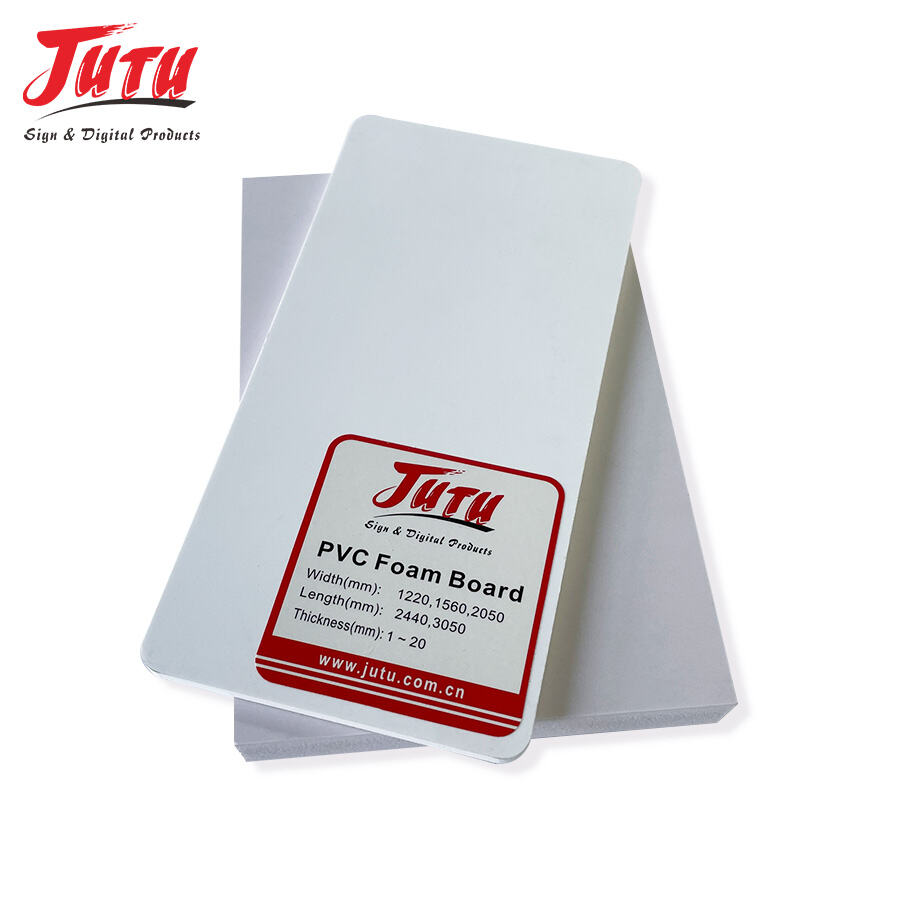
pvc celuka board for partitions
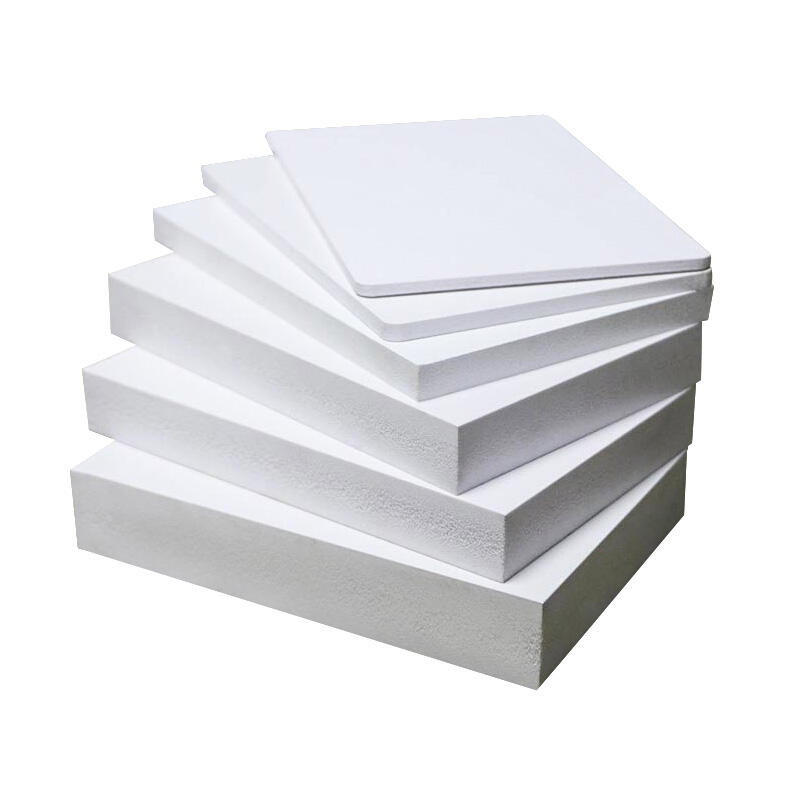
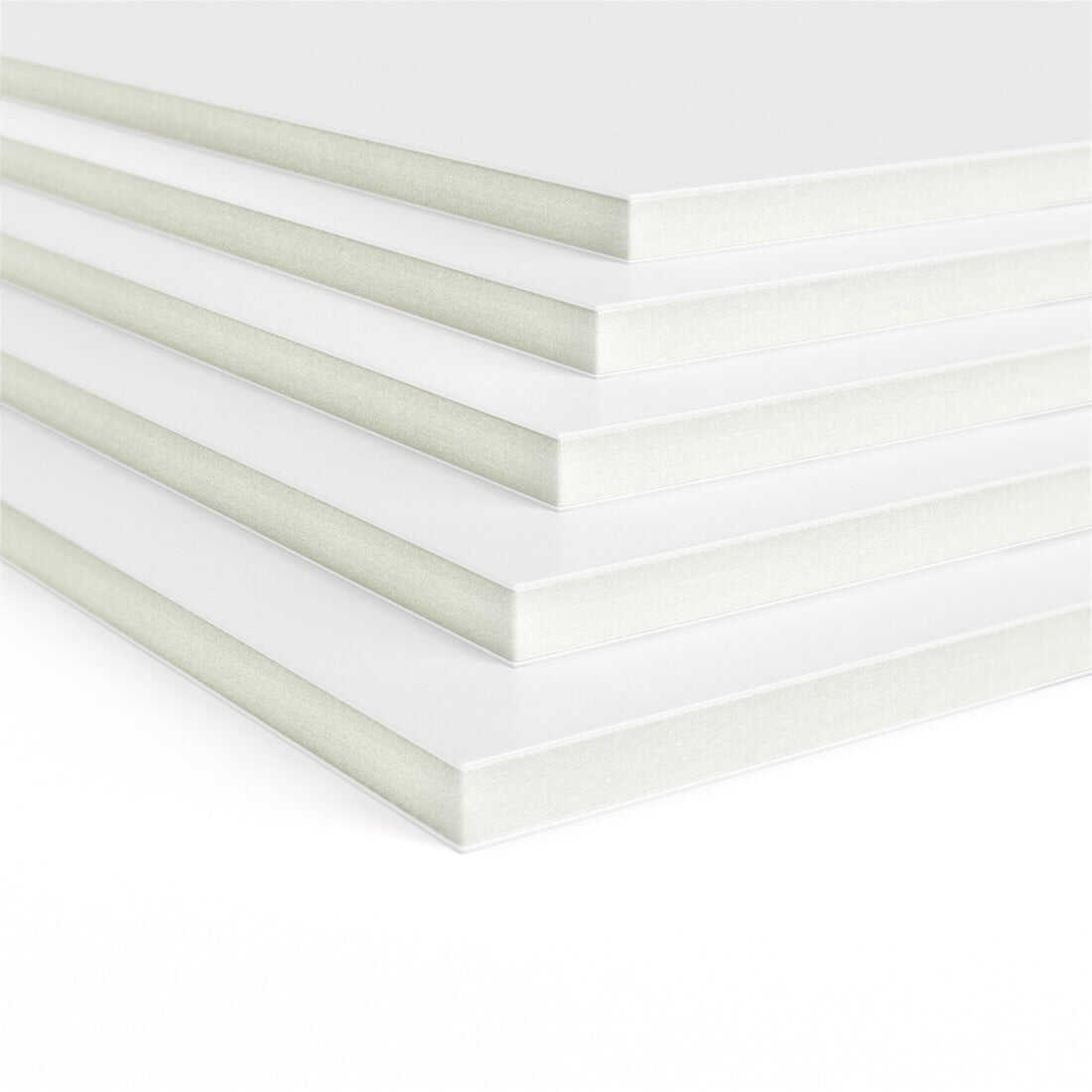
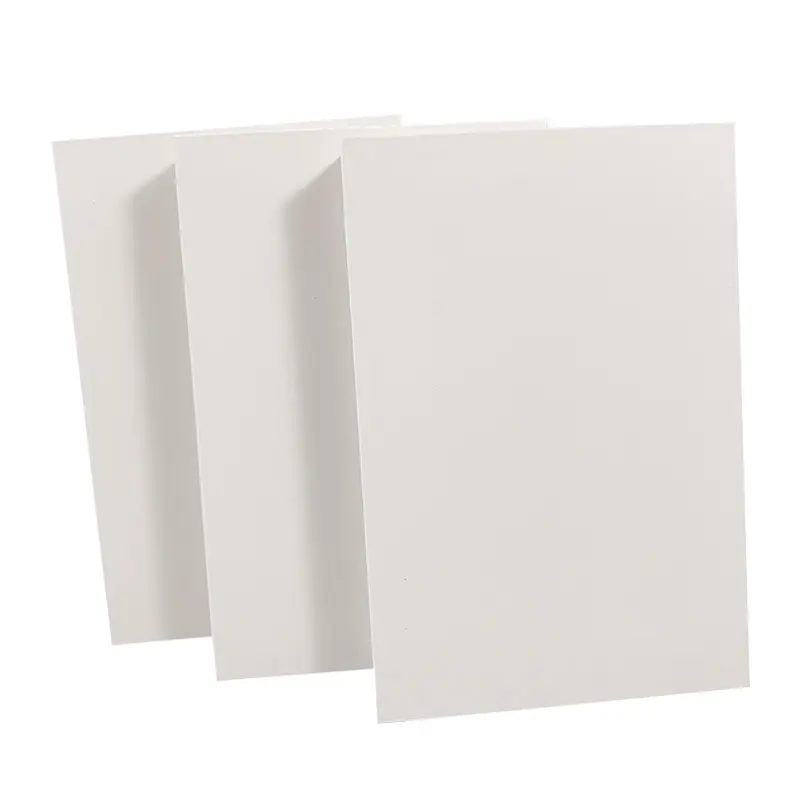
PVC celuka board for partitions represents an innovative construction material that combines advanced cellular technology with durable polymer composition to deliver exceptional performance in interior space division applications. This specialized building product features a unique closed-cell foam core structure encased between solid PVC surface layers, creating a lightweight yet remarkably strong partition solution. The manufacturing process involves precise temperature control and pressure molding techniques that ensure consistent density distribution throughout the board's thickness, resulting in superior dimensional stability and structural integrity. The pvc celuka board for partitions incorporates cutting-edge extrusion technology that produces uniform cell structures, enhancing both thermal and acoustic properties while maintaining optimal weight-to-strength ratios. Its primary functions encompass space division, sound dampening, thermal regulation, and architectural enhancement in commercial, residential, and institutional environments. The technological features include moisture resistance capabilities that prevent water absorption and subsequent degradation, fire-retardant properties that meet stringent safety standards, and chemical resistance that ensures longevity in challenging environments. Surface treatments applied during production provide excellent paintability and adhesive compatibility, allowing for diverse finishing options to match any design aesthetic. Applications span across office buildings where flexible workspace solutions are required, healthcare facilities demanding hygienic partition systems, educational institutions needing durable classroom dividers, retail spaces requiring attractive display partitions, and residential projects seeking cost-effective room separation solutions. The pvc celuka board for partitions demonstrates exceptional versatility in thickness options ranging from standard commercial grades to heavy-duty industrial specifications, accommodating various structural requirements and installation preferences. Installation procedures benefit from the material's workability, allowing standard woodworking tools to achieve precise cuts, joints, and hardware mounting without specialized equipment or techniques.
 EN
EN