Versatile Fabrication and Installation Capabilities
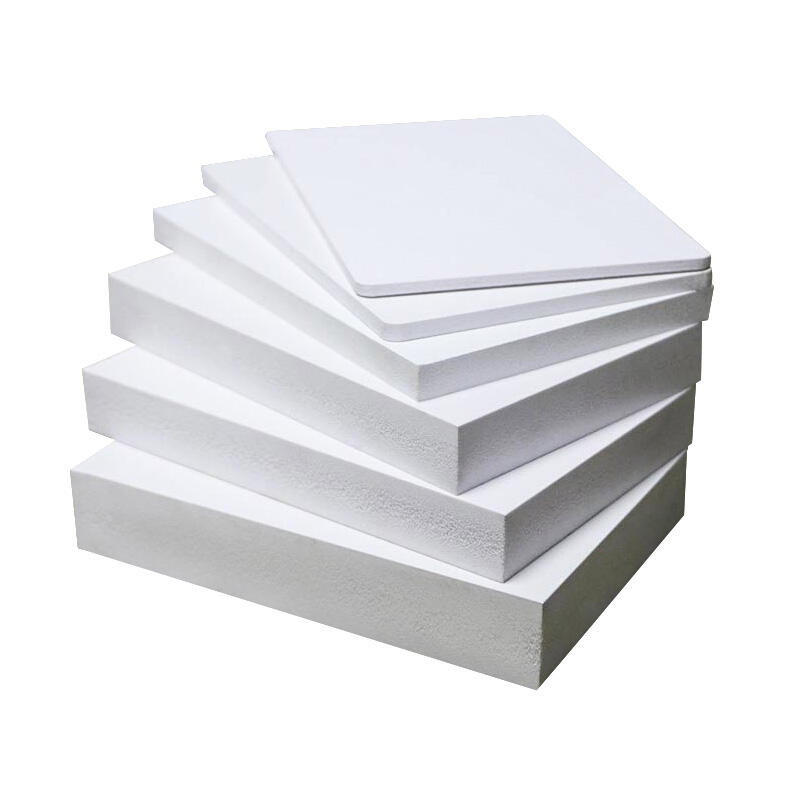
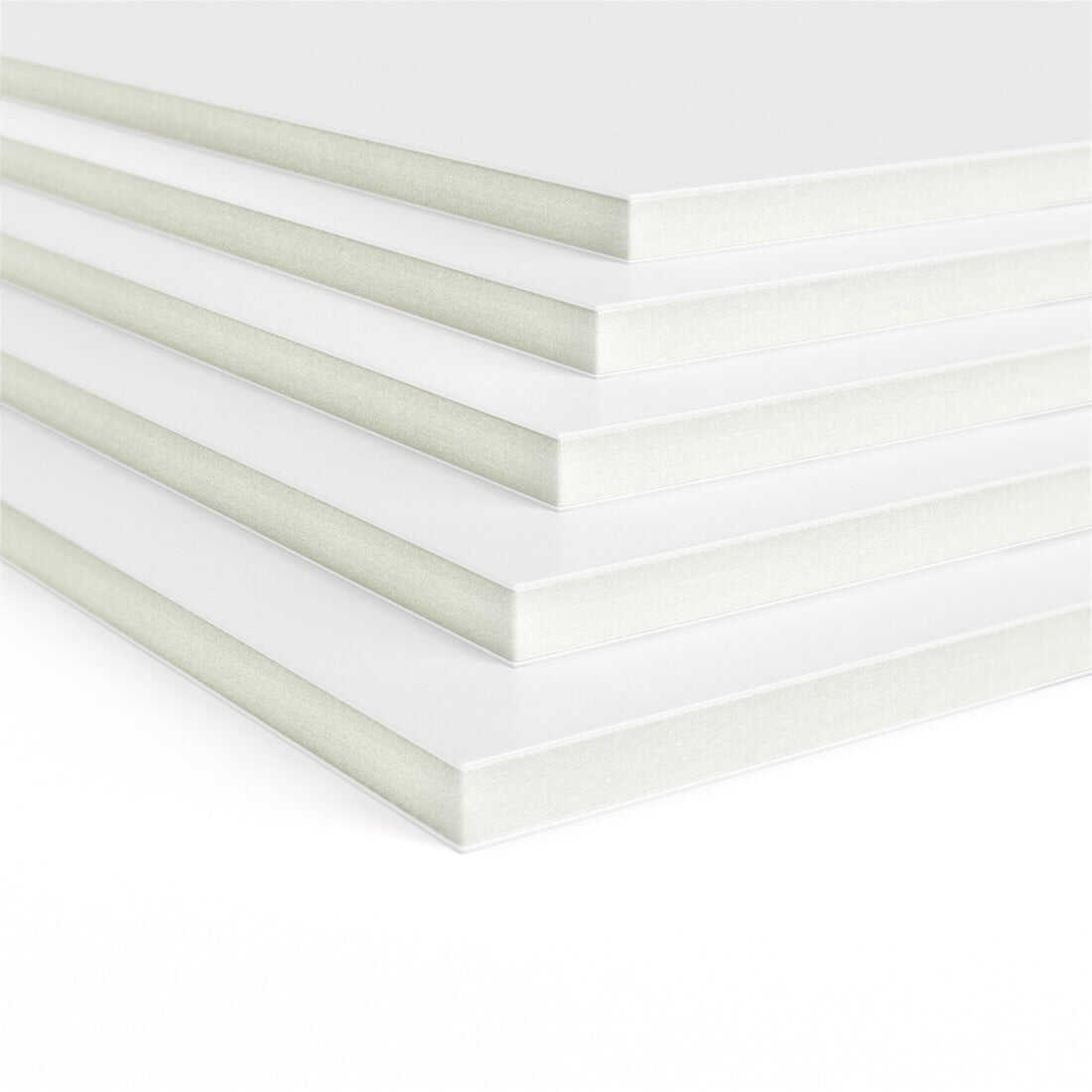
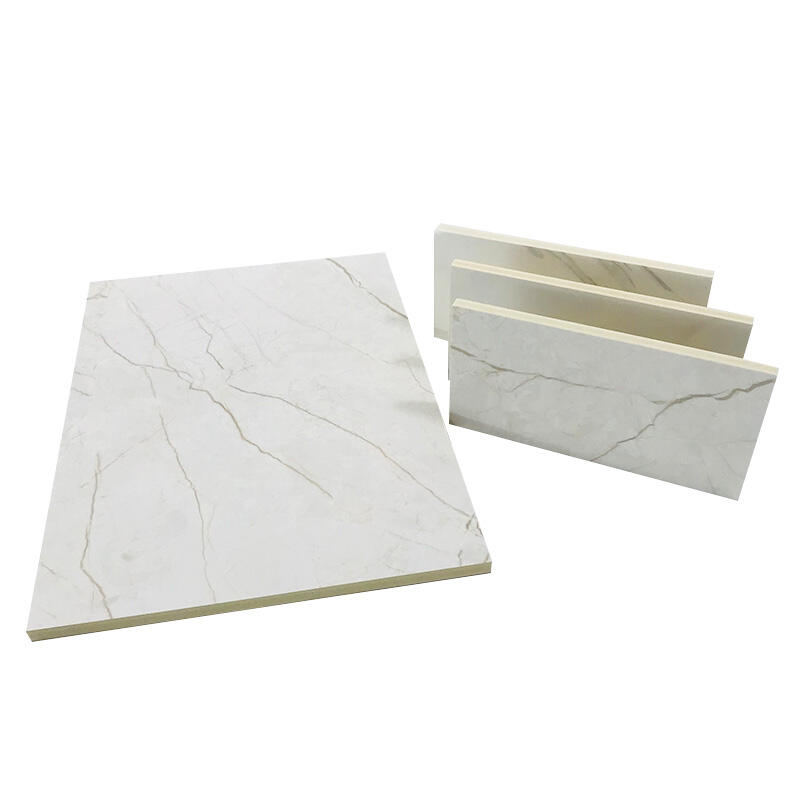
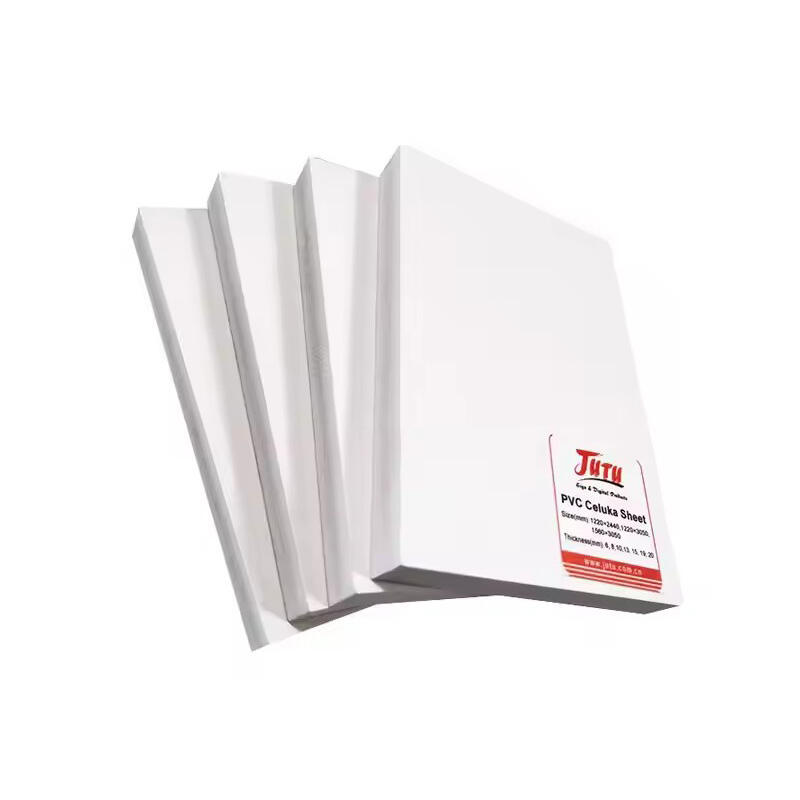
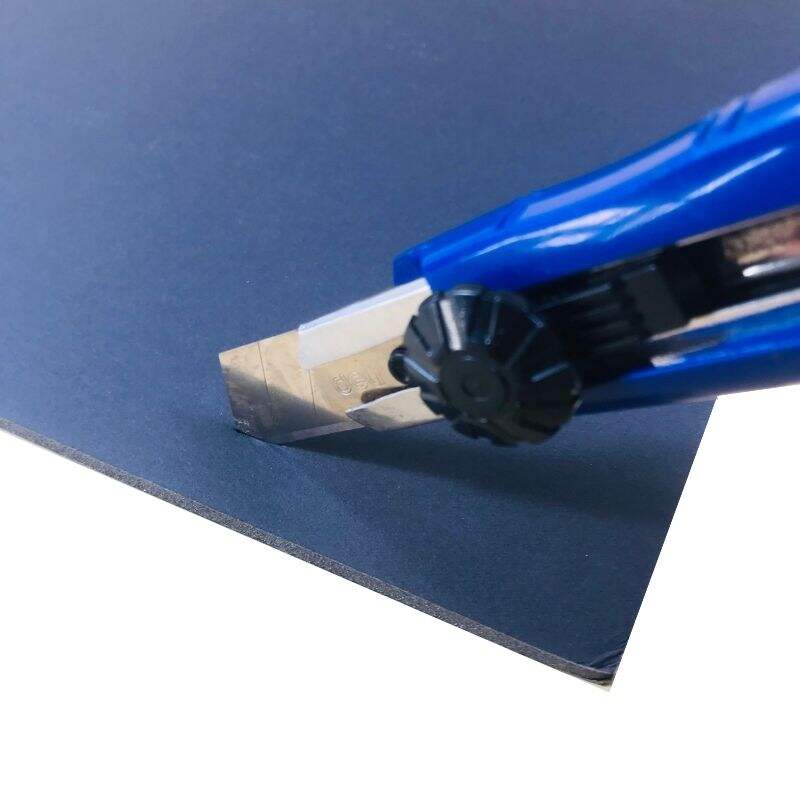
The exceptional fabrication versatility of PVC celuka foam board empowers users to achieve complex designs and custom solutions using readily available tools and standard manufacturing techniques. This adaptability stems from the material's unique composition, which responds predictably to various fabrication methods while maintaining structural integrity throughout the processing stages. Standard woodworking tools, including circular saws, routers, and drill presses, can effectively shape and form the material without requiring specialized equipment or extensive operator training. The consistent cell structure ensures clean, precise cuts without chipping or delamination, producing professional-quality edges that require minimal finishing work. Thermoforming capabilities allow the material to be heated and shaped into complex three-dimensional forms, opening possibilities for custom architectural elements, automotive components, and specialized industrial applications. The forming temperature range remains within practical limits for standard heating equipment, making thermoforming accessible to smaller fabrication shops without significant capital investment. Adhesive bonding characteristics accommodate various bonding agents, from structural epoxies to flexible polyurethane adhesives, enabling secure connections between components and compatibility with different substrate materials. Mechanical fastening options include screws, bolts, rivets, and specialty fasteners, with the material's density providing excellent holding power while preventing thread stripping or fastener pullout. Surface preparation requirements are minimal, as the smooth, consistent surface accepts paints, laminates, and decorative films without extensive sanding or chemical treatment. The material's dimensional stability during fabrication prevents warping or distortion that could compromise fit and finish in precision applications. Complex routing operations for decorative patterns, ventilation grilles, or cable management systems can be performed with standard CNC equipment, producing intricate details with excellent repeatability. Assembly processes benefit from the material's forgiving nature, allowing for adjustments and modifications during installation without material failure or permanent damage. The lightweight characteristics simplify handling during fabrication and installation, reducing worker fatigue and improving safety conditions. Quality control during fabrication is straightforward, as visual inspection readily identifies any processing defects or inconsistencies. The material's compatibility with standard joining techniques enables integration with existing construction methods and manufacturing processes without requiring significant procedural changes or additional training investments.
 EN
EN