Premium Aluminium Composite Cladding Solutions | Durable, Versatile & Cost-Effective Building Materials

Get a Free Quote

Our representative will contact you soon.
Email
Name
Company Name
Message
0/1000

aluminium composite cladding

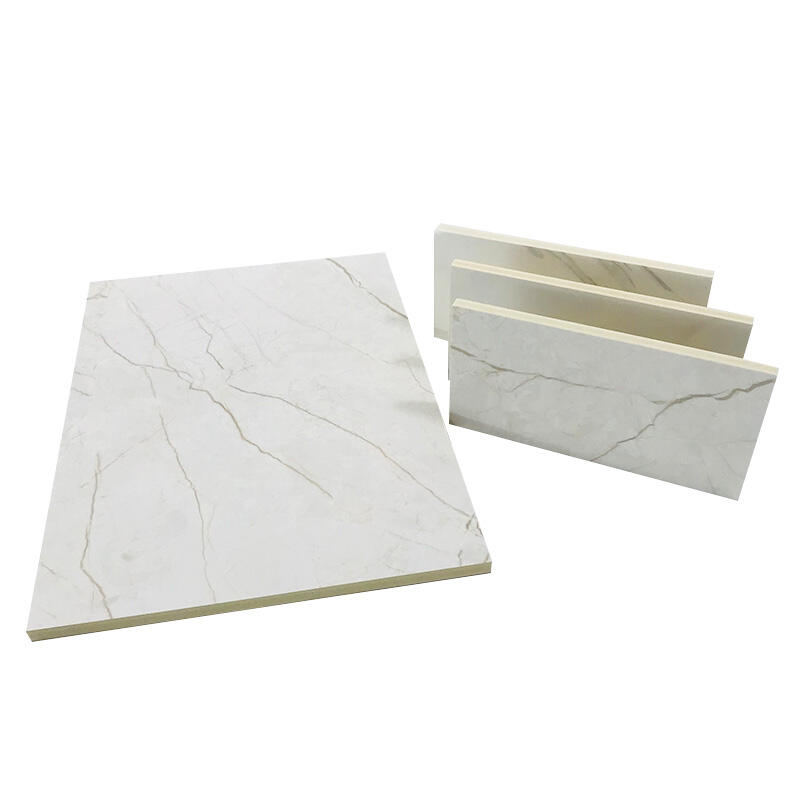
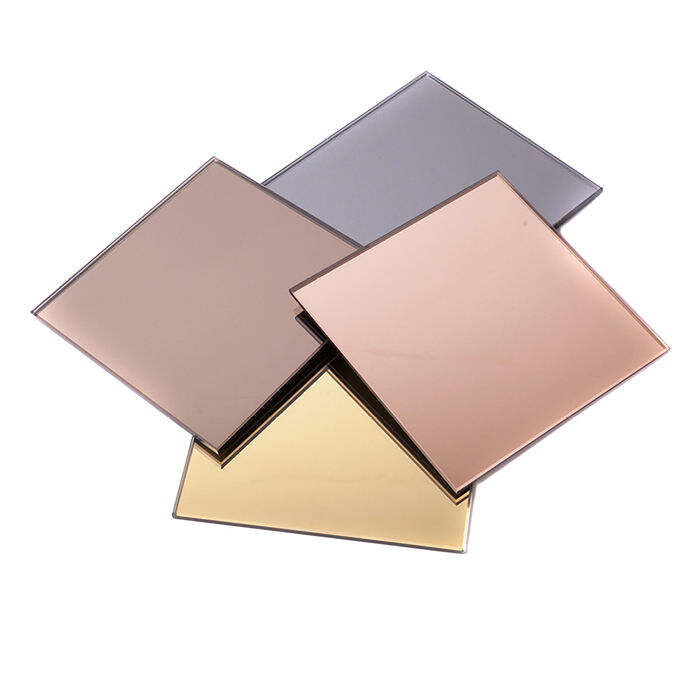
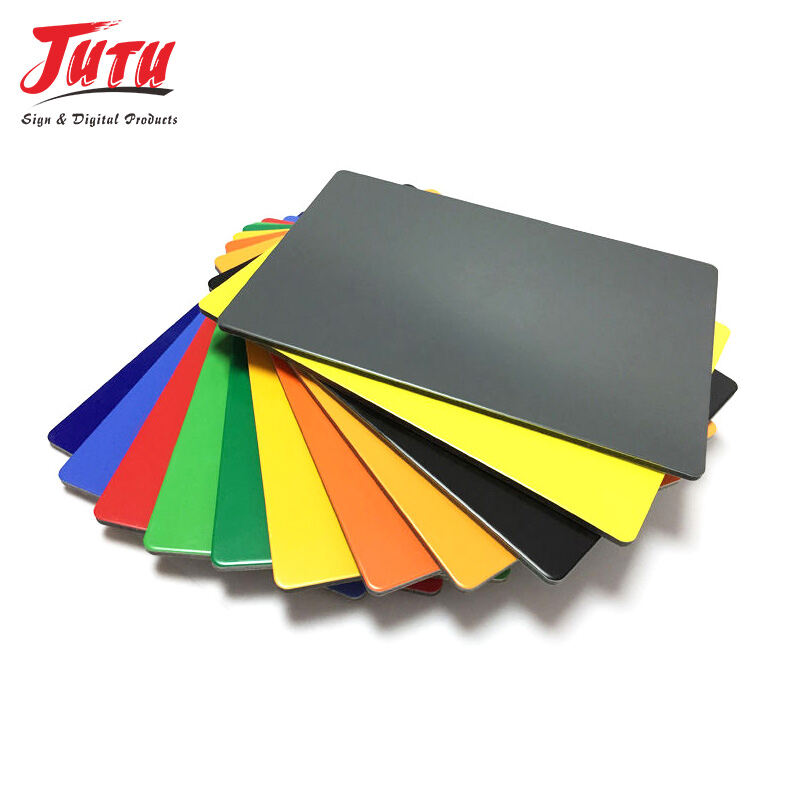
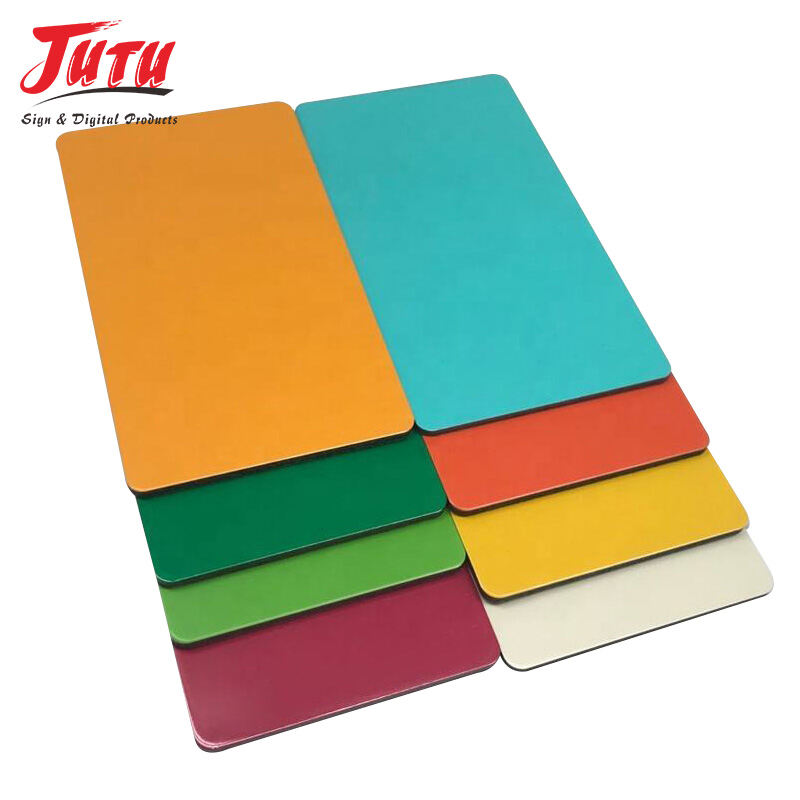
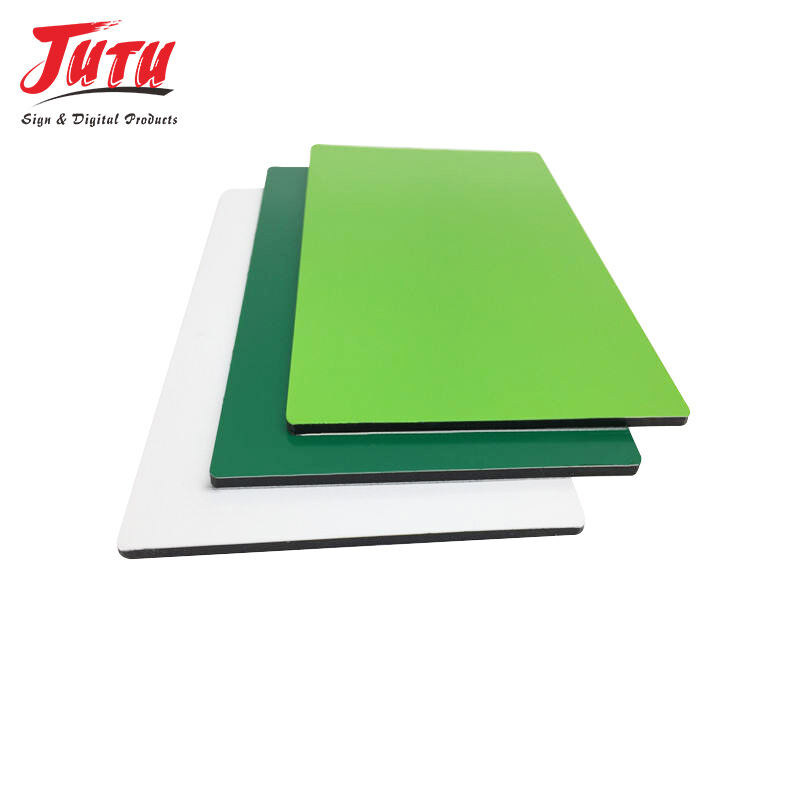
Aluminium composite cladding represents a revolutionary building material that combines functionality with aesthetic appeal, transforming modern architecture worldwide. This innovative cladding system consists of two thin aluminium sheets bonded to a lightweight core material, typically polyethylene or mineral-filled core, creating a sandwich panel structure that delivers exceptional performance characteristics. The primary functions of aluminium composite cladding include weather protection, thermal insulation, sound dampening, and architectural enhancement for both commercial and residential buildings. The technological features of this advanced cladding system incorporate precision-engineered bonding processes that ensure long-lasting adhesion between layers, while specialized coatings provide superior resistance to UV radiation, corrosion, and environmental degradation. The aluminium composite cladding manufacturing process utilizes continuous lamination technology, which guarantees consistent quality and dimensional stability across large panel surfaces. Modern production techniques enable the creation of panels with various surface finishes, including brushed, mirror, wood grain, stone texture, and vibrant color options through advanced coating technologies like PVDF and polyester finishes. Applications for aluminium composite cladding span diverse construction projects, from high-rise office buildings and shopping centers to residential facades and interior wall systems. The versatility of aluminium composite cladding makes it suitable for curtain wall systems, column covers, canopies, signage applications, and renovation projects where lightweight yet durable materials are essential. Architects and designers frequently specify aluminium composite cladding for projects requiring complex geometric shapes, curved surfaces, and intricate design details due to its excellent formability and workability characteristics. The material's compatibility with standard construction methods and tools facilitates efficient installation processes, reducing project timelines and labor costs while maintaining superior finished quality.

New Products

The advantages of aluminium composite cladding make it an exceptional choice for modern construction projects, offering numerous practical benefits that directly impact building performance and cost-effectiveness. Lightweight construction stands as one of the most significant advantages, with aluminium composite cladding weighing approximately 60% less than traditional solid materials like stone or concrete panels. This weight reduction translates to lower structural loads on buildings, reduced foundation requirements, and decreased transportation costs during project execution. The material demonstrates outstanding durability characteristics, withstanding harsh weather conditions including extreme temperatures, heavy rainfall, snow loads, and high winds without compromising structural integrity or aesthetic appearance. Maintenance requirements for aluminium composite cladding are minimal, requiring only periodic cleaning with standard detergents and water to maintain optimal appearance and performance throughout the building's lifecycle. Installation efficiency represents another crucial advantage, as aluminium composite cladding systems install faster than traditional masonry or stone cladding methods, reducing overall project duration and associated labor expenses. The material offers excellent thermal performance characteristics, contributing to improved building energy efficiency through enhanced insulation properties that help regulate interior temperatures year-round. Fire safety features in modern aluminium composite cladding systems include fire-resistant core materials that meet stringent building codes and safety regulations, providing peace of mind for building owners and occupants. Cost-effectiveness emerges as a compelling advantage when comparing total project expenses, including material costs, installation labor, long-term maintenance, and energy savings over the building's operational lifespan. Design flexibility allows architects unlimited creative freedom to achieve unique aesthetic visions through custom colors, textures, patterns, and complex geometric configurations that would be impossible or prohibitively expensive with traditional materials. Environmental benefits include recyclability of aluminium components, reduced manufacturing energy consumption compared to alternative materials, and contribution to LEED certification points through sustainable building practices. Quality consistency across production batches ensures predictable performance characteristics and uniform appearance, eliminating concerns about material variations that can plague natural stone or other traditional cladding options.

Practical Tips

Why Choose PVC Celuka Foam for Your Next Project

07

Nov

Why Choose PVC Celuka Foam for Your Next Project

Introduction to PVC Celuka Foam PVC Celuka foam is a high-performance material known for its durability, smooth finish, and versatile applications across multiple industries. Produced through the Celuka extrusion process, this material features a den...
View More
PVC Celuka Board Advantages in Moisture-Controlled Environments

23

Dec

PVC Celuka Board Advantages in Moisture-Controlled Environments

In moisture-controlled environments where humidity and water exposure present constant challenges, selecting the right building materials becomes critical for long-term performance and cost-effectiveness. PVC Celuka Board emerges as a superior soluti...
View More
How Paper Foam Board Supports Eco-Friendly Packaging Solutions

06

Jan

How Paper Foam Board Supports Eco-Friendly Packaging Solutions

The packaging industry is undergoing a significant transformation as businesses increasingly prioritize sustainable alternatives to traditional materials. In this shift toward environmental responsibility, paper foam board has emerged as a revolution...
View More
How Aluminum Composite Panels Are Revolutionizing Skyscraper Facades

06

Jan

How Aluminum Composite Panels Are Revolutionizing Skyscraper Facades

Modern skyscraper construction has undergone a remarkable transformation, with aluminum composite panels emerging as the cornerstone of contemporary facade design. These innovative building materials combine the strength of aluminum with advanced com...
View More

Get a Free Quote

Our representative will contact you soon.
Email
Name
Company Name
Message
0/1000

aluminium composite cladding

Superior Weather Resistance and Longevity

Superior Weather Resistance and Longevity

Aluminium composite cladding delivers unparalleled weather resistance that protects buildings from environmental challenges while maintaining pristine appearance for decades. The advanced engineering behind this cladding system creates a robust barrier against moisture infiltration, preventing water damage that commonly affects traditional building materials. The continuous aluminium skin provides complete protection against rain penetration, while specialized sealant systems at panel joints create weatherproof assemblies that withstand driving rain and extreme weather events. Temperature fluctuations pose significant challenges for building exteriors, but aluminium composite cladding excels in thermal cycling conditions, expanding and contracting uniformly without cracking, warping, or developing stress fractures that compromise performance. The material's coefficient of thermal expansion closely matches typical building frame materials, ensuring compatibility and preventing differential movement issues that can damage conventional cladding systems. UV radiation resistance represents another critical aspect of weather protection, with specialized coatings applied to aluminium composite cladding surfaces that prevent color fading, chalking, and degradation even after decades of direct sunlight exposure. This UV stability maintains the building's aesthetic appeal while eliminating costly refinishing projects that traditional materials often require. Corrosion resistance built into the aluminium substrate and protective coatings ensures longevity in aggressive environments including coastal areas with salt spray exposure, industrial zones with chemical pollutants, and urban settings with high pollution levels. The multi-layer protection system includes conversion coatings, primer layers, and topcoat finishes that work together to prevent galvanic corrosion and maintain structural integrity throughout the service life. Impact resistance characteristics protect against hail damage, debris impact during storms, and accidental contact damage that can occur during building maintenance or adjacent construction activities. This durability advantage translates directly to reduced insurance costs, lower maintenance expenses, and enhanced building value retention over time, making aluminium composite cladding an intelligent long-term investment for property owners seeking reliable performance in challenging environmental conditions.
Exceptional Design Versatility and Aesthetic Appeal

Exceptional Design Versatility and Aesthetic Appeal

The design versatility of aluminium composite cladding empowers architects and designers to realize ambitious creative visions while maintaining practical construction requirements and budget constraints. This remarkable material can be formed into complex curved surfaces, sharp angular geometries, and intricate architectural details that would be impossible to achieve with rigid materials like stone or concrete panels. The fabrication capabilities include precise cutting, routing, folding, and shaping using standard metalworking equipment, enabling custom configurations that perfectly match design specifications without requiring specialized manufacturing processes or excessive lead times. Color options for aluminium composite cladding extend far beyond basic selections, encompassing virtually unlimited custom colors through advanced coating technologies that can match any architectural color palette or corporate branding requirements. Metallic finishes create stunning visual effects with brushed, polished, or textured surfaces that change appearance throughout the day as lighting conditions shift, adding dynamic interest to building facades that static materials cannot achieve. Wood grain and stone texture finishes provide the natural appearance of traditional materials while maintaining the performance advantages and cost benefits of modern composite construction, appealing to projects requiring authentic aesthetic character without associated maintenance burdens. Pattern possibilities include perforated panels for decorative screens and acoustic applications, embossed textures for tactile interest, and custom printed graphics for signage integration or artistic expression. The material's ability to incorporate lighting systems creates opportunities for dramatic nighttime architectural effects, with backlighting, edge lighting, or integrated LED systems transforming buildings into striking landmarks after dark. Mixed material combinations work seamlessly with aluminium composite cladding, allowing integration with glass curtain walls, natural stone accents, or traditional masonry elements to create sophisticated architectural compositions that balance modern performance with timeless aesthetic appeal. Installation configurations offer additional design flexibility through various mounting systems including rainscreen assemblies, direct attachment methods, and structural glazing systems that can create seamless continuous surfaces or pronounced shadow lines depending on design intent. This adaptability ensures that aluminium composite cladding enhances rather than constrains architectural creativity while delivering superior performance characteristics.
Cost-Effective Installation and Long-Term Value

Cost-Effective Installation and Long-Term Value

The cost-effectiveness of aluminium composite cladding extends throughout every project phase, from initial material procurement through decades of building operation, delivering exceptional value that makes financial sense for budget-conscious developers and long-term building owners. Installation efficiency dramatically reduces labor costs compared to traditional cladding methods, with experienced crews achieving significantly higher daily installation rates due to the lightweight nature and prefabricated precision of aluminium composite panels. The standardized mounting systems and connection details eliminate field measuring and custom fitting requirements that slow progress with stone or masonry installations, while the consistent panel dimensions ensure predictable scheduling and resource allocation throughout project duration. Transportation advantages reduce logistics expenses, as aluminium composite cladding panels can be efficiently packed and shipped using standard trucking without requiring specialized heavy equipment or oversized load permits that increase costs for traditional materials. Waste reduction during installation minimizes disposal fees and material over-ordering, with precise panel cutting and efficient nesting patterns maximizing material utilization rates while reducing environmental impact. Long-term operational savings through reduced maintenance requirements eliminate periodic repointing, sealing, cleaning, and refinishing expenses that burden traditional materials throughout building lifecycles. Energy efficiency contributions from improved thermal performance translate to measurable utility cost reductions, with the enhanced insulation properties of aluminium composite cladding systems reducing heating and cooling loads year-round. Insurance benefits may include reduced premiums due to improved fire performance, weather resistance, and impact resistance characteristics that lower risk profiles compared to traditional exterior materials. Renovation capabilities provide additional value by enabling complete facade transformations without structural modifications, allowing building owners to modernize appearances and improve performance characteristics through overlay installation techniques. Resale value enhancement represents a significant long-term benefit, as buildings with high-quality aluminium composite cladding systems command premium market prices due to their modern appearance, low maintenance requirements, and superior performance characteristics. Return on investment calculations consistently favor aluminium composite cladding over alternative materials when total lifecycle costs including initial investment, installation expenses, maintenance costs, energy savings, and property value appreciation are properly evaluated using standard financial analysis methods.