Premium Patterned Acrylic Sheets - Durable, Lightweight & Versatile Architectural Solutions

Get a Free Quote

Our representative will contact you soon.
Email
Name
Company Name
Message
0/1000

patterned acrylic sheets

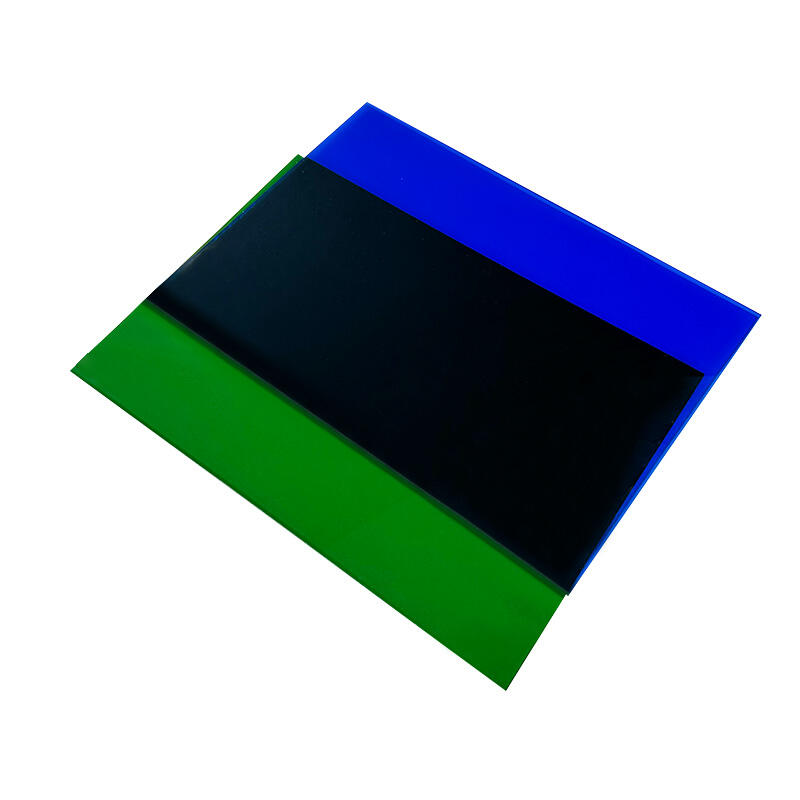
Patterned acrylic sheets represent a revolutionary advancement in thermoplastic materials, combining aesthetic appeal with exceptional functionality for diverse commercial and residential applications. These innovative sheets feature embossed or textured surfaces that create distinctive visual patterns while maintaining the inherent strength and clarity of traditional acrylic materials. Manufacturing processes employ specialized techniques including hot pressing, embossing, and precision molding to achieve consistent pattern reproduction across large sheet dimensions. The technological foundation relies on polymethyl methacrylate (PMMA) chemistry, enhanced through controlled polymerization processes that ensure optimal molecular weight distribution and impact resistance. Surface patterning technologies utilize micro-structured tooling systems that transfer intricate designs onto heated acrylic substrates, creating permanent textural elements that resist wear and environmental degradation. Advanced UV stabilization treatments protect patterned acrylic sheets from solar radiation damage, maintaining color integrity and structural performance throughout extended outdoor exposure periods. Thermal forming capabilities allow these sheets to be shaped into complex three-dimensional configurations without compromising pattern definition or material properties. Quality control systems monitor thickness uniformity, pattern consistency, and optical clarity to ensure manufacturing standards meet demanding architectural and industrial specifications. Applications span architectural glazing, interior design elements, retail displays, automotive components, and protective barriers where both functionality and visual impact are essential requirements. The versatility of patterned acrylic sheets enables customization options including color variations, transparency levels, and pattern scales to match specific project requirements. Installation procedures benefit from lightweight characteristics and standard fabrication techniques, reducing labor costs and project timelines compared to traditional glass alternatives.

New Products

Patterned acrylic sheets deliver exceptional value through multiple performance advantages that directly benefit end users across various applications. Weight reduction represents a primary advantage, with these sheets weighing approximately fifty percent less than equivalent glass panels, significantly reducing structural load requirements and installation complexity. This lightweight characteristic enables easier handling during transportation and installation phases, minimizing labor costs and reducing risks associated with heavy material manipulation. Impact resistance surpasses traditional glass by substantial margins, with patterned acrylic sheets demonstrating up to ten times greater resistance to breakage under stress conditions. This enhanced durability translates into reduced replacement costs and improved safety performance in high-traffic environments where accidental impacts may occur. Optical properties maintain excellent light transmission while the textured surfaces provide controlled light diffusion, eliminating harsh glare and creating comfortable illumination conditions for occupants. Weather resistance capabilities ensure long-term performance stability across diverse climate conditions, with UV stabilization preventing yellowing and brittleness that can affect lesser materials over time. Thermal expansion coefficients remain manageable through proper installation techniques, accommodating seasonal temperature variations without compromising structural integrity or aesthetic appearance. Processing flexibility allows patterned acrylic sheets to be cut, drilled, and shaped using conventional woodworking and metalworking tools, eliminating specialized equipment requirements and reducing fabrication costs. Chemical resistance properties protect against common environmental contaminants including acids, alkalis, and cleaning solvents, maintaining surface appearance and structural performance throughout service life. Cost effectiveness becomes apparent when comparing total lifecycle expenses, as lower maintenance requirements, reduced replacement frequency, and simplified installation procedures offset initial material investments. Energy efficiency benefits emerge through improved insulation properties compared to single-pane glass systems, contributing to reduced heating and cooling costs in building applications. Fire retardant formulations meet building code requirements while maintaining processing characteristics, ensuring compliance with safety regulations across multiple jurisdictions.

Tips And Tricks

PVC Foam Sheet Applications in Industrial Fabrication and Prototyping

23

Dec

PVC Foam Sheet Applications in Industrial Fabrication and Prototyping

Modern industrial manufacturing and prototyping demands have created an increasing need for versatile, lightweight materials that can deliver exceptional performance across diverse applications. Among these materials, PVC foam sheet has emerged as a ...
View More
Innovative Architectural Uses of Acrylic Sheets in Modern Buildings

23

Dec

Innovative Architectural Uses of Acrylic Sheets in Modern Buildings

Modern architecture continues to evolve with innovative materials that offer both aesthetic appeal and functional benefits. Among these cutting-edge materials, acrylic sheets have emerged as a versatile solution that transforms conventional design ap...
View More
How PVC Wall Panels Are Reshaping Modern Interior Design

23

Dec

How PVC Wall Panels Are Reshaping Modern Interior Design

The interior design landscape is experiencing a revolutionary transformation, with innovative materials taking center stage in modern construction and renovation projects. Among these game-changing solutions, PVC wall panels have emerged as a versati...
View More
How Paper Foam Board Supports Eco-Friendly Packaging Solutions

06

Jan

How Paper Foam Board Supports Eco-Friendly Packaging Solutions

The packaging industry is undergoing a significant transformation as businesses increasingly prioritize sustainable alternatives to traditional materials. In this shift toward environmental responsibility, paper foam board has emerged as a revolution...
View More

Get a Free Quote

Our representative will contact you soon.
Email
Name
Company Name
Message
0/1000

patterned acrylic sheets

Superior Light Management and Visual Enhancement

Superior Light Management and Visual Enhancement

The sophisticated surface texturing of patterned acrylic sheets creates exceptional light management capabilities that transform ordinary spaces into visually stunning environments. These carefully engineered surface patterns function as integrated optical elements, controlling light transmission, diffusion, and reflection characteristics to achieve desired illumination effects without requiring additional fixtures or treatments. The micro-structured surface geometries scatter incoming light rays through controlled refraction and diffusion processes, eliminating harsh shadows and creating uniform illumination distribution across interior spaces. This natural light diffusion capability reduces eye strain and creates comfortable working conditions in office environments, retail spaces, and residential applications where occupant comfort is paramount. The textural patterns also introduce dynamic visual interest through changing light interactions throughout daily cycles, creating shifting shadow patterns and surface reflections that enhance architectural aesthetics. Unlike flat acrylic panels that can appear sterile or institutional, patterned variants introduce depth and character that complement contemporary design trends emphasizing natural textures and organic forms. The precision manufacturing processes ensure pattern consistency across large installations, maintaining visual continuity while allowing for creative design expressions through pattern orientation and arrangement strategies. Privacy enhancement becomes possible through strategic pattern selection, with denser textures providing increased visual obscurity while maintaining light transmission for natural illumination. Decorative applications benefit from the interplay between transmitted and reflected light, creating dramatic visual effects that change with viewing angles and ambient lighting conditions. The durability of embossed patterns ensures that these optical characteristics remain stable throughout the material's service life, avoiding the degradation common with applied films or coatings that may peel, fade, or become damaged over time. Energy efficiency improvements result from optimized daylight utilization, reducing artificial lighting requirements and contributing to sustainable building performance goals while maintaining occupant visual comfort.
Exceptional Durability and Weather Performance

Exceptional Durability and Weather Performance

Patterned acrylic sheets demonstrate remarkable resilience against environmental challenges, delivering consistent performance across diverse climate conditions and application demands. The advanced polymer chemistry incorporates UV stabilizers and impact modifiers that protect against degradation mechanisms commonly affecting outdoor installations, ensuring color stability and structural integrity throughout extended exposure periods. Thermal cycling resistance prevents cracking and delamination issues that can affect inferior materials when subjected to daily temperature fluctuations, maintaining pattern definition and optical clarity across seasonal variations. The monolithic construction eliminates weak points associated with laminated or composite materials, providing uniform strength distribution that resists localized stress concentrations and impact damage. Chemical resistance properties protect against environmental contaminants including acid rain, salt spray, and industrial pollutants that can degrade surface appearance and compromise material properties over time. The embossed surface patterns actually enhance durability by distributing stress loads across larger areas compared to smooth surfaces, reducing the likelihood of crack initiation from surface defects or impact points. Maintenance requirements remain minimal due to the non-porous surface characteristics that resist dirt accumulation and biological growth, allowing simple cleaning procedures to restore original appearance without specialized treatments or aggressive chemicals. Thermal expansion management through proper installation techniques accommodates dimensional changes without compromising structural connections or creating stress concentrations that could lead to material failure. The inherent flexibility of acrylic materials allows patterned sheets to absorb energy from wind loads and seismic events without brittle failure modes characteristic of glass alternatives. Fabrication stability ensures that patterns remain dimensionally accurate throughout processing operations including cutting, drilling, and thermoforming, maintaining design intent while accommodating complex installation requirements. Quality assurance protocols verify pattern integrity and material properties throughout manufacturing processes, ensuring consistent performance characteristics that meet demanding architectural and industrial specifications for long-term reliability.
Versatile Processing and Installation Benefits

Versatile Processing and Installation Benefits

The exceptional processability of patterned acrylic sheets enables efficient fabrication and installation procedures that reduce project costs while expanding design possibilities for architects, contractors, and fabricators. Standard woodworking and metalworking tools effectively cut, drill, and shape these materials without requiring specialized equipment investments or extensive operator training, democratizing access to advanced materials for smaller shops and custom applications. Thermoforming capabilities allow complex three-dimensional shapes to be created while preserving pattern definition and optical properties, enabling curved installations and architectural features that would be difficult or impossible to achieve with traditional glass systems. The lightweight characteristics significantly reduce handling requirements during transportation and installation phases, minimizing crane usage and reducing labor costs while improving worker safety through reduced manual lifting demands. Joining methods include solvent bonding, mechanical fastening, and adhesive systems that create secure connections without compromising pattern integrity or introducing thermal bridges that could affect performance. Edge finishing techniques accommodate various aesthetic requirements including polished, flame-polished, or diamond-polished edges that integrate seamlessly with architectural details and design specifications. Drilling operations proceed cleanly without chipping or cracking issues common with brittle materials, allowing precise hole placement for fasteners and hardware installations. The stable dimensional characteristics prevent warping or distortion during storage and handling, ensuring flat installations and proper alignment with adjacent building components throughout construction sequences. Template matching capabilities enable precise field measurements to be transferred to shop fabrication operations, reducing waste and ensuring accurate fit-up during installation procedures. Secondary operations including printing, coating, and laminating can be performed after pattern formation, adding functional or decorative elements while maintaining the underlying textural characteristics. Quality control verification remains straightforward through visual inspection and standard testing procedures, ensuring compliance with project specifications and building codes throughout fabrication and installation processes. The forgiving nature of acrylic processing allows minor adjustments and corrections during installation without requiring complete component replacement, reducing project risks and maintaining schedule adherence.