Bending PVC Foam Board: Flexible Construction Solutions for Modern Architecture

Get a Free Quote

Our representative will contact you soon.
Email
Name
Company Name
Message
0/1000

bending pvc foam board

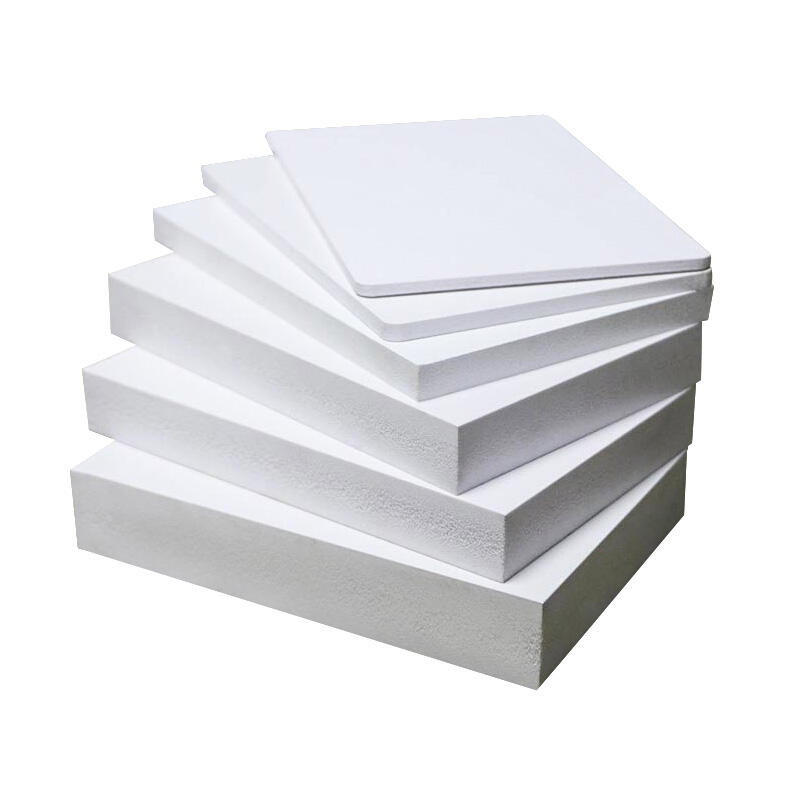
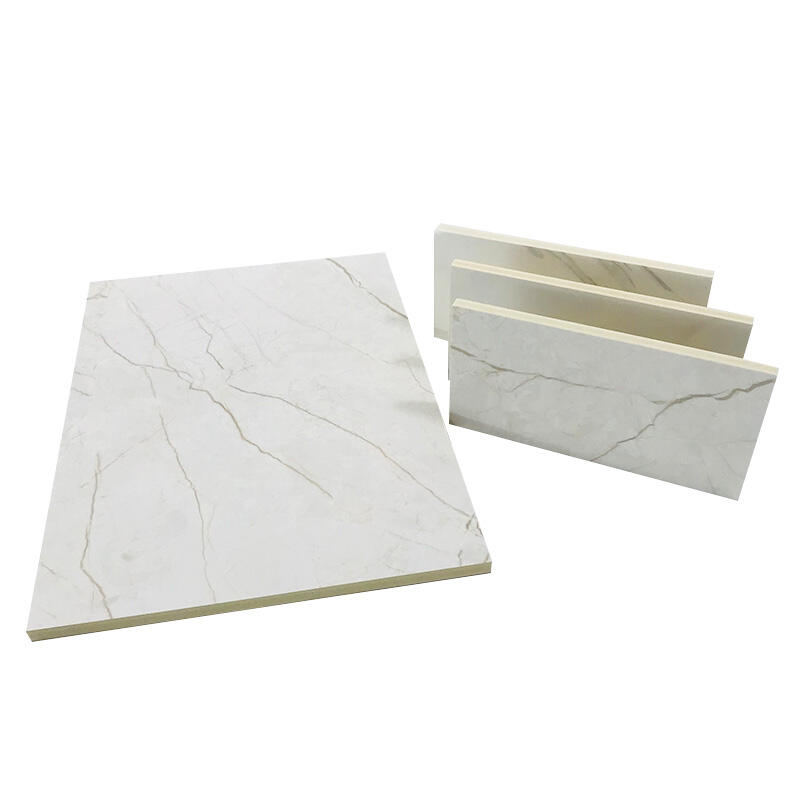
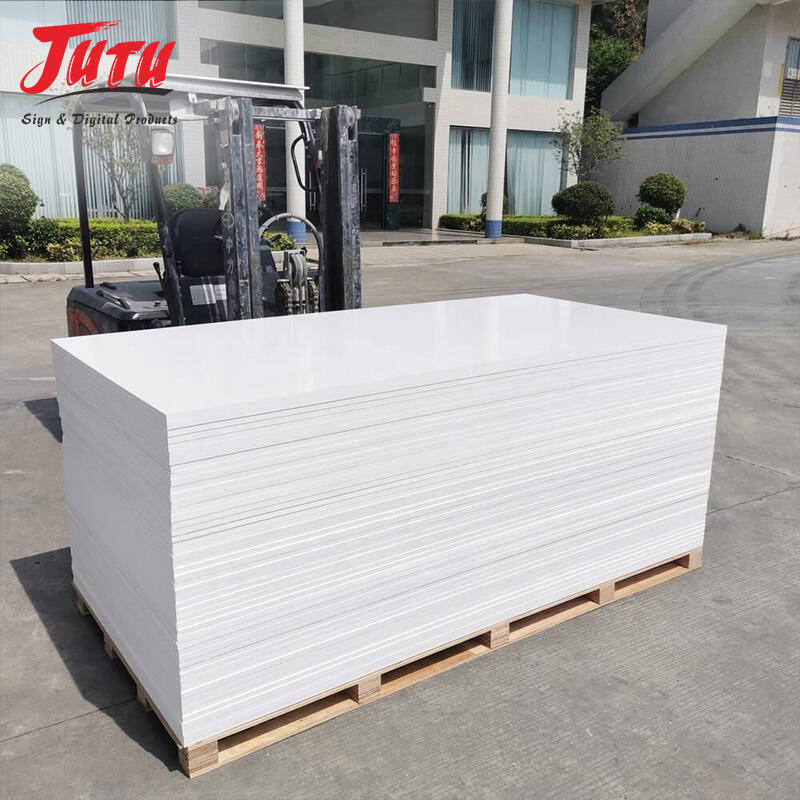
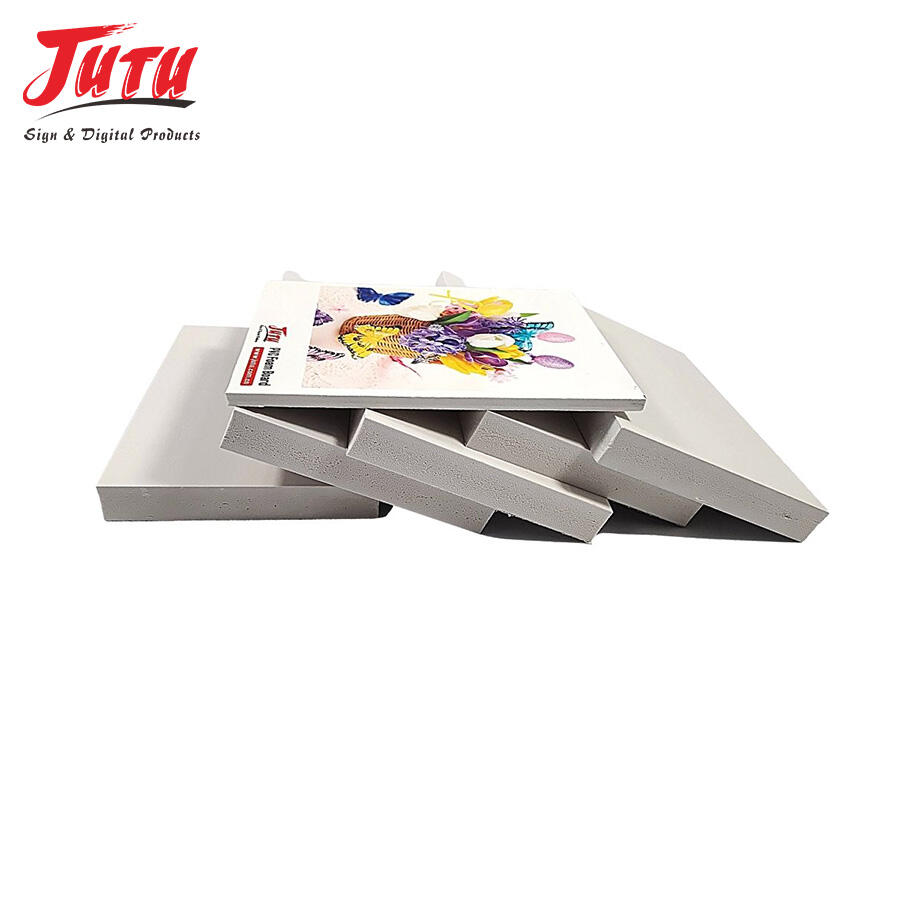
Bending PVC foam board represents a revolutionary advancement in flexible construction materials, combining the lightweight properties of traditional foam boards with exceptional flexibility and durability. This innovative material is manufactured through specialized processes that maintain the cellular structure of PVC foam while incorporating additives that enhance bendability without compromising structural integrity. The bending PVC foam board offers superior performance in applications requiring curved surfaces, complex geometries, and architectural designs that demand both aesthetic appeal and functional reliability. The technological foundation of bending PVC foam board lies in its unique polymer composition, which allows the material to flex repeatedly without cracking or losing its original properties. Unlike standard rigid foam boards, this specialized variant can be shaped into curves, arcs, and complex three-dimensional forms while maintaining consistent thickness and density throughout the bend radius. The manufacturing process involves careful temperature control and pressure application to ensure uniform cell distribution, resulting in a material that exhibits excellent chemical resistance, moisture resistance, and thermal stability. Key technological features include a closed-cell structure that prevents water absorption, UV resistance for outdoor applications, and flame-retardant properties that meet strict building codes. The surface of bending PVC foam board accepts various finishes, including paint, vinyl wraps, and laminates, making it highly versatile for decorative applications. Its low thermal conductivity provides insulation benefits, while the lightweight nature reduces structural load requirements. The material demonstrates exceptional dimensional stability across temperature variations, ensuring consistent performance in diverse environmental conditions. Applications for bending PVC foam board span multiple industries, from architectural millwork and interior design to marine construction and exhibition displays. In commercial construction, it serves as an ideal solution for curved walls, arched ceilings, and decorative elements that require both form and function. The marine industry utilizes this material for boat interiors, curved panels, and custom fixtures due to its water resistance and ability to conform to hull shapes. Exhibition and retail environments benefit from the material's ability to create eye-catching curved displays and custom fixtures that enhance visual appeal while providing structural support.

New Product Releases

The primary advantage of bending PVC foam board lies in its remarkable flexibility, which eliminates the need for complex fabrication techniques traditionally required to create curved surfaces. This flexibility allows contractors and fabricators to achieve smooth, continuous curves without the expense and time investment of laminating multiple pieces or using specialized forming equipment. The material bends easily by hand or with simple tools, significantly reducing installation time and labor costs while ensuring consistent results across projects. Cost-effectiveness represents another major benefit, as bending PVC foam board eliminates the need for expensive custom molding or complex assembly processes. Traditional methods of creating curved surfaces often involve multiple materials, specialized tools, and skilled craftspeople, driving up project costs substantially. This innovative material streamlines the construction process, allowing standard woodworking tools and techniques to achieve professional results without specialized training or equipment investment. The durability of bending PVC foam board surpasses many alternative materials, offering long-term performance that justifies initial investment costs. Unlike wood-based products that may warp, rot, or deteriorate over time, this synthetic material maintains its structural integrity and appearance for decades. The closed-cell structure prevents moisture absorption, eliminating common issues such as swelling, mold growth, and decay that plague organic materials in humid environments. Weather resistance makes bending PVC foam board an excellent choice for both interior and exterior applications. The material withstands temperature fluctuations, UV exposure, and moisture without degrading or losing its flexible properties. This resistance translates to reduced maintenance requirements and longer replacement cycles, providing significant cost savings over the material's lifespan. Installation benefits include lightweight handling that reduces physical strain on workers and structural load requirements. The material cuts cleanly with standard tools, accepts various fastening methods, and bonds well with appropriate adhesives. These characteristics enable faster installation processes and reduce the potential for installation errors that might compromise project timelines. Maintenance advantages include easy cleaning with standard household or commercial cleaners, resistance to staining, and the ability to refinish surfaces when needed. The smooth, non-porous surface prevents dirt accumulation and bacterial growth, making it ideal for environments where hygiene is paramount. Environmental benefits include recyclability and reduced waste generation during installation, as the material's flexibility minimizes cutting waste and allows for more efficient material utilization in complex projects.

Practical Tips

Durability and Aesthetics: The Advantages of Aluminum Composite Plates

07

Nov

Durability and Aesthetics: The Advantages of Aluminum Composite Plates

Aluminum composite plates deliver an exceptional balance of durability and aesthetics. Their advanced material composition ensures strength and resilience, while their design flexibility allows for creative applications. Industries such as architectu...
View More
How PVC Foam Board Is Transforming Modern Signage Design

23

Dec

How PVC Foam Board Is Transforming Modern Signage Design

The signage industry has witnessed remarkable evolution in recent years, with PVC foam board emerging as a revolutionary material that's reshaping how businesses approach visual communication. This lightweight yet durable material has become the corn...
View More
Structural Analysis: Honeycomb Board Strength-to-Weight Ratios

06

Jan

Structural Analysis: Honeycomb Board Strength-to-Weight Ratios

The engineering world continuously seeks materials that deliver exceptional performance while maintaining minimal weight characteristics. Honeycomb board technology has emerged as a revolutionary solution, offering unprecedented strength-to-weight ra...
View More
How Aluminum Composite Panels Are Revolutionizing Skyscraper Facades

06

Jan

How Aluminum Composite Panels Are Revolutionizing Skyscraper Facades

Modern skyscraper construction has undergone a remarkable transformation, with aluminum composite panels emerging as the cornerstone of contemporary facade design. These innovative building materials combine the strength of aluminum with advanced com...
View More

Get a Free Quote

Our representative will contact you soon.
Email
Name
Company Name
Message
0/1000

bending pvc foam board

Superior Flexibility and Formability

Superior Flexibility and Formability

The exceptional flexibility of bending PVC foam board revolutionizes how designers and contractors approach curved construction projects, offering unprecedented freedom in creating complex geometries without compromising structural integrity. This remarkable characteristic stems from the material's carefully engineered polymer matrix, which allows controlled deformation while maintaining consistent thickness and density throughout the bend radius. The flexibility enables the creation of tight curves with radii as small as the material thickness multiplied by specific engineering factors, far exceeding the capabilities of traditional rigid foam boards or wood-based alternatives. This flexibility translates into significant practical advantages for construction professionals. Complex architectural features such as curved walls, arched doorways, and flowing ceiling transitions become achievable without expensive custom fabrication or specialized equipment. The material conforms to irregular surfaces and complex three-dimensional shapes, making it invaluable for renovation projects where existing structural elements may not follow standard geometric patterns. Installation teams can work more efficiently, as the material adapts to site conditions rather than requiring precise pre-fabrication. The formability extends beyond simple bending to include compound curves and complex sculptural forms. Unlike materials that crack or delaminate under stress, bending PVC foam board maintains its structural coherence even when subjected to multiple directional forces. This characteristic proves particularly valuable in marine applications where hull shapes require materials to conform to complex compound curves while maintaining water-tight integrity. The material's memory properties ensure that once formed into the desired shape and properly secured, it maintains that configuration without creeping or relaxing over time. Quality control benefits emerge from the predictable behavior of bending PVC foam board during installation. Contractors can confidently estimate material requirements and installation timelines, knowing that the material will perform consistently across various environmental conditions and application methods. The flexibility also provides error forgiveness, allowing minor adjustments during installation without material failure or the need for complete replacement. This characteristic significantly reduces material waste and project delays associated with installation mistakes. The formability of bending PVC foam board opens new possibilities for creative architectural expression while maintaining practical construction benefits, making it an ideal choice for projects that demand both aesthetic innovation and reliable performance.
Outstanding Durability and Weather Resistance

Outstanding Durability and Weather Resistance

The exceptional durability of bending PVC foam board ensures long-term performance that exceeds expectations in both interior and exterior applications, providing property owners and contractors with confidence in their material investment. This durability stems from the inherent properties of PVC polymer, enhanced through specialized manufacturing processes that create a closed-cell structure resistant to environmental degradation. The material demonstrates remarkable resistance to moisture absorption, preventing the swelling, warping, and decay that commonly affect organic materials in humid or wet conditions. This moisture resistance proves particularly valuable in coastal environments, bathrooms, kitchens, and other high-humidity applications where traditional materials may fail prematurely. The weather resistance of bending PVC foam board encompasses protection against UV radiation, temperature fluctuations, and atmospheric contaminants that typically cause material degradation over time. Unlike wood or composite materials that may fade, crack, or become brittle under prolonged sun exposure, this advanced foam board maintains its color stability and structural integrity for decades. The UV stabilizers integrated during manufacturing prevent polymer chain degradation that could compromise flexibility and strength. Temperature resistance allows the material to maintain its performance characteristics across extreme temperature ranges, from sub-freezing conditions to high-heat environments, without becoming brittle or losing its flexibility. Chemical resistance represents another crucial durability factor, as bending PVC foam board withstands exposure to common cleaning agents, salt air, and industrial contaminants without surface degradation or structural compromise. This resistance makes the material suitable for applications in harsh environments such as marine settings, industrial facilities, and areas subject to chemical exposure. The non-porous surface prevents chemical penetration that could weaken the material structure or create maintenance issues over time. The impact resistance of bending PVC foam board exceeds that of many alternative materials, providing protection against accidental damage during use and installation. The cellular structure absorbs impact energy while maintaining overall integrity, reducing the likelihood of cracking or permanent damage from normal handling and use. This characteristic proves particularly valuable in high-traffic areas or applications where the material may be subject to occasional impacts. Long-term performance data demonstrates that bending PVC foam board maintains its original properties for decades with minimal maintenance requirements. Property owners benefit from reduced replacement costs and maintenance expenses, while contractors can offer warranties with confidence, knowing the material will perform as expected throughout its service life.
Versatile Installation and Processing Options

Versatile Installation and Processing Options

The installation versatility of bending PVC foam board empowers contractors and DIY enthusiasts with multiple processing options that accommodate various skill levels and project requirements, making professional results achievable across diverse applications. This versatility begins with the material's compatibility with standard woodworking tools, eliminating the need for specialized equipment investments or extensive training programs. Circular saws, jigsaws, routers, and hand tools all work effectively with bending PVC foam board, allowing existing workshop setups to handle new project types without significant capital investment. The material cuts cleanly without splintering or delamination, producing smooth edges that require minimal finishing work. Processing flexibility extends to various shaping techniques, from simple bending by hand for gentle curves to more complex forming using jigs and fixtures for precise geometric shapes. The material responds well to heat forming techniques, where controlled application of warm air allows even tighter radius curves while maintaining structural integrity. This thermal forming capability opens possibilities for creating complex three-dimensional shapes that would be impossible with traditional rigid materials. Cold forming methods work equally well for most applications, allowing installation teams to shape the material on-site without specialized heating equipment. Fastening options provide contractors with multiple installation approaches to suit specific project requirements and substrate conditions. Traditional mechanical fasteners such as screws and nails work effectively, while the material also bonds well with appropriate adhesives for applications requiring seamless appearance or structural bonding. The versatility in fastening methods allows adaptation to various substrate materials, from wood framing to metal structures and masonry surfaces. Edge treatment options enhance the professional appearance of installations while accommodating different aesthetic preferences. The material accepts various edge banding materials, can be routed for decorative profiles, and bonds well with trim pieces for finished appearances. This flexibility in edge treatment allows seamless integration with existing architectural elements and design themes. Surface preparation requirements remain minimal compared to many alternative materials, reducing installation time and complexity. The smooth, consistent surface accepts paint, vinyl wrap, laminate, and other finish materials without extensive preparation work. This characteristic allows for efficient finishing processes that can be completed by standard installation crews without specialized surface preparation expertise. Custom fabrication possibilities expand project potential, as the material can be thermoformed into complex shapes, CNC machined for precise fits, and digitally printed for custom graphics applications. These processing options make bending PVC foam board suitable for everything from simple residential trim work to complex commercial installations requiring precise tolerances and custom geometries.