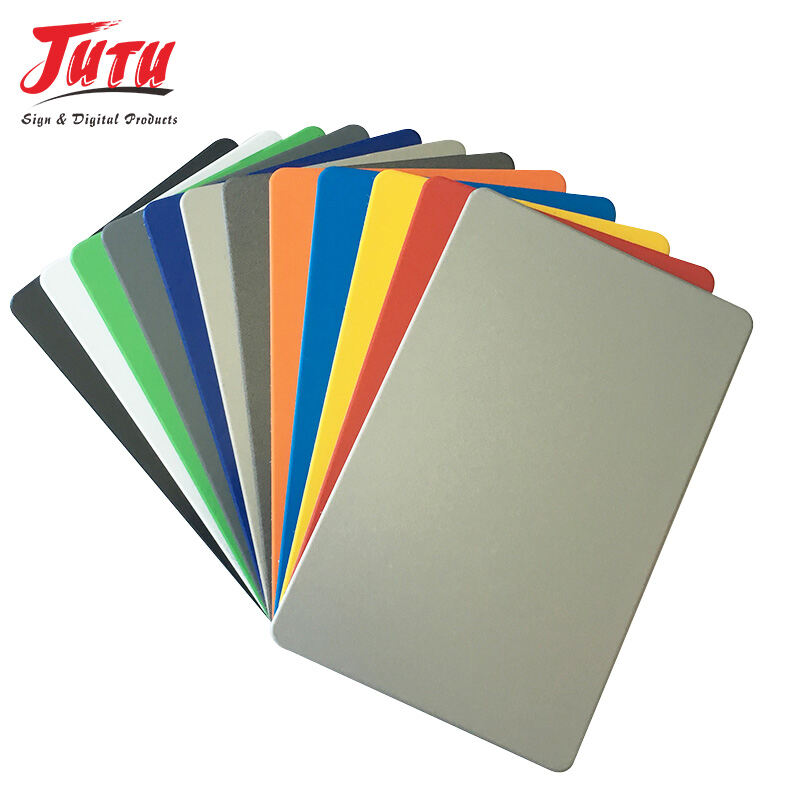
aluminium composite panel insulation
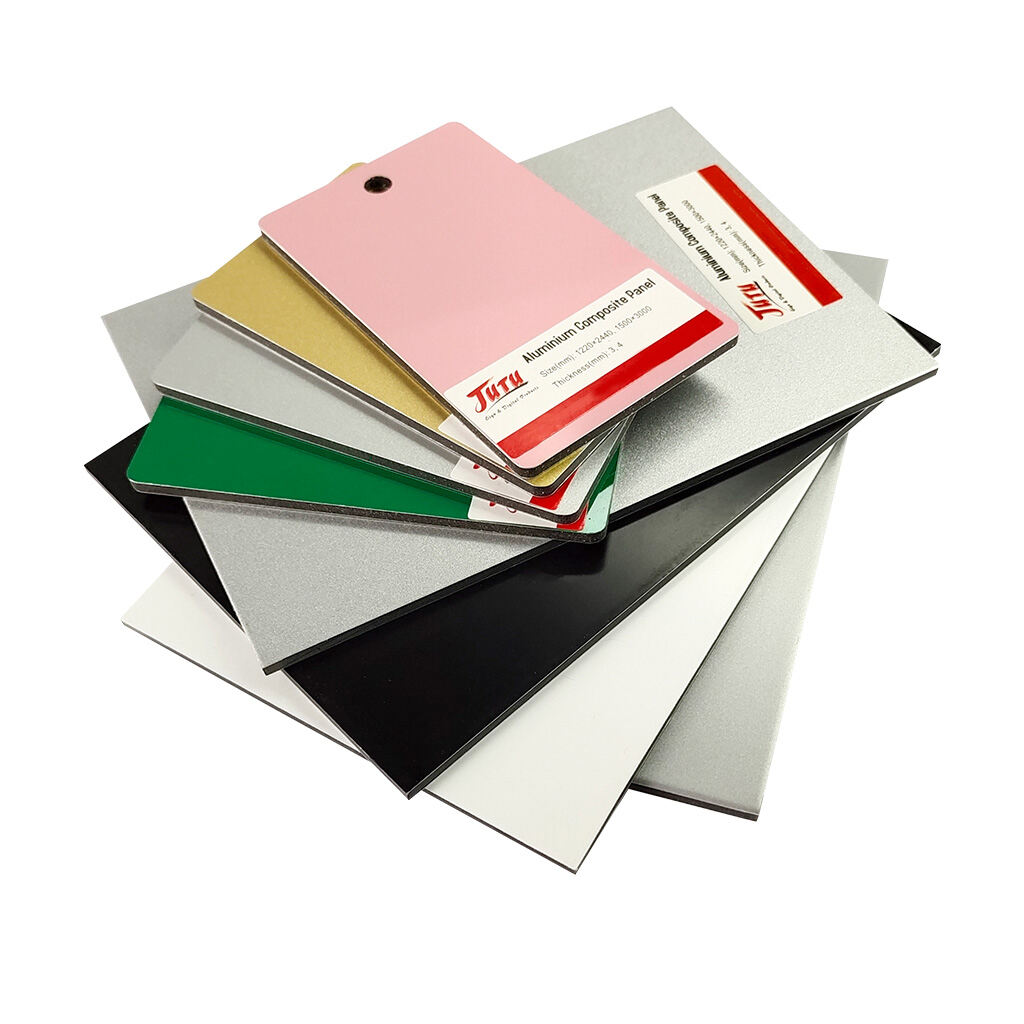
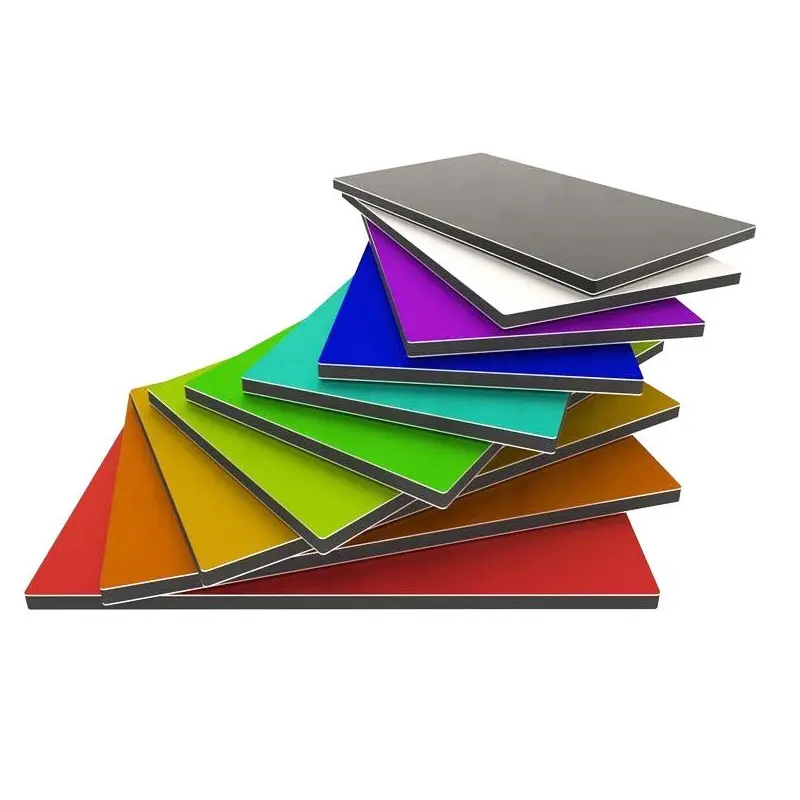
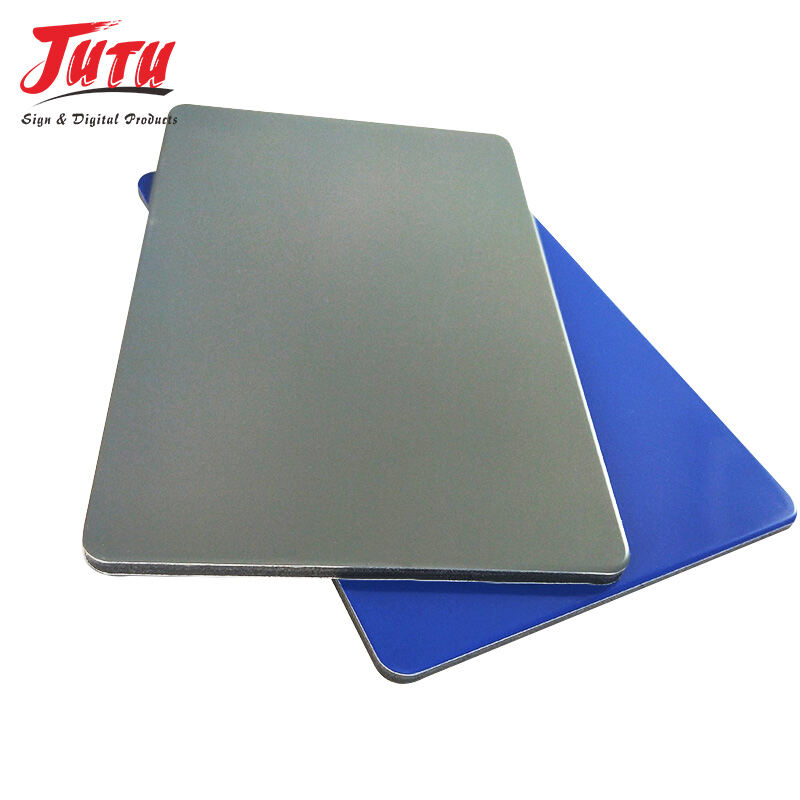
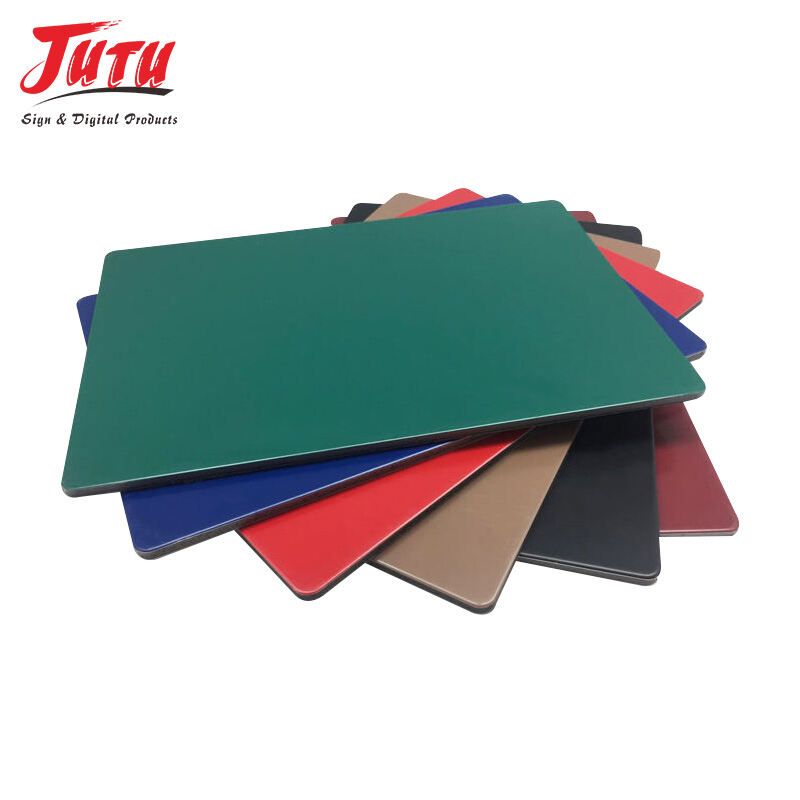
Aluminium composite panel insulation represents a cutting-edge building material that combines superior thermal performance with exceptional durability and aesthetic appeal. This innovative construction solution consists of multiple layers, featuring an insulating core sandwiched between two aluminium sheets, creating a lightweight yet robust panel system. The aluminium composite panel insulation serves as both a protective barrier and an energy-efficient component that significantly reduces heat transfer in residential, commercial, and industrial applications. The technological features of aluminium composite panel insulation include advanced polyethylene cores, fire-retardant materials, and precision-engineered bonding systems that ensure long-lasting performance. These panels utilize state-of-the-art manufacturing processes that create consistent thickness, uniform density, and reliable thermal properties throughout each panel. The surface treatments applied to aluminium composite panel insulation provide weather resistance, UV protection, and color stability, making them suitable for exterior applications in various climatic conditions. The main functions of aluminium composite panel insulation extend beyond basic insulation, encompassing moisture control, sound dampening, and structural reinforcement. These panels effectively regulate indoor temperatures, reduce energy consumption, and create comfortable living and working environments. The applications for aluminium composite panel insulation span across numerous sectors, including residential construction, commercial buildings, industrial facilities, and specialized structures such as cold storage warehouses. Architects and builders increasingly specify aluminium composite panel insulation for curtain wall systems, cladding applications, and retrofit projects due to their versatility and performance characteristics. The installation process for aluminium composite panel insulation involves standard construction techniques, making them accessible to contractors and reducing labor costs while maintaining professional results.
 EN
EN