PVC Celuka Foam Sheet: Lightweight, Durable Material Solutions for Industrial Applications

Get a Free Quote

Our representative will contact you soon.
Email
Name
Company Name
Message
0/1000

pvc celuka foam sheet

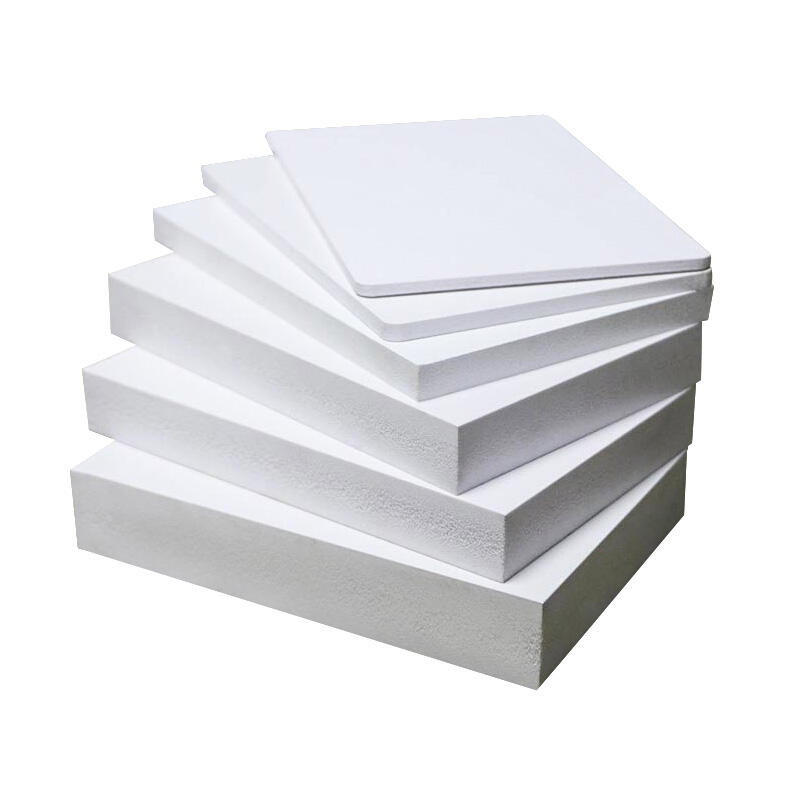
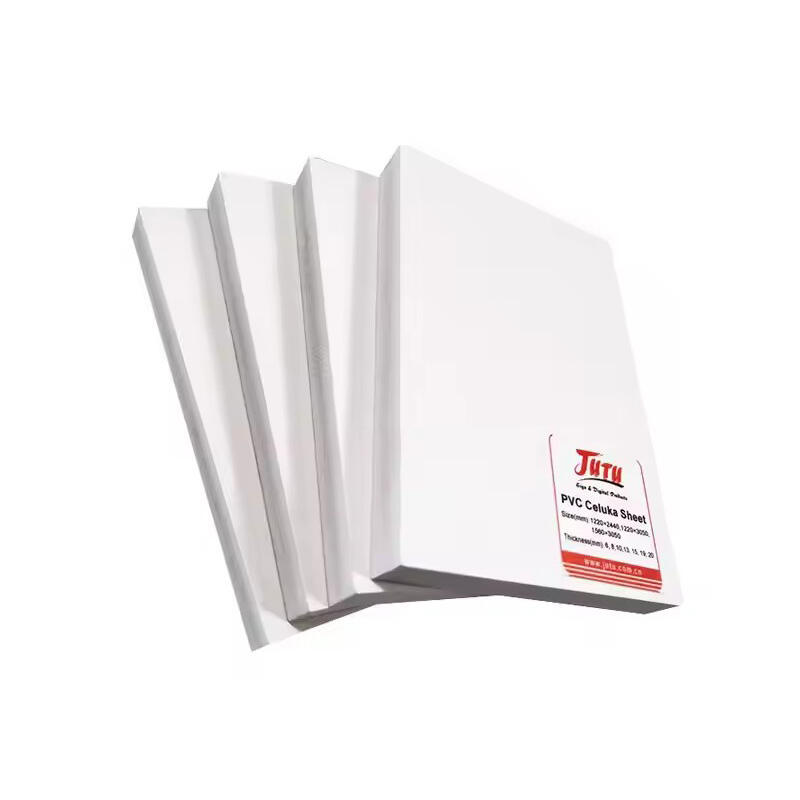
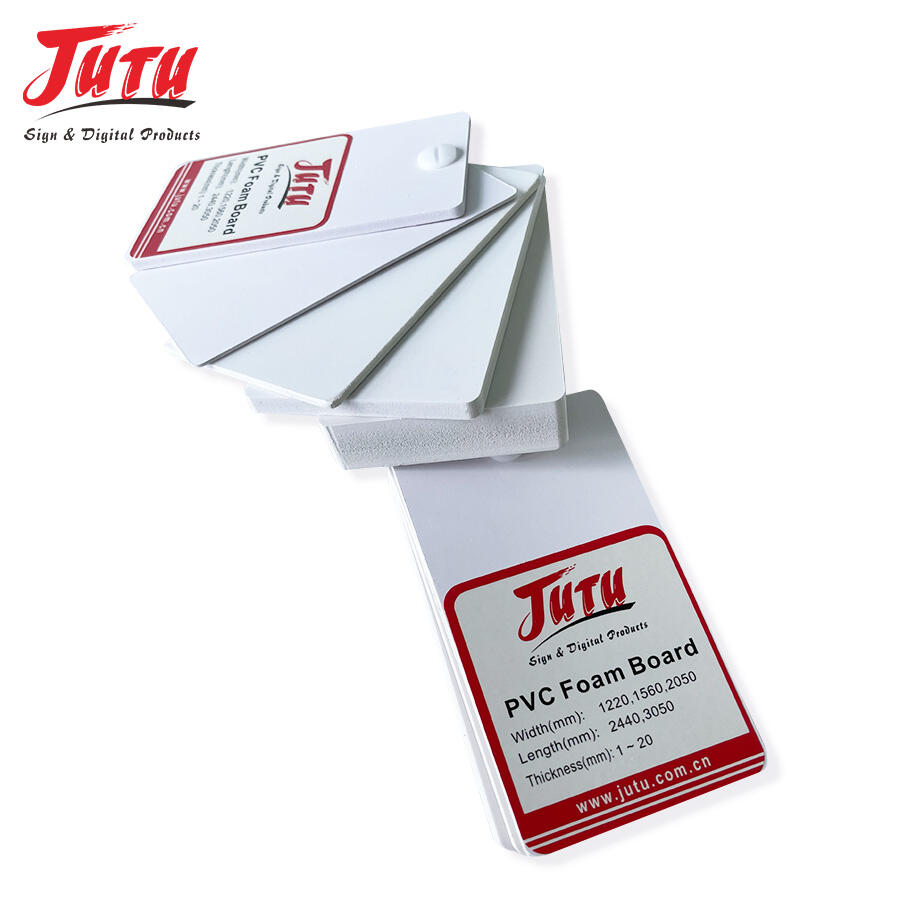
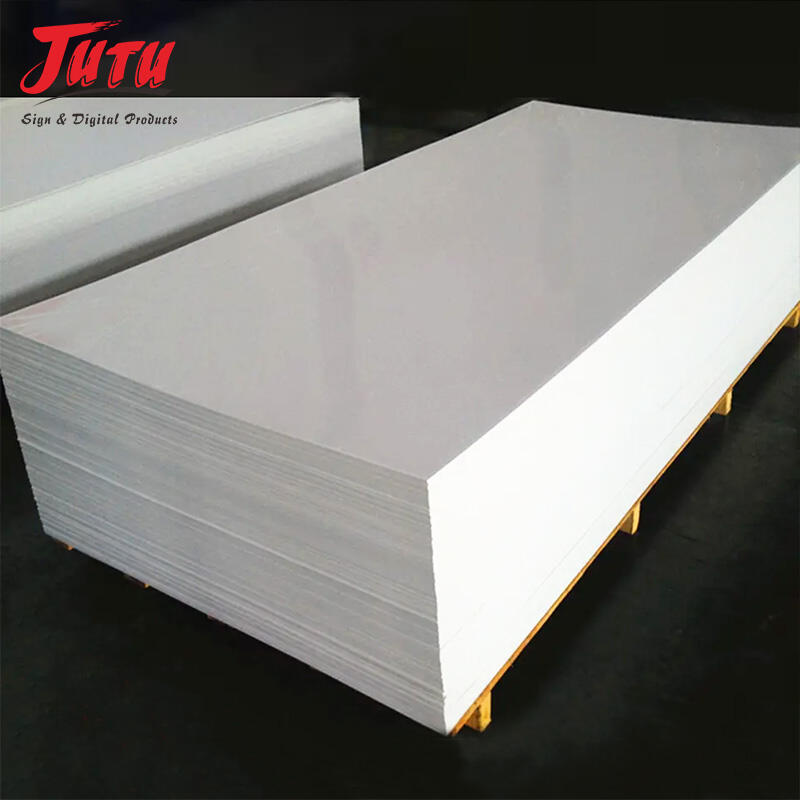
PVC Celuka foam sheet represents a revolutionary advancement in plastic manufacturing technology, combining the durability of traditional PVC with innovative foam structure engineering. This specialized material features a unique cellular construction that creates a lightweight yet remarkably strong sheet material perfect for diverse industrial and commercial applications. The manufacturing process involves injecting nitrogen or other inert gases into molten PVC resin, creating millions of microscopic air bubbles that form a uniform foam core while maintaining solid outer surfaces. This cellular structure gives the PVC Celuka foam sheet exceptional strength-to-weight ratios that surpass conventional solid plastic sheets. The material exhibits excellent dimensional stability, maintaining its shape and properties across varying temperature ranges and environmental conditions. Chemical resistance stands as another defining characteristic, making these sheets suitable for applications involving exposure to various acids, bases, and solvents commonly found in industrial environments. The smooth, non-porous surface finish allows for easy cleaning and maintenance, while the closed-cell foam structure prevents moisture absorption and bacterial growth. Manufacturing capabilities enable production in various thicknesses, densities, and colors to meet specific project requirements. The material demonstrates superior impact resistance compared to solid PVC sheets of equivalent thickness, absorbing energy through its cellular structure without cracking or breaking. Thermal insulation properties make PVC Celuka foam sheet ideal for applications requiring temperature control or energy efficiency. The lightweight nature reduces shipping costs and simplifies installation procedures, while the rigid structure maintains structural integrity under load. UV stabilization treatments ensure long-term outdoor performance without degradation or color fading. These technological features combine to create a versatile material solution that addresses multiple engineering challenges across industries including construction, marine applications, signage, furniture manufacturing, and transportation sectors.

Popular Products

PVC Celuka foam sheet delivers substantial cost savings through multiple economic advantages that directly benefit project budgets and operational efficiency. The lightweight construction reduces transportation expenses significantly, allowing more material to ship per load while minimizing fuel costs and carbon footprint. Installation becomes faster and more economical since workers can handle larger sheets with less physical effort, reducing labor time and associated costs. The material cuts cleanly with standard woodworking tools, eliminating the need for specialized cutting equipment or expensive fabrication processes. Maintenance requirements remain minimal throughout the product lifespan, as the non-porous surface resists staining, scratching, and chemical damage that typically requires costly repairs or replacement. The excellent dimensional stability prevents warping, shrinking, or expanding that could compromise structural integrity or aesthetic appearance over time. Weather resistance capabilities eliminate the need for protective coatings or frequent refinishing treatments, reducing ongoing maintenance expenses and downtime. The material demonstrates exceptional longevity, often lasting decades without significant degradation, providing superior return on investment compared to alternatives requiring frequent replacement. Impact resistance prevents damage from accidental impacts or normal wear conditions, avoiding costly repairs and replacement cycles. The chemical resistance properties ensure consistent performance in harsh environments where other materials might fail prematurely. Energy efficiency benefits emerge from the thermal insulation properties, reducing heating and cooling costs in temperature-controlled applications. The recyclable nature supports sustainability goals while potentially providing end-of-life value recovery. Manufacturing consistency ensures predictable performance characteristics, reducing project risk and potential cost overruns from material failure. The versatile processing capabilities allow customization without significant tooling investments, enabling cost-effective small-batch production runs. Quality control during manufacturing results in consistent thickness, density, and surface finish, minimizing waste from defective materials. These combined advantages create compelling economic benefits that extend far beyond initial material costs, delivering long-term value through reduced operational expenses, extended service life, and enhanced performance reliability across diverse applications and environmental conditions.

Latest News

Aluminum Composite Plates: Versatility at Its Best

07

Nov

Aluminum Composite Plates: Versatility at Its Best

Exploring the Flexibility of Aluminum Composite Plates Aluminum Composite Plates have become a cornerstone material in modern architecture, advertising, and industrial design. Known for their strength, lightweight structure, and aesthetic flexibility...
View More
Durability and Clarity: What to Expect from Acrylic Board Manufacturers

07

Nov

Durability and Clarity: What to Expect from Acrylic Board Manufacturers

Acrylic boards offer unmatched strength and transparency. You can rely on their unique material properties to withstand impacts and maintain clarity over time. Advanced manufacturing techniques enhance their durability and clarity, making them ideal ...
View More
Honeycomb Board Furniture: A New Dimension in Comfort

07

Nov

Honeycomb Board Furniture: A New Dimension in Comfort

Imagine furniture that's lightweight, durable, and eco-friendly. Honeycomb Board Furniture is revolutionizing how you think about design and sustainability. Its unique structure offers endless possibilities for modern living. You’ll love how it...
View More
How PVC Foam Board Is Transforming Modern Signage Design

23

Dec

How PVC Foam Board Is Transforming Modern Signage Design

The signage industry has witnessed remarkable evolution in recent years, with PVC foam board emerging as a revolutionary material that's reshaping how businesses approach visual communication. This lightweight yet durable material has become the corn...
View More

Get a Free Quote

Our representative will contact you soon.
Email
Name
Company Name
Message
0/1000

pvc celuka foam sheet

Superior Structural Performance and Durability

Superior Structural Performance and Durability

The structural engineering excellence of PVC Celuka foam sheet stems from its innovative cellular architecture that maximizes strength while minimizing weight through advanced manufacturing techniques. The foam core structure distributes loads evenly across the entire sheet surface, preventing stress concentration points that typically cause failure in solid materials. This distributed load characteristic enables the material to support significantly higher weights per unit thickness compared to conventional alternatives. The closed-cell foam construction creates millions of tiny air pockets that act as shock absorbers, dissipating impact energy throughout the material matrix rather than allowing cracks to propagate. This energy absorption capability makes PVC Celuka foam sheet exceptionally resistant to damage from drops, impacts, or vibration exposure common in transportation and industrial applications. The rigid outer skins provide excellent flexural strength, allowing the material to span longer distances without intermediate support structures. Temperature cycling tests demonstrate remarkable dimensional stability, with minimal expansion or contraction across extreme temperature ranges from sub-zero conditions to elevated heat exposure. The chemical composition resists degradation from ultraviolet radiation, ozone exposure, and atmospheric pollutants that typically cause brittleness or discoloration in other plastic materials. Long-term weathering studies show consistent mechanical properties retention after years of outdoor exposure, confirming the material's suitability for permanent exterior installations. The homogeneous cellular structure eliminates weak points or defects that could compromise structural integrity over time. Fatigue resistance testing reveals exceptional performance under repeated loading cycles, making the material suitable for dynamic applications involving constant movement or vibration. The combination of lightweight construction and high strength creates opportunities for innovative design solutions previously impossible with heavier materials. Quality manufacturing processes ensure consistent cell size distribution and density throughout each sheet, providing predictable performance characteristics for engineering calculations. This structural reliability, combined with the material's durability advantages, makes PVC Celuka foam sheet an ideal choice for demanding applications requiring long-term performance assurance.
Exceptional Chemical and Environmental Resistance

Exceptional Chemical and Environmental Resistance

The outstanding chemical resistance properties of PVC Celuka foam sheet provide unmatched protection against a broad spectrum of aggressive substances commonly encountered in industrial, marine, and commercial environments. The molecular structure of PVC inherently resists attack from acids, bases, salts, and many organic solvents that would quickly degrade other plastic materials. This chemical stability ensures consistent performance in applications involving exposure to cleaning chemicals, industrial process fluids, or corrosive atmospheric conditions. The closed-cell foam structure prevents chemical penetration into the core material, maintaining structural integrity even when exposed to prolonged chemical contact. Laboratory testing confirms resistance to sulfuric acid, hydrochloric acid, sodium hydroxide, and numerous other aggressive chemicals commonly found in industrial processing facilities. The non-porous surface finish eliminates absorption pathways that could allow chemicals to accumulate and cause gradual degradation over time. Marine environment testing demonstrates excellent performance in saltwater applications, resisting the corrosive effects of salt spray, humidity, and constant moisture exposure that typically cause rapid deterioration in metal components. UV stabilization additives incorporated during manufacturing provide exceptional resistance to photodegradation, preventing the chalking, cracking, and color fading that affects many plastic materials under prolonged sunlight exposure. Thermal stability characteristics ensure consistent chemical resistance across operating temperature ranges, maintaining protection properties whether exposed to freezing conditions or elevated temperatures. The material demonstrates excellent resistance to biological attack, including bacteria, fungi, and marine organisms that typically cause bio-fouling or structural damage to organic materials. Food-grade formulations meet stringent safety requirements for applications involving food contact, maintaining chemical inertness that prevents contamination or flavor transfer. Environmental stress crack resistance testing confirms the material's ability to withstand simultaneous chemical exposure and mechanical stress without developing cracks or failures. These comprehensive resistance properties make PVC Celuka foam sheet the preferred choice for challenging environments where material failure could result in costly downtime, safety hazards, or environmental contamination.
Versatile Processing and Customization Capabilities

Versatile Processing and Customization Capabilities

The remarkable processing versatility of PVC Celuka foam sheet enables extensive customization options that meet specific application requirements while maintaining cost-effective manufacturing approaches. Standard woodworking equipment handles cutting, drilling, and shaping operations with exceptional precision, allowing fabricators to create complex geometries without investing in specialized tooling or machinery. The material machines cleanly without chipping, splintering, or generating excessive heat that could affect dimensional accuracy or surface quality. Routing operations produce smooth edges and precise profiles suitable for architectural applications, signage manufacturing, or decorative installations requiring fine detail work. Thermoforming capabilities allow heating and reshaping into curved surfaces, complex contours, or three-dimensional configurations that would be impossible with rigid sheet materials. The controlled heating process activates the thermoplastic properties while the foam core maintains structural support, preventing collapse or distortion during forming operations. Welding techniques using hot air, heated tools, or ultrasonic methods create strong, permanent joints between sheet sections, enabling assembly of large structures or complex shapes from smaller components. Surface preparation for bonding accepts various adhesive systems, allowing integration with other materials including metals, composites, or different plastic types in hybrid constructions. Printing compatibility supports direct application of graphics, text, or decorative finishes using screen printing, digital printing, or vinyl application methods commonly used in signage and advertising industries. The smooth, uniform surface finish provides excellent paint adhesion when color matching or special appearance requirements necessitate coating applications. Embossing and texturing operations create decorative patterns, non-slip surfaces, or functional features that enhance both aesthetic appeal and practical performance. CNC machining capabilities enable precision fabrication of complex parts with tight tolerances, supporting applications in aerospace, automotive, or medical device manufacturing where dimensional accuracy remains critical. Lamination processes allow bonding with facing materials such as aluminum, fiberglass, or decorative films to create composite structures combining the benefits of multiple materials. These extensive processing capabilities, combined with the material's inherent properties, create unlimited design possibilities for innovative applications across industries requiring customized solutions.