papan karton honeycomb
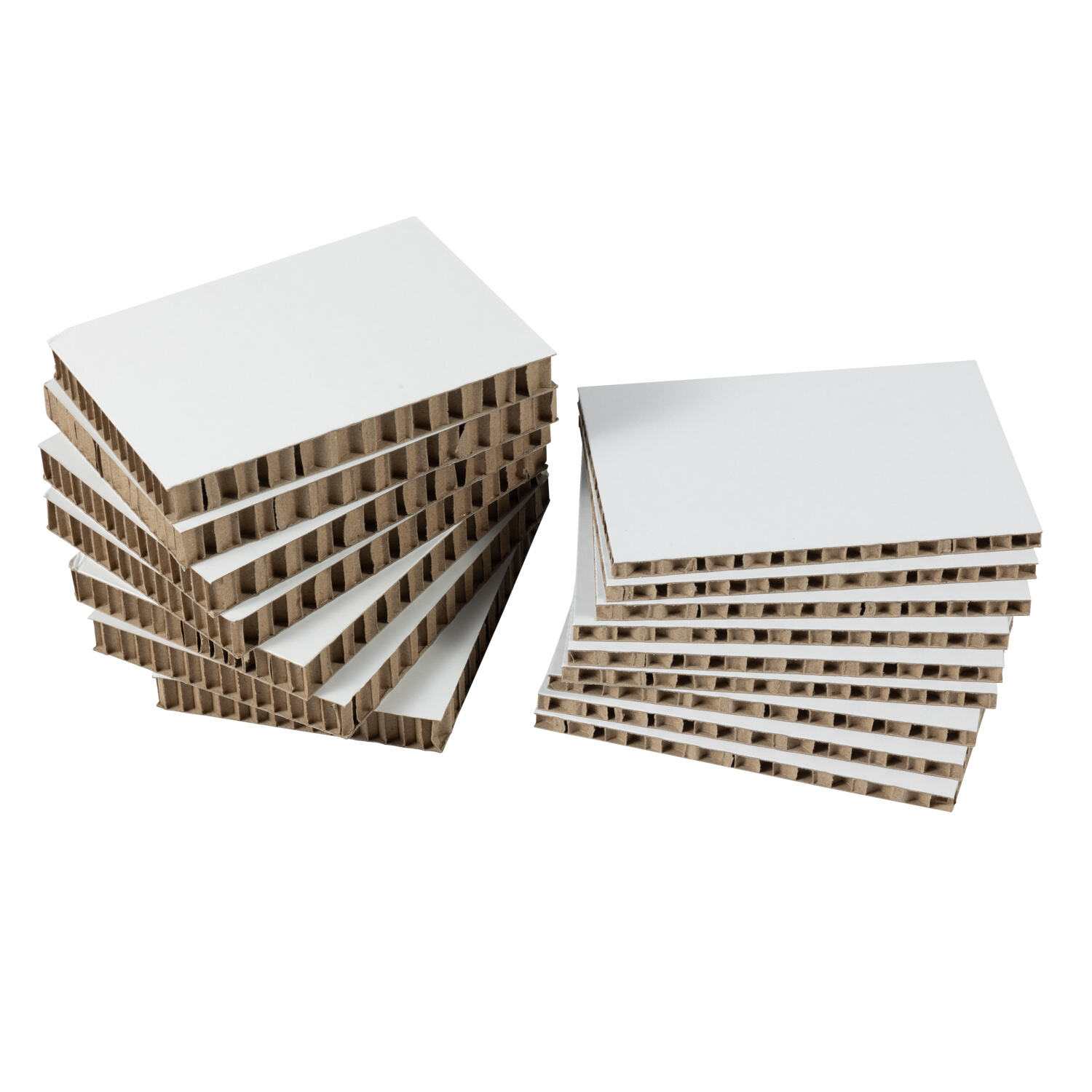
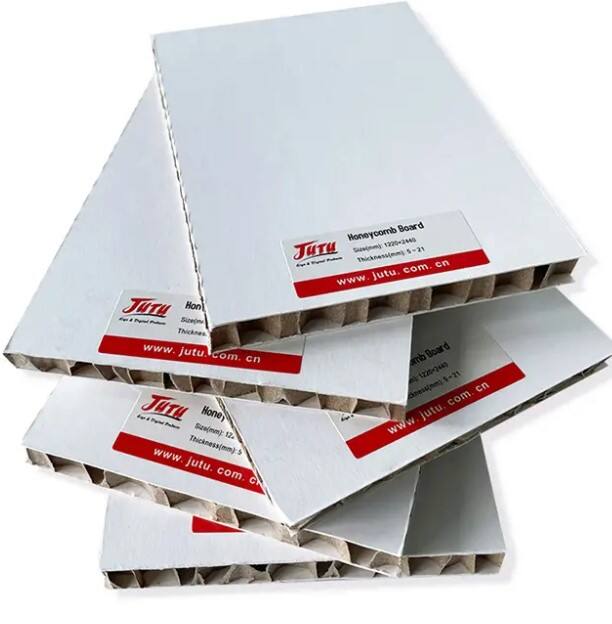
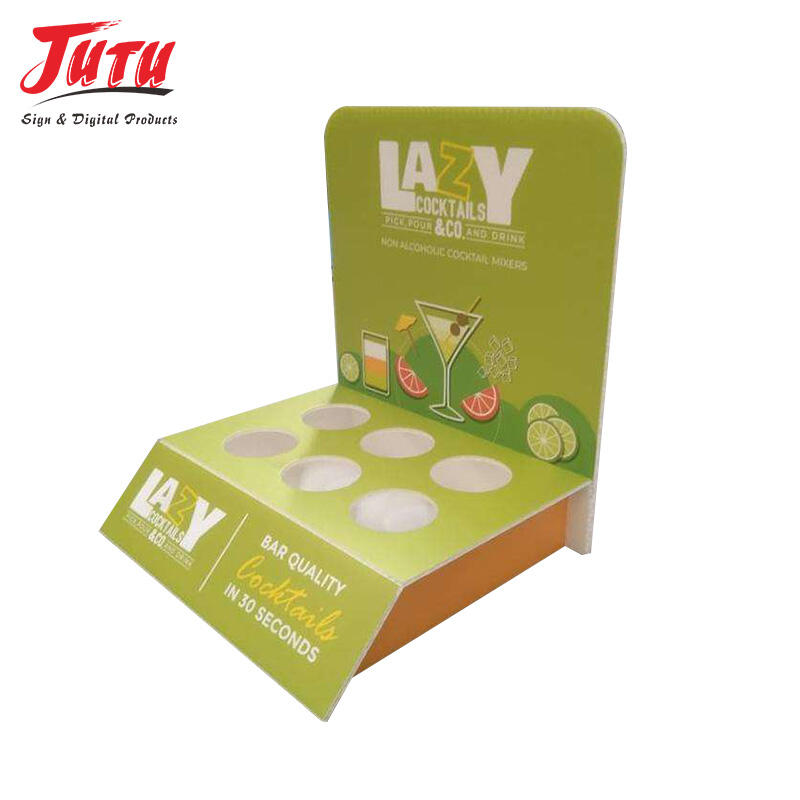
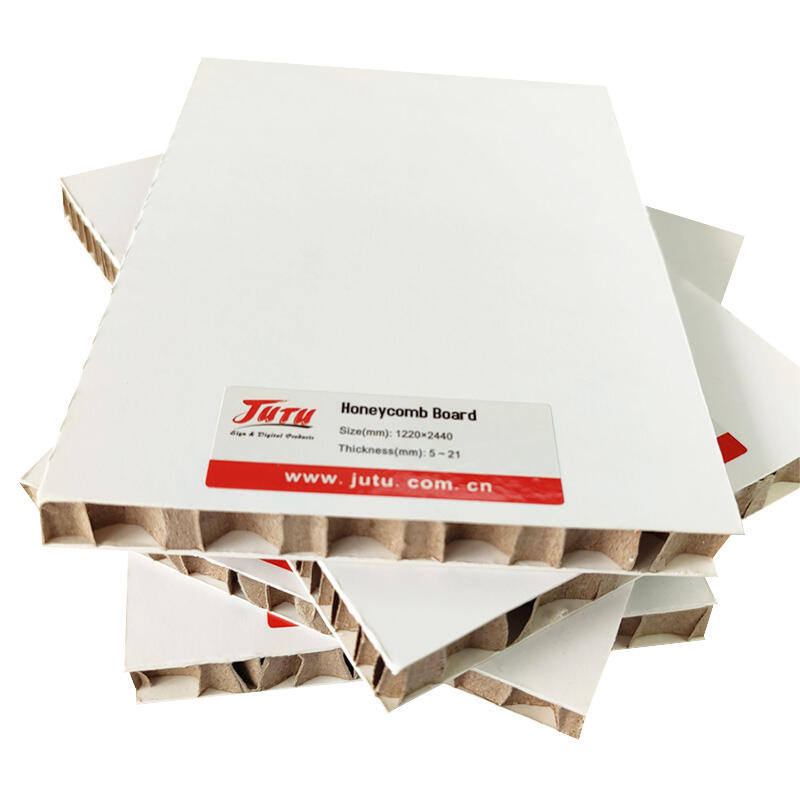
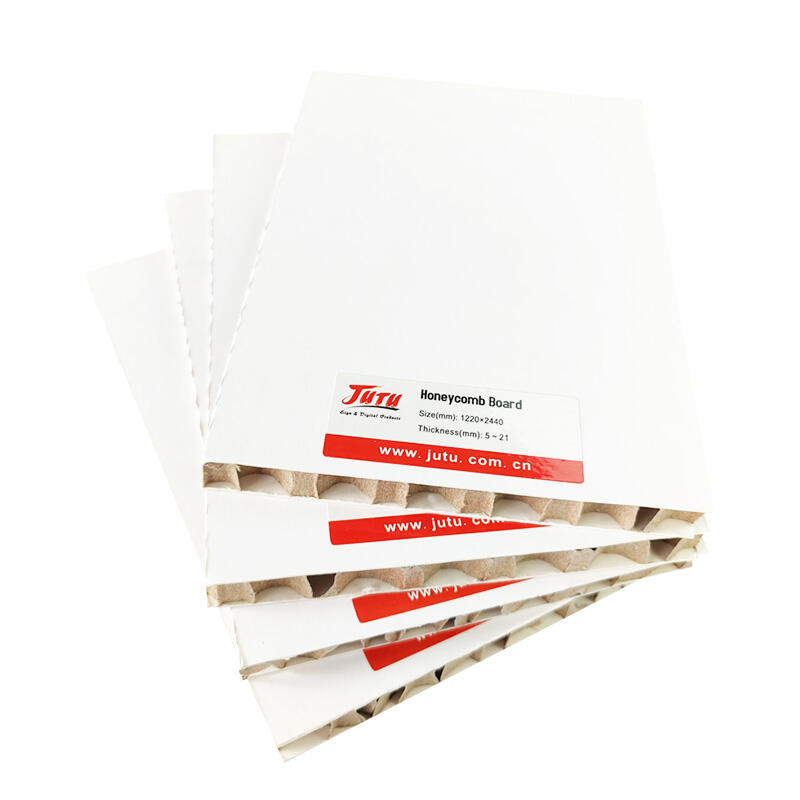
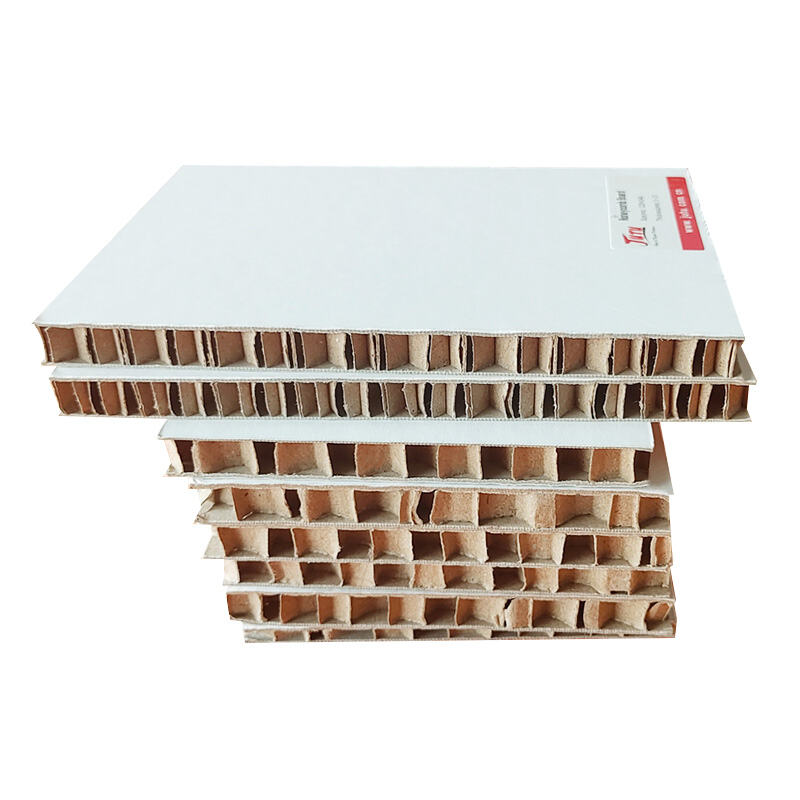
Papan karton berbentuk sarang lebah merupakan terobosan revolusioner dalam teknologi kemasan berkelanjutan, memiliki struktur seluler khas yang menyerupai pola heksagonal alami yang ditemukan pada sarang lebah. Material inovatif ini terdiri dari beberapa lapisan, termasuk dua lembar permukaan luar datar dan inti bergelombang yang dibentuk menjadi sel-sel heksagonal, menciptakan solusi kemasan yang sangat kuat namun ringan. Proses pembuatan papan karton sarang lebah melibatkan lembaran kertas atau karton yang direkayasa secara presisi dan direkatkan menggunakan perekat ramah lingkungan, menghasilkan material yang menggabungkan integritas struktural luar biasa dengan tanggung jawab terhadap lingkungan. Fitur teknologi papan karton sarang lebah mencakup kekuatan tekan yang unggul, kemampuan penyerapan guncangan yang sangat baik, serta rasio berat-terhadap-kekuatan yang luar biasa dan melampaui material kemasan tradisional. Papan ini menunjukkan ketahanan luar biasa terhadap kelembapan, perubahan suhu, dan benturan fisik, menjadikannya ideal untuk melindungi barang berharga selama transportasi dan penyimpanan. Desain seluler memberikan sifat insulasi alami, menyediakan perlindungan termal untuk produk sensitif terhadap suhu sekaligus menjaga sirkulasi udara guna mencegah terbentuknya kondensasi. Aplikasi papan karton sarang lebah mencakup berbagai industri, termasuk elektronik, furnitur, komponen otomotif, farmasi, dan sektor kemasan makanan. Produsen memanfaatkan material serbaguna ini untuk membuat sisipan kemasan pelindung, wadah pengiriman, etalase pajangan, serta casing pelindung yang disesuaikan bentuknya. Kemampuan papan ini untuk dipotong, dilipat, dan dibentuk dengan mudah memungkinkan solusi kemasan kreatif yang pas sempurna dengan dimensi produk. Selain itu, papan karton sarang lebah menjadi alternatif yang sangat baik terhadap material tradisional seperti busa plastik, peti kayu, dan wadah logam, menawarkan perlindungan setara namun secara signifikan mengurangi dampak lingkungan. Sifatnya yang dapat didaur ulang selaras dengan tujuan keberlanjutan modern, menjadikannya semakin populer di kalangan perusahaan yang ingin mengurangi jejak karbon mereka tanpa mengorbankan standar kemasan yang tinggi.
 EN
EN