Professional PVC Panel Designing: Advanced Solutions for Modern Interior and Exterior Applications

Get a Free Quote

Our representative will contact you soon.
Email
Name
Company Name
Message
0/1000

pvc panel designing

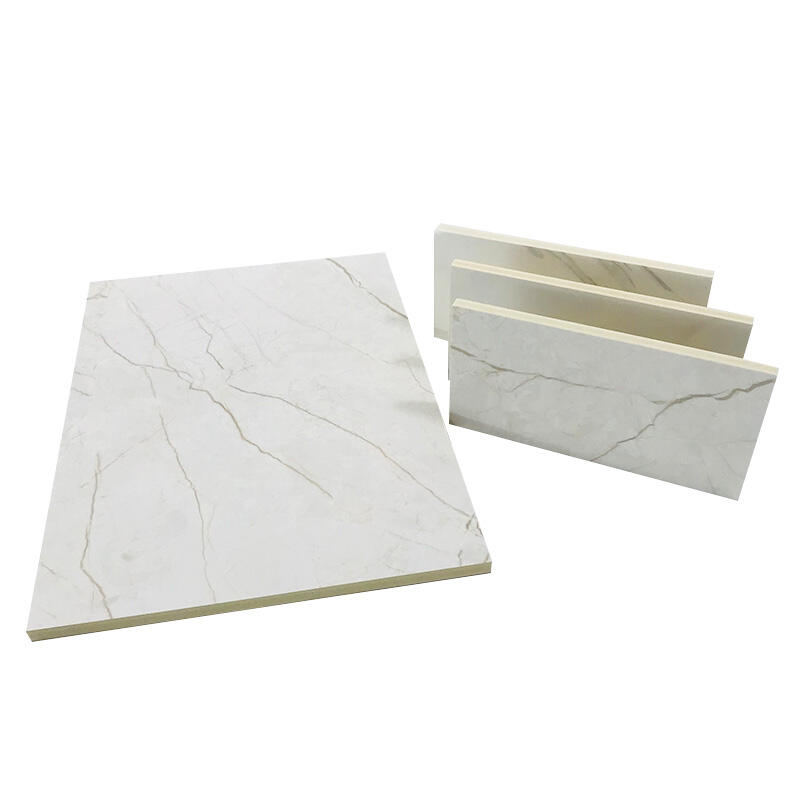
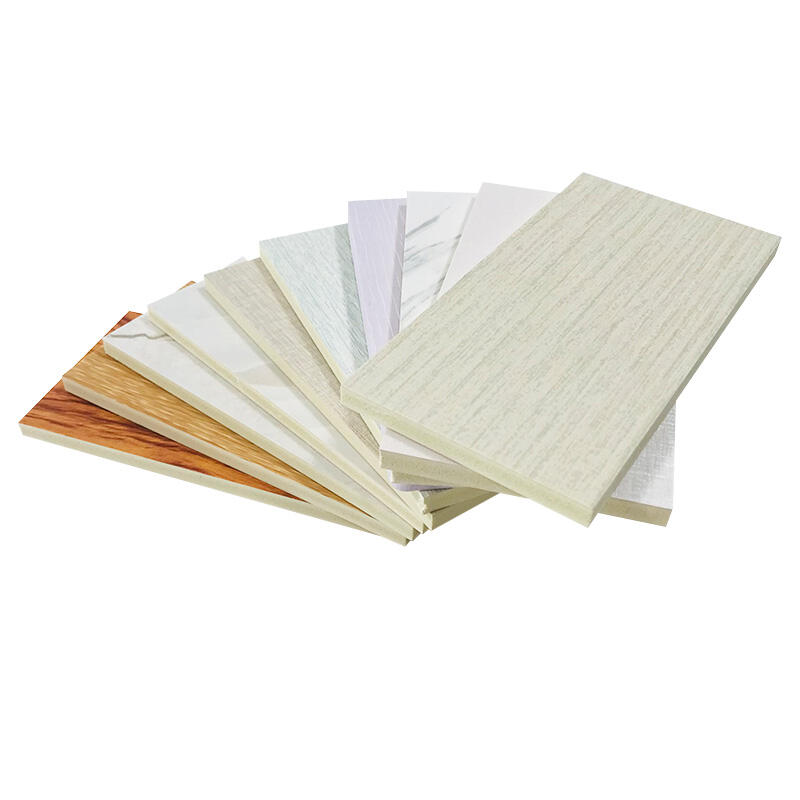
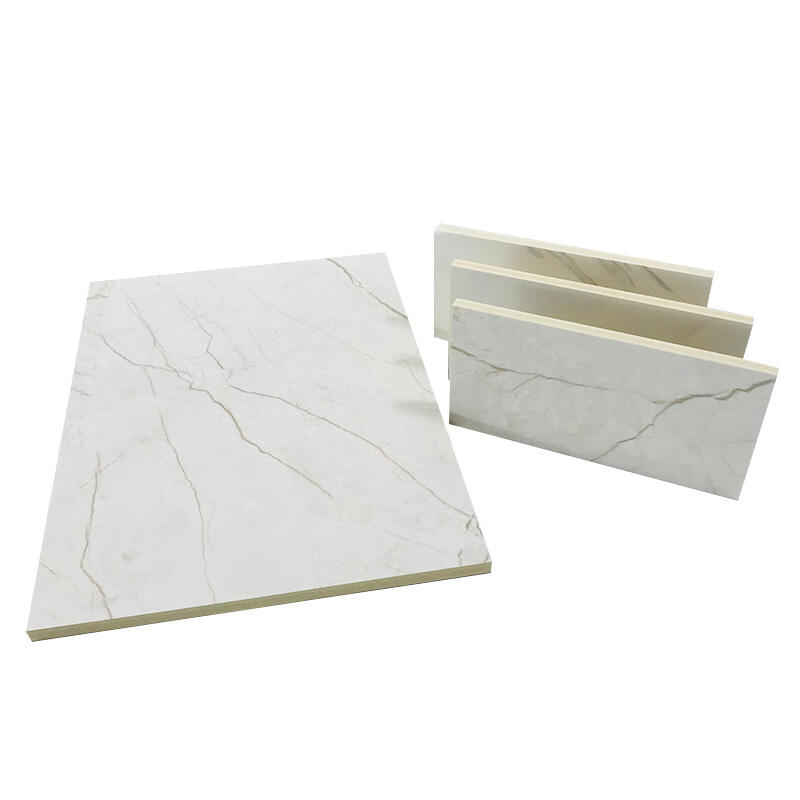
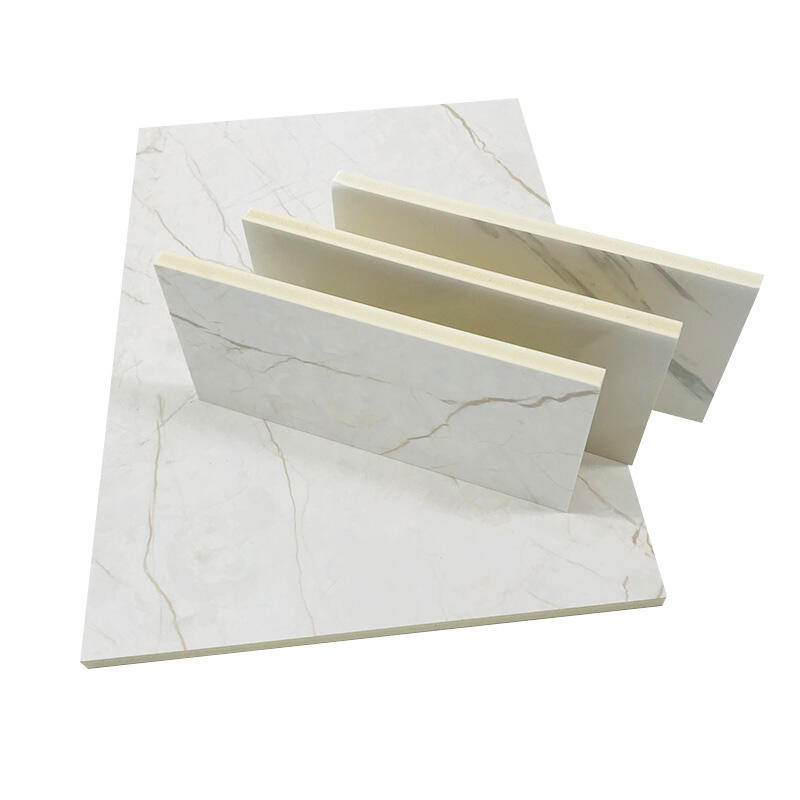
PVC panel designing represents a comprehensive approach to creating innovative interior and exterior solutions using polyvinyl chloride materials. This specialized field combines aesthetic considerations with functional requirements to produce versatile wall and ceiling coverings that meet diverse architectural needs. The main functions of PVC panel designing encompass waterproofing, thermal insulation, acoustic dampening, and decorative enhancement of residential, commercial, and industrial spaces. Modern PVC panel designing incorporates advanced manufacturing techniques that enable the creation of panels with various textures, colors, patterns, and surface finishes. The technological features include precision molding processes, digital printing capabilities for realistic wood grain and stone textures, UV-resistant coatings, and antimicrobial treatments. These panels can be engineered with interlocking systems, tongue-and-groove connections, or clip-on mechanisms for simplified installation procedures. Applications span across bathroom renovations, kitchen backsplashes, office partitions, retail store interiors, healthcare facilities, educational institutions, and outdoor architectural elements. The design process involves careful consideration of environmental factors, structural requirements, maintenance needs, and aesthetic preferences. Advanced PVC panel designing utilizes computer-aided design software to create custom solutions that optimize material usage while maintaining structural integrity. The panels can incorporate integrated lighting channels, ventilation features, and cable management systems. Fire-resistant formulations ensure compliance with building safety regulations, while eco-friendly recycling options address sustainability concerns. Manufacturers employ sophisticated quality control measures throughout the PVC panel designing process, including dimensional accuracy testing, color consistency verification, and durability assessments. The versatility of PVC panel designing allows for seamless integration with existing architectural elements while providing cost-effective alternatives to traditional materials like ceramic tiles, natural wood, or metal cladding systems.

New Product Recommendations

PVC panel designing offers exceptional durability that surpasses traditional wall covering materials, providing long-lasting solutions that resist cracking, warping, and deterioration over extended periods. The moisture resistance inherent in PVC panel designing makes it ideal for high-humidity environments where conventional materials would fail, eliminating concerns about mold growth, water damage, or structural compromise. Installation simplicity represents another significant advantage, as PVC panel designing typically requires minimal specialized tools and can be completed by homeowners or contractors with basic construction skills, reducing labor costs and project timelines significantly. The lightweight nature of panels designed through PVC panel designing processes reduces structural load requirements and simplifies transportation, handling, and mounting procedures compared to heavier alternatives like ceramic tiles or natural stone. Maintenance requirements remain minimal throughout the lifespan of properly executed PVC panel designing projects, requiring only periodic cleaning with standard household cleaners rather than specialized treatments or professional servicing. Cost-effectiveness emerges as a primary benefit, with PVC panel designing delivering premium aesthetics at fraction of the expense associated with natural materials while providing superior performance characteristics. The thermal insulation properties inherent in PVC panel designing contribute to energy efficiency improvements, helping reduce heating and cooling costs while maintaining comfortable indoor temperatures year-round. Fire safety compliance built into modern PVC panel designing ensures peace of mind for residential and commercial applications, meeting stringent building codes without compromising design flexibility. Environmental considerations have been addressed through recyclable formulations used in contemporary PVC panel designing, supporting sustainability initiatives while maintaining product performance standards. Customization possibilities within PVC panel designing allow for unique color matching, texture replication, and pattern creation that would be impossible or prohibitively expensive with natural materials. The chemical resistance properties of PVC panel designing make it suitable for industrial applications, laboratories, and commercial kitchens where exposure to cleaning agents and chemicals occurs regularly. Installation versatility enables PVC panel designing to be applied over existing surfaces without extensive preparation, renovation, or structural modifications, making it perfect for retrofit projects and quick renovations.

Practical Tips

Durability and Aesthetics: The Advantages of Aluminum Composite Plates

07

Nov

Durability and Aesthetics: The Advantages of Aluminum Composite Plates

Aluminum composite plates deliver an exceptional balance of durability and aesthetics. Their advanced material composition ensures strength and resilience, while their design flexibility allows for creative applications. Industries such as architectu...
View More
Why Acrylic Board Manufacturers are Essential for Your Business

07

Nov

Why Acrylic Board Manufacturers are Essential for Your Business

The Strategic Value of Acrylic Board Manufacturers in Business Growth Ensuring Material Quality & Consistency The folks who make acrylic boards really matter when it comes to keeping materials good quality and consistent throughout production runs. ...
View More
How Paper Foam Board Supports Eco-Friendly Packaging Solutions

06

Jan

How Paper Foam Board Supports Eco-Friendly Packaging Solutions

The packaging industry is undergoing a significant transformation as businesses increasingly prioritize sustainable alternatives to traditional materials. In this shift toward environmental responsibility, paper foam board has emerged as a revolution...
View More
Structural Analysis: Honeycomb Board Strength-to-Weight Ratios

06

Jan

Structural Analysis: Honeycomb Board Strength-to-Weight Ratios

The engineering world continuously seeks materials that deliver exceptional performance while maintaining minimal weight characteristics. Honeycomb board technology has emerged as a revolutionary solution, offering unprecedented strength-to-weight ra...
View More

Get a Free Quote

Our representative will contact you soon.
Email
Name
Company Name
Message
0/1000

pvc panel designing

Advanced Manufacturing Technology Integration

Advanced Manufacturing Technology Integration

PVC panel designing leverages cutting-edge manufacturing technologies that revolutionize the production of high-quality decorative panels with unprecedented precision and consistency. The integration of digital printing technology within PVC panel designing processes enables the creation of photorealistic textures that perfectly mimic natural materials like hardwood, marble, granite, and brick with stunning accuracy. Advanced extrusion techniques used in PVC panel designing ensure uniform thickness, consistent density, and optimal structural integrity throughout each panel, eliminating the variations commonly found in traditional manufacturing methods. Computer-controlled cutting systems incorporated into PVC panel designing workflows guarantee precise dimensions and perfect edge finishing, enabling seamless installation and professional-grade results. The implementation of multi-layer lamination technology in PVC panel designing creates panels with enhanced durability, improved scratch resistance, and superior color retention that maintains aesthetic appeal for decades. UV-stabilization treatments applied during PVC panel designing prevent fading, discoloration, and degradation when exposed to sunlight, making these panels suitable for both interior and exterior applications. Quality assurance protocols integrated throughout PVC panel designing manufacturing processes include automated inspection systems that detect imperfections, measure dimensional accuracy, and verify color consistency before products leave the facility. The use of specialized additives during PVC panel designing enhances performance characteristics such as impact resistance, flexibility, and thermal stability, ensuring panels perform optimally under various environmental conditions. Innovative surface texturing techniques employed in PVC panel designing create realistic three-dimensional effects that provide tactile authenticity while maintaining the practical benefits of synthetic materials. Environmental controls implemented during PVC panel designing manufacturing ensure consistent temperature, humidity, and atmospheric conditions that optimize chemical reactions and prevent defects. Advanced mixing technologies used in PVC panel designing guarantee homogeneous distribution of colorants, stabilizers, and performance enhancers throughout the material matrix, resulting in consistent properties across entire production batches.
Comprehensive Design Flexibility and Customization

Comprehensive Design Flexibility and Customization

PVC panel designing offers unparalleled design flexibility that empowers architects, interior designers, and homeowners to achieve their exact aesthetic vision while maintaining practical functionality and budget considerations. The extensive color palette available through PVC panel designing encompasses thousands of options, from subtle neutrals to bold statement hues, enabling perfect coordination with existing design schemes or creation of entirely new aesthetic concepts. Custom pattern creation capabilities within PVC panel designing allow for reproduction of specific textures, incorporation of company logos, or development of unique artistic elements that cannot be achieved with off-the-shelf materials. Dimensional versatility inherent in PVC panel designing accommodates various installation requirements, from standard residential applications to large-scale commercial projects requiring oversized panels or unusual configurations. Surface finish options available through PVC panel designing range from high-gloss reflective surfaces that enhance lighting effects to matte finishes that reduce glare and provide sophisticated elegance. The ability to create seamless transitions between different areas using coordinated PVC panel designing elements ensures visual continuity throughout complex architectural spaces. Specialized edge treatments developed for PVC panel designing include beveled edges, rounded corners, and decorative trim pieces that add professional finishing touches to installations. Integration capabilities allow PVC panel designing to incorporate functional elements such as lighting channels, ventilation grilles, or access panels without compromising aesthetic integrity. Modular design concepts utilized in PVC panel designing enable easy replacement of individual sections for maintenance or design updates without disturbing surrounding areas. Texture variation possibilities within PVC panel designing create visual interest through subtle differences in surface relief, grain patterns, or reflective properties that add depth and sophistication. Size customization available through PVC panel designing eliminates waste and ensures optimal material utilization while accommodating unique architectural features or space constraints. The compatibility of PVC panel designing with various installation methods provides flexibility in construction scheduling and technique selection based on project requirements and contractor preferences.
Superior Performance and Longevity Characteristics

Superior Performance and Longevity Characteristics

PVC panel designing delivers exceptional performance characteristics that ensure long-term durability, minimal maintenance requirements, and consistent aesthetic appeal throughout the product lifecycle. The inherent water resistance of materials used in PVC panel designing prevents moisture absorption, swelling, and degradation that commonly affects natural materials, making it ideal for bathrooms, kitchens, basements, and other high-humidity environments. Chemical resistance properties built into PVC panel designing formulations provide protection against common household cleaners, industrial solvents, and environmental pollutants that would stain or damage conventional wall coverings. Temperature stability achieved through advanced PVC panel designing ensures dimensional consistency across wide temperature ranges, preventing expansion, contraction, or warping that could compromise installation integrity. Impact resistance engineered into PVC panel designing products protects against dents, scratches, and physical damage from daily use, maintaining pristine appearance even in high-traffic areas. Fire safety compliance integrated into PVC panel designing meets or exceeds building code requirements while providing self-extinguishing properties that enhance occupant safety. The non-porous surface created through PVC panel designing prevents bacterial growth, mold formation, and odor absorption, contributing to healthier indoor environments and easier sanitation protocols. UV stability incorporated into PVC panel designing prevents color fading, surface chalking, and material degradation when exposed to natural or artificial lighting over extended periods. Thermal insulation properties of PVC panel designing contribute to energy efficiency by reducing heat transfer through walls and ceilings, potentially lowering heating and cooling costs. Sound dampening characteristics achieved through specific PVC panel designing techniques help reduce noise transmission between rooms and from external sources, improving acoustic comfort. Dimensional stability maintained throughout the lifespan of PVC panel designing installations prevents gaps, buckling, or separation that could compromise appearance or allow moisture infiltration. The recyclability of modern PVC panel designing materials supports environmental sustainability initiatives while maintaining all performance benefits throughout multiple use cycles. Warranty protection typically offered with professional PVC panel designing installations provides long-term peace of mind and demonstrates manufacturer confidence in product durability and performance.