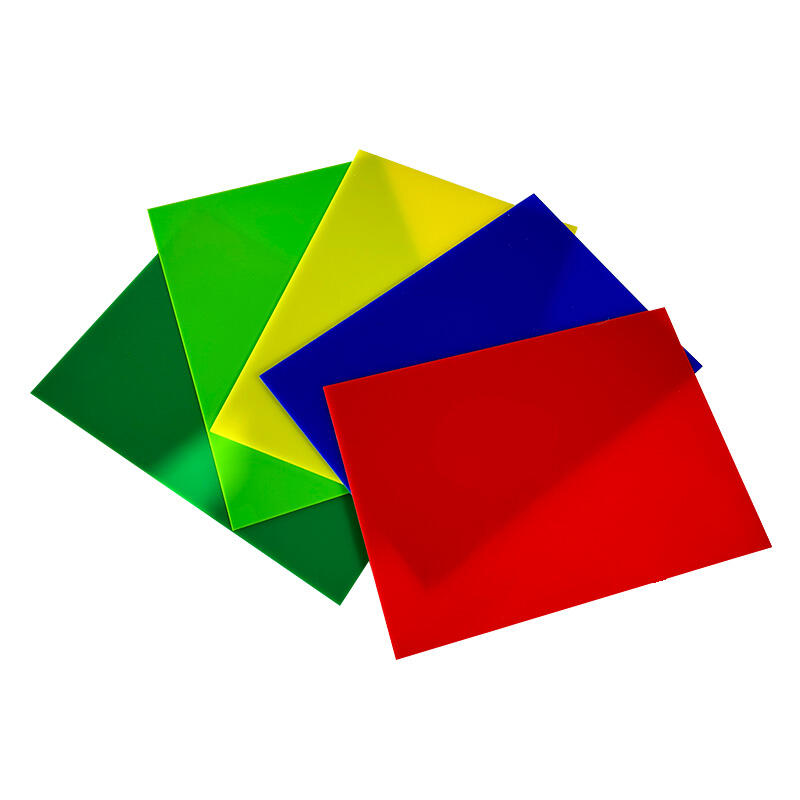
Premium PVC Celuka Board for Cabinetry - Lightweight, Moisture-Resistant Cabinet Solutions

Get a Free Quote

Our representative will contact you soon.
Email
Name
Company Name
Message
0/1000

pvc celuka board for cabinetry

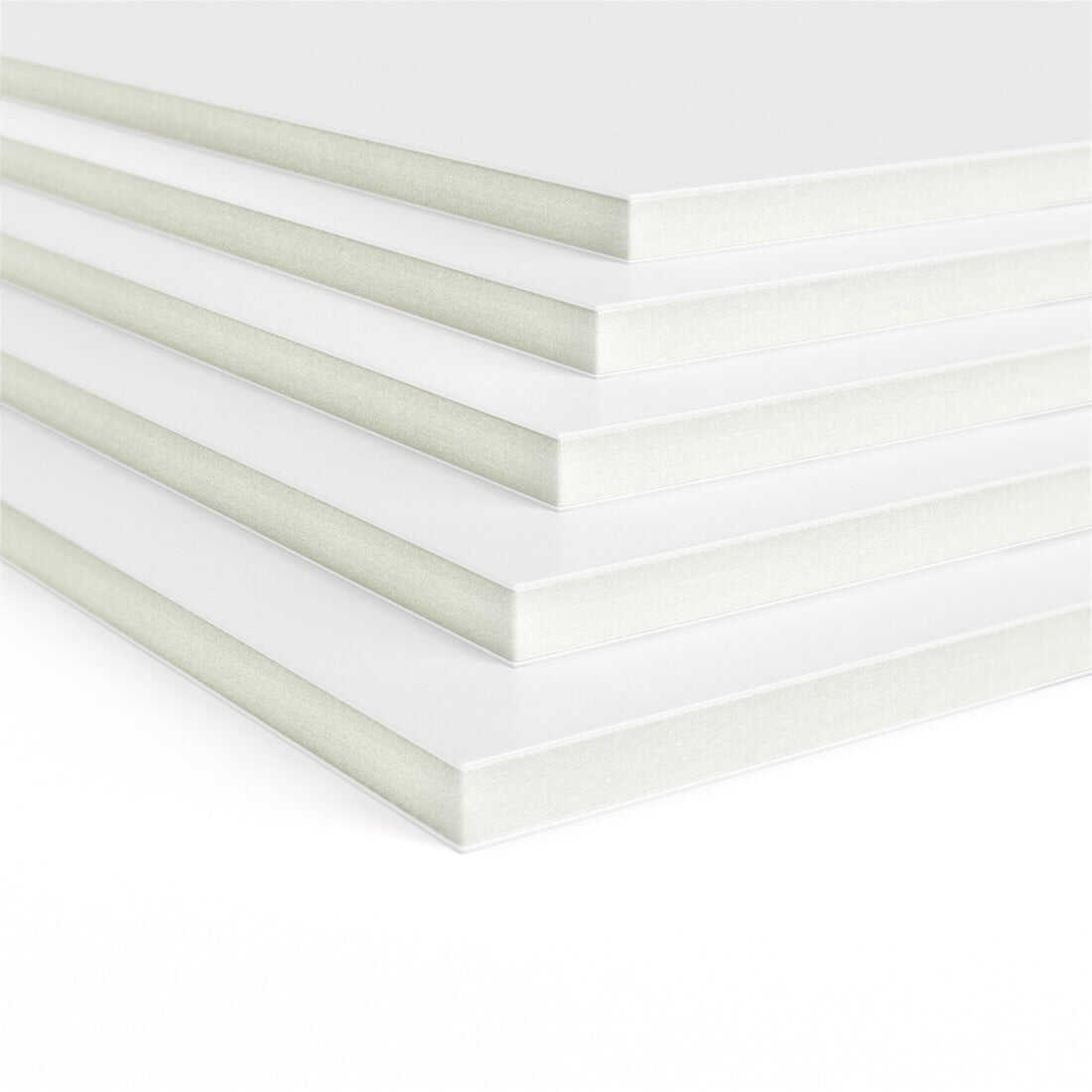
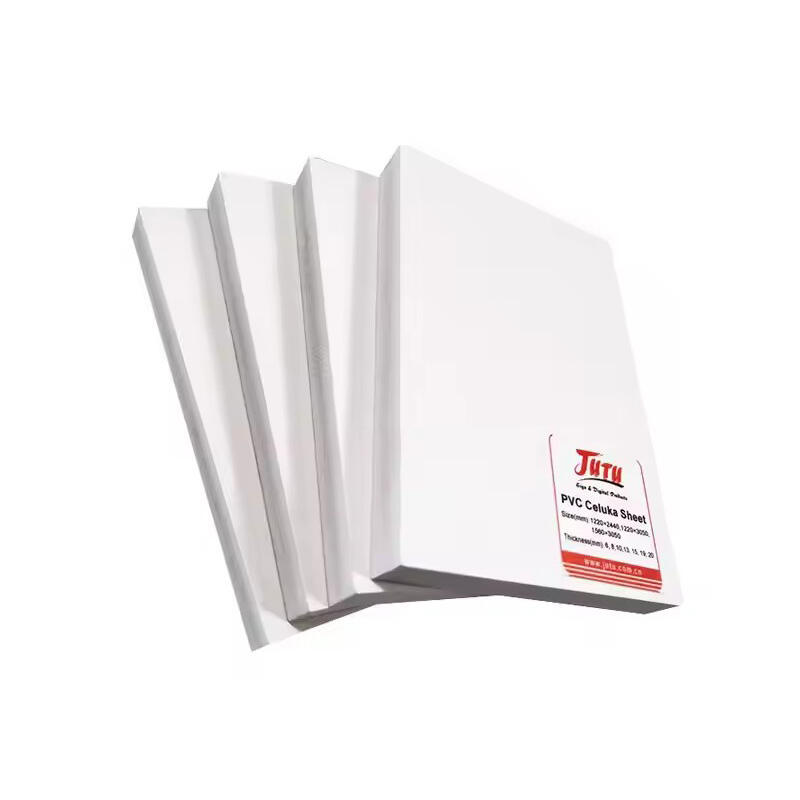
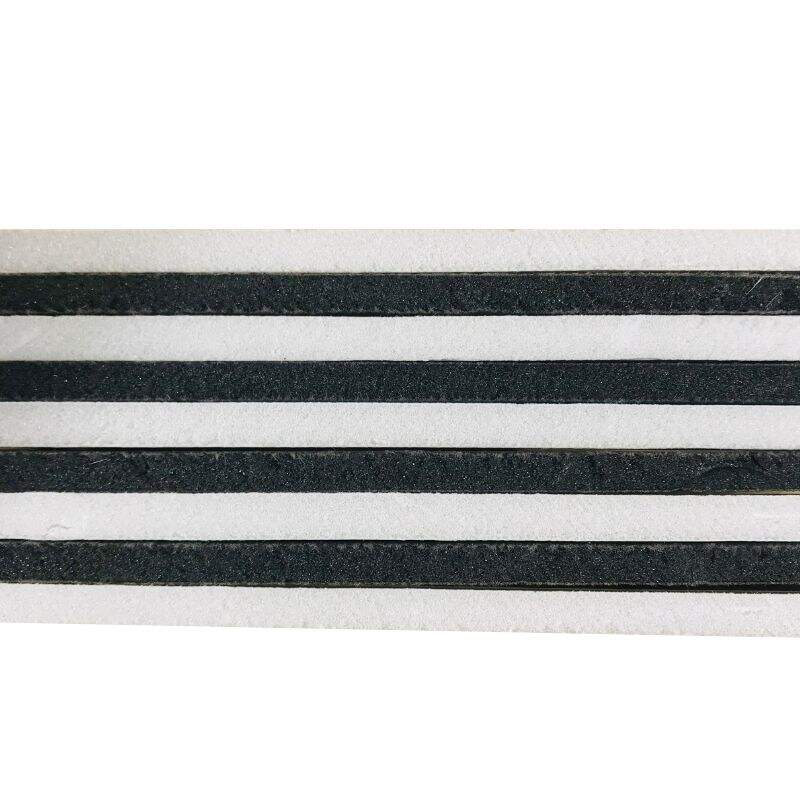
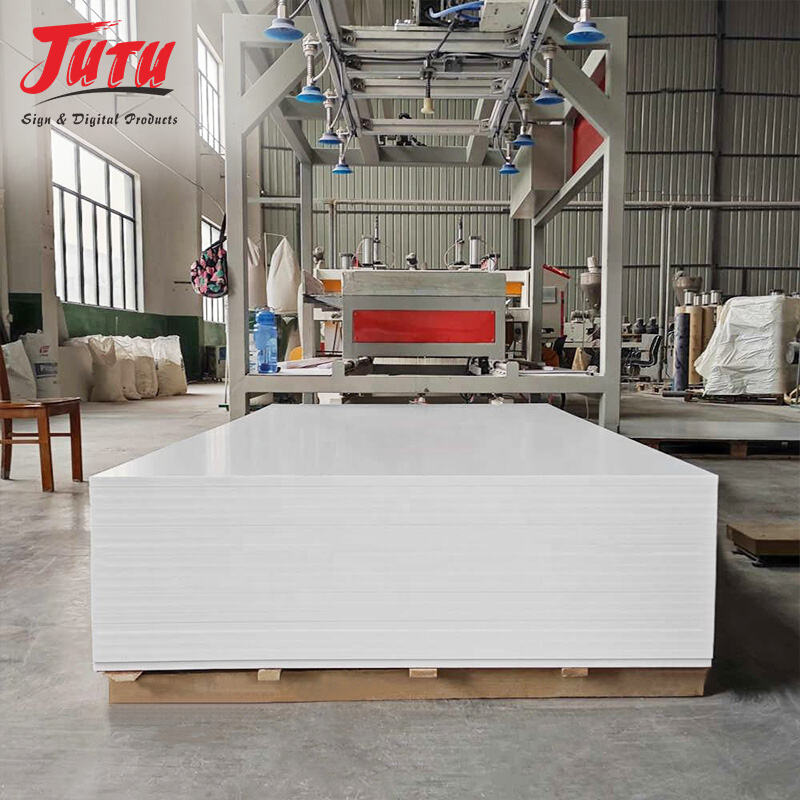
PVC celuka board for cabinetry represents a revolutionary advancement in modern cabinet construction technology. This innovative material combines polyvinyl chloride with a unique cellular foam core structure, creating an exceptional solution for contemporary kitchen and furniture applications. The pvc celuka board for cabinetry features a distinctive three-layer composition that delivers superior performance characteristics compared to traditional cabinet materials. The outer layers consist of high-quality PVC skin that provides durability and aesthetic appeal, while the internal celuka foam core offers lightweight properties without compromising structural integrity. This sophisticated manufacturing process results in a material that addresses multiple challenges faced in cabinet construction. The technological framework behind pvc celuka board for cabinetry incorporates advanced extrusion techniques that create uniform density throughout the material. This consistency ensures reliable performance across various environmental conditions and usage scenarios. The board maintains dimensional stability under temperature fluctuations and humidity changes, making it ideal for kitchen environments where moisture and heat exposure are common. Manufacturing specifications for pvc celuka board for cabinetry typically include customizable thickness options ranging from 12mm to 25mm, allowing designers and manufacturers to select appropriate dimensions for specific applications. The material demonstrates excellent machinability, accepting standard woodworking tools and techniques for cutting, drilling, and edge finishing. Surface preparation requirements are minimal, as the smooth PVC skin readily accepts various finishing options including lamination, painting, and direct printing. Primary applications for pvc celuka board for cabinetry extend beyond traditional kitchen cabinets to include bathroom vanities, office furniture, retail displays, and architectural millwork. The material's versatility makes it suitable for both residential and commercial projects where durability and aesthetic flexibility are priorities. Installation processes remain straightforward using conventional cabinet hardware and fastening systems, ensuring compatibility with existing manufacturing workflows.

New Products

The advantages of pvc celuka board for cabinetry create compelling reasons for manufacturers and consumers to choose this innovative material over traditional alternatives. Weight reduction stands as a primary benefit, as pvc celuka board for cabinetry weighs significantly less than solid wood or particle board options. This weight advantage translates into easier handling during manufacturing, simplified installation procedures, and reduced shipping costs. Cabinet installers appreciate the reduced physical strain when working with lighter materials, leading to increased productivity and fewer workplace injuries. Moisture resistance represents another crucial advantage that sets pvc celuka board for cabinetry apart from wood-based alternatives. The PVC skin creates an impermeable barrier that prevents water infiltration into the foam core, eliminating common problems like warping, swelling, and delamination. This characteristic proves especially valuable in kitchen and bathroom applications where humidity and direct water contact are inevitable. Homeowners benefit from cabinets that maintain their appearance and structural integrity even in challenging moisture conditions. Cost effectiveness emerges as a significant factor driving adoption of pvc celuka board for cabinetry across various market segments. The material offers competitive pricing compared to premium wood products while delivering superior performance in many applications. Manufacturing efficiency improves due to consistent material properties and reduced waste generation during processing. The elimination of wood defects, grain variations, and moisture content issues streamlines production scheduling and quality control procedures. Environmental considerations favor pvc celuka board for cabinetry as it requires no harvesting of forest resources and generates minimal waste during production. The material maintains recyclability at end of life, supporting sustainable manufacturing practices. Surface finish options provide unlimited design flexibility, as pvc celuka board for cabinetry accepts various decorative treatments including wood grain patterns, solid colors, and contemporary textures. This versatility allows manufacturers to meet diverse aesthetic preferences without maintaining extensive inventory of different wood species. Quality consistency eliminates the variability associated with natural wood products, ensuring uniform appearance across large cabinet projects. Maintenance requirements remain minimal, as the smooth PVC surface resists staining and cleans easily with standard household products. Long term durability reduces replacement costs and customer service issues, creating value for both manufacturers and end users.

Latest News

Aluminum Composite Plates: Versatility at Its Best

07

Nov

Aluminum Composite Plates: Versatility at Its Best

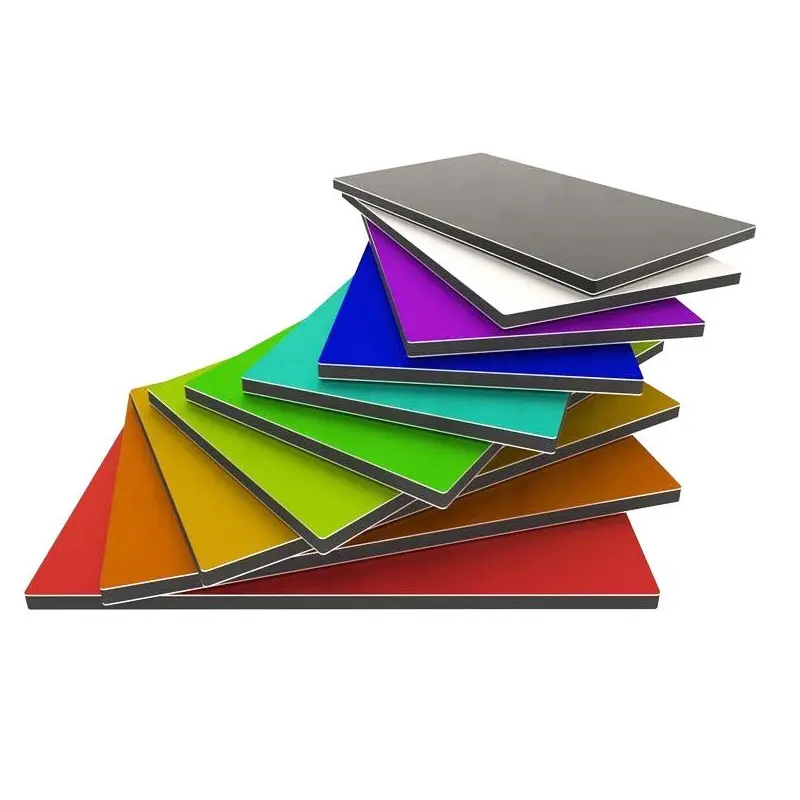
Exploring the Flexibility of Aluminum Composite Plates Aluminum Composite Plates have become a cornerstone material in modern architecture, advertising, and industrial design. Known for their strength, lightweight structure, and aesthetic flexibility...
View More
Durability and Clarity: What to Expect from Acrylic Board Manufacturers

07

Nov

Durability and Clarity: What to Expect from Acrylic Board Manufacturers

Acrylic boards offer unmatched strength and transparency. You can rely on their unique material properties to withstand impacts and maintain clarity over time. Advanced manufacturing techniques enhance their durability and clarity, making them ideal ...
View More
Acrylic Board Manufacturers: Shaping the Future of Plastics

07

Nov

Acrylic Board Manufacturers: Shaping the Future of Plastics

Acrylic boards have become indispensable in industries like construction, automotive, and healthcare. Their durability, transparency, and versatility make them a preferred material for diverse applications. Acrylic board manufacturers continue to inn...
View More
PVC Foam Sheet Applications in Industrial Fabrication and Prototyping

23

Dec

PVC Foam Sheet Applications in Industrial Fabrication and Prototyping

Modern industrial manufacturing and prototyping demands have created an increasing need for versatile, lightweight materials that can deliver exceptional performance across diverse applications. Among these materials, PVC foam sheet has emerged as a ...
View More

Get a Free Quote

Our representative will contact you soon.
Email
Name
Company Name
Message
0/1000

pvc celuka board for cabinetry

Superior Moisture Protection and Dimensional Stability

Superior Moisture Protection and Dimensional Stability

The moisture protection capabilities of pvc celuka board for cabinetry establish it as the premium choice for environments where traditional materials fail to perform adequately. The advanced PVC skin technology creates a completely sealed barrier that prevents moisture penetration into the cellular foam core, eliminating the primary cause of cabinet failure in kitchen and bathroom applications. This protection system operates at the molecular level, where the PVC polymer chains form an impermeable membrane that repels water, steam, and humidity. Unlike wood-based materials that absorb moisture through grain patterns and end cuts, pvc celuka board for cabinetry maintains consistent dimensions regardless of environmental conditions. The cellular foam core structure contributes to dimensional stability by providing uniform density distribution that resists expansion and contraction forces. Temperature variations that cause significant movement in solid wood and composite materials have minimal effect on pvc celuka board for cabinetry performance. This stability prevents common cabinet problems including door misalignment, drawer binding, and hardware loosening that result from material movement. The moisture resistance extends beyond surface protection to include edge sealing capabilities that maintain integrity even when cut surfaces are exposed to humid conditions. Traditional cabinet materials require extensive edge banding or sealing treatments to achieve comparable protection levels. Manufacturing processes for pvc celuka board for cabinetry incorporate quality control measures that ensure consistent moisture barrier performance across every sheet produced. Testing protocols verify that the material meets or exceeds industry standards for water resistance and dimensional stability under extreme conditions. Real world applications demonstrate that cabinets constructed with pvc celuka board for cabinetry maintain their original appearance and functionality years longer than conventional materials in high moisture environments. This extended service life translates into reduced replacement costs and increased customer satisfaction for manufacturers who specify this advanced material solution.
Lightweight Design Without Structural Compromise

Lightweight Design Without Structural Compromise

The lightweight characteristics of pvc celuka board for cabinetry revolutionize cabinet design and installation processes while maintaining exceptional structural performance. The innovative cellular foam core technology reduces material density by approximately 40 percent compared to traditional particle board and MDF alternatives, creating significant advantages throughout the manufacturing and installation chain. This weight reduction stems from the controlled foam expansion process that creates uniform air cells within the core structure, eliminating excess material while preserving load bearing capabilities. Engineering tests demonstrate that pvc celuka board for cabinetry maintains superior strength to weight ratios that exceed requirements for standard cabinet applications. The structural integrity results from the composite design where the rigid PVC skins carry primary loads while the foam core provides shear resistance and impact absorption. This combination creates a material that resists sagging under loaded shelves and maintains door alignment under repeated use cycles. Manufacturing benefits multiply when working with lightweight pvc celuka board for cabinetry, as automated equipment operates more efficiently with reduced material handling stresses. Production line speeds increase due to easier material movement and positioning, while worker fatigue decreases during manual operations. Shipping advantages become apparent when transportation costs correlate directly with weight, allowing manufacturers to reduce logistics expenses while maintaining product quality. Installation teams recognize immediate productivity improvements when working with pvc celuka board for cabinetry, as reduced weight enables single person handling of larger cabinet components. This efficiency translates into faster installation schedules and reduced labor costs for both contractors and homeowners. The lightweight properties also expand design possibilities by enabling larger door panels and extended spans without requiring additional structural support. Architects and designers appreciate the freedom to create bold cabinet designs that would prove impractical with heavier traditional materials. Long term performance benefits include reduced stress on cabinet hardware and mounting systems, extending service life and minimizing maintenance requirements for end users.
Exceptional Surface Finish Versatility and Design Freedom

Exceptional Surface Finish Versatility and Design Freedom

The surface finish versatility of pvc celuka board for cabinetry opens unlimited design possibilities that satisfy diverse aesthetic preferences while maintaining superior performance characteristics. The smooth, uniform PVC skin provides an ideal substrate for various decorative treatments, eliminating the surface imperfections and grain variations that limit design options with natural wood materials. This consistency enables precise color matching across large cabinet projects and ensures uniform appearance regardless of production batch variations. Digital printing technologies work exceptionally well with pvc celuka board for cabinetry surfaces, allowing reproduction of authentic wood grains, contemporary patterns, and custom graphics with remarkable clarity and durability. The material accepts high resolution printing that captures fine details impossible to achieve with traditional lamination processes. Color stability remains excellent under normal lighting conditions, preventing the fading and discoloration issues common with other cabinet materials. Lamination processes bond securely to pvc celuka board for cabinetry surfaces without requiring special adhesives or surface preparation techniques. This compatibility streamlines manufacturing operations while ensuring long term adhesion performance that resists delamination under thermal cycling and moisture exposure. Thermoforming capabilities enable creation of complex curved profiles and three dimensional surface textures that enhance visual appeal and tactile experiences. Paint systems adhere readily to pvc celuka board for cabinetry when proper surface preparation procedures are followed, enabling custom color matching and specialty finishes including metallics, textures, and high gloss applications. The material accepts both solvent based and water based coating systems, providing flexibility for manufacturers with different finishing equipment and environmental requirements. Edge banding operations proceed smoothly due to the consistent material thickness and stable edge characteristics of pvc celuka board for cabinetry. Hot air and laser edge banding systems produce seamless joints that enhance appearance while providing additional moisture protection at critical interfaces. Quality control advantages emerge from the predictable surface properties that eliminate the variability associated with natural wood defects, mineral deposits, and grain density changes. This consistency reduces finishing material waste and improves production efficiency while ensuring uniform quality standards across all manufactured components.